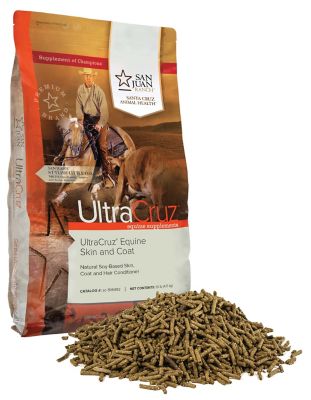
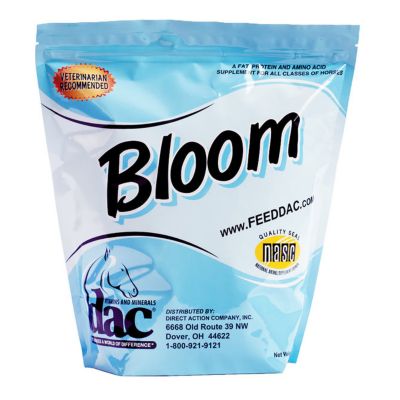
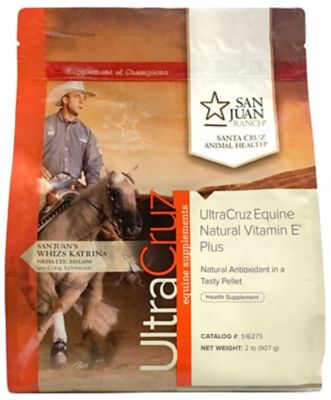
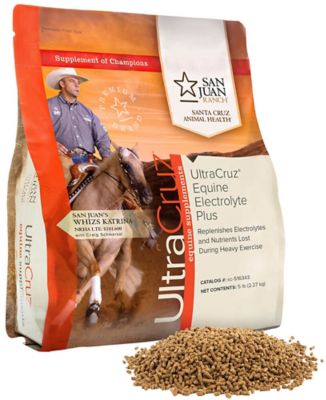
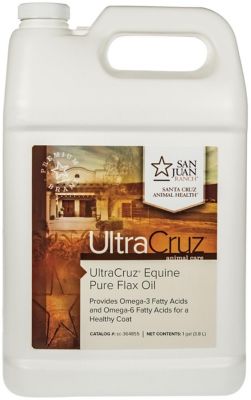
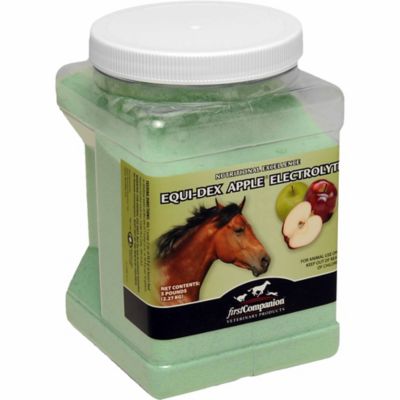
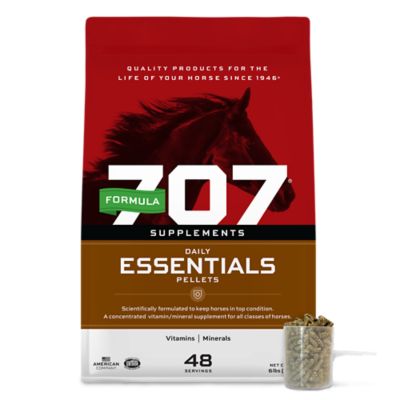
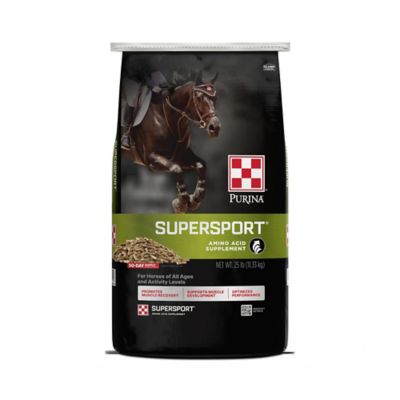
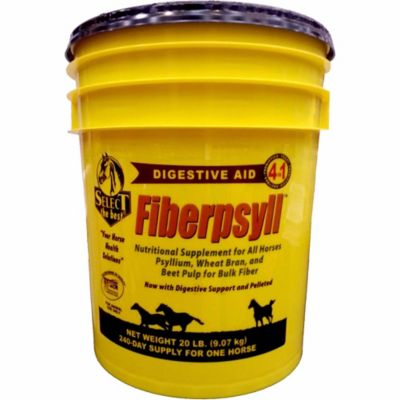
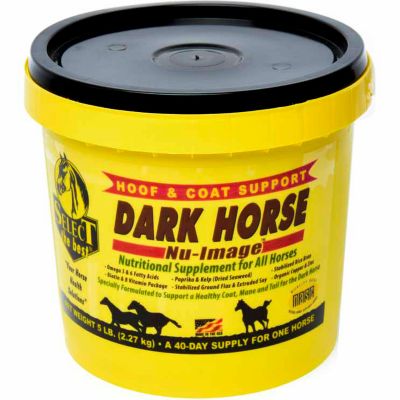
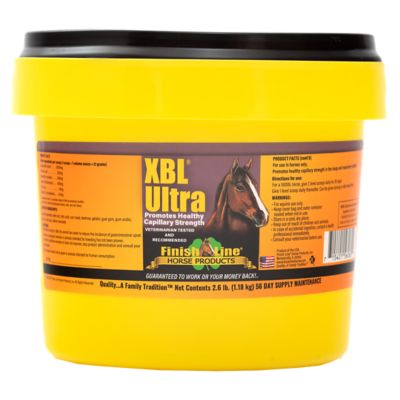
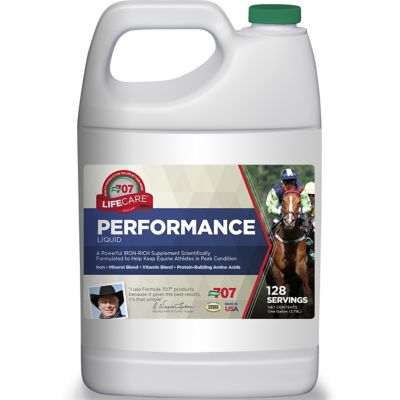
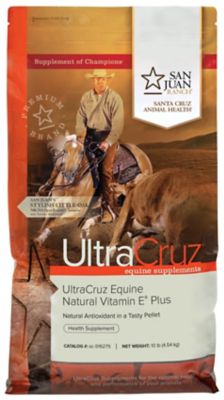
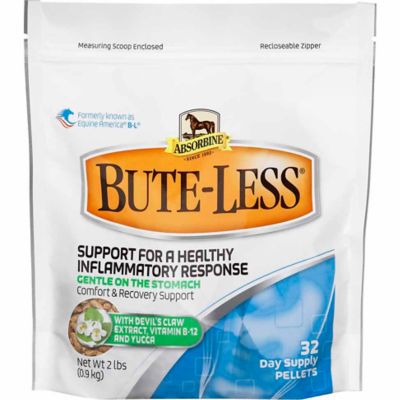
Horse supplements have a place in feeding programs for everything from a steady trail partner to a ranch horse that spends long days checking fence lines. Their purpose is to complement the ration, not take the place of good forage, clean water, salt and enough feed to meet a horse’s needs. That distinction matters when comparing broad nutritional support with formulas aimed at joints, hooves, digestion or muscle maintenance. A horse holding weight on pasture and hay may have different nutritional gaps than one eating a fortified concentrate at the full label rate. Age, body condition, workload and the nutrient content of the base ration all help determine what belongs in the feed tub. Even two horses sharing a fence can need different support: an easy keeper may need certain vitamins and minerals without many extra calories, while a hardworking gelding may need a closer look at energy intake and recovery between rides. Broad-spectrum equine supplements generally bring several nutrients together, while more targeted formulas concentrate on a narrower purpose. Neither approach is automatically the better fit. What matters is how the formula lines up with the rest of the horse’s feeding program and whether its ingredients address an actual need. A forage analysis can help identify gaps that appearance alone cannot reveal, and a veterinarian or equine nutritionist can help make sense of overlapping sources of nutrients. That is especially helpful when several people handle feeding chores or when a horse already receives fortified grain, a ration balancer or another supplement. Adding more of the same nutrient is not always beneficial, and some minerals have a limited margin between adequate intake and excess. For owners sorting through horse supplements, the most useful starting point is a clear picture of what goes into the bucket each day, what the horse does for work and what nutritional support is missing.
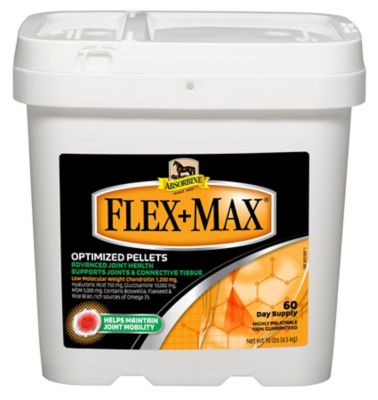
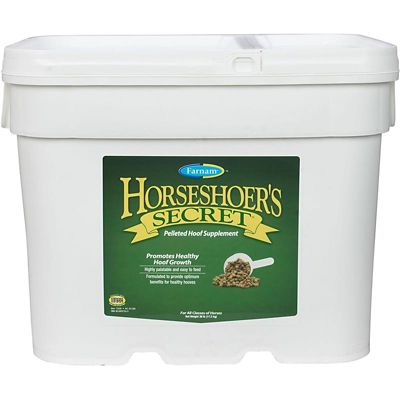
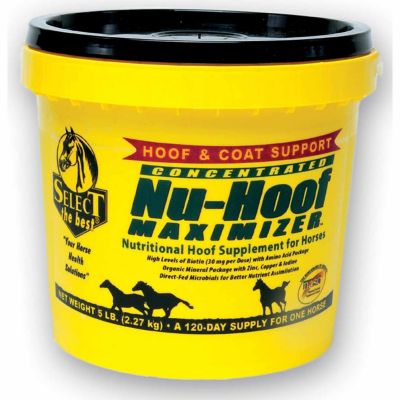
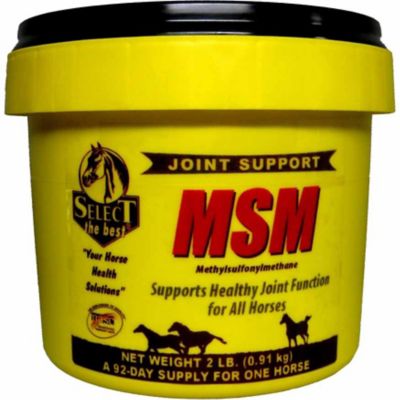
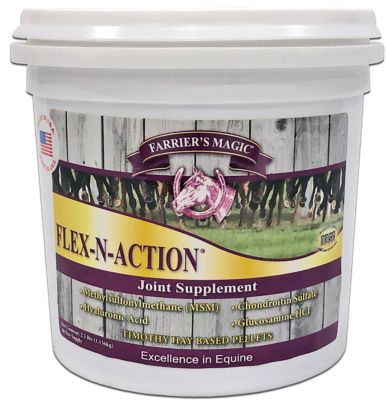
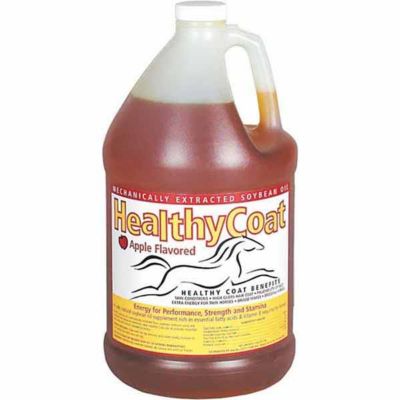
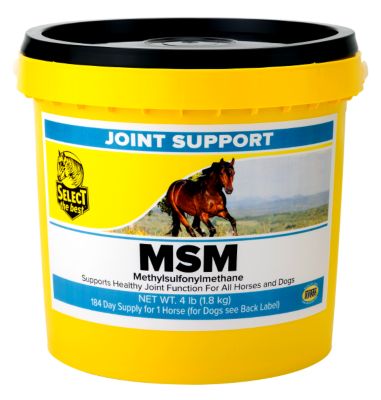
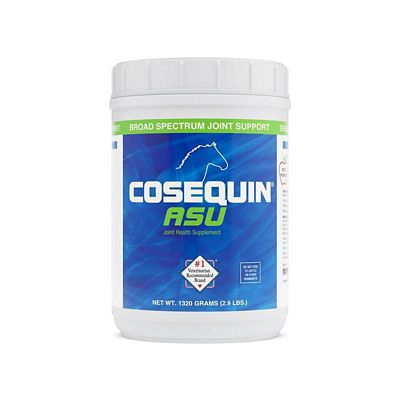
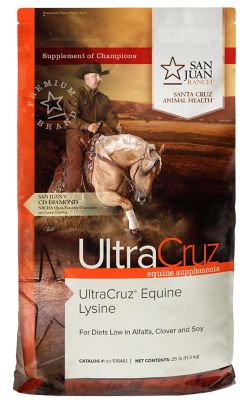
Ingredients and intended purpose help distinguish one type of equine supplement from another. Formulas for general nutritional support may contain vitamins, trace minerals, amino acids and fat sources in varying combinations. Hoof support often centers on nutrients such as biotin, methionine, zinc and copper, which contribute to normal hoof growth when the overall diet supplies enough energy and protein. Hooves grow slowly, so nutritional changes do not replace regular farrier care or produce an overnight change in the hoof wall. Skin and coat formulas may include omega-3 fatty acid sources, though a shiny coat by itself does not tell the whole story about a horse’s health. Joint-focused formulas can contain ingredients such as glucosamine, chondroitin sulfate, hyaluronic acid or MSM. Research and results vary by ingredient and formulation, and supplements should not be treated as a substitute for evaluating stiffness, swelling or a shortened stride. Digestive support is another common purpose, with some formulas providing yeast cultures, probiotics or prebiotic ingredients. These ingredients serve different roles, and their presence does not make every digestive formula interchangeable. Changes in appetite, manure or comfort still call for attention to the horse’s health and feeding routine rather than simply another scoop. Muscle support brings a different set of considerations, especially for horses building condition through steady work or returning to exercise under professional direction. Adequate calories, sufficient protein and essential amino acids all matter, alongside a suitable exercise program. For that narrower nutritional focus,
Horse Topline Supplements relate to support for muscle development and maintenance. The shape over a horse’s back also reflects conditioning, age, soundness and saddle fit, so feed alone cannot account for every change. Across these categories, ingredient amounts per daily serving are more informative than a long ingredient list. Clear labeling helps owners compare formulas on the same basis and understand whether a supplement supplies meaningful amounts of the nutrients being considered.
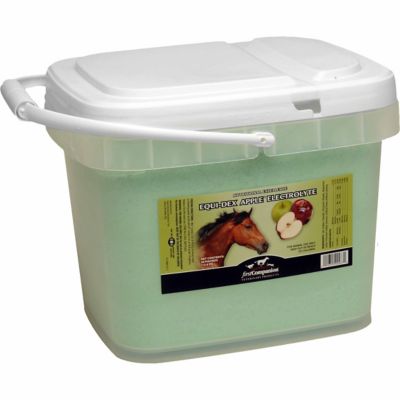
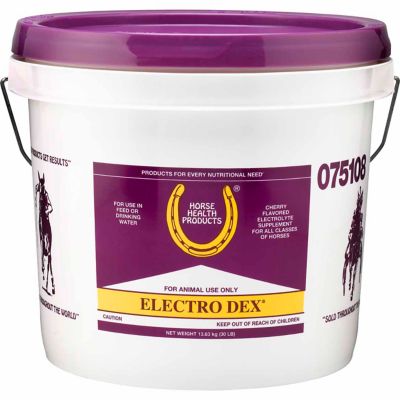
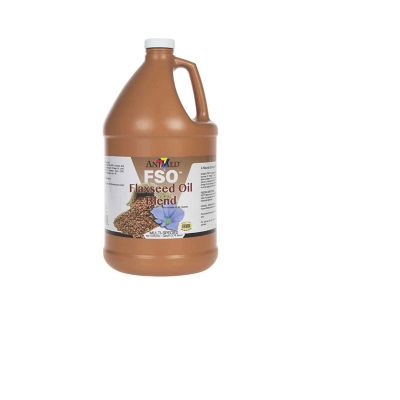
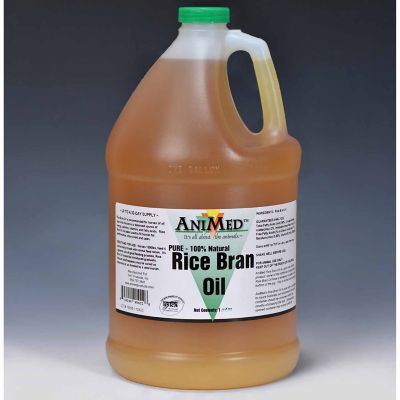
Form and feeding directions matter just as much once a supplement reaches the barn. Powders, pellets and liquids each fit a little differently into daily chores, and the best match is one the horse will eat consistently at the labeled amount. A fine powder may blend into a small portion of damp feed, when label directions allow, while pellets can be easier to portion alongside a dry ration. Liquids need careful measuring and may require shaking before feeding, depending on the formula. Some horses clean up anything in the tub; others sort through every mouthful and leave unfamiliar material behind. Introducing a supplement gradually when directed, keeping the feeding routine steady and checking the bottom of the bucket can help show whether the full serving is actually being eaten. Measuring deserves the same attention. Scoops are not interchangeable between containers, and a scoop’s volume does not necessarily represent the same weight for different formulas. Directions may vary with body weight, workload or life stage, and some formulas specify an initial feeding amount followed by a maintenance amount. Written feeding notes are handy in a shared barn, particularly when a family member, hired hand or boarding staff member takes over chores. Storage also affects how well a supplement fits barn life. A tightly closed container, a clean measuring utensil and protection from moisture, pests and direct sunlight help preserve the contents according to the label. Expiration dates, lot numbers and any instructions for storage after opening deserve a place in that routine, too. Horses with metabolic concerns, ongoing medical conditions or prescribed medications need an extra review before a new formula enters the ration; the same goes for pregnant mares and growing horses. For competition horses, ingredient screening and the rules of the governing organization add another consideration, since a supplement label alone does not establish competition eligibility. Keeping a simple record of feeding amounts, body condition and observations over time makes discussions with the veterinarian more useful. Whether the horse carries a rider down a gravel lane or works cattle across a pasture, thoughtful supplementation supports the feeding program already in place rather than asking a feed-tub addition to do the whole job.