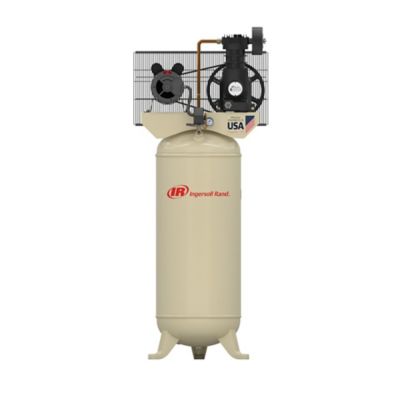
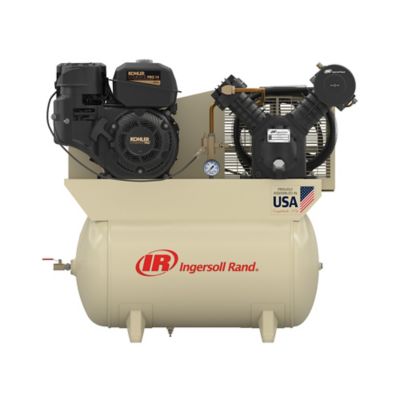
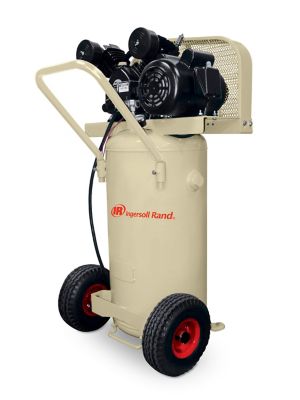
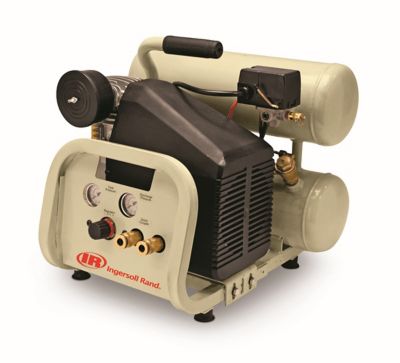
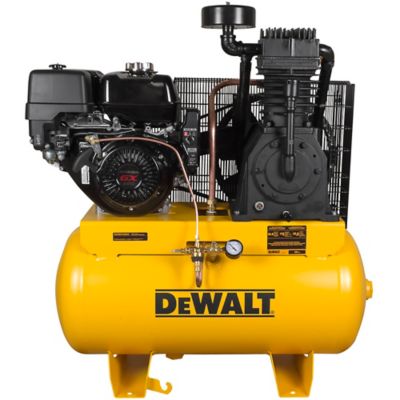
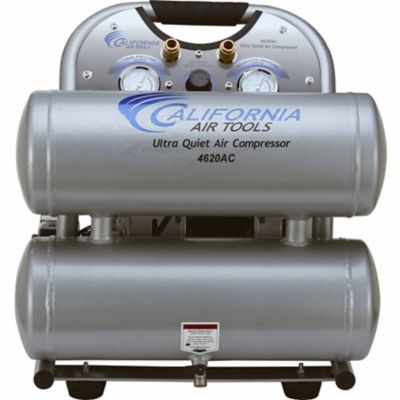
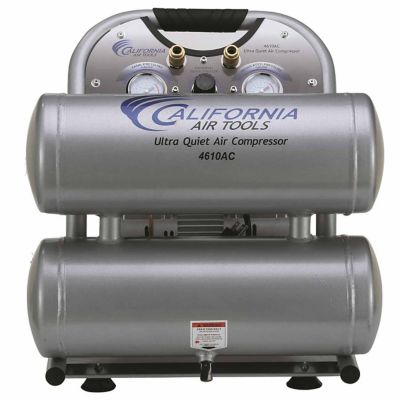
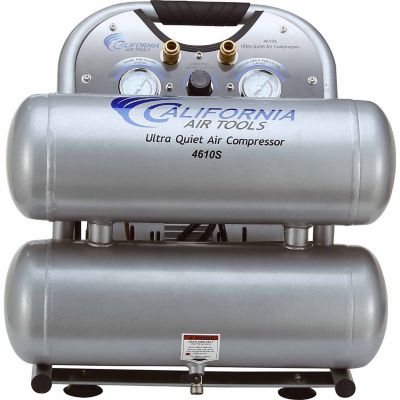
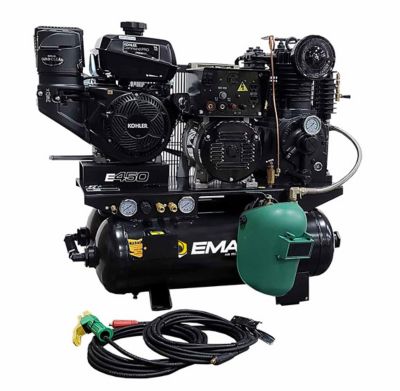
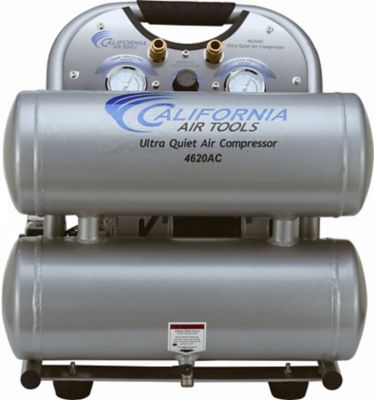
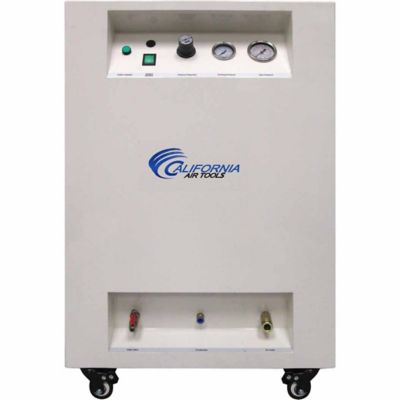
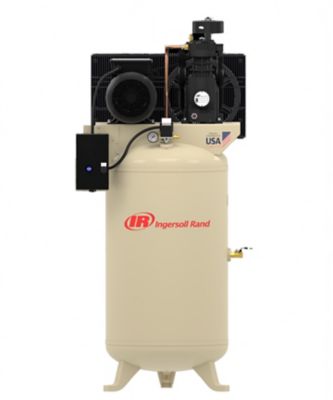
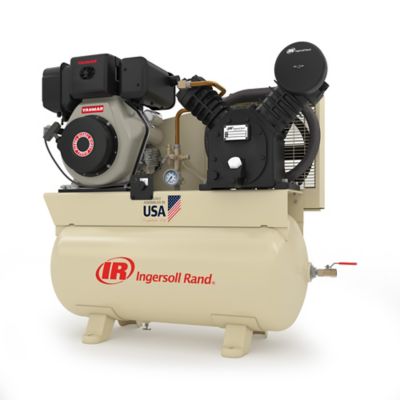
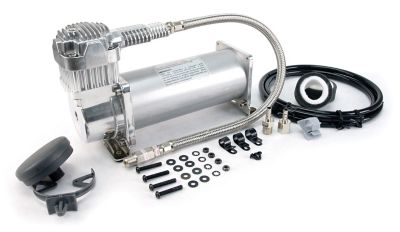
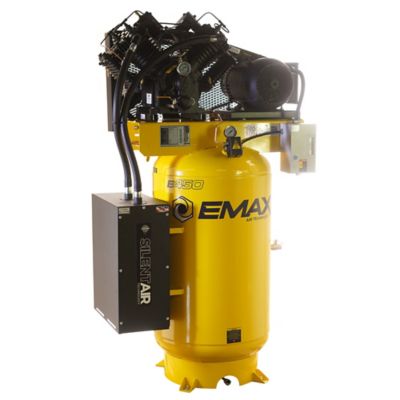
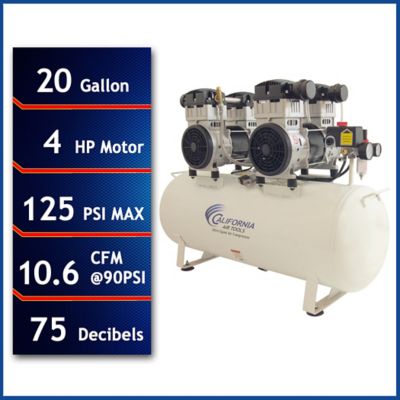
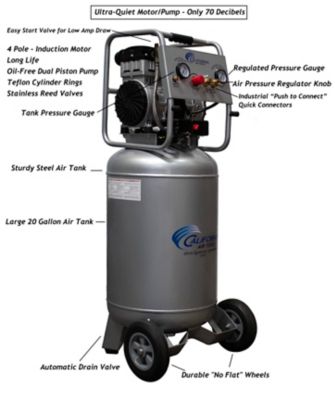
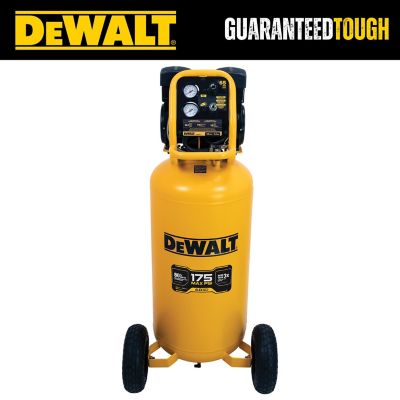
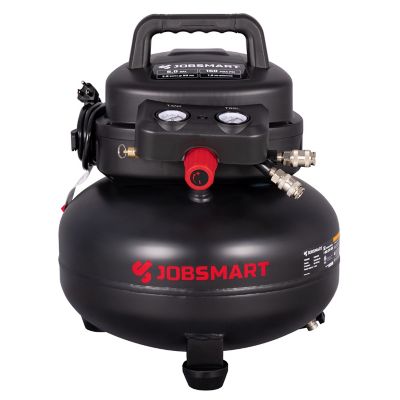
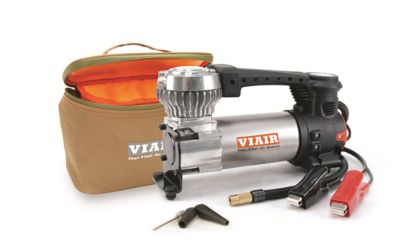
Continuous duty air compressors are built for extended operation and sustained compressed air demand, with actual run time governed by the manufacturer’s duty-cycle rating and operating limits. A compressor rated for a 100% duty cycle can run throughout its specified duty-cycle period under those stated conditions, rather than requiring a scheduled rest between pumping cycles. That rating does not mean every machine can supply unlimited air or operate without attention to pressure, ventilation and maintenance. A continuous-run motor label also does not, by itself, establish a 100% duty rating for the entire compressor. For farm shops, equipment service bays and busy garages, the appeal is steady air for tasks that keep a pump working: running a pneumatic grinder along a weld, powering a sander across a large panel or supporting repeated tool work at several benches. The most useful capacity figure is delivered airflow, commonly listed in cubic feet per minute, or CFM, at a stated pressure in pounds per square inch, or PSI. Standard cubic feet per minute, or SCFM, provides another airflow measure, and comparisons make sense when the listed pressure and reference conditions match. A tool’s airflow requirement needs to fit the compressor’s output at that tool’s operating pressure, with room for other tools running at the same time. An impact wrench breaking loose a few wheel nuts creates a different demand than a grinder running steadily through a repair. Some tool ratings describe average consumption during intermittent operation, so continuous work can call for more air than that average suggests. Tank capacity matters, too, but it serves a different job. The receiver stores compressed air to cushion brief demand spikes and reduce pressure swings; a larger tank cannot make up for a pump that delivers too little air during a long stretch of work. Hose length, hose diameter, couplers and air-line layout also affect pressure at the tool, especially across a shop with several work areas.
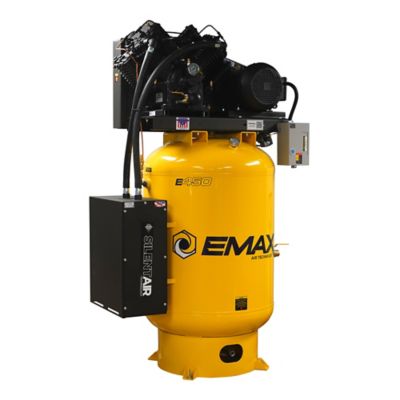
Pump construction, drive design and installation needs help determine where a continuous duty air compressor fits. Reciprocating compressors compress air with pistons and cylinders, while rotary screw compressors work with rotating elements. Either design needs its own stated duty rating; the pump style alone is not enough to establish continuous-duty capability. Likewise, single-stage and two-stage describe how compression happens, not how long a machine can operate. Cast-iron cylinders can offer wear resistance in reciprocating pumps, while aluminum components can help shed heat and reduce weight. Oil-lubricated designs require attention to the specified lubricant and service intervals, while oil-free designs have their own maintenance requirements and operating limits. Belt-drive arrangements introduce belts, pulleys and tension checks; direct-drive arrangements connect the motor and pump without that belt system. Neither layout replaces the need to compare delivered airflow, operating sound and service access. A stationary vertical tank can leave more floor space around a workbench, while a horizontal layout may better suit another shop arrangement. The footprint includes more than the tank itself: filters, drains, guards and service points need clearance, and cooling air needs an unobstructed path. Portable configurations can make sense for work that moves between locations, provided the machine’s weight, power needs and handling instructions suit that routine. For a fixed
Industrial Air Compressor installation, electrical service deserves the same attention as tank size. Voltage, phase, circuit capacity and starting requirements must match the equipment specifications, with installation handled as required by the manufacturer and applicable codes. Horsepower alone does not tell the whole story about air delivery. Sound levels and mounting requirements matter, too, particularly when the compressor sits near a bench where someone spends hours fitting bearings or rebuilding a pump. A sensible layout keeps service points within reach without crowding walkways or putting hoses across a busy shop floor.
Long service life depends on routine care as much as the machine’s construction. Compressed air naturally carries moisture that can collect in the receiver and piping, so condensate drainage is part of regular upkeep. Manual drains need accessible placement and attention; automatic drains still need inspection to confirm they are working properly. Intake filters, oil levels where applicable, belt condition and visible leaks all deserve checks at the intervals specified for the equipment. A small leak at a coupler can keep a compressor working when no tool is running, adding wear and wasting power. Maintenance begins with shutting down, isolating power and relieving stored pressure as directed in the owner’s manual. Receiver tanks and pressure-relief devices are safety components, not places for makeshift repairs or changes to factory settings. The air treatment needed downstream depends on the work. Painting and finishing may call for moisture and oil control beyond what a basic outlet provides, while some pneumatic tools need lubrication according to their own instructions. Keeping those requirements separate helps prevent a lubricated tool line from sending oil into a finishing line. Compressed shop air is not breathing air, and it should never be directed at skin or clothing. Engine-driven equipment brings additional exhaust hazards and must operate outdoors, away from doors, windows and air intakes, following the manufacturer’s directions. Around a working farm or repair shop, the right fit comes down to the rhythm of the day: short bursts at the tire station, steady grinding at the welding bench or several people reaching for air tools together. Continuous duty air compressors suit demanding work when their airflow, pressure range, power source and operating rating match that routine. Enough capacity for the job, room for service and a sensible air-line layout help keep attention on the repair instead of repeated stops for pressure recovery.