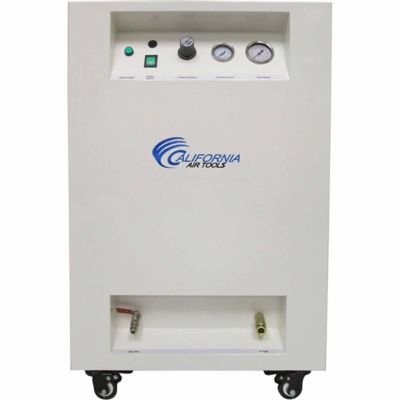
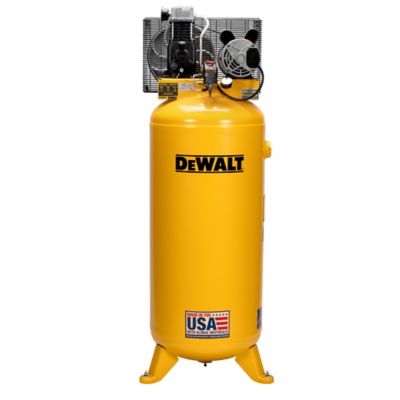
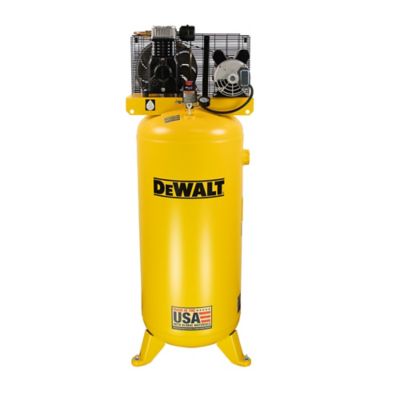
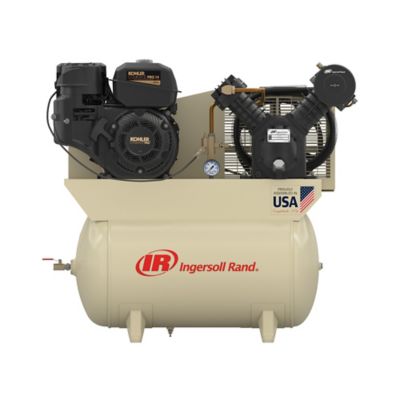
Single-phase air compressors bring compressed air to home garages, farm shops, and small businesses with residential or light-commercial electrical service. They power pneumatic tools, fill tires, and support everyday repairs without requiring a three-phase electrical supply. Many smaller compressors have motors rated for 115 or 120 volts, while larger shop compressors often call for 230 or 240 volts and a properly sized dedicated circuit. The motor nameplate and manufacturer’s installation requirements determine the electrical connection, not tank size or plug shape alone. Starting a compressor motor also takes more current than keeping it running, so circuit capacity matters when choosing equipment for an older barn or a garage that shares power with other tools. An electrician can check whether the wiring, breaker, and connection suit the compressor. Single-phase describes the motor’s electrical supply; it does not mean the compressor has a single-stage pump. Single-stage pumps compress air in one step, while two-stage pumps compress it in successive steps, typically supporting higher operating pressures. Both configurations can run on single-phase power. For shoppers, the practical difference comes down to how much air a job needs and how steadily that air must flow. Topping off a utility trailer tire takes a different setup than keeping an impact wrench working through equipment repairs. A nailer draws short bursts of air, while a sander, grinder, or spray gun can need a steady supply for longer stretches. Single-phase air compressors span compact carry-along designs, wheeled garage units, and stationary shop equipment, giving property owners and tradespeople options for different workspaces. During the cooler months, a compressor can earn its place beside the workbench as mower maintenance gives way to trailer checks and repairs on equipment headed back into service. The best fit is a machine that matches the tools, the electrical service, and the pace of work rather than simply carrying the biggest horsepower number.
Air delivery is one of the most useful ways to compare single-phase air compressors. Cubic feet per minute, or CFM, describes airflow, while pounds per square inch, or PSI, describes pressure. Read the compressor’s delivered CFM at the pressure your tool requires; a rating at a lower pressure does not tell the whole story for a tool that operates at 90 PSI. Tool ratings also deserve a close look because an average air-consumption figure may assume intermittent operation rather than holding the trigger down continuously. A compressor should meet the operating demand with some breathing room, especially when hose length, fittings, or more than one tool add to the workload. Tank capacity serves a different purpose. A larger receiver stores more air and can support longer bursts before pressure drops, but it does not increase the pump’s ongoing output. Once that stored air is drawn down, recovery depends on the pump. Duty cycle matters, too: it describes how much of a specified period the compressor can run under stated conditions. Some machines need rest periods, while others are rated for continuous operation. For tire inflation, occasional fastening, and smaller bench projects,
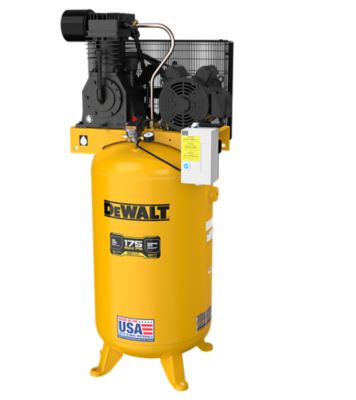
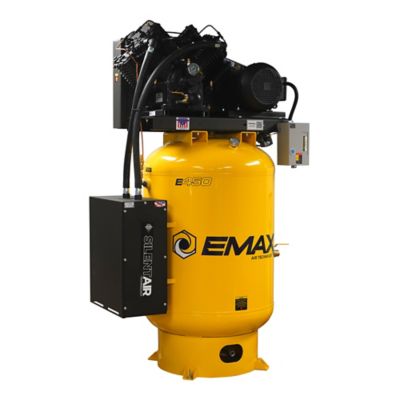
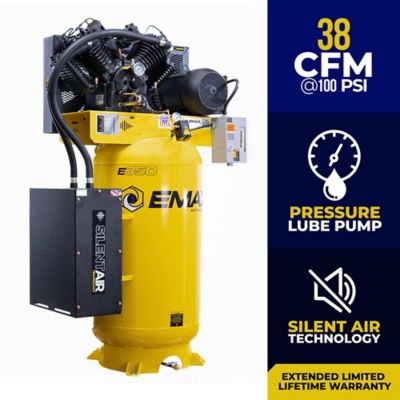
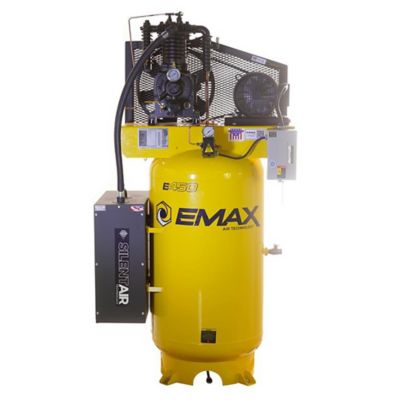
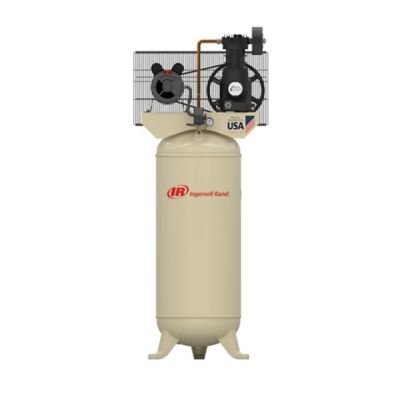
1 HP Air Compressors offer another size category to compare, though horsepower alone does not establish tool compatibility. Portable compressors make sense when the work moves between a shed, garage, and outbuilding, provided suitable power is close by. Handles, wheel size, overall weight, and balance affect how manageable a unit feels on a threshold or uneven floor. Stationary compressors suit a dedicated work area where an air hose can reach the repair bay without moving the tank. Vertical tanks take up less floor space than many horizontal designs, but height, overhead clearance, and access to service points still matter. A tucked-away corner is only a good fit when it leaves the ventilation and maintenance space the manufacturer requires.
Construction and upkeep help determine how well a single-phase air compressor fits years of shop work. Cast-iron pump components are common on shop-oriented piston compressors, while aluminum components can help reduce weight and shed heat on other designs. Material alone does not tell the full story; pump speed, cooling, lubrication, and the demands placed on the machine all affect service life. Oil-lubricated pumps require oil checks and changes at the specified intervals. Oil-free pumps eliminate pump-oil changes, but they still need attention to intake filters, tank drainage, fittings, and other maintenance points. Belt-drive designs add belts and pulley alignment to that care routine, while direct-drive designs connect the motor and pump without a belt system. Sound levels are worth comparing for an enclosed garage, especially when the compressor sits close to the workbench. A lower published sound rating can make that space more comfortable, although rating methods and test distances should match for a fair comparison. Moisture management matters in every setup because compressing air leaves water in the receiver and air lines. Drain the tank as directed, with the machine shut down and pressure handled according to its manual, and keep drain valves accessible. Filters, separators, and dryers can help prepare air for the task, particularly when painting or working with moisture-sensitive tools; an oil-free pump does not automatically supply dry, contaminant-free air. Match hoses, regulators, couplers, and accessories to the system’s pressure and airflow requirements, since a narrow hose or restrictive fitting can leave a capable compressor struggling at the tool. In unheated buildings, follow temperature limits and cold-weather starting instructions, and protect drainage points from freezing. Keep intake openings clear of chaff and grinding dust, inspect the receiver for corrosion or damage, and never weld or modify an air tank. For the neighbor who maintains a few acres, the weekend woodworker, or the mechanic working through a line of repairs, the right compressor makes compressed air a practical part of the workspace without asking the machine to work beyond its limits.