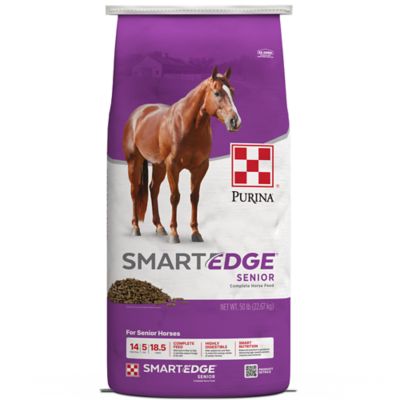
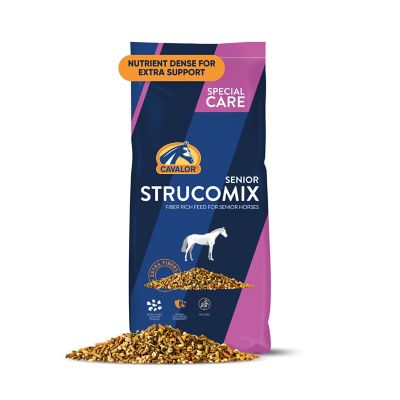
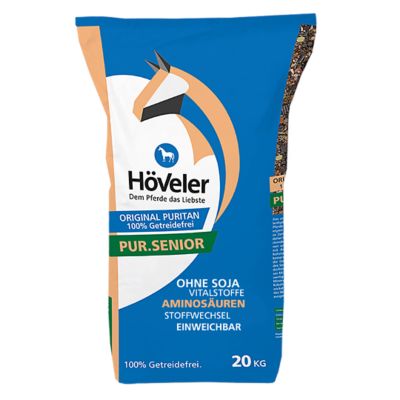
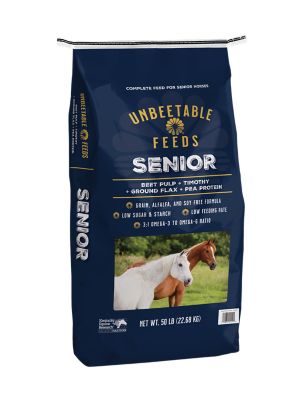
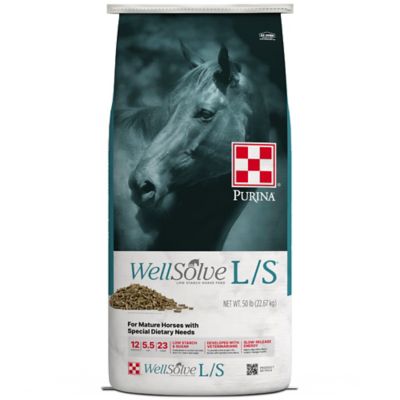
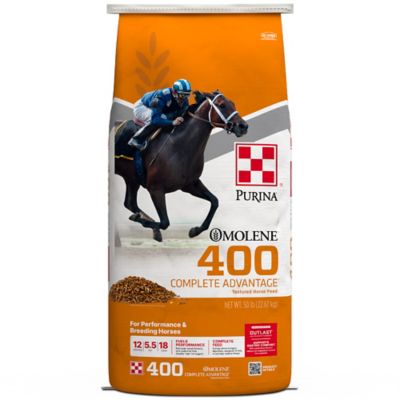
Horse feed for seniors is formulated to help meet the nutritional needs of older horses, especially those that have trouble chewing forage, maintaining weight or getting enough nourishment from their regular ration. These feeds commonly combine digestible fiber, protein, fat, vitamins and minerals in a form that supports an aging horse’s daily needs. A horse’s age alone does not tell the whole story, though. One older gelding may still handle hay and pasture well, while another with worn or missing teeth may need a feed that supplies much of the fiber normally provided by forage. Senior horse feeds fit a range of routines, from the retired pasture companion waiting at the gate to the seasoned trail horse still heading down the lane. The right match depends on dental health, body condition, activity level and the rest of the diet—not simply the number on the registration papers. Protein supplies amino acids that help maintain muscle, including the muscle along the back and hindquarters, while fat can provide concentrated calories when keeping weight on becomes a challenge. Digestible fiber supports energy intake without relying entirely on grain. Fortified formulas also contribute nutrients that may be difficult to supply through a limited forage ration alone. Not every older horse needs more calories, and not every senior feed has the same sugar and starch content. An easy keeper with a thick neck and a horse with visible ribs can have very different requirements, even if both belong in the senior pen. That is why the guaranteed analysis, ingredient list and feeding directions matter more than a broad age label. For horses with insulin concerns, a history of laminitis or other medical needs, a veterinarian can help determine which nutritional profile fits. Senior feed supports a feeding program; it does not take the place of dental care, a sound forage plan or attention to an unexplained change in appetite or weight.
Texture and fiber sources are important differences among senior horse feeds. Pellets offer a consistent form, while textured feeds have a different feel in the feed pan, and some formulas soften into a mash when prepared according to their directions. For a horse that leaves little wads of chewed hay near the feeder or takes much longer to finish a meal, chewing comfort deserves attention alongside the nutrient panel. Worn teeth can make long-stem forage difficult to break down, but a softer meal does not correct the underlying dental problem. A dental examination helps separate a feeding challenge from a problem that needs treatment. Senior complete feeds can supply both concentrated nutrients and enough fiber to replace some or all hay when their labels specifically allow it and the full recommended amount is fed. Other senior formulas are meant to accompany forage and cannot serve as the horse’s sole fiber source. That distinction matters when a horse can no longer manage the hay in the rack. Ingredients such as beet pulp and soybean hulls contribute digestible fiber, and comparing senior formulas with
Horse Feed With Beet Pulp can help narrow the search by fiber source. Beet pulp contributes fermentable fiber, but its presence alone does not make a ration complete or establish its sugar content. The whole formula still matters. For feeds intended to be soaked, the manufacturer’s water ratio and preparation directions help determine the finished consistency. Some older horses do better with a thoroughly softened meal, particularly when their veterinarian recommends it because of dental limitations or a history of choke. A mash should be prepared fresh, offered in a clean tub and cleared away before leftovers spoil. Clean drinking water remains essential even when meals contain added water. The aim is a ration the horse can comfortably eat in the amount needed, without assuming that every pellet, textured blend or fiber ingredient works the same way.
A senior feeding program also has to fit everyday life around the barn. Bag directions typically connect the daily feeding amount to body weight, workload and forage intake, making them an important part of comparing formulas. A small scoop of a fortified senior feed may supply far less nutrition than its label intends, while a full ration added on top of an already sufficient diet may provide more calories than an easy keeper needs. Scoops vary in size, and feeds vary in density, so measuring by weight gives a clearer picture of what reaches the feed pan. For a horse that needs a substantial amount each day, several smaller meals may fit better than one large feeding. A quiet feeding space can matter just as much as the ration itself. An older mare sharing a fence line with a pushy pasture mate may need her own place to finish without being hurried away from the tub. Changes between feeds are generally made gradually, with the label and veterinary advice guiding the transition. Appetite, manure consistency, body condition and muscle coverage offer useful signs of how the overall program is working. A weight tape and regular hands-on checks can help reveal changes that are easy to miss beneath a long coat. Storage and cleanup belong in the picture, too. Feed keeps best in a dry, secure space protected from rodents and moisture, with its label and lot information kept close at hand. Clean containers and scoops help keep fresh feed separate from old residue, and anything with mold, an off smell or signs of spoilage should stay out of the ration. For the person feeding a longtime trail partner or caring for several retirees, senior horse feed offers a way to adjust nutrition as needs change. The best fit is the formula that matches the horse’s chewing ability, forage intake, calorie needs and health history while working with a feeding routine the caretaker can maintain.