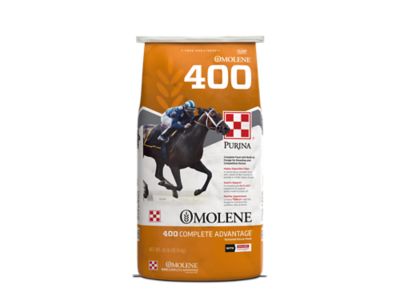
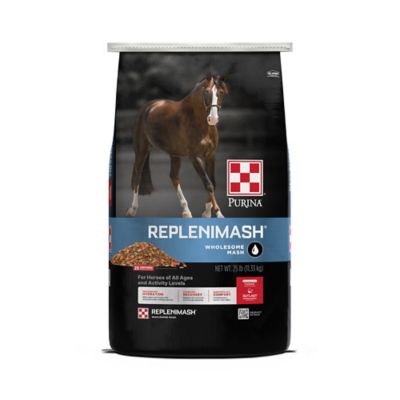
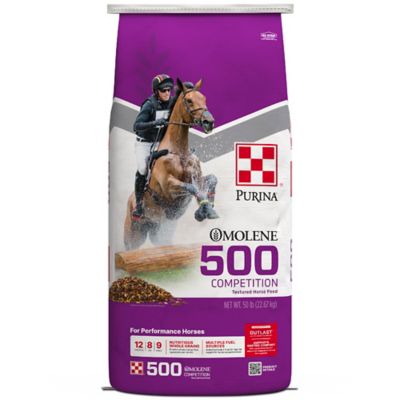
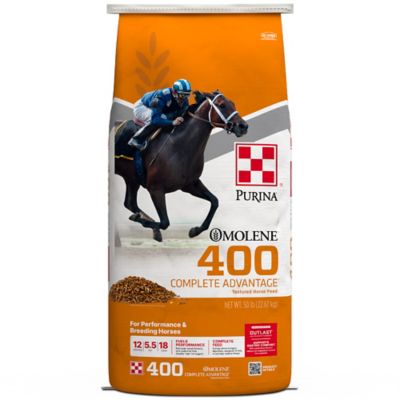
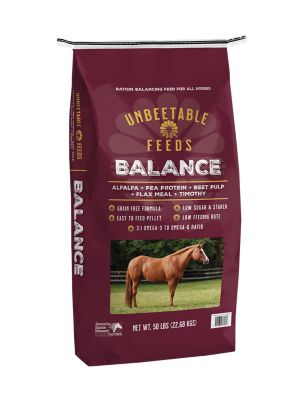
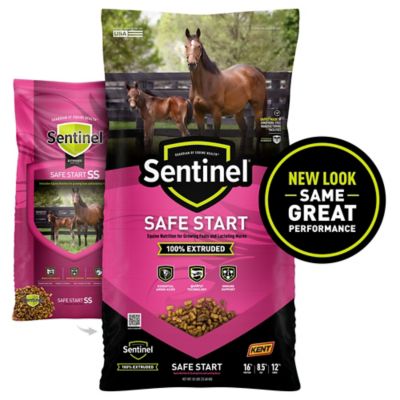
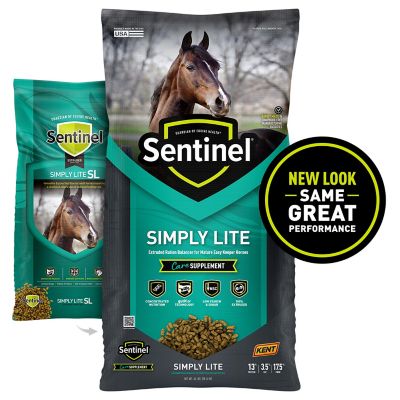
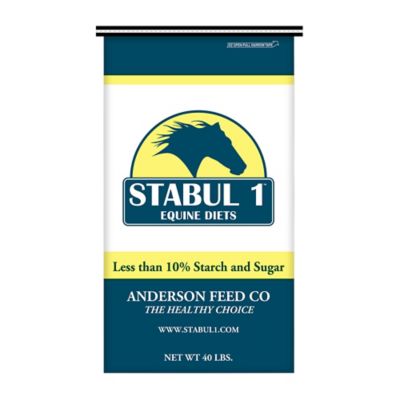
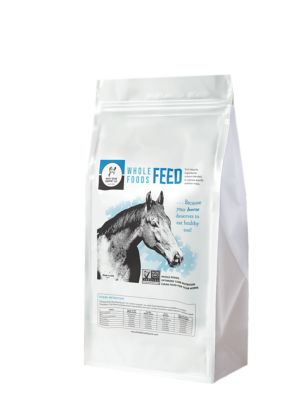
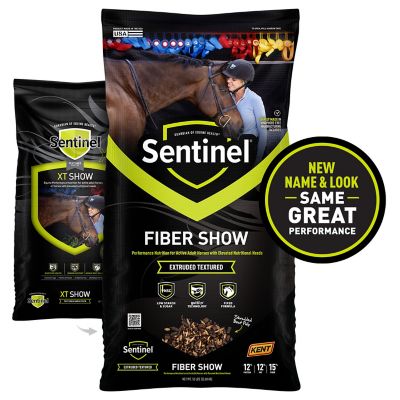
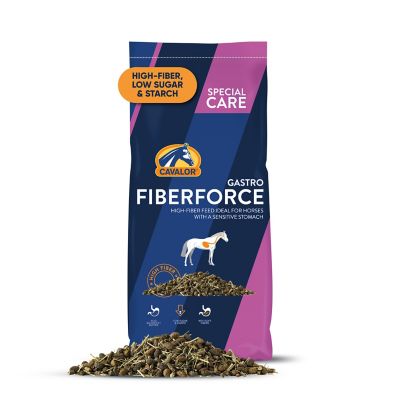
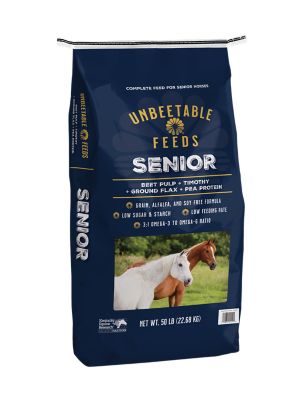
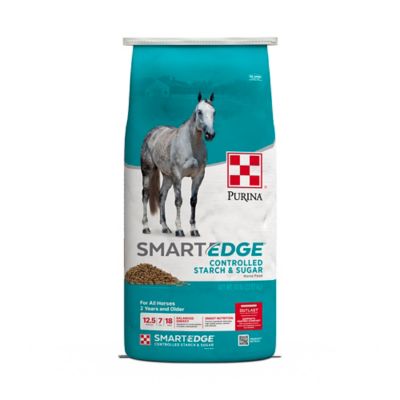
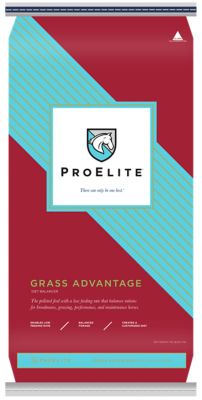
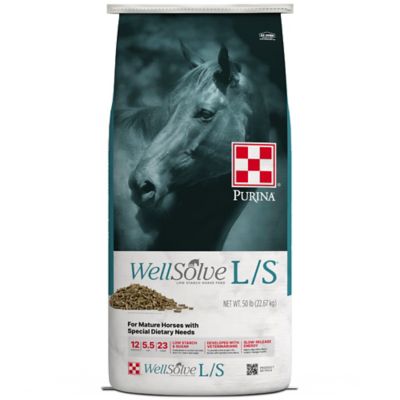
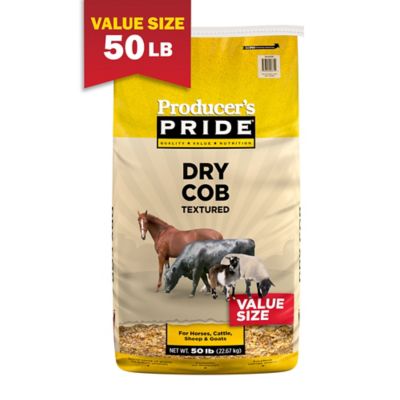
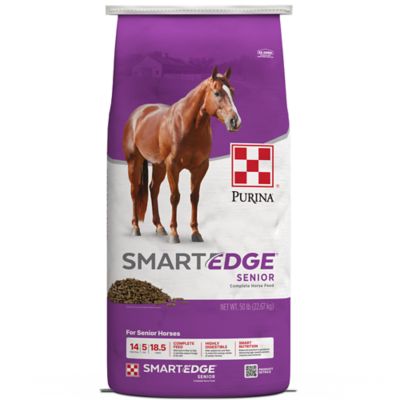
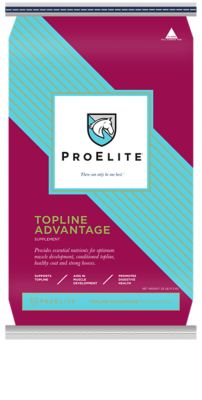
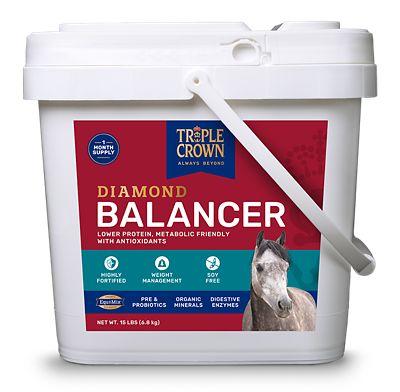
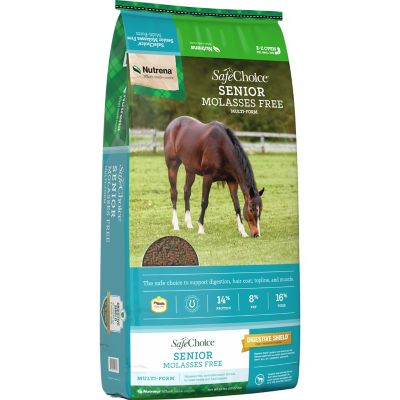
Horse feed with beet pulp brings a digestible fiber source to the feed bucket, making it worth a look for horses that need extra calories, support for maintaining weight, or a ration built around more than grain alone. Beet pulp is the fibrous material left after sugar is extracted from sugar beets. A horse’s hindgut microbes ferment that fiber, providing energy without the same starch contribution as cereal grains. That makes beet pulp a useful ingredient in many feeding programs, from rations for working horses to blends intended for older horses or hard keepers. Picture a gelding that stays lean despite a steady hay supply, or a senior mare that leaves behind the tougher stems in her hay net. A properly selected feed containing beet pulp may help meet those horses’ needs, though the right choice depends on the entire formula and the rest of the daily ration. Beet pulp contributes calories through fermentable fiber, but it does not make every feed containing it low in starch, low in sugar, or suitable for every horse. Other ingredients, serving size, and added fat all influence what goes into the bucket. Some formulas pair beet pulp with grains, while others lean more heavily on fiber ingredients and fat. Pellets and textured feeds can both contain beet pulp, and appearance alone does not reveal how much of the ingredient is present. The ingredient list helps explain the blend, while the guaranteed analysis and feeding directions provide additional information for comparing its purpose. For owners balancing barn chores with riding, training, or keeping a retired pasture companion comfortable, the appeal is practical: a feed that fits the horse’s needs and works within a manageable daily routine. The goal is steady nourishment and an appropriate body condition, not simply a fuller scoop. Beet pulp can be part of that approach without taking the place of a thoughtfully balanced feeding program.
Choosing among horse feeds with beet pulp starts with the horse in front of the feed tub. Age, body weight, workload, dental condition, and the amount and type of forage all matter. A horse carrying extra weight has different calorie needs than one struggling to hold condition through regular riding. An older horse may benefit from a senior formula that softens readily, but age alone does not determine whether a particular ration is a good fit. Trouble chewing hay, dropping partially chewed feed, or taking much longer to finish a meal calls for a dental evaluation rather than just a change in texture. For horses with insulin dysregulation, a history of laminitis, or another condition that affects feeding decisions, beet pulp on the ingredient list is not enough to establish suitability. Unmolassed beet pulp generally contains less sugar than molassed beet pulp, but the sugar and starch content of the finished feed still needs attention. Manufacturer-provided nutrient information can help a veterinarian or equine nutritionist assess the whole ration, especially when hay contributes a large share of daily intake. Protein, fat, vitamins, and minerals deserve the same attention as fiber. Beet pulp by itself is not a complete feed; it is relatively high in calcium compared with phosphorus and cannot supply every nutrient a horse needs in the right proportions. A formulated feed may address those gaps when fed according to its directions. Feeding less than the recommended amount can also reduce the vitamins and minerals delivered, even when the horse looks satisfied after a meal. Horses maintaining weight on small concentrate portions may need a different nutritional approach rather than a larger serving. For a broader look at everyday feeding options,
Total Horse Feed offers another place to compare feed types alongside beet pulp blends. The most useful comparison is how each formula fits the horse’s forage intake and nutritional needs, not whether two bags share a familiar ingredient.
Preparation and storage help make a beet pulp feeding routine work smoothly from the first scoop to the last bite. Standalone beet pulp commonly comes as shreds or pellets, while beet pulp in a formulated horse feed may be incorporated into a pellet or mixed with other ingredients. Those differences matter because a bag of horse feed containing beet pulp does not automatically need the same preparation as plain beet pulp. Follow the feeding and soaking directions for the finished formula rather than applying one water ratio or soaking time to every feed. Shreds generally soften faster than plain beet pulp pellets, but particle size and processing affect how quickly either form absorbs water. When soaking is directed, measure the dry feed first and allow enough time for it to soften throughout. Added water increases the weight and volume in the tub without increasing the calories supplied by the original dry portion. A feed scale helps keep portions consistent, especially when several people share feeding chores or scoop sizes differ around the barn. Softened feed can be easier for some horses to chew, but soaking does not eliminate the risk of choke or replace attention to dental health, meal size, and eating habits. Fresh drinking water remains essential even when meals contain added water. Clean tubs, freshly prepared meals, and prompt removal of uneaten soaked feed help limit spoilage; sour smells, visible mold, or other signs of deterioration mean the feed should be discarded. Dry feed belongs in a clean, dry storage area protected from pests, with the bag’s lot information and directions kept handy. Introduce ration changes gradually so the digestive tract has time to adjust, and track appetite, manure consistency, and body condition along the way. Long-stem forage remains important for most horses, although certain complete feeds can replace some or all forage when their directions specifically allow it. The right beet pulp blend fits into that larger picture, supporting daily nutrition without making the feeding routine more complicated than it needs to be.