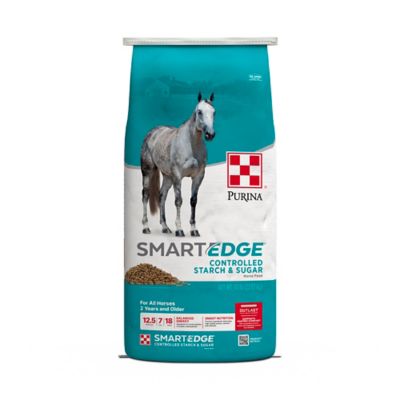
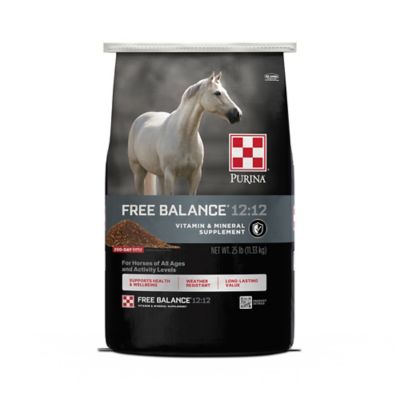
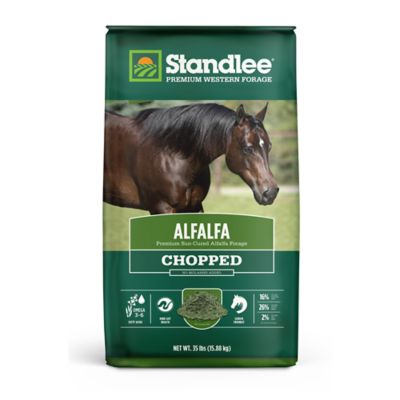
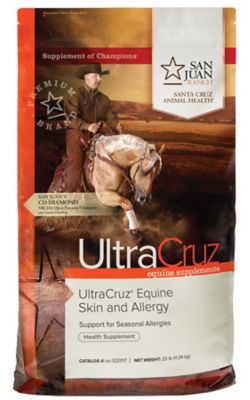
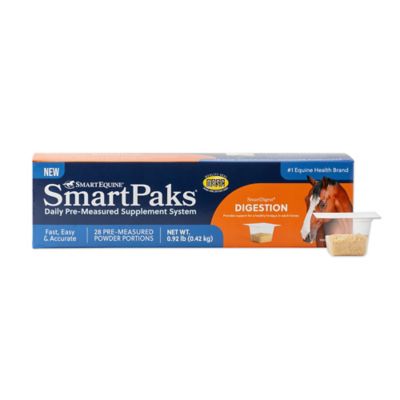
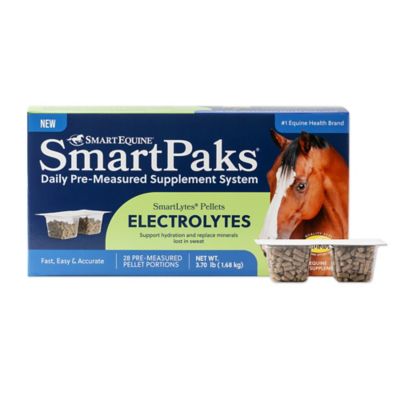
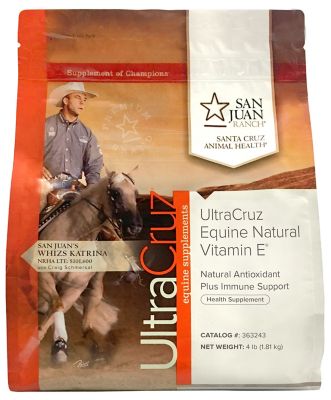
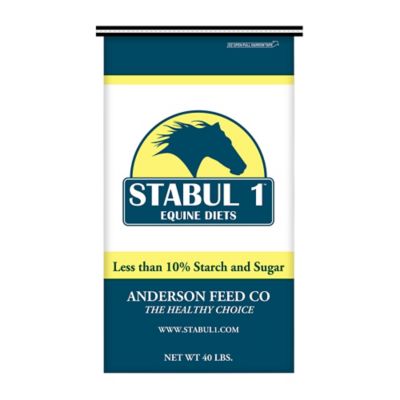
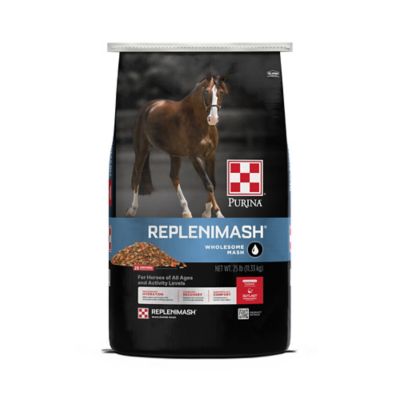
Choosing the right horse feed and supplements starts with looking at the whole diet, not just one bag or scoop. Good-quality forage, clean water, salt and a properly balanced ration form the foundation for most horses, while feed and supplements can help fill specific nutritional gaps. A pleasure horse grazing a few hours a day may have different needs than a growing youngster, a broodmare, a senior horse or one working hard in the arena. Body condition, age, workload, hay quality, pasture access and any known sensitivities all matter. Some horses do well on a forage-first diet with a ration balancer, while others need additional calories from fiber, fat or a complete feed to maintain weight and energy. If you are comparing options, check the guaranteed analysis, feeding directions and ingredient list, and measure feed by weight when possible rather than relying only on a scoop. A small difference in daily portions can add up over time. Fresh water should always be available, especially during warm weather, travel or exercise, and any change in feed should be made gradually over several days so the digestive system has time to adjust. For horses that need more than hay alone, a balanced
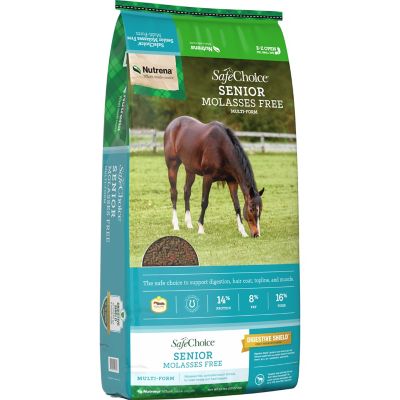
Complete Horse Feed may provide a convenient source of essential nutrients when fed according to the label. It is also wise to work with a veterinarian or equine nutrition professional when a horse is underweight, gaining too much weight, recovering from illness or showing ongoing changes in appetite, manure, coat or behavior.
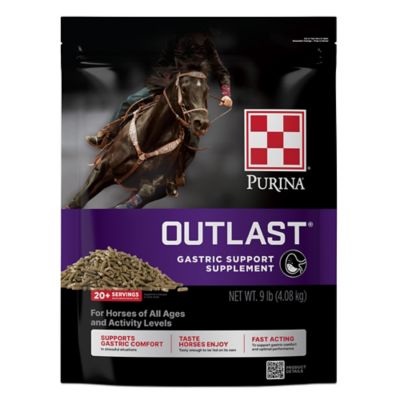
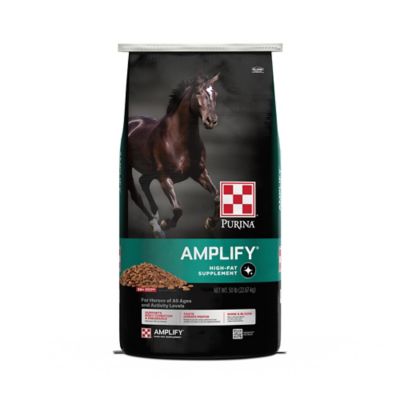
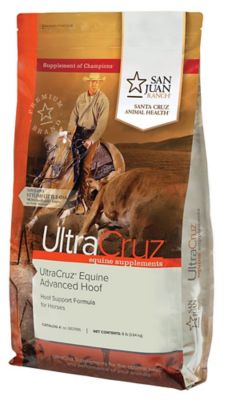
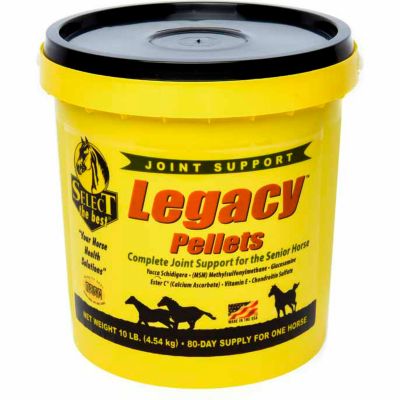
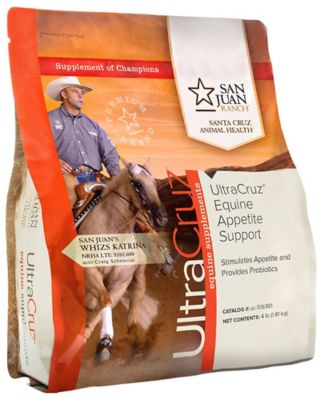
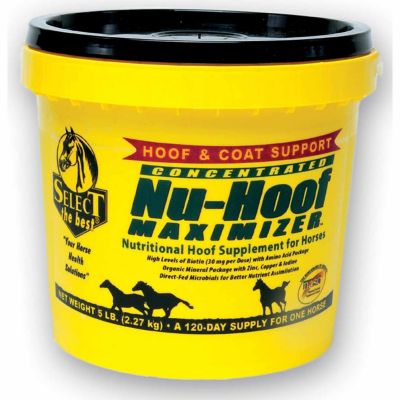
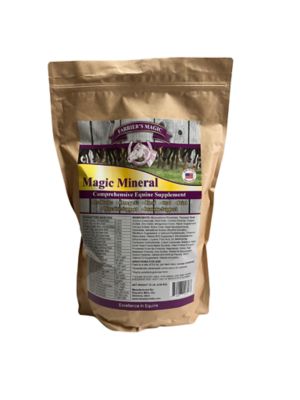
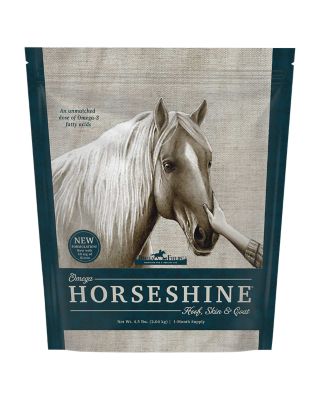
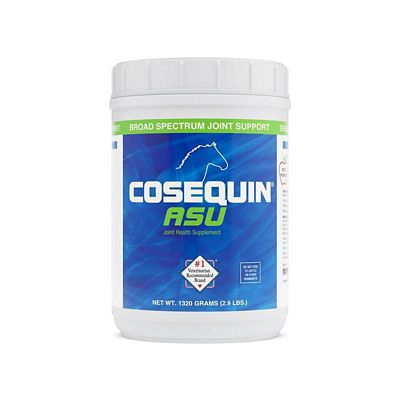
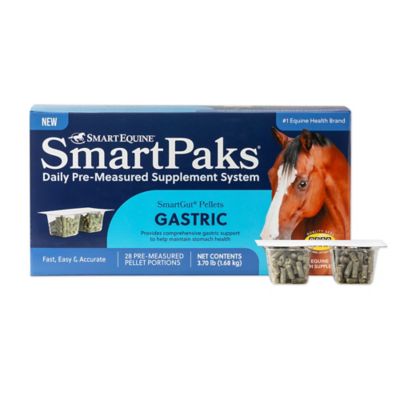
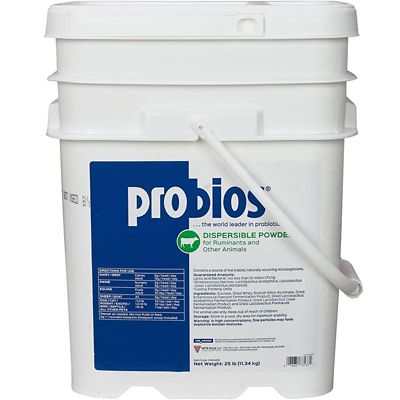
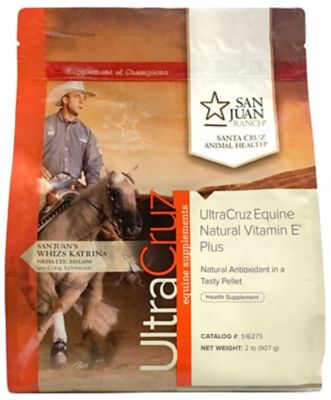
Horse supplements are often chosen to support a particular need, and the best fit depends on the horse rather than the fanciest ingredient list. Joint formulas commonly include ingredients such as glucosamine, chondroitin or MSM and are used by owners caring for aging horses, hard-working horses or animals that seem stiff after standing or exercise. Digestive supplements may contain probiotics, prebiotics, yeast cultures or other ingredients intended to support a healthy gut environment, which can be useful during feed changes, travel, training or other disruptions to a horse’s routine. Hoof and coat formulas often provide biotin, zinc, copper, methionine or other nutrients associated with hoof growth, skin condition and a healthy-looking coat. A horse with a dull coat or brittle, slow-growing hooves may benefit from a closer look at the complete diet, since supplements work best when they complement—not replace—a sound nutritional program. Horses that need help holding weight may do better with added calories from fat or highly digestible fiber, while performance and muscle support may involve amino acids such as lysine, along with enough total calories and quality protein. Calming formulas sometimes include magnesium, B vitamins or herbal ingredients, but they should not be treated as a substitute for safe handling, consistent training, turnout and veterinary care. Read the label carefully for serving size, active ingredients, feeding restrictions and whether the supplement is intended for daily use. Avoid stacking several products with overlapping nutrients, since more is not always better and excess minerals can interfere with the absorption of other nutrients. For horses competing under association rules, check every ingredient against current medication and prohibited-substance guidelines before feeding.
The changing seasons can also shape a horse’s feed and supplement routine. As the weather warms, pasture growth, sweat loss and increased insect activity may change water intake, salt needs and calorie requirements. During the cooler months, horses may spend more time indoors, move less or burn extra energy staying warm, while older horses with worn teeth may need feed that is easier to chew and digest. Hay testing can offer useful insight when a horse’s condition does not match the amount being fed, and a simple body-condition check can help track progress around the ribs, topline, hips and tailhead. Keep feed and supplements in a dry, secure place away from moisture, pests and curious noses, and use a clean scoop for each product to prevent cross-contamination. A small notebook or phone record can make it easier to track what each horse receives, along with changes in weight, manure, hoof growth, coat shine, attitude and performance. These products can also make thoughtful gifts for a horse owner, barn manager or young rider, especially when you know the horse’s routine and choose practical nutrition support rather than guessing at a specialized need. A gift card or a conversation with the recipient may be the safest choice when a horse has allergies, dietary restrictions or a carefully managed feeding plan. Whether you are stocking the tack room, preparing for trail rides, supporting an older companion or keeping a hard-working horse in good condition, use supplements with a clear purpose and follow the feeding directions closely. A steady routine, plenty of forage, regular dental and veterinary care, and attentive daily observation go a long way toward helping horses stay comfortable, sound and ready for the work and companionship they enjoy.