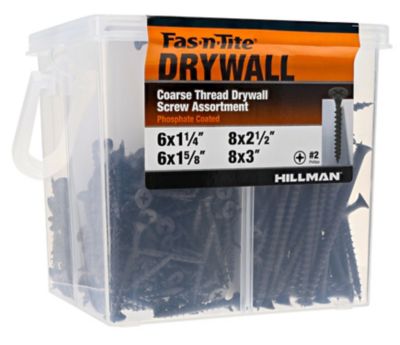
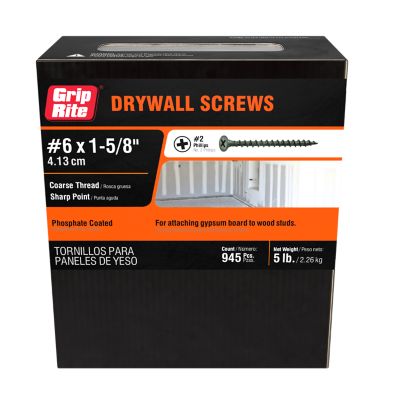
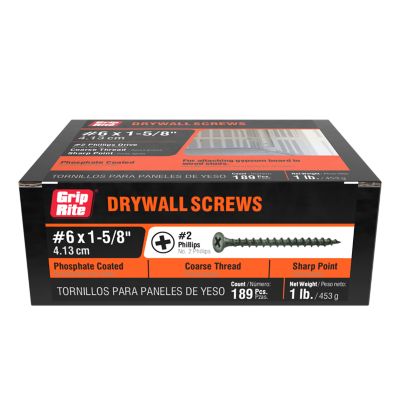
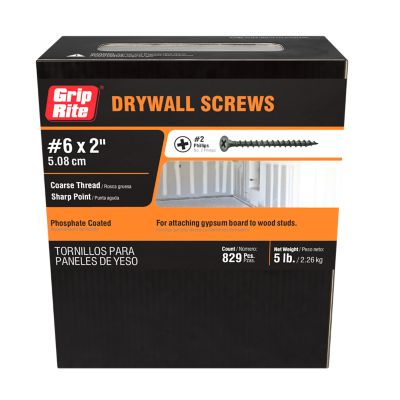
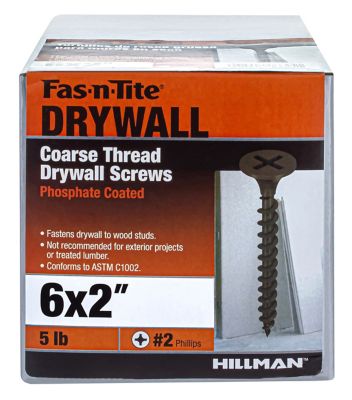
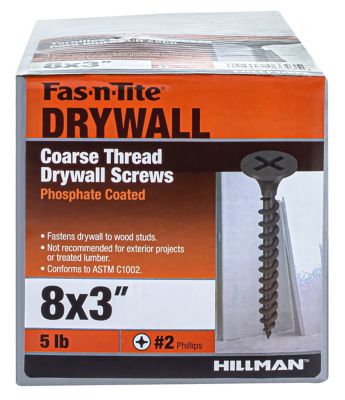
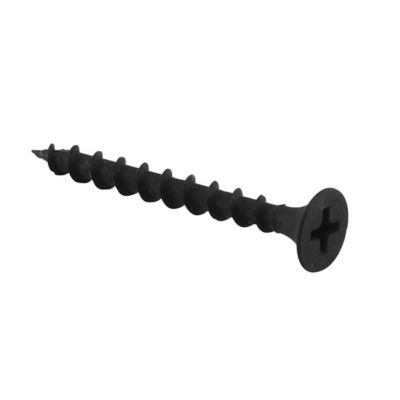
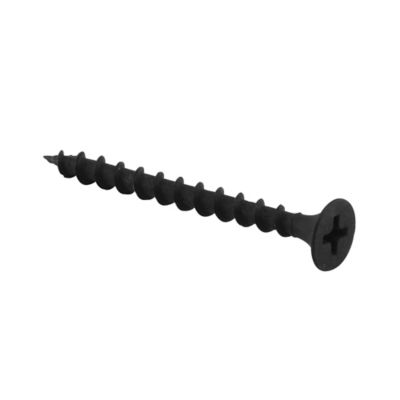
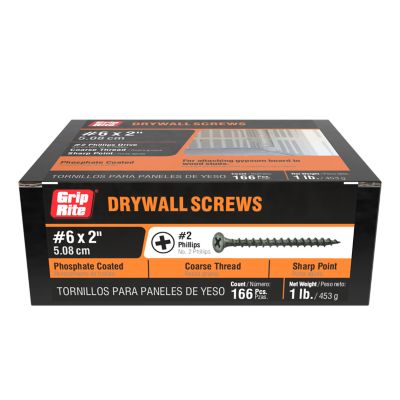
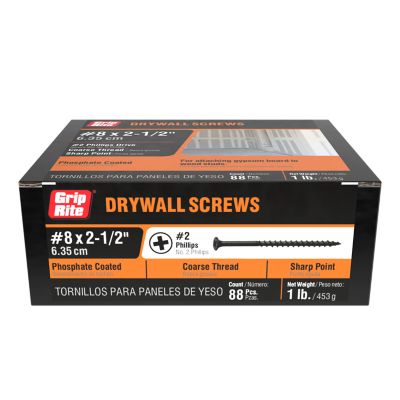
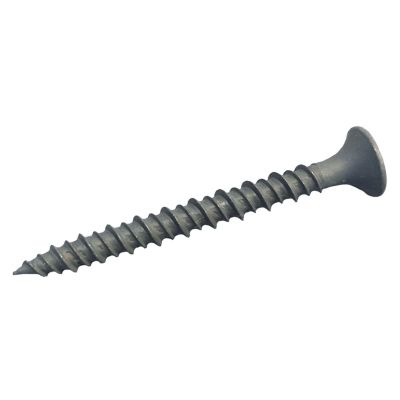
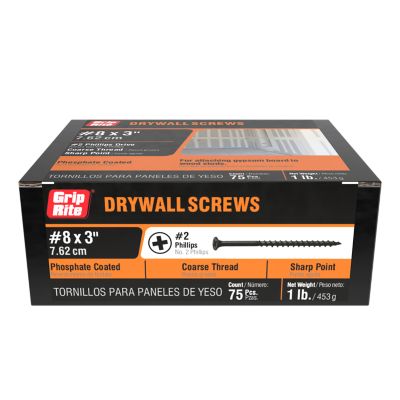
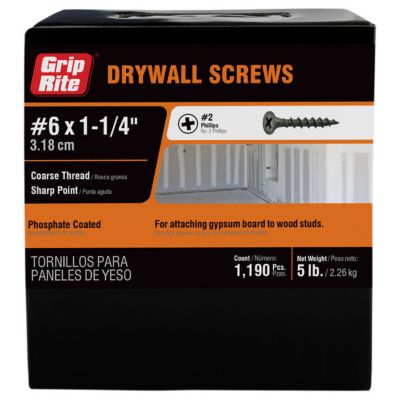
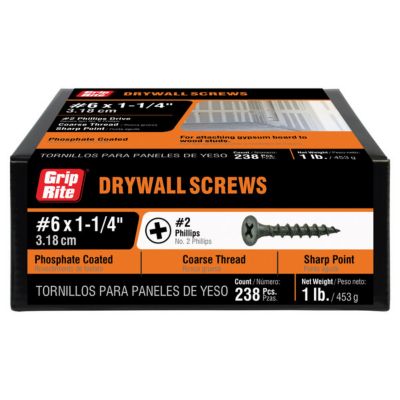
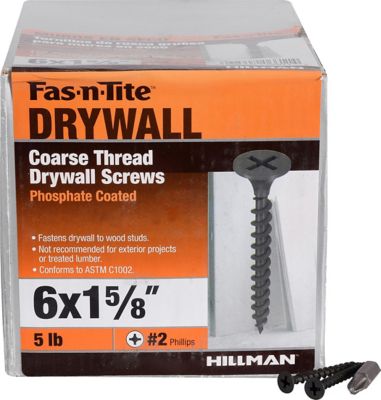
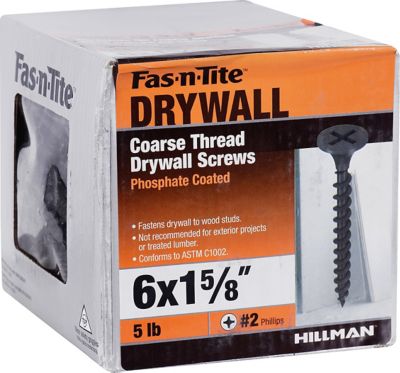
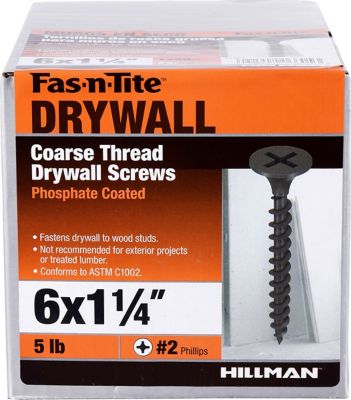
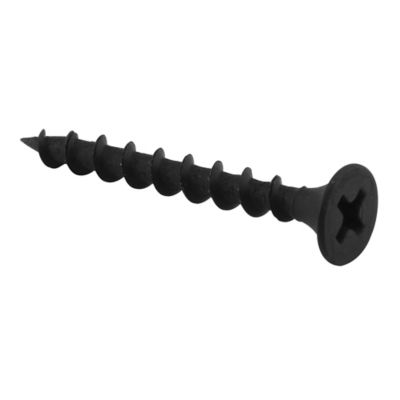
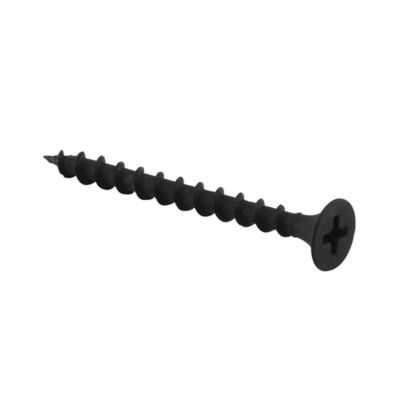
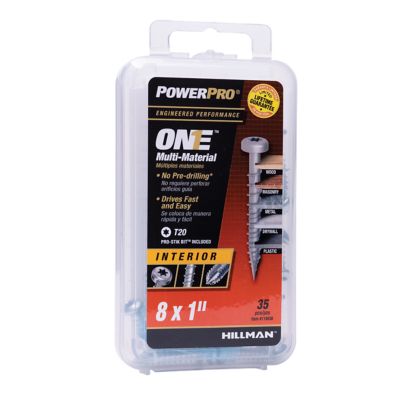
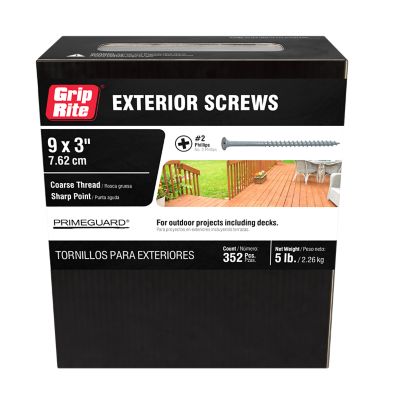
Coarse thread drywall screws are a practical choice when drywall panels are being fastened to wood framing. Their wide-spaced ridges bite into the wood fibers of studs, helping pull the panel snug against the framing as the screw is driven. That makes them a go-to option for finishing interior walls, ceilings, repairs, additions, and outbuildings with wood-stud construction. They are often selected by contractors, remodelers, maintenance crews, property owners, and folks handling room updates around the house or farm. If a spare room is becoming a workshop, a damaged wall needs attention, or a new partition is going up in a shed or shop, having the right fasteners close at hand can keep the work moving. Coarse threads are intended for wood studs, not metal framing. For projects involving metal studs, browse
Screws for Drywall to Metal Studs to find a fastening option suited to that material. Choosing the correct screw begins with checking both the framing and the drywall thickness. Standard 1/2-inch drywall commonly pairs with screws around 1-1/4 inches long, while thicker panels or layered boards may call for 1-5/8-inch or 2-inch lengths. The screw should pass through the drywall and sink far enough into the wood to hold firmly without reaching so deep that it risks contacting wiring, plumbing, or other material behind the wall. Project conditions vary, so check the panel instructions, local building requirements, and the fastener maker’s recommendations before getting started. A simple measurement of the board thickness and a look at the stud material can prevent a frustrating trip back to the store.
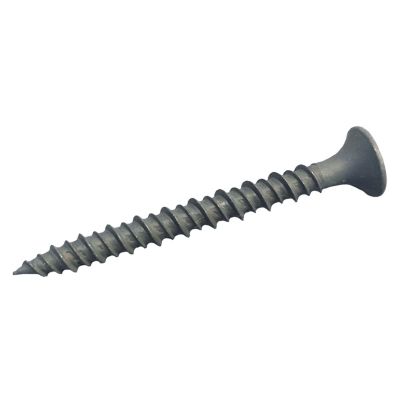
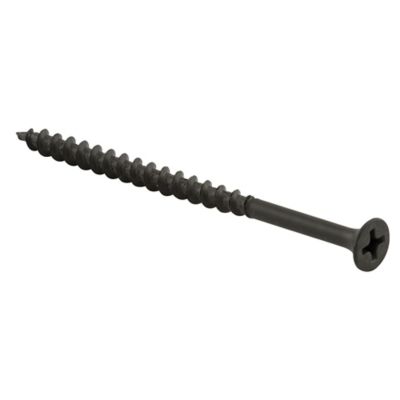
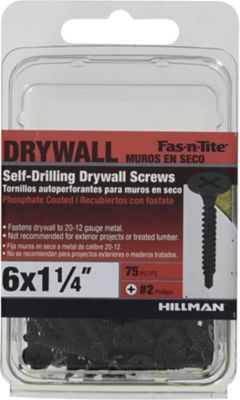
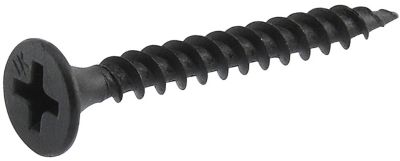
The shape of the head matters just as much as the thread pattern. Most drywall screws have a bugle-shaped head that spreads pressure across the paper face and helps the head settle slightly below the surface without tearing through the drywall. That shallow recess leaves room for joint compound, often called drywall mud, to cover the fastener and leave a smooth surface for sanding and paint. Drive each screw until the head dimples the paper without breaking it; a torn face can reduce holding power and may show through the finished wall. A screw gun or drill with an adjustable clutch can make it easier to keep the depth consistent, while a driver bit that fits the recess helps reduce slipping and damaged heads. Black phosphate coating is common on drywall screws because it provides a low-friction surface for driving and a textured finish that accepts joint compound well. It also offers basic protection against indoor rust, though these fasteners are generally intended for dry interior spaces rather than damp barns, exterior siding, wet rooms, or locations exposed to weather. Keep the box in a dry place, and match the fastener to the setting instead of relying on a drywall screw for jobs involving treated lumber, masonry, metal, or outdoor moisture. When the cooler months bring more time indoors, these screws can be handy for finishing a mudroom, lining a garage wall, repairing a spare bedroom, or completing work in a heated shop. They also make a sensible addition to a household repair tote or a new homeowner’s tool chest, especially when paired with a driver, measuring tape, utility knife, and sanding block. Before buying, compare the length, thread style, head shape, coating, package count, and intended framing material. A little planning at the counter or workbench helps ensure the fasteners match the board and the job, whether the project is a small patch near a door or a full wall installation from floor to ceiling.