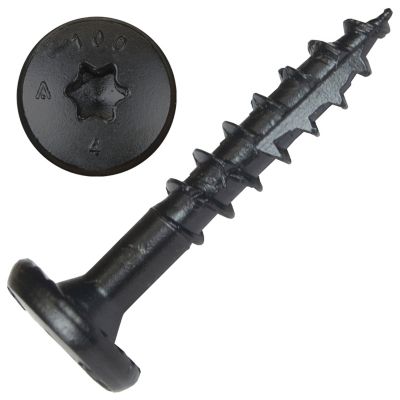
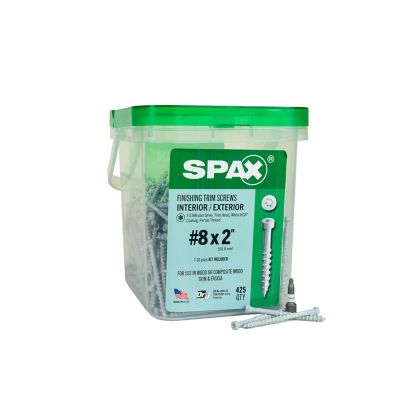
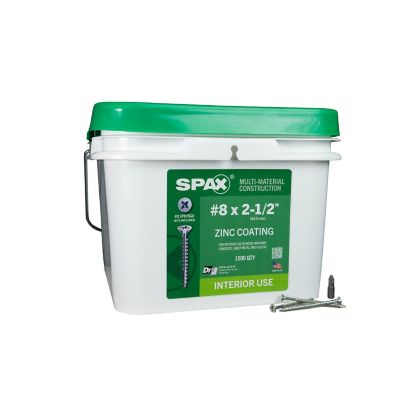
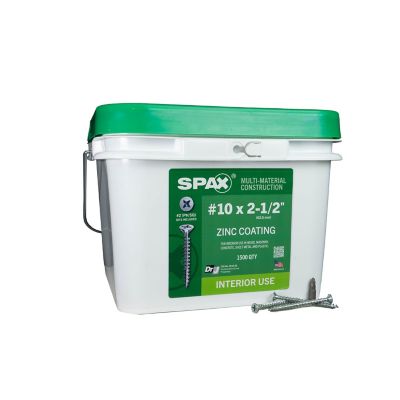
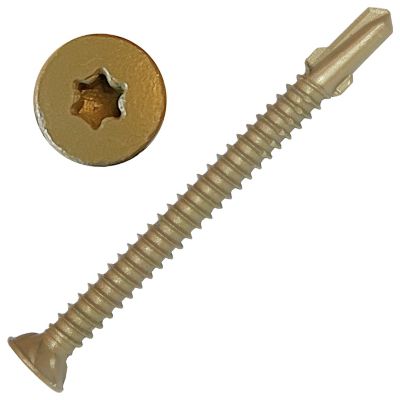
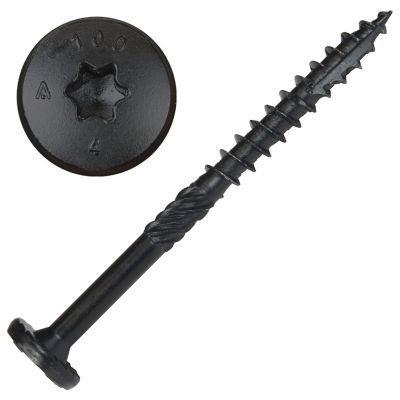
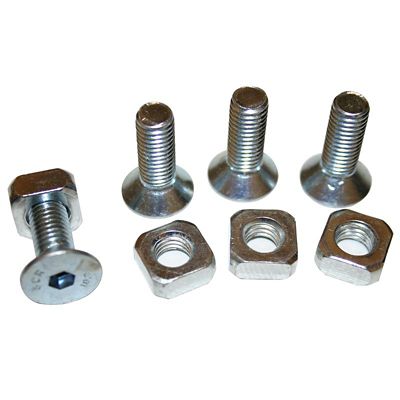
Countersunk fasteners are made for jobs where a smooth, clean surface matters. Their tapered underside allows the head to settle into a prepared recess so it sits flush with, or slightly below, the surrounding material instead of sticking up where it can catch clothing, scrape equipment, or leave a rough edge. This simple design comes in handy around the farm, workshop, garage, and house. Countersunk screws can help secure cabinet hinges, trim, handles, signs, hardware, furniture parts, decking components, and other materials where a low-profile finish is important. They are also used for fastening panels, brackets, equipment housings, and other assemblies that need to come together without a raised fastener getting in the way. Flat-head styles are a common choice for general woodworking and mechanical work, while oval-head styles leave a gently rounded top that sits just above the surface for a more finished appearance. Bugle-head designs spread pressure over a wider area and are often selected for drywall and other materials that can tear or crush under a sharp, narrow head. The right fastener depends on more than the head shape. Start with the material being joined, such as wood, sheet metal, drywall, plastic, or a combination of materials. Fastener length should provide enough bite in the receiving material without poking through the other side, and the diameter should offer dependable holding power without splitting wood or distorting a thin panel. A coarse thread generally grabs well in wood and softer materials, while a finer thread can be useful in metal or denser materials when matched with the proper hole and fastening method. Pay attention to the fastener’s material and finish, too. Plain steel can be suitable for many indoor projects, while coated or corrosion-resistant options are better suited to damp areas, barns, sheds, utility rooms, and outdoor work exposed to changing weather. For projects near livestock areas, garden beds, gates, or equipment wash-down zones, choosing a finish made to handle moisture can help the assembly hold up through wet conditions and cooler weather.
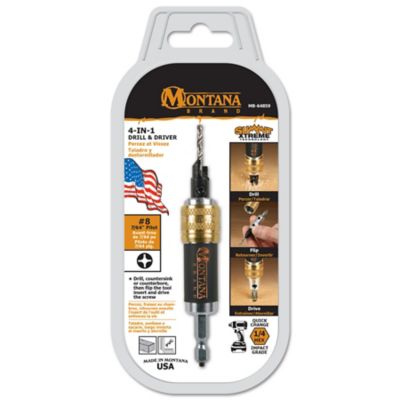
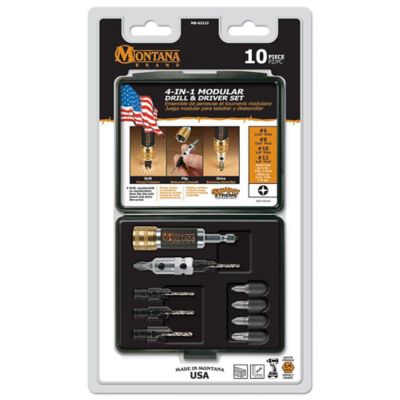
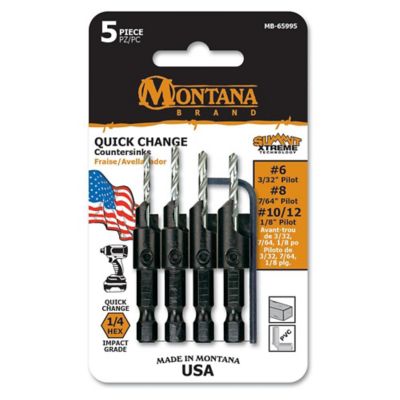
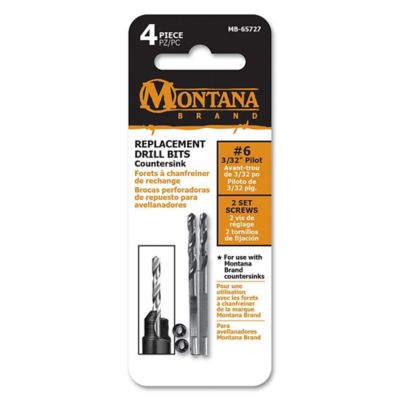
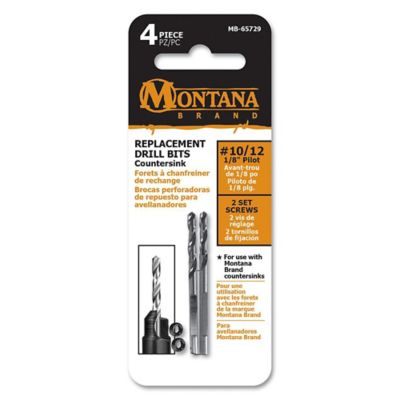
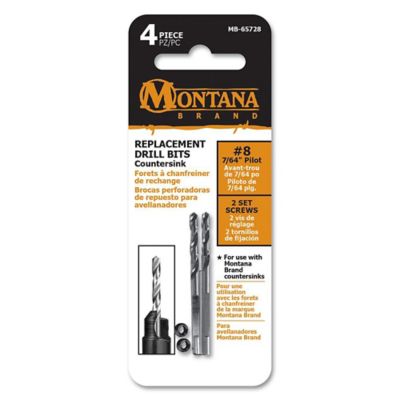
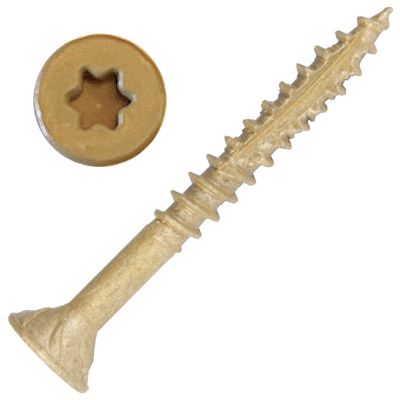
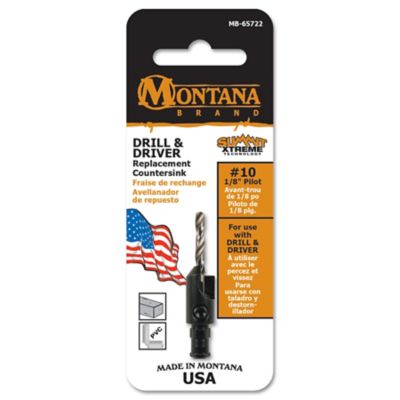
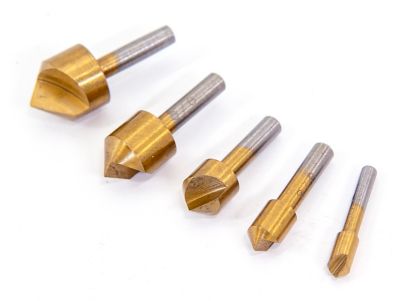
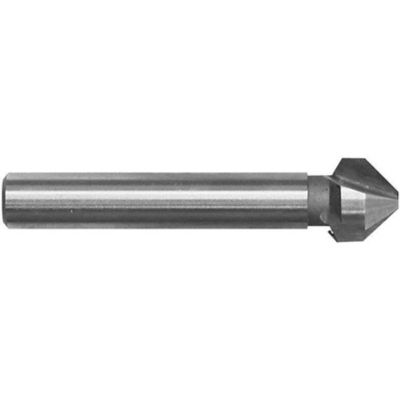
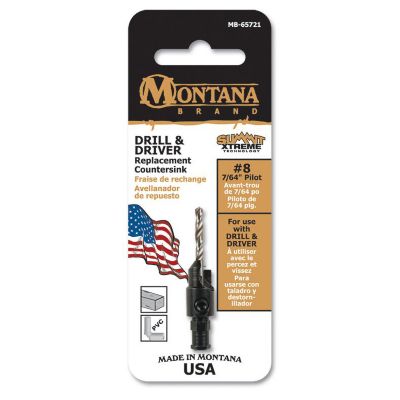
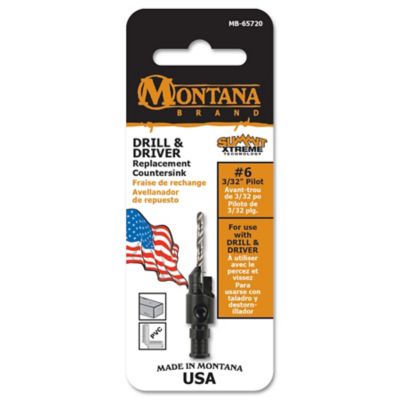
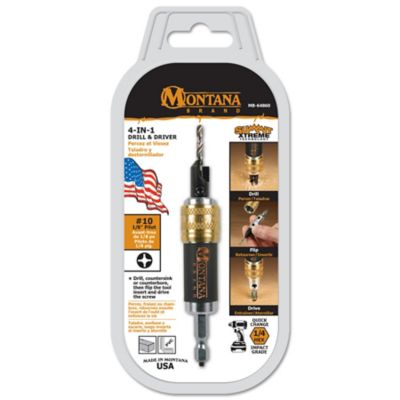
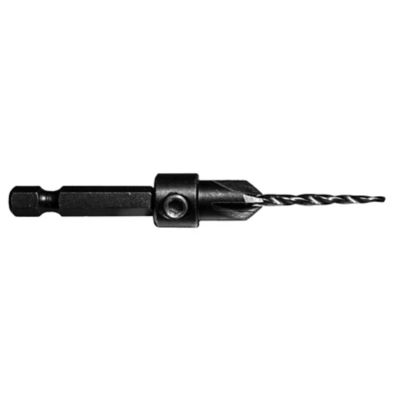
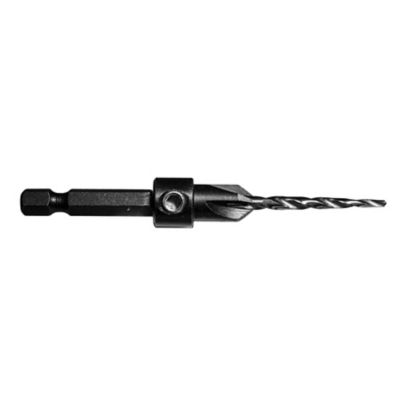
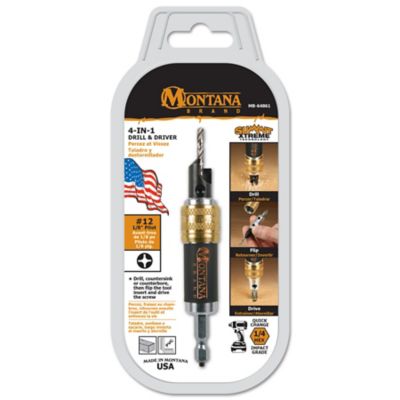
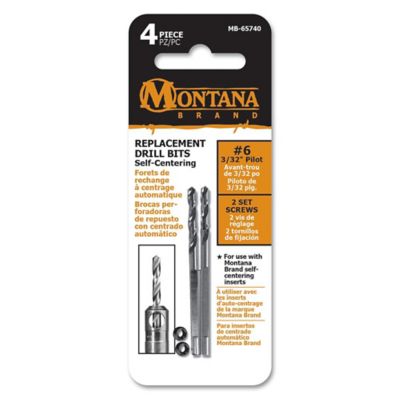
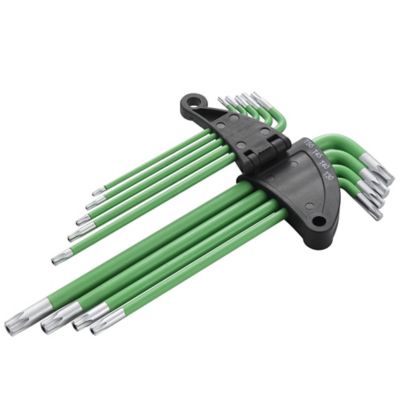
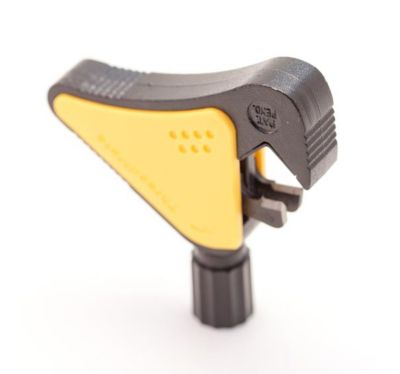
A countersunk fastener works best when the hole is prepared to match its tapered underside. A standard pilot hole helps guide the fastener and lowers the chance of splitting wood, while a countersink bit or angle cutter creates the conical recess that lets the head drop into place. The angle matters because the recess and fastener should meet evenly; common countersunk angles include 82 and 90 degrees, so matching the tool to the fastener helps prevent a proud head or a loose-looking fit. Test the setup on a scrap piece when the finish will be visible, especially with cabinet work, furniture repairs, hardwood, painted boards, or thin metal. Drive the fastener straight and stop when the head reaches the intended depth. Overdriving can strip the drive recess, crush the surrounding material, or leave a pocket that collects water and dirt. A hand driver gives useful control on delicate work, while a drill or impact driver can speed up larger jobs when the torque is set carefully and the bit fits the drive style. Phillips drives are familiar for everyday repairs, while star-shaped drives such as
Torx Fasteners can provide solid bit engagement and help reduce slipping during installation. Hex socket drives are another option for certain machinery and hardware assemblies where a compact, controlled drive is preferred. Keep the bit seated firmly, clear away sawdust or metal shavings, and replace worn bits before they begin to cam out. For outdoor repairs, countersunk fasteners can help keep a surface free of snagging points along steps, ramps, walkways, gates, and work platforms, though the fastener must still be sized for the load and installed into sound material. In woodworking, they make it easier to fill the recess with a plug or filler for a nearly hidden finish. In metal projects, a matching countersunk hole may be machined or drilled so a panel can lie flat against another part. In drywall, the correct bugle-style fastener and a light touch help secure the panel without breaking the paper face. Whether you are replacing a loose hinge, building shop storage, repairing a fence fixture, or putting the finishing touches on a furniture project, sorting fasteners by size, thread, drive, head style, and finish before starting saves time once the toolbox is open and the job is underway. A small organizer, a sharp driver bit, and a countersink tool close at hand can make a noticeable difference when cooler weather sends more repair work indoors or when a busy property needs quick, dependable maintenance.