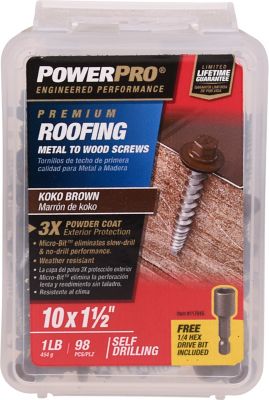
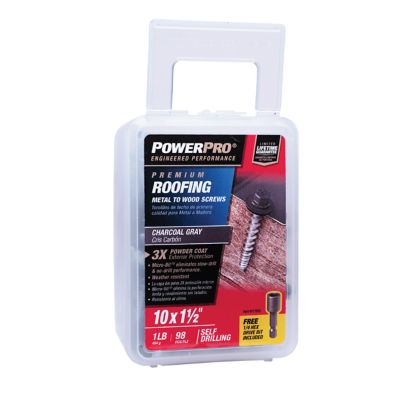
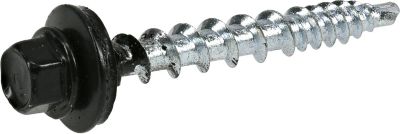
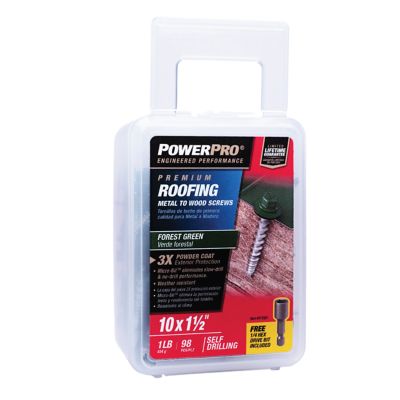
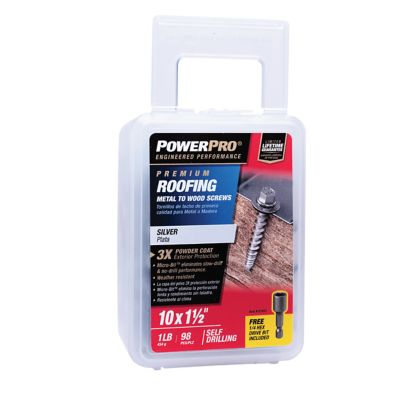
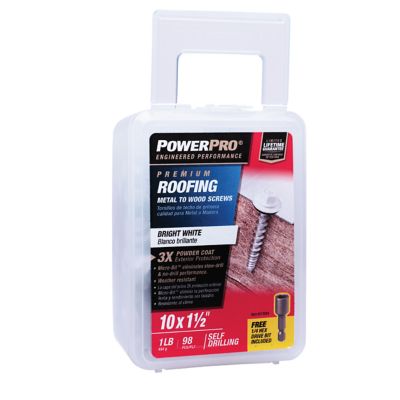
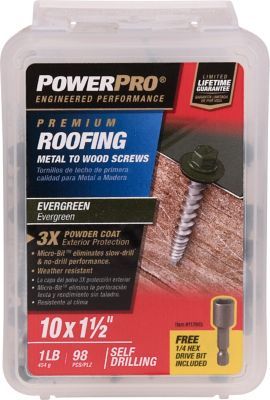
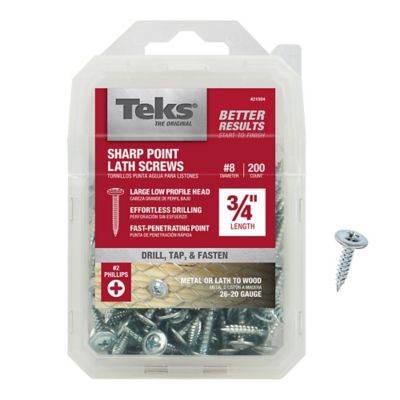
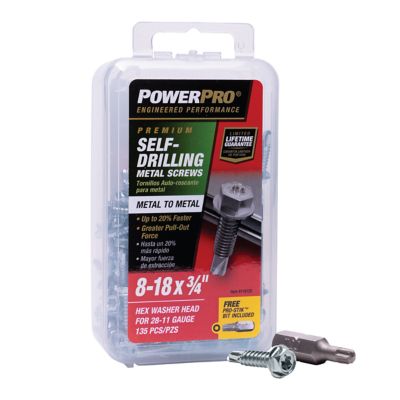
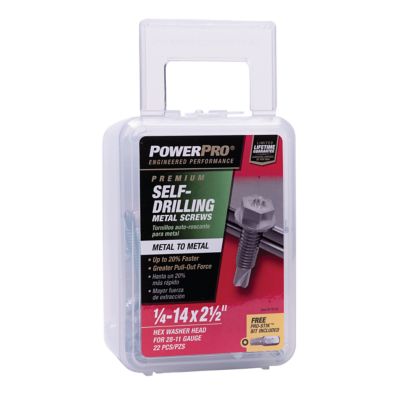
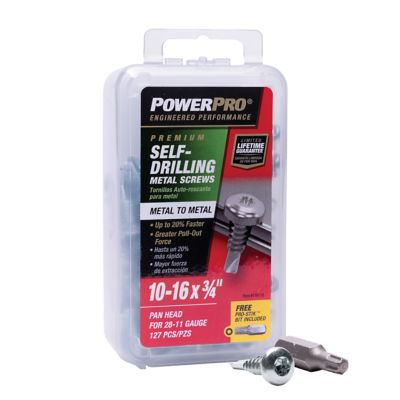
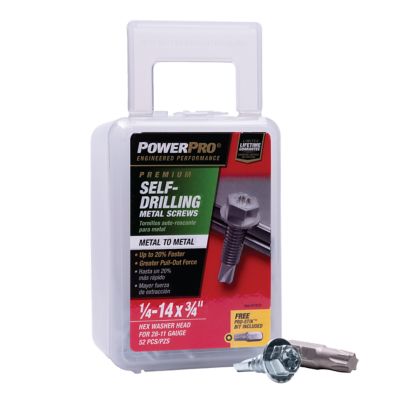
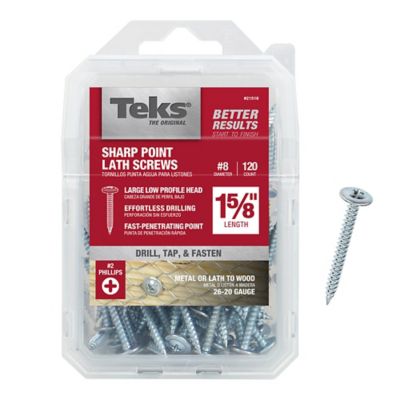
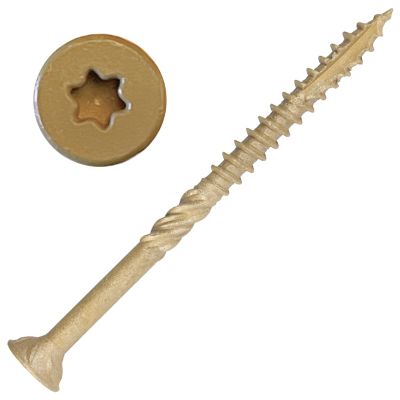
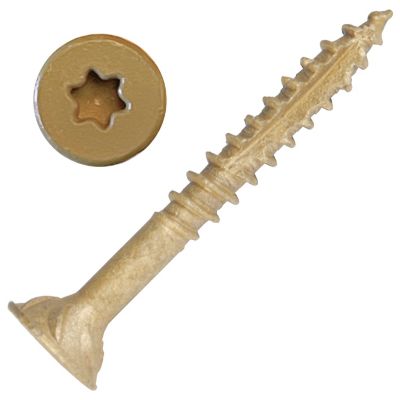
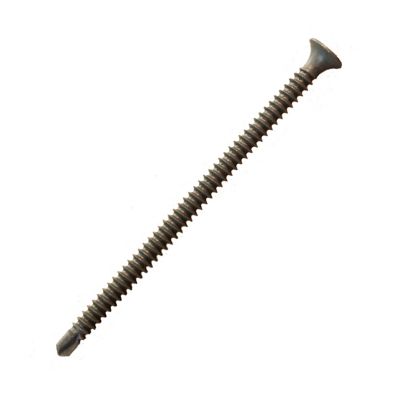
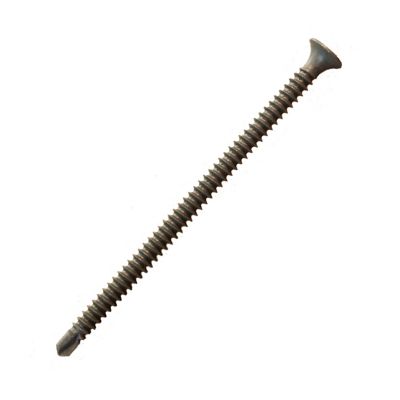
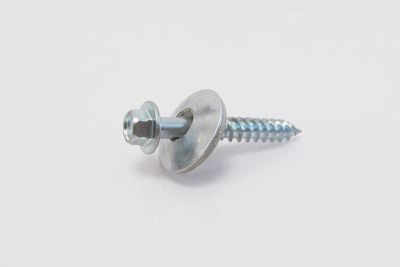
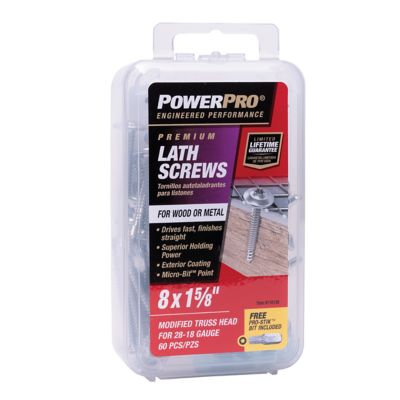
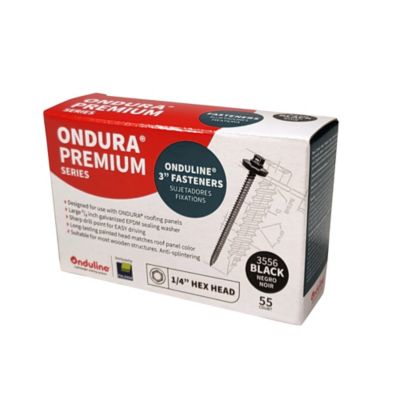
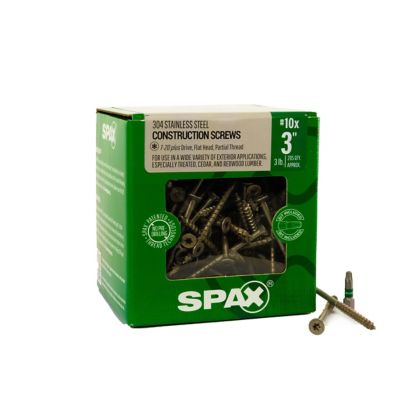
Self-drilling screws for roofing have an integrated drill-bit point that makes a hole in compatible metal, followed by threads that engage the supporting material and hold the roof panel in place. Within the fastener’s rated drilling capacity, that design combines drilling, threading, and fastening in one operation. These screws are commonly associated with metal roofing on barns, equipment sheds, workshops, garages, and agricultural buildings, where panels need a secure connection to the structure underneath. The right fit depends on more than the sheet metal on top: steel purlins, wood framing, and panel-to-panel connections can require different thread patterns, lengths, and points. A screw intended for steel framing is not automatically suited to fastening roofing to wood, and a short lap screw is not a substitute for a structural panel fastener. Unlike a self-tapping screw that may need a prepared hole, a self-drilling screw has a point designed to create its own opening in metal of a specified thickness. That distinction matters when comparing fasteners for a new machine shed roof or a repair over an existing work area. Material and finish matter, too. Roofing screws may have coated carbon steel bodies or stainless steel construction, with suitability depending on the roof panel, supporting material, and exposure conditions. Zinc-based coatings help protect steel against corrosion, while stainless steel options serve certain applications where corrosion resistance is especially important. Neither choice is a universal match for every roofing metal. Aluminum panels, treated lumber, and dissimilar metal connections deserve particular attention because material combinations can affect corrosion and service life. The panel maker’s requirements help narrow those choices without relying on appearance alone. For farmers, ranchers, contractors, and property owners handling outbuilding projects, a roofing screw is a small part with a big job: keeping the panel attached without damaging the sheet or compromising the fastening location. A good match brings the point, threads, protective finish, and roof assembly together, rather than treating every metal screw as interchangeable.
Fit starts with the materials the screw must pass through and the support it must engage. Screw diameter, thread pitch, length, and drill-point capacity all describe different parts of that fit. The drilling capacity refers to the metal thickness the point can penetrate, not simply how long the screw is. A longer fastener does not necessarily drill through heavier steel, and a larger diameter does not automatically make a connection suitable for greater loads. For metal-to-steel roofing connections, the point and threads need to match the supporting steel thickness. For metal-to-wood applications, the fastener must be specifically rated for that connection, with suitable threads and enough engagement in sound framing. Panel height, insulation, spacers, and other assembly layers can also affect the required length. A screw that looks long enough beside a loose panel may fall short once the full roof assembly is considered. Many exposed-fastener roofing screws have hex heads and sealing washers, often with an EPDM rubber component that seats against the panel around the penetration. The washer helps seal that location when the fastener is correctly matched and installed; it cannot make up for a misplaced hole, damaged panel, or unsuitable screw. Proper seating leaves the washer evenly compressed without crushing it or distorting the metal beneath it. A compatible driver helps keep the head engaged cleanly, while appropriate driving speed and torque help protect the screw, washer, and panel. Painted heads can blend with a roof’s finish, but color comes after connection requirements. The fastening pattern matters just as much as appearance. Panel profiles differ, and screw placement at a rib or flat area must follow the roofing manufacturer’s specifications rather than a neighbor’s preference. Edge locations, overlaps, and attachment spacing can have separate requirements. On an open-sided equipment shelter or a long barn roof, those details belong to the roof system’s fastening schedule, not a one-size-fits-all rule based on screw count alone.
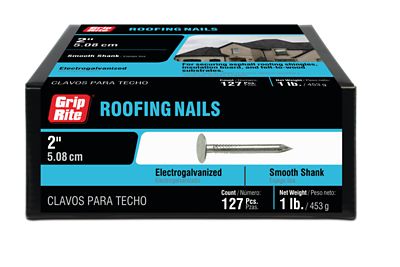
Long-term performance also depends on what happens around each fastener after installation. A sound screw connection starts with solid backing, an intact panel surface, and a sealing washer suited to the application. Loose framing, enlarged holes, or cracked washers can leave an attachment vulnerable even when the screw head still looks seated. On a repair job, matching the old screw by eye may miss a change in hole size or underlying damage. An approved repair fastener may be appropriate in some situations, while others call for panel or support repairs before fastening can provide the intended hold. Simply driving the same screw harder can strip the connection, squeeze out the sealing material, or dent the panel. Routine roof checks can reveal backed-out screws, corrosion, damaged coatings, or washers that have split or lost their seal. Any inspection or repair at roof height calls for proper access and fall protection; thin metal panels and unsupported sections are not safe walking surfaces just because fasteners are visible nearby. Before installation, keeping screws dry and protected from contamination helps preserve their finish and keeps dirt away from sealing components. After fastening, removing metal drill shavings from the panel helps prevent rust staining and damage to the surrounding finish. The right fastening family also depends on the roof covering itself. For assemblies that specify roofing nails,
Galvanized Steel Roofing Nails are a separate category to consider, not a direct replacement for screws specified for metal panels. Whether the project involves a livestock shelter, a detached garage, or a shed that houses tools and feed, the practical priorities stay the same: compatible materials, the correct connection type, proper seating, and attention to the roof maker’s requirements. Those details help the roof and its fasteners work together for the long haul.