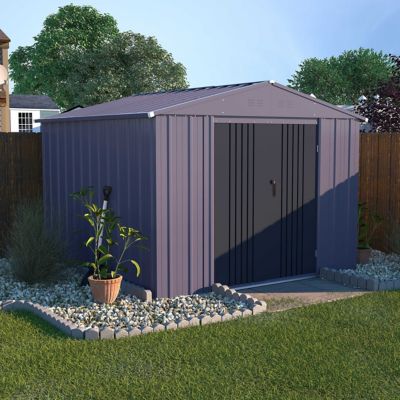
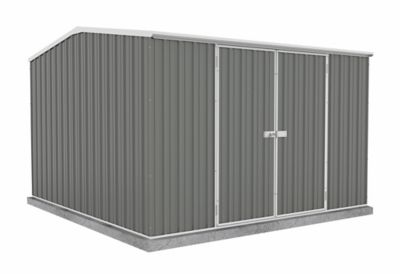
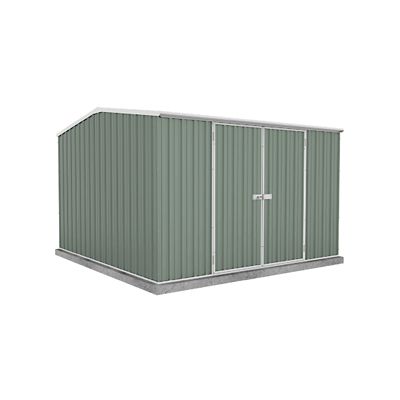
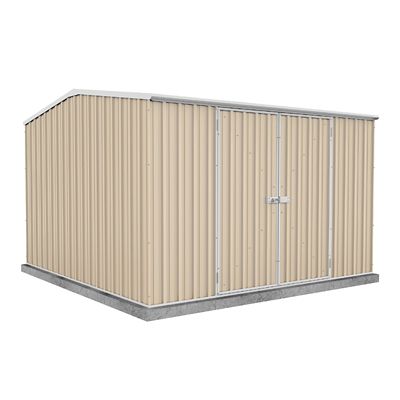
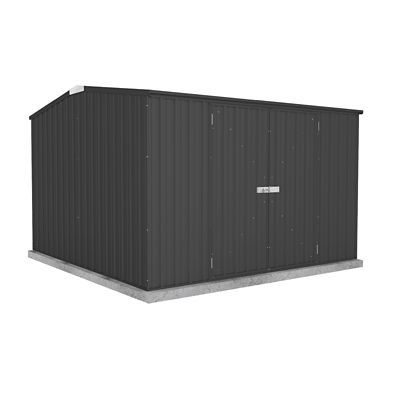
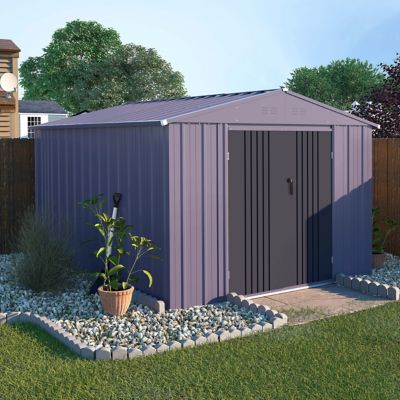
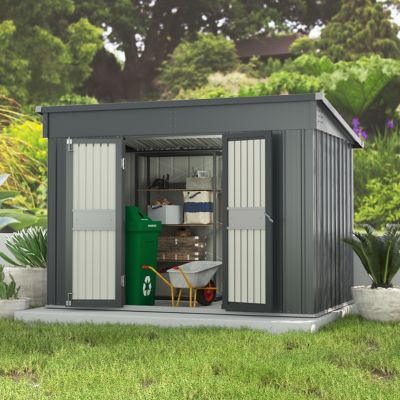
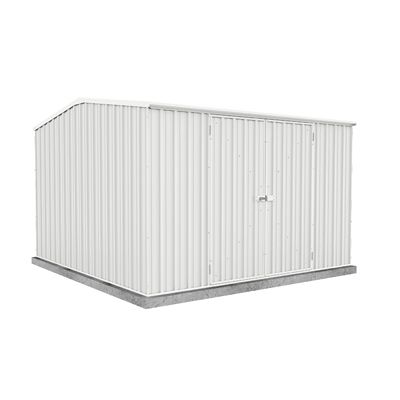
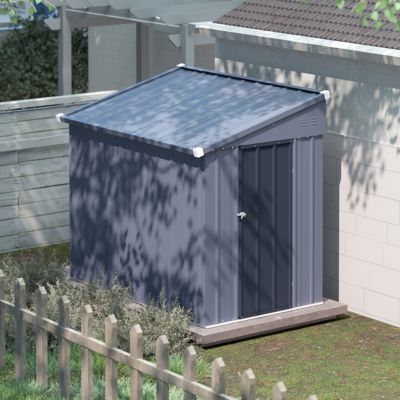
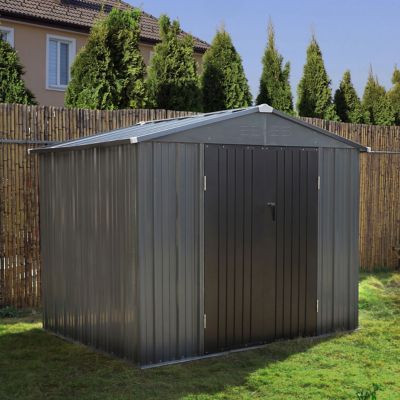
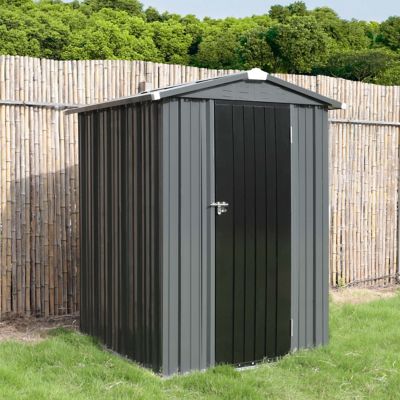
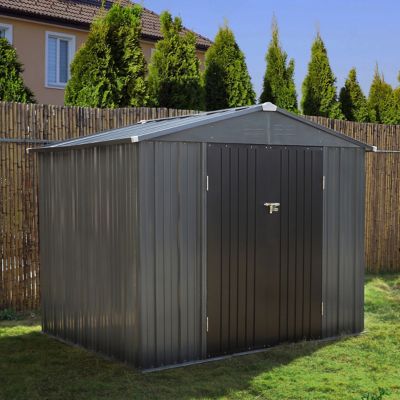
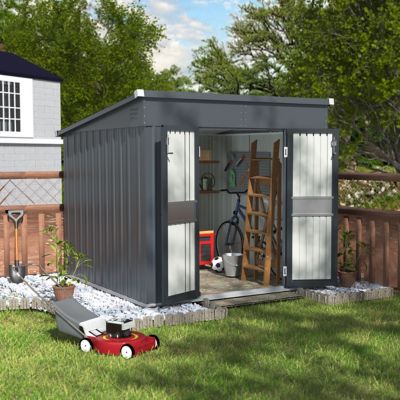
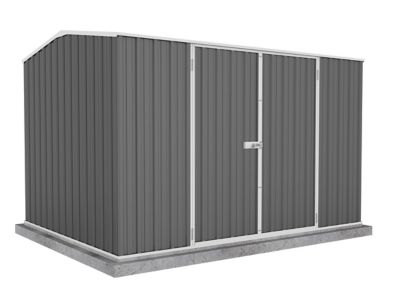
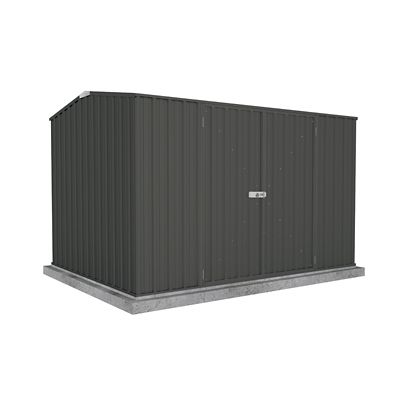
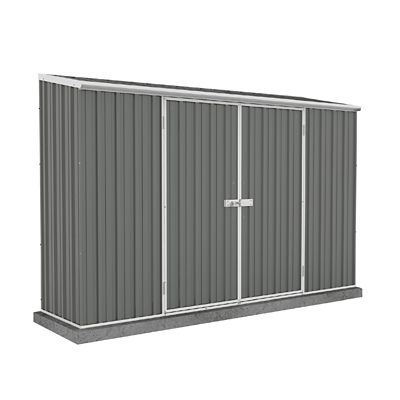
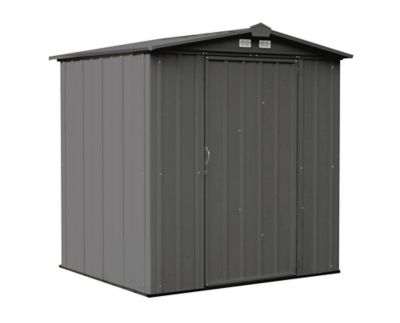
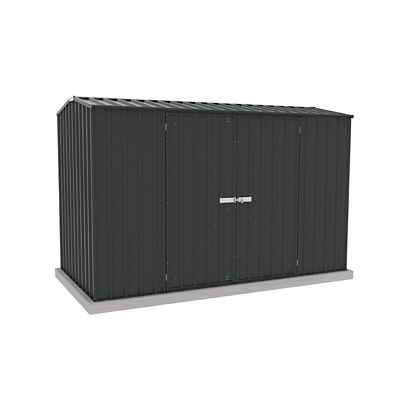
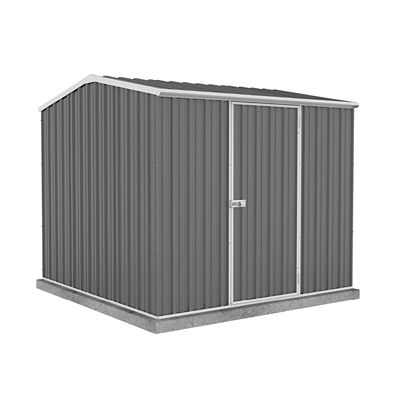
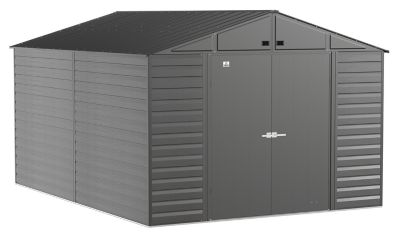
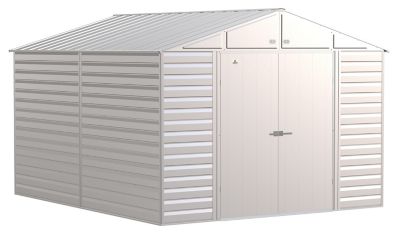
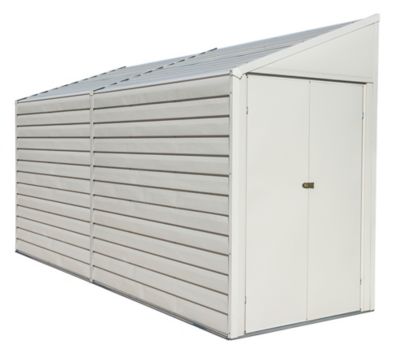
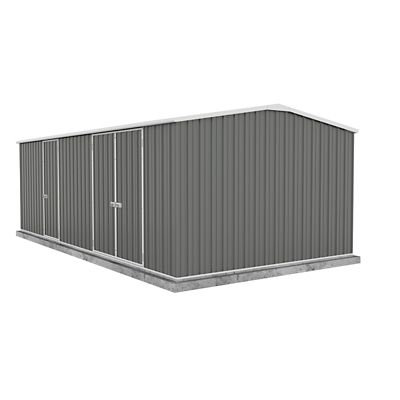
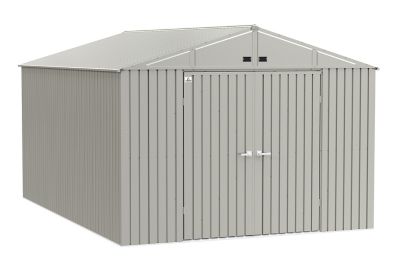
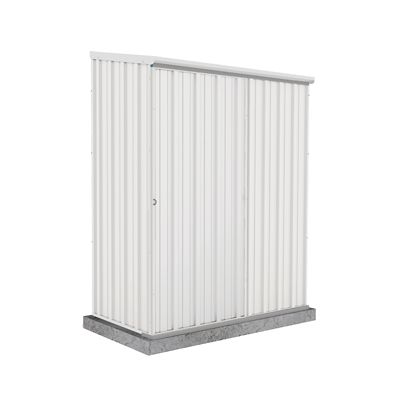
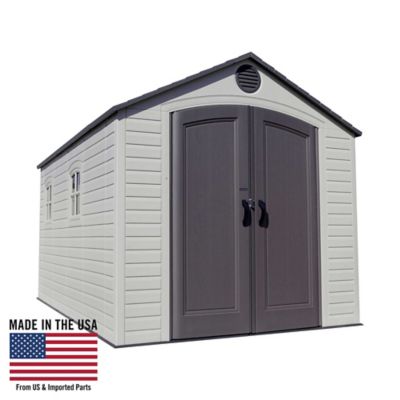
A steel shed gives the tools and supplies that keep a place running a home of their own, without taking over the garage or crowding the barn aisle. For a homeowner with a small yard, that might mean room for a mower, a wheelbarrow, and the rakes that otherwise lean against the porch. On acreage, it can mean keeping fencing tools, irrigation parts, buckets, and repair supplies close to the work. Steel storage buildings suit these everyday jobs because their panels form an enclosed space with relatively little upkeep compared with materials that need regular staining or sealing. Galvanized steel has a zinc coating that helps protect against rust, and painted finishes provide another barrier while giving the building a finished appearance. The details still matter: panel construction, framing, fasteners, and the protective finish all contribute to how well a shed holds up over time. Steel panels do not rot or provide food for termites, though wood flooring or other wood components require their own care. A shed’s dimensions also deserve a closer look than the footprint alone. Exterior measurements can include roof overhangs, while the interior floor area may be smaller than expected once the wall framing is accounted for. Roof shape affects both the building’s profile and the space overhead, and wall height determines how comfortably long-handled tools or shelving fit along the sides. On a narrow lot, a compact shed can tuck into a practical spot without swallowing the yard. Where there is more room, a larger footprint can separate equipment from smaller supplies and leave a clear path through the middle. The best fit is a building that matches the property and the work, with enough room to put things away without a wrestling match every time the door opens.
Access often makes the difference between a shed that works well and one that becomes a tight pile of equipment. A mower may fit inside the walls but still need a wider opening to pass through with its handle, chute, or attachments in place. Double doors can make that trip easier, while sliding doors avoid the clearance needed for a swinging door; the right choice depends on the approach and the space around the entrance. Door-opening measurements, threshold height, and the route from the driveway or work area all affect everyday use. A wheelbarrow full of fencing supplies needs room to turn, and a low cart rolls more smoothly when the transition at the doorway suits its wheels. Inside, a clear aisle keeps frequently reached-for gear within reach without moving three other things first. Shelving can gather small parts and garden supplies along one wall, while a separate floor area leaves space for equipment with a larger footprint. Not every steel wall panel can support hanging storage, so shelf brackets, hooks, and racks need an attachment method approved for the building’s framing. Freestanding shelves can be a practical alternative where wall loading is limited. Overhead room matters, too, especially for upright tool storage or shelves that rise above a mower’s handle. The
Tall Sheds category is worth a look when extra height is part of the storage plan, though wall height and doorway height should still be considered separately. A shed intended mainly for hand tools has different space needs than one holding a riding mower or a collection of irrigation fittings. Leaving room for those differences helps prevent blocked doors and awkward lifting. It also makes the building easier to share: one person can reach the shovel while another gets to the mower, without unloading half the shed onto the ground. For busy households and working properties alike, that straightforward access is a big part of the appeal.
The base beneath a steel shed is just as important as the walls around it. Depending on the building’s design, the floor may be included, supplied separately, or built as part of the site preparation. A level concrete slab or an approved framed platform can provide support, but the foundation must match the manufacturer’s requirements and the weight of the equipment going inside. Floor load limits matter when the plan includes heavy machinery, and a ramp needs to suit both that load and the doorway. Anchoring requirements, property setbacks, and local permit rules belong in the planning picture as well; a shed is easier to place correctly before the base is built than after the panels are assembled. Assembly needs vary with the building’s size and construction, and larger panels can call for more than one person to handle them safely. Once the shed is standing, ordinary care helps protect the finish and keeps the moving parts working smoothly. Dirt caught along the bottom edges can hold moisture against the metal, while scratches or exposed edges may need attention according to the finish manufacturer’s directions. Hinges, rollers, latches, and fasteners benefit from occasional checks, especially when doors get frequent use. Ventilation is another useful consideration for enclosed storage, since trapped moisture can affect metal tools and other belongings even when the building itself needs little attention. A lockable door adds a layer of security, but latch construction, anchoring, and placement on the property also matter; no storage building makes theft impossible. Keeping the approach clear and the doorway easy to reach makes routine chores simpler, whether the shed sits beside a workshop or near a garden plot. With the right footprint, a sound base, and an interior arranged around the jobs at hand, a steel shed can take everyday clutter out of the way and put working gear where it belongs.