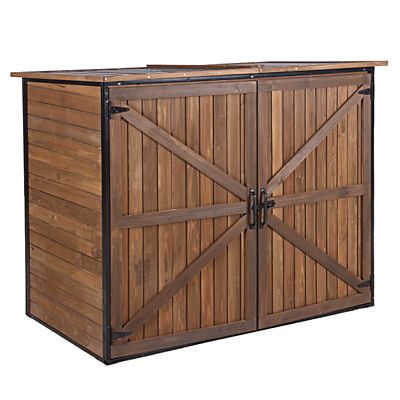
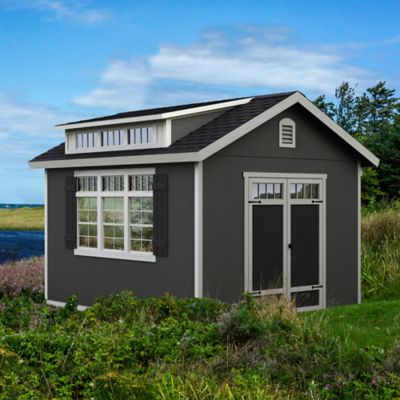
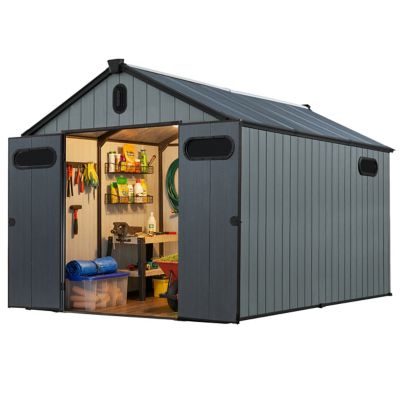
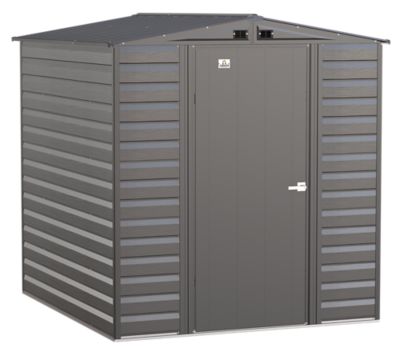
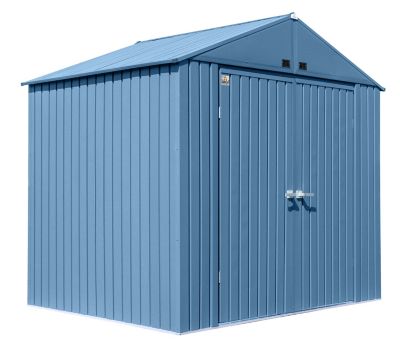
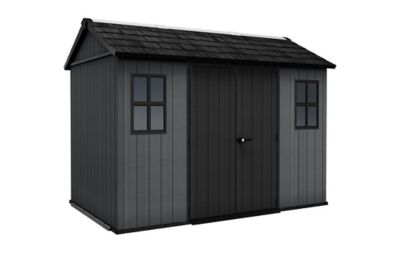
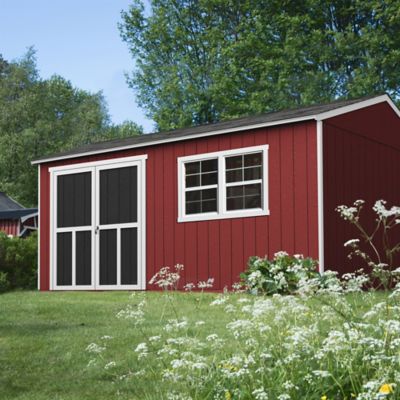
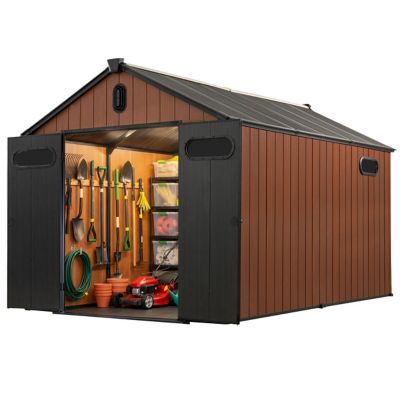
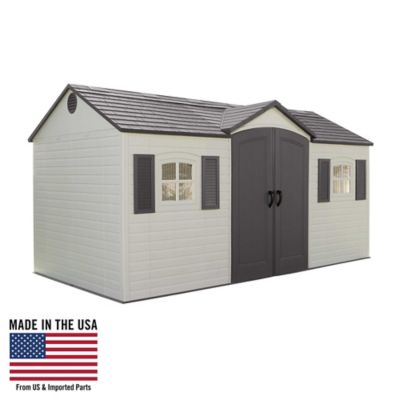
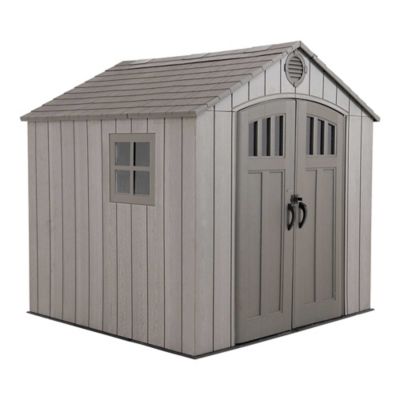
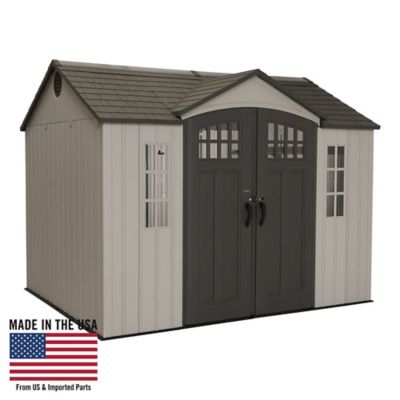
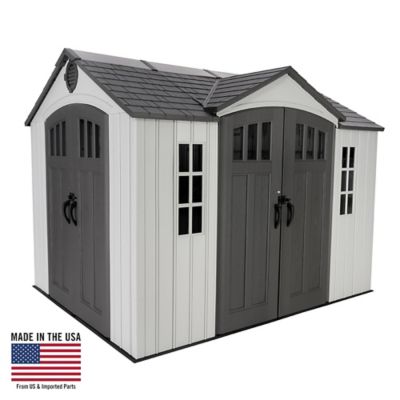
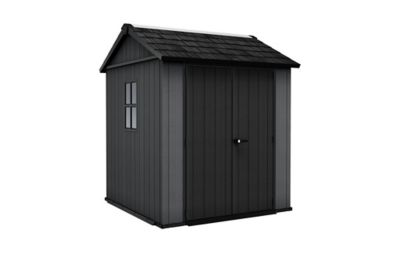
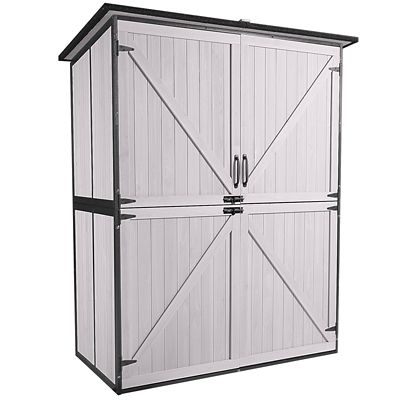
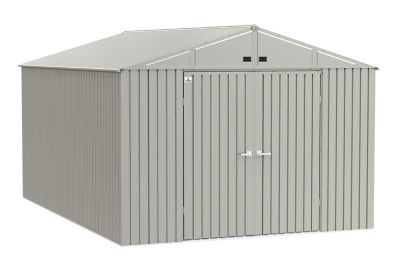
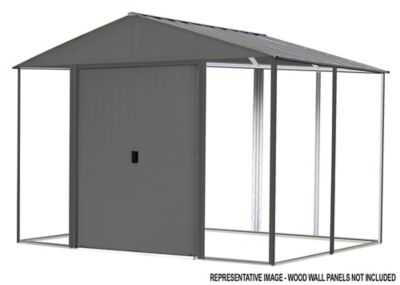
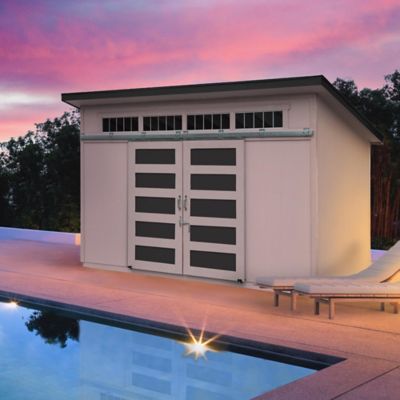
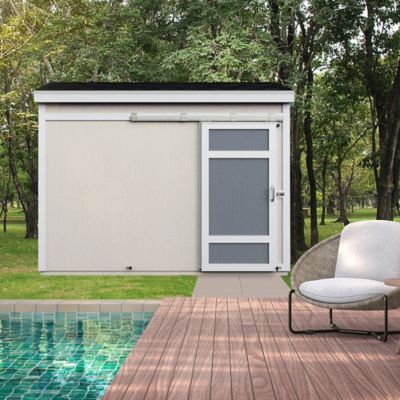
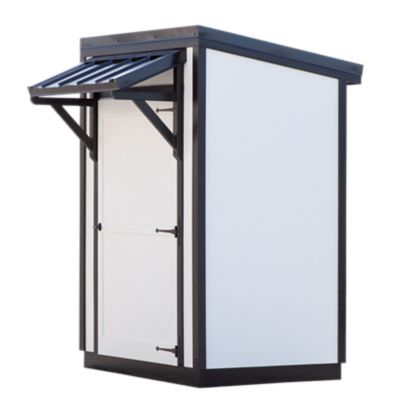
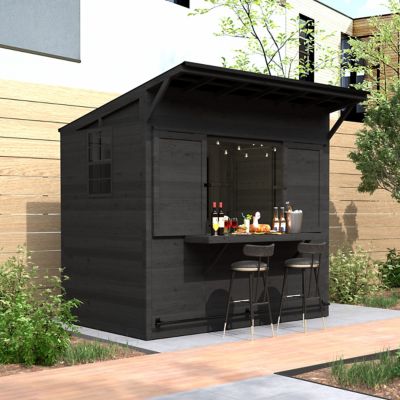
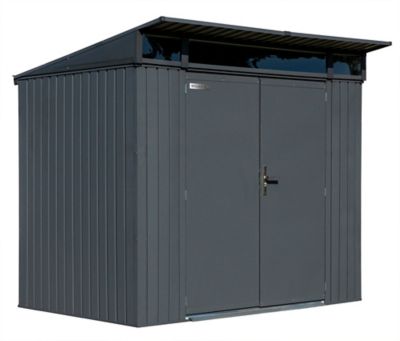
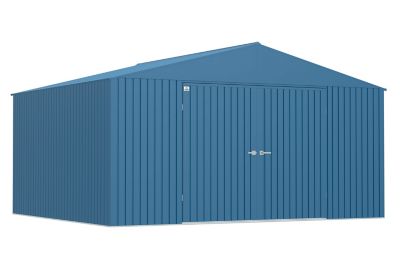
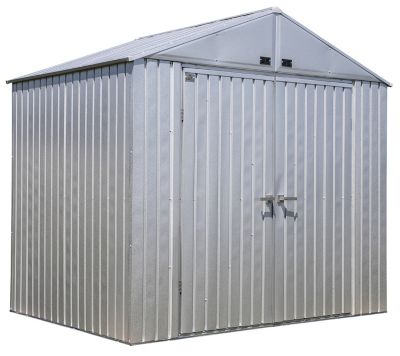
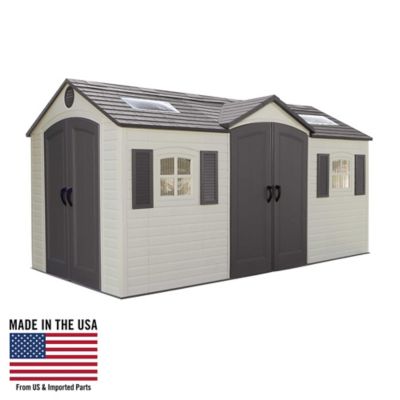
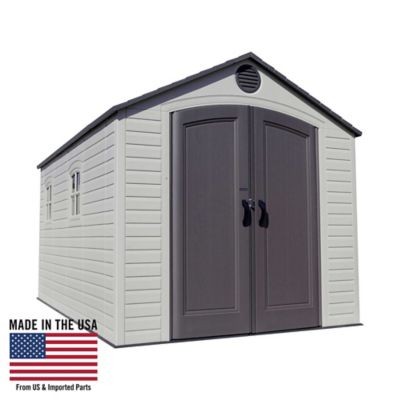
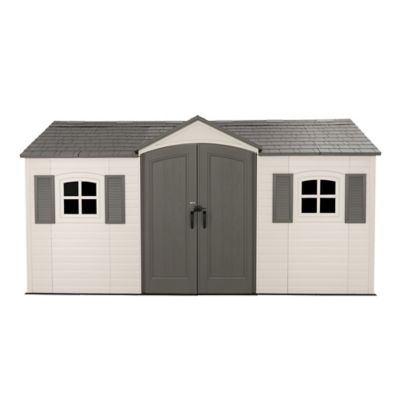
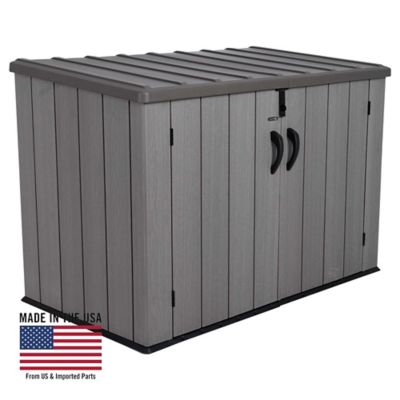
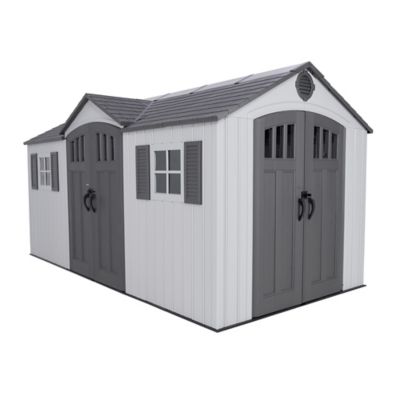
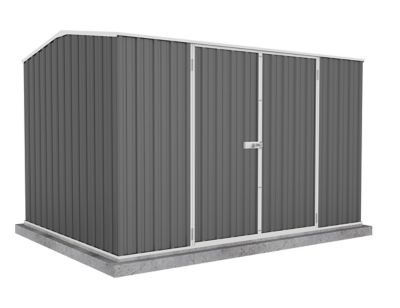
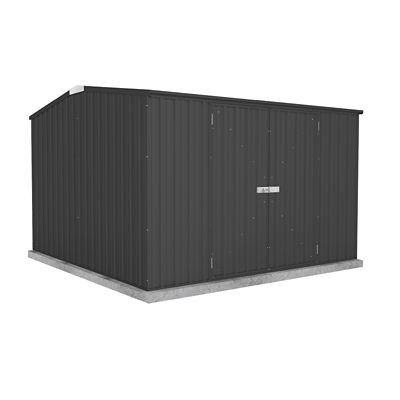
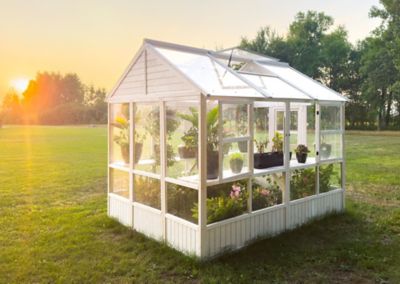
Modern sheds bring a clean, uncluttered look to a job that never really changes: keeping your gear out of the weather and close to where the work happens. Their straightforward shapes, simple trim, and understated colors can sit comfortably beside a farmhouse, a newer home, or a busy backyard without drawing attention away from the rest of the property. But looks are only part of the appeal. A well-chosen outdoor storage shed gives everything a place beyond the garage floor, the back steps, or that crowded corner under the porch. For gardeners, that might mean keeping planting supplies and long-handled tools within easy reach of the beds. For homeowners with a stretch of lawn to maintain, it means having room for mowing equipment without squeezing past it every time somebody needs a ladder. On small acreages, a shed can help separate yard supplies from the equipment that belongs in the barn or workshop. Picture coming in from a damp afternoon of cleanup: there’s a spot to park the cart, hang the rake, and put things away without tracking leaves through the garage. That everyday convenience is what makes the layout matter as much as the exterior. Modern shed designs may feature low-profile rooflines, broad door openings, windows, or more enclosed wall space, and each choice changes how the building fits into your routine. Windows can bring daylight into the corners, while uninterrupted walls leave more room for shelving and hanging storage where the structure permits it. A modest footprint can work well for a few regularly handled tools, while a larger shed offers breathing room for equipment, seasonal supplies, and the things that tend to accumulate as a property grows. The best fit is not necessarily the biggest building in the yard. It’s the one that makes your daily chores easier while leaving room to move around outside, tend nearby plantings, and reach the doors with your hands full.
When comparing modern sheds, start with the space your belongings actually take up, including handles, attachments, and the clearance needed to turn or roll equipment through the entrance. Exterior dimensions do not always tell you how much usable floor space is inside, and a generous-looking doorway can still be a tight squeeze once the frame and threshold are taken into account. Measure your largest piece of equipment, then allow room to walk alongside it and reach the supplies behind it. Anyone who has had to move three things just to get to one shovel knows the value of a clear center aisle. If being able to step inside and reach several storage areas is a priority,
Walk In Sheds are worth a look as you compare floor plans and access. Door placement deserves just as much thought as width. Doors that swing outward need open ground in front of them, and their position should make sense with nearby fences, garden beds, and walkways. Interior height matters for tall tools and overhead clearance, especially beneath a sloping roof. Material choice also affects the ownership experience. Wood sheds can offer flexibility in appearance and storage arrangements, though their finish needs attention over time. Metal sheds call for attention to protective finishes, fasteners, and condensation management. Resin sheds generally need periodic cleaning, and their wall systems may limit where or how storage accessories attach. Check the manufacturer’s requirements before adding shelves, hooks, or other loads to any wall. Flooring is another detail worth sorting out before purchase: some sheds include a floor, while others require a separately prepared base or floor system. The floor and foundation must support the intended equipment, not just the empty building. It also helps to compare what comes with the shed, what requires a separate purchase, and whether assembly or site preparation adds to the total expense. Clear answers on those points make it easier to choose a building that suits both your property and your budget.
Where a modern shed sits has a big influence on how pleasant it is to own through the cooler months and beyond. A level, well-drained location helps keep runoff from collecting around the base and makes approaching the entrance less of a muddy chore. Setting a shed in the lowest corner of the yard may save open lawn, but it can leave you crossing standing water after a hard rain. Think about the route from the driveway or work area, too. A short, steady path is easier to manage with a loaded cart than a narrow turn around a fence post. Before settling on a location, check local permit rules, setback requirements, easements, and any neighborhood restrictions, along with the manufacturer’s foundation and anchoring instructions. Wind and snow ratings should match local conditions; a streamlined roof still needs the appropriate structural capacity and a sensible place for water or sliding snow to go. Leave the recommended clearance around the building for airflow, upkeep, and access, rather than fitting it tightly against another structure. Inside, ventilation can help manage trapped moisture, but an ordinary storage shed does not provide the temperature control of a house or conditioned workshop. Store temperature-sensitive materials according to their labels, and follow applicable safety requirements for fuels, batteries, and other materials that need special handling. If your plans include electricity, involve a qualified professional and confirm the building is suitable for the intended setup. For most households, the lasting appeal of a modern shed is simpler than turning it into another room: it’s having a dry place for appropriate storage, a clearer garage, and less time spent hunting down what you need. Whether you’re keeping a small backyard in shape or handling chores across a larger property, thoughtful sizing, sound placement, and easy access make a shed feel like it belongs there—not just in the view from the kitchen window, but in the way the day’s work gets done.