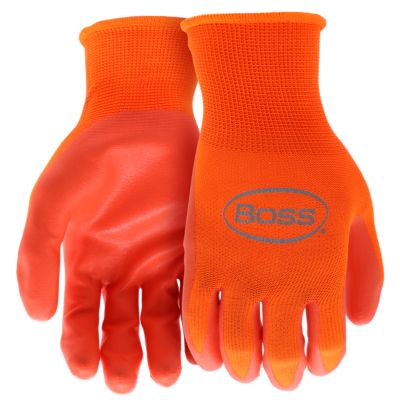
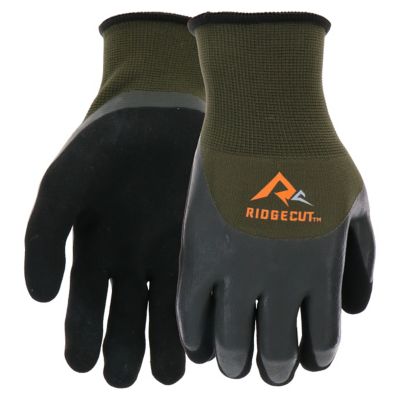
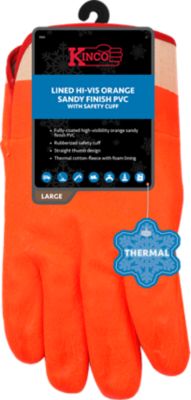
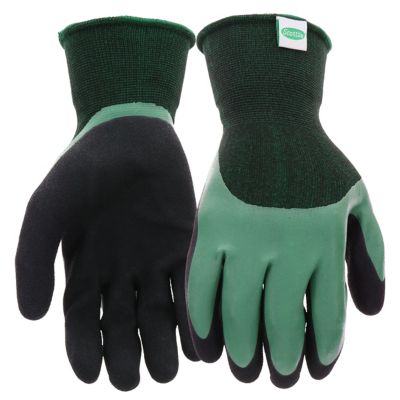
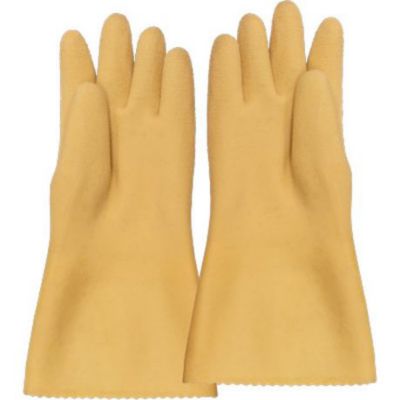
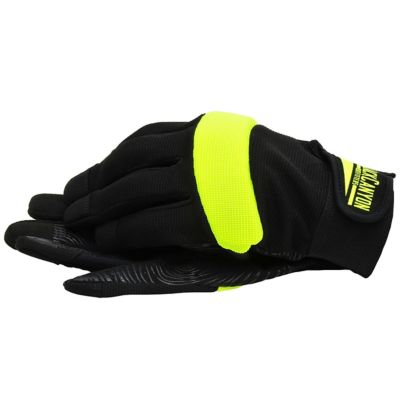
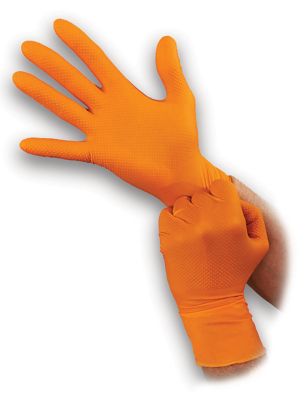
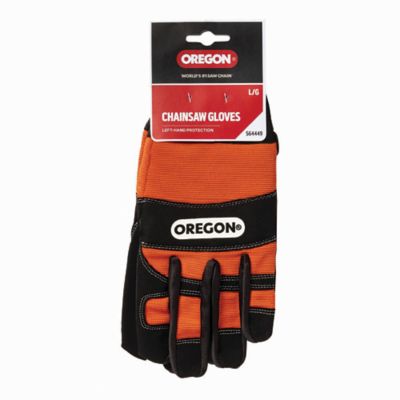
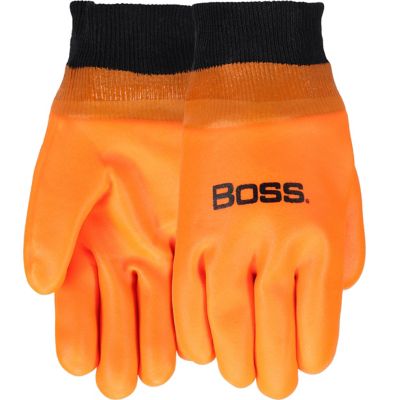
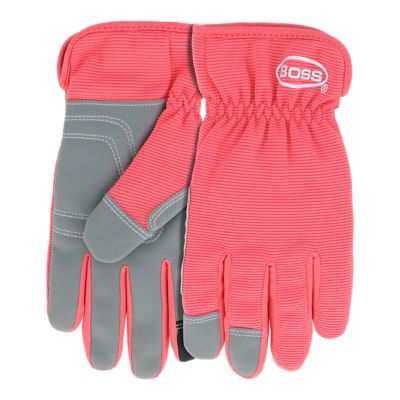
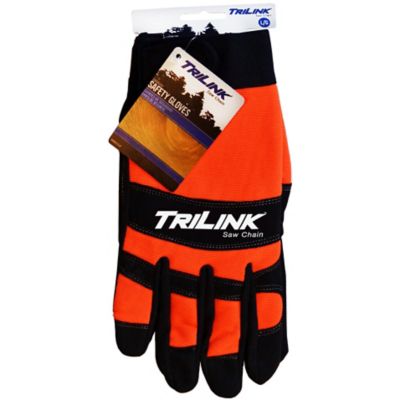
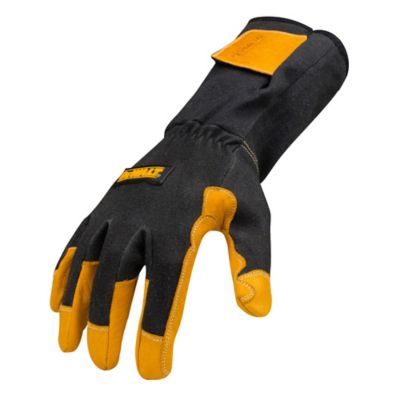
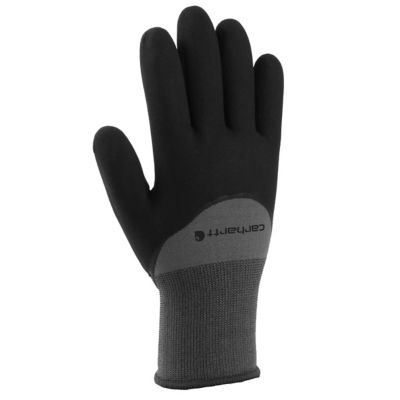
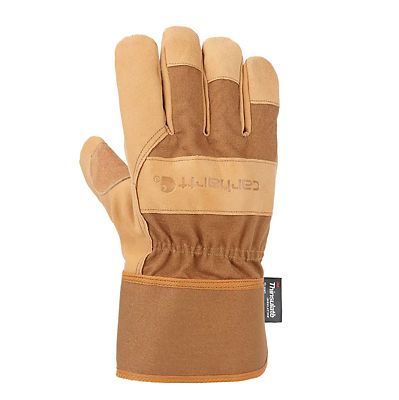
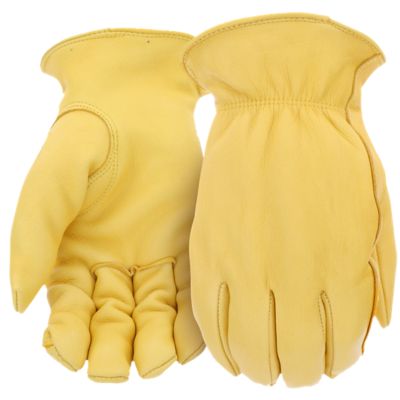
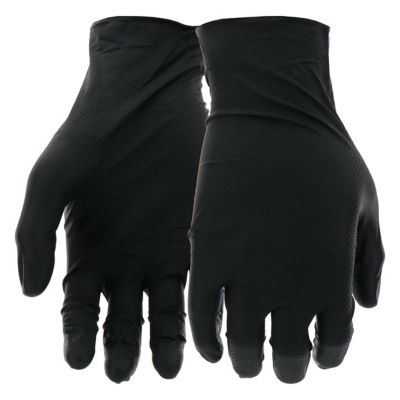
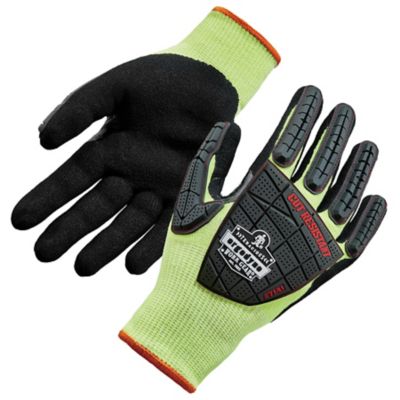
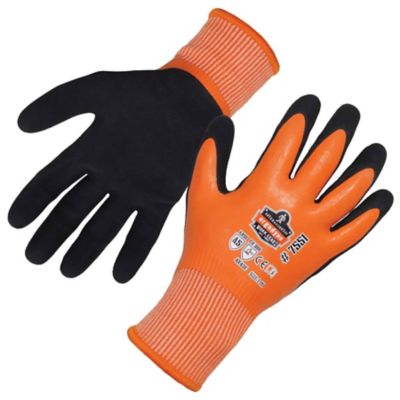
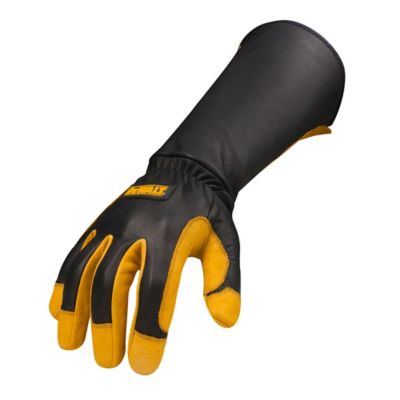
When it comes to working with chemicals around the farm, garden, or shop, having the right protection for your hands is just as important as having the right tool for the job. Chemical resistant gloves are a must-have for anyone who finds themselves handling pesticides, herbicides, cleaning solutions, fuels, or even just strong detergents. Whether you’re mixing up a batch of spray to keep weeds at bay, cleaning out livestock pens, or tackling maintenance chores in the barn, a good pair of chemical mixing gloves keeps your hands safe from burns, irritation, and long-term exposure. Folks who spend their days tending crops, caring for animals, or working in landscaping know that chemical gloves aren’t just for professionals—anyone who values their health and wants to stay comfortable through a full day’s work can benefit. Even hobbyists and home gardeners appreciate a reliable pair of spray gloves when it’s time to feed the roses or treat the orchard, especially as the weather warms and chores outside pick up.
Chemical resistant work gloves come in a variety of materials and styles, each suited for different tasks and levels of protection. Some are built for heavy-duty jobs and can stand up to harsh solvents and oils, while others are more lightweight for better dexterity when you’re dealing with delicate plants or small parts. It’s worth considering what you’ll be using them for before you buy—think about how much grip you’ll need, how long you’ll be wearing them, and whether you’ll be working in the heat or cooler shade. A lined glove might be more comfortable for longer wear, while unlined gloves offer more flexibility for quick jobs. For folks with sensitive skin or allergies, look for options that are latex-free. And if you’re shopping for someone who spends a lot of time outdoors or in the shop—a neighbor who’s always out fixing fences, a family member who loves their vegetable patch, or a friend who’s always tinkering with engines—chemical resistant gloves make a thoughtful and practical gift. They’re the sort of thing folks might not think to buy for themselves, but they’ll be glad to have them on hand when the job calls for it.
No matter the task, keeping a few pairs of chemical gloves in your truck, barn, or garden shed just makes sense. They’re easy to stash and grab when it’s time to tackle a messy chore, and they help protect your hands from more than just chemicals—think thorns, splinters, and rough surfaces, too. As the days stretch longer and chores stack up, a good set of gloves means less worry about cracked skin or lingering chemical smells. For those wanting to see the full range of options, from lightweight spray gloves to heavy-duty chemical resistant work gloves, check out the selection of
Safety Gloves to find the right fit for your next project. Whether you’re a seasoned pro or just getting started, having the right gear makes every job a little safer and a whole lot more comfortable.