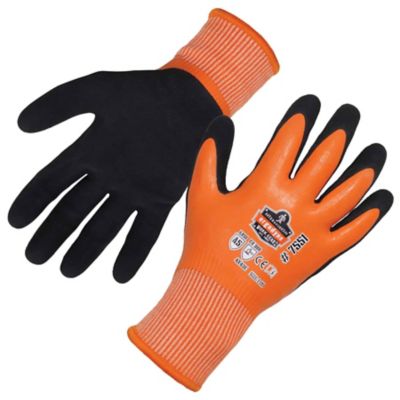
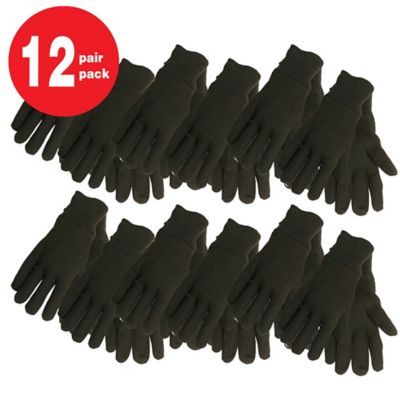
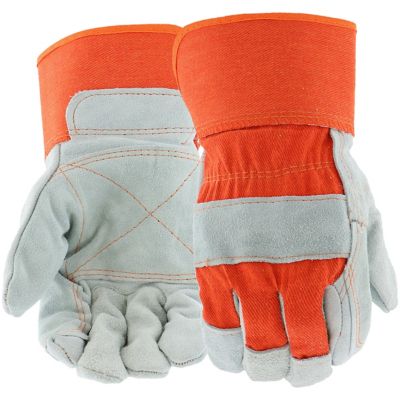
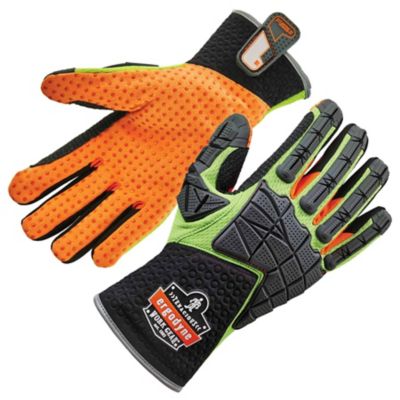
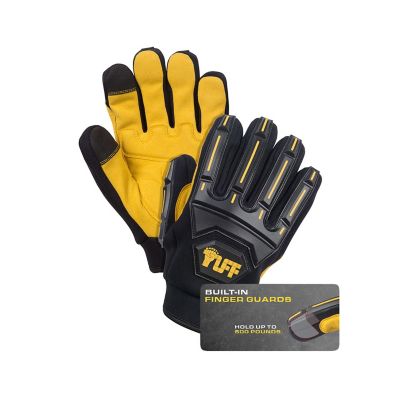
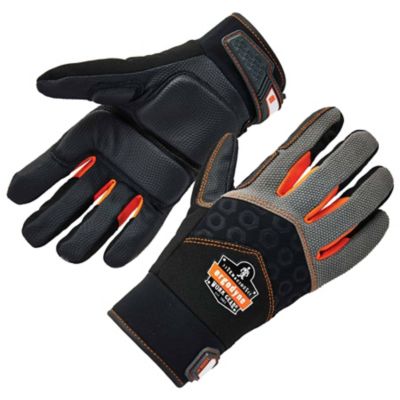
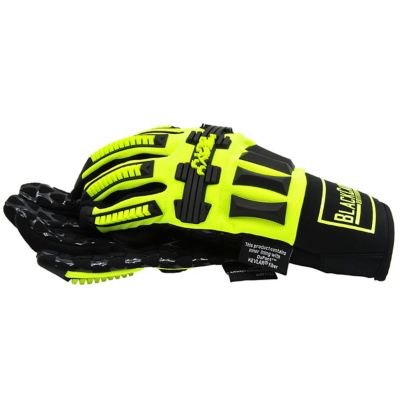
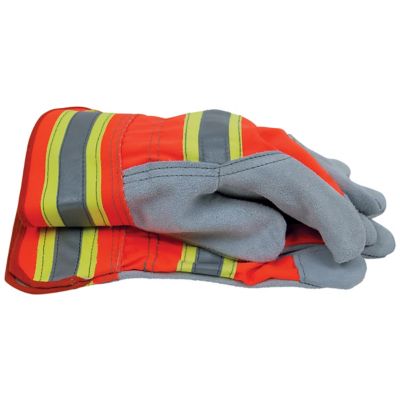
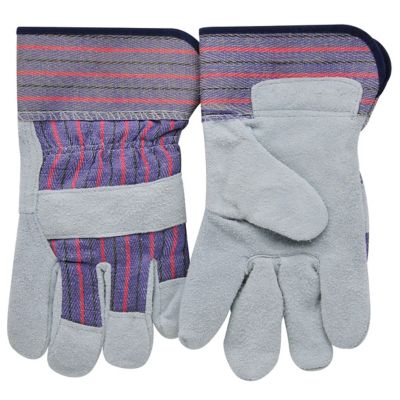
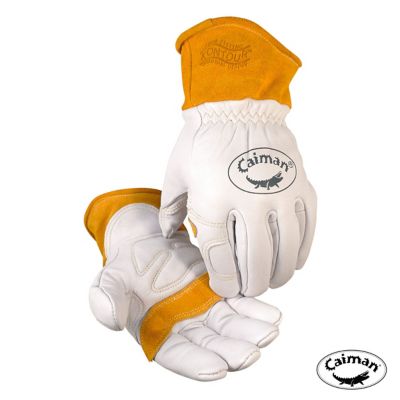
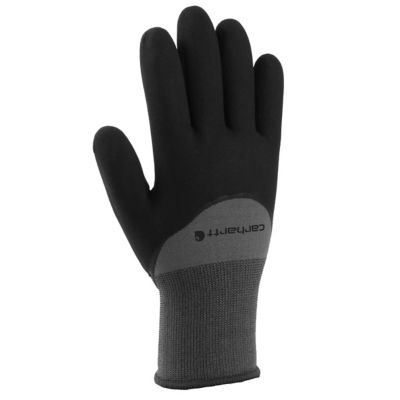
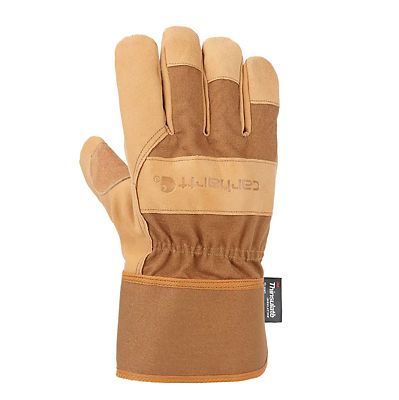
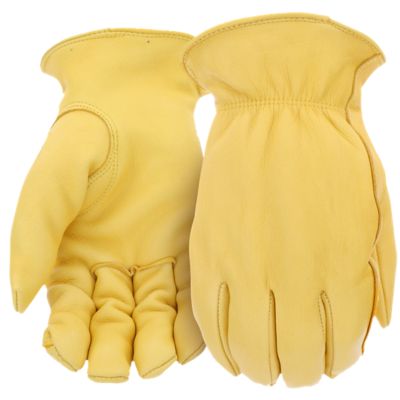
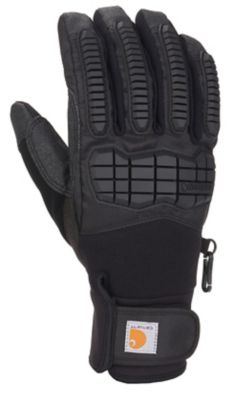
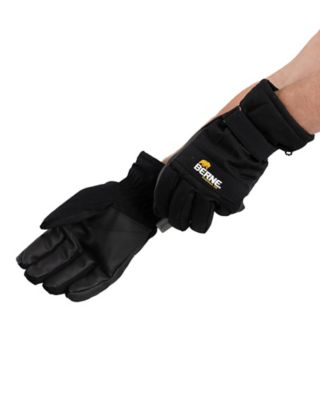
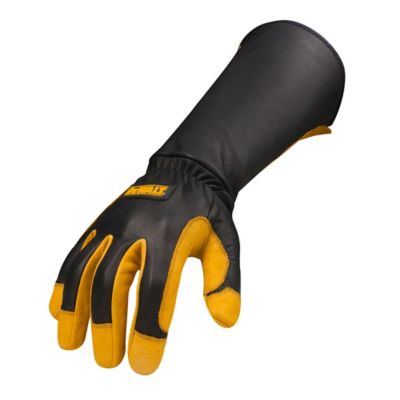
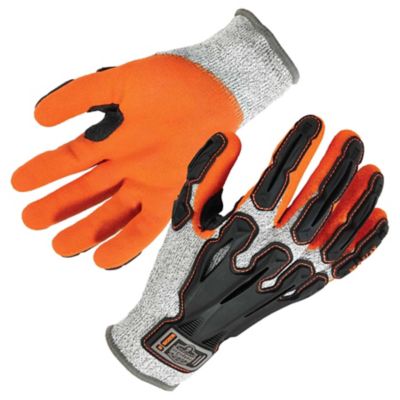
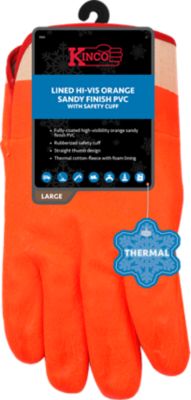
Safety gloves help put a little distance between your hands and the everyday hazards that come with farm work, home projects, yard chores and shop tasks. The right pair can help protect against scrapes from rough lumber, blisters from fence wire, dirt and grime from equipment work, and minor cuts from handling tools or building materials. They are useful for farmers, ranchers, gardeners, mechanics, landscapers, warehouse workers, hunters, do-it-yourselfers and anyone who spends time working with their hands. A dependable pair also makes a thoughtful gift for a new homeowner, 4-H member, gardener, homesteader or handy person who is always fixing, hauling or building something. Start by considering the type of work ahead. General-purpose gloves with a flexible fabric back and coated palm are handy for moving feed bags, pulling weeds, stacking firewood and handling boxes, while leather gloves offer sturdy coverage for brush clearing, rough lumber, fence posts and other demanding chores. For jobs involving sharp edges, look for gloves labeled for cut resistance, and pay attention to the level of protection rather than assuming every heavy-looking glove offers the same coverage. Puncture-resistant styles may be better suited to thorny plants, scrap metal or debris, while gloves made for chemical handling should be selected according to the substance and the manufacturer’s directions. No glove protects against every hazard, so read the product information and use other safety gear, such as eye protection or hearing protection, when the job calls for it.
Fit matters just as much as the material. A glove that is too loose can catch on moving parts, tools or fencing, while one that is too tight may pinch, restrict movement and leave your hands tired before the work is done. Measure according to the sizing information provided, and look for a snug fit around the fingers and palm without bunching at the fingertips. Reinforced palms, padded areas and double-stitched seams can add comfort where tools and handles create pressure. Adjustable wrist closures help keep out dirt, sawdust and cold air, and longer cuffs provide extra coverage when reaching through brush, handling debris or working with wet materials. If you need to use small fasteners, sort hardware or operate a phone while wearing gloves, prioritize dexterity and touchscreen-friendly fingertips. For wet chores, consider water-resistant or waterproof materials, keeping in mind that water resistance and complete waterproofing are not always the same. Breathable fabrics can feel more comfortable during warm outdoor work, while insulated gloves are useful during the cooler months when cold fingers make it harder to grip a shovel, lead rope or gate latch. Heat-producing tasks call for purpose-built protection; browse
Heat Resistant Gloves for options designed with elevated temperatures in mind. Store gloves in a dry place between jobs, shake out dirt after use and follow care instructions so the material and protective features hold up. It is also smart to keep several pairs in convenient spots—a pair by the garden shed, another in the truck and a clean pair in the workshop—so hand protection is close by when an unexpected chore comes up. From early-morning livestock checks and fence repairs to fall cleanup, splitting kindling and weekend projects in the garage, the best safety gloves are the ones that match the task, fit comfortably and make it easier to work with confidence.