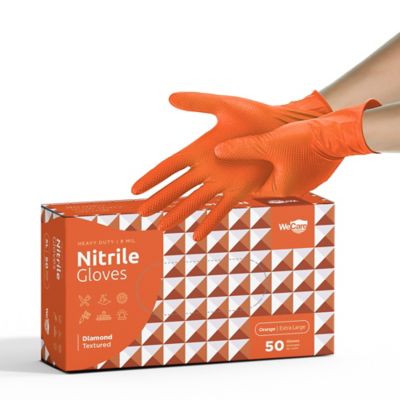
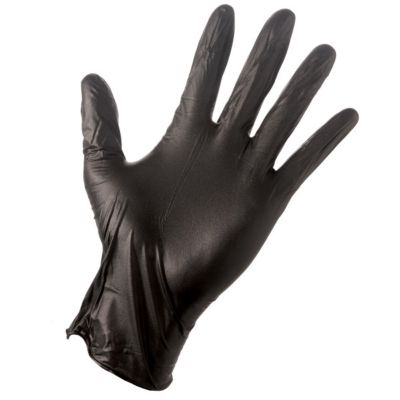
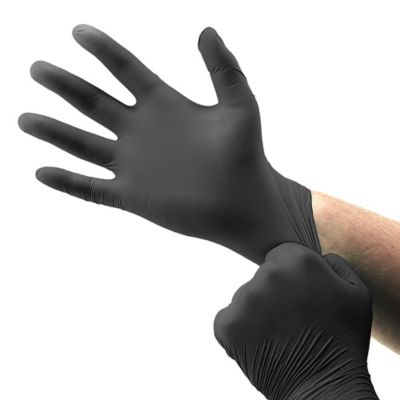
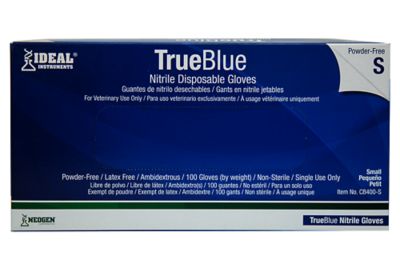
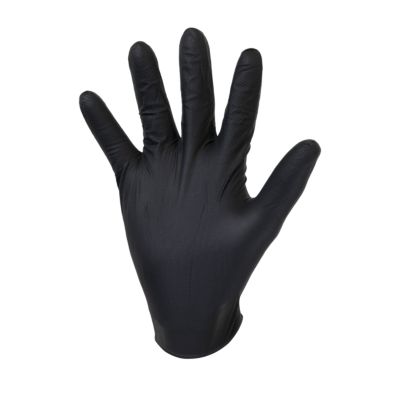
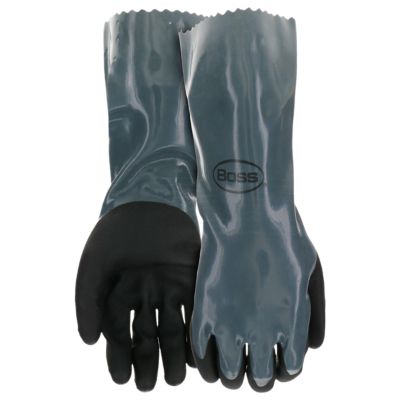
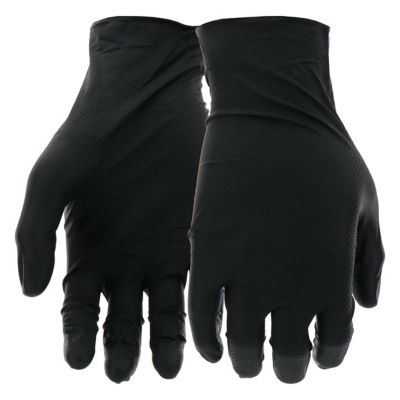
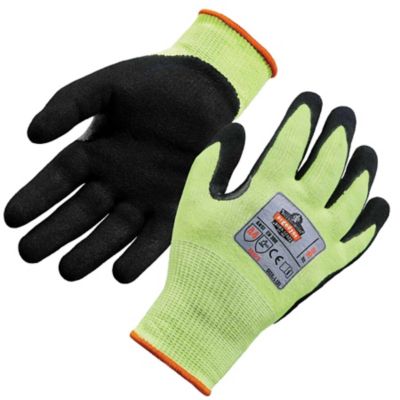
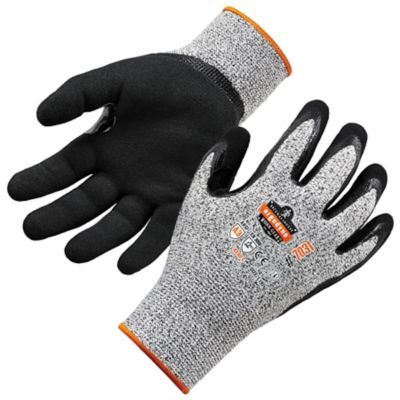
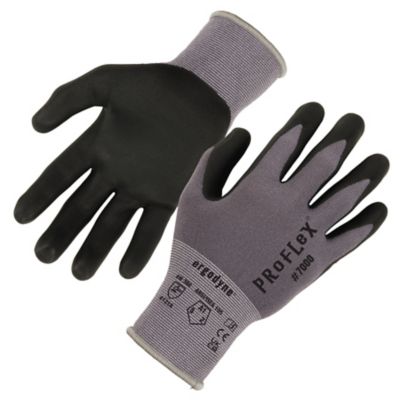
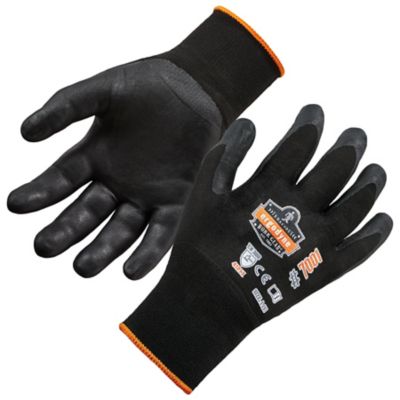
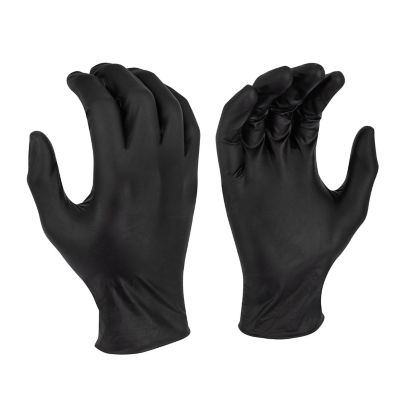
Nitrile gloves are a handy choice for work that calls for a clean barrier between your hands and the job. Made from synthetic rubber, nitrile gloves are latex-free and can be a good option for people with natural rubber latex sensitivities. They are commonly used around the farm, garage, shop, home, kennel, and first-aid kit because they fit close to the hand while offering a useful balance of dexterity, strength, and protection. A pair can help keep grease off your fingers while servicing equipment, protect hands from cleaners during a deep barn or shop cleanup, or make pet care a little easier when dealing with mud, medication, waste, or wound care. Nitrile is also known for better resistance to punctures than standard vinyl and for standing up well to many oils, fuels, greases, and solvents, though no disposable glove is right for every chemical or task. Always check the glove’s stated ratings and the chemical manufacturer’s guidance before handling harsh substances. For everyday jobs, thinner gloves can make it easier to sort small parts, use a phone, tie knots, or handle tools. Thicker gloves are better suited to messier, rougher work where added durability matters. Choosing the right fit is just as important as choosing the right material. Gloves that are too loose can catch on equipment and make detail work clumsy, while gloves that are too tight may split at the fingertips and leave hands tired. Look for a size that lets the fingers reach the ends without pulling across the palm, and consider textured fingertips or palms when a secure grip matters.
When shopping for nitrile gloves, start with the work you expect to do most often. General-purpose disposable gloves are useful for routine cleaning, light maintenance, painting, gardening, livestock chores, food preparation, and handling pet supplies. Thicker industrial or heavy-duty nitrile gloves are a better fit for automotive work, machinery maintenance, painting, and jobs involving sharp edges or heavier grime. Glove thickness is often described in mil, with a higher mil number generally indicating a thicker glove, but thickness alone does not tell the whole story. Cut, puncture, tear, chemical, and heat resistance can vary by glove design, so review the package information for the protection you need. For first aid, healthcare, caregiving, and examination-related tasks, choose gloves specifically labeled for that use. The
Latex Free Exam Gloves selection can help shoppers find options made for situations where cleanliness, a latex-free material, and dependable hand coverage are important. Powder-free gloves are often preferred for medical, food, cleaning, and general household use because they leave less residue behind. If gloves will be used with food, make sure they are labeled for food contact and follow safe food-handling practices. Gloves should be replaced between tasks and whenever they become torn, heavily soiled, or contaminated. They are not a substitute for washing your hands, eye protection, ventilation, or other safety equipment, especially when working with fuel, solvents, pesticides, disinfectants, or other strong chemicals. Keeping several sizes and thicknesses on hand can be useful for a busy household or work crew, since the glove that works well for changing oil may not be the same one you want for cleaning a water trough or tending a small cut.
A steady supply of nitrile gloves earns its keep during the cooler months, when muddy boots, wet tools, indoor repairs, and seasonal chores tend to pile up. Keep a box in the truck, another near the workbench, and a few pairs with the first-aid supplies so they are close when a job calls for them. They can be useful for clearing debris from a clogged piece of equipment, touching up paint in a drafty shop, cleaning hunting or fishing gear, or handling firewood and other dirty materials before heading back inside. Gardeners, mechanics, maintenance workers, farmers, pet owners, caregivers, and do-it-yourselfers may all find them useful, and a box can make a practical gift for someone who spends weekends fixing things, caring for animals, or working with their hands. For farm and ranch chores, look for a comfortable fit and enough toughness for repeated handling, while remembering that disposable nitrile gloves are intended to be changed regularly rather than worn indefinitely. Store unused gloves in a cool, dry place away from direct sunlight, heat, and sharp tools. Oil, dust, and rough storage conditions can shorten their useful life before the box ever reaches the job site. Before putting on a pair, check for visible damage, and remove gloves carefully by turning them inside out to help keep contaminants away from your skin. With the right size, thickness, and intended-use rating, nitrile gloves offer simple, dependable coverage for the messy moments that come with work around the home, farm, shop, pets, and equipment.