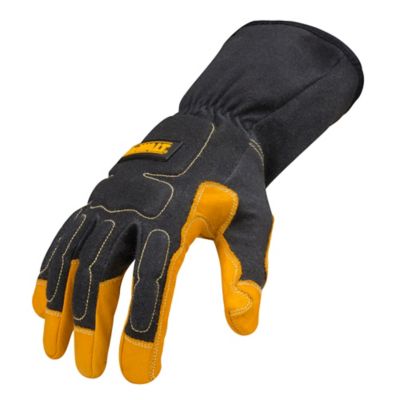
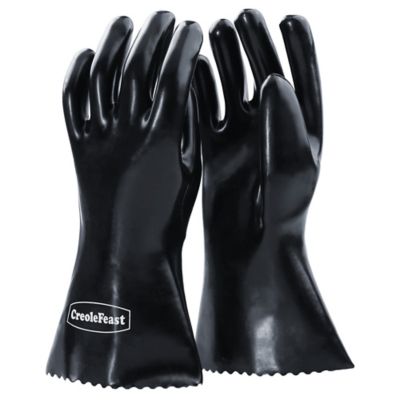
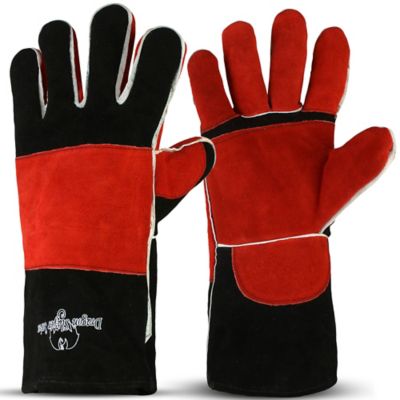
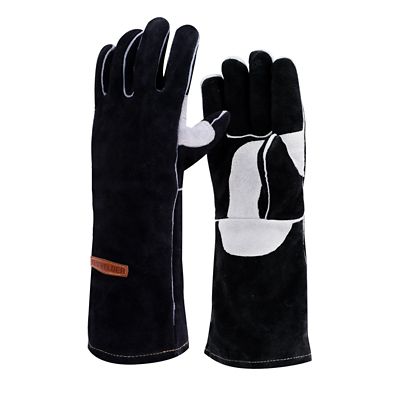
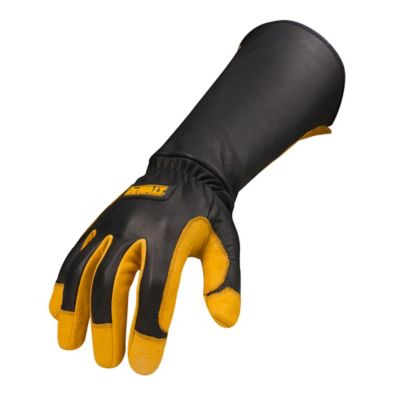
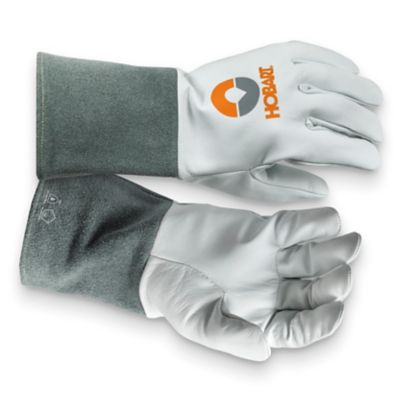
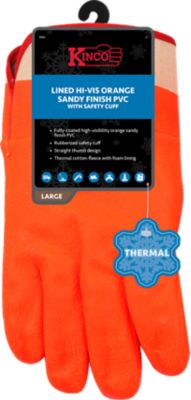
Heat-resistant gloves help slow the transfer of heat to your hands when you lift a cast-iron skillet, shift a grill grate with a tool or work near a wood stove. The right pair depends on where the heat is coming from and how long your hands will be near it. Grabbing the handle of a hot pan calls for protection from contact heat, while reaching toward the back of a deep grill also exposes your wrists and forearms to heat coming off the cooking surface. Welding adds sparks and hot metal to the job, so a glove meant for pulling a casserole from the oven doesn’t take the place of a welding glove. Look at what a heat rating actually covers. A contact-heat rating applies to a surface at a stated temperature under test conditions, often for a specified length of time. It doesn’t tell you how the glove handles steam, open flame or splashes of hot oil. Even a glove rated for high heat can warm through if you hold on too long, and a brief lift from the stovetop to a trivet is different from carrying a heavy Dutch oven across the kitchen. For jobs around a fire pit or wood stove, a longer cuff can cover the gap at your sleeve, but tongs and pokers are still the tools for moving hot logs and coals. Around the grill, setting out a clear landing spot for a hot pan can matter as much as having a good grip on the handles. And if the job is keeping your fingers warm rather than handling hot surfaces,
Thermal Gloves are worth a look. A warm lining on its own isn’t a sign that a glove can handle a skillet straight out of the oven.
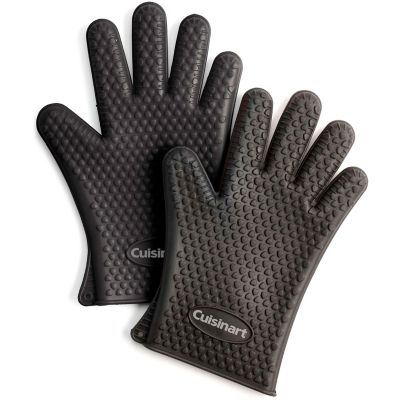
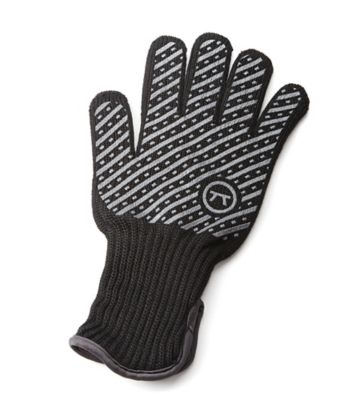
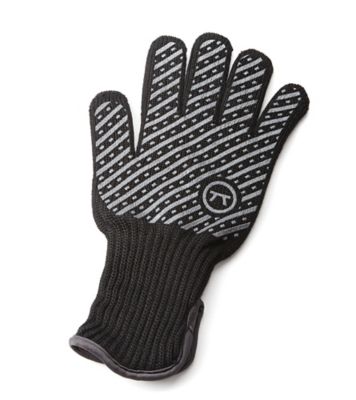
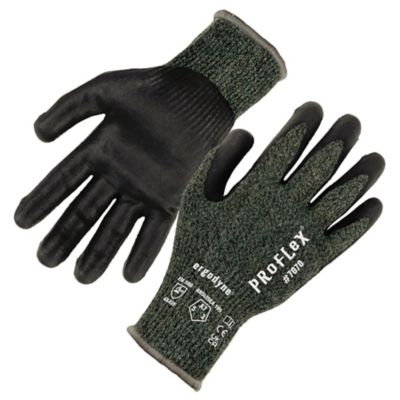
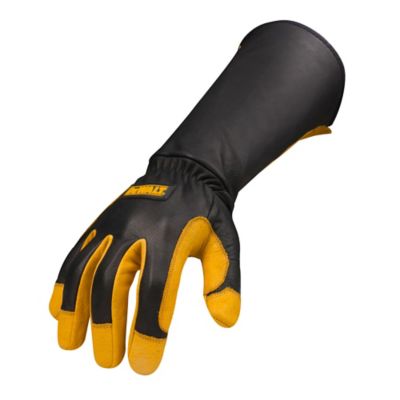
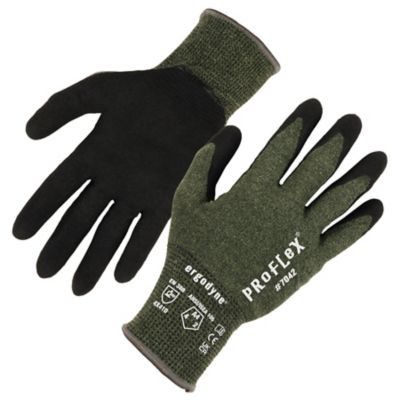
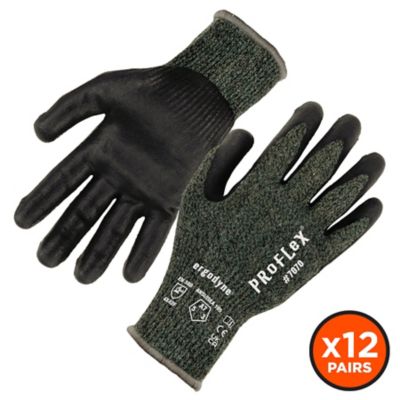
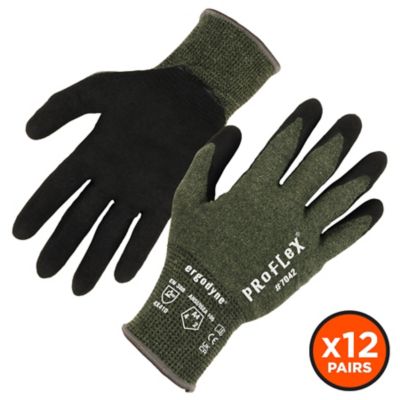
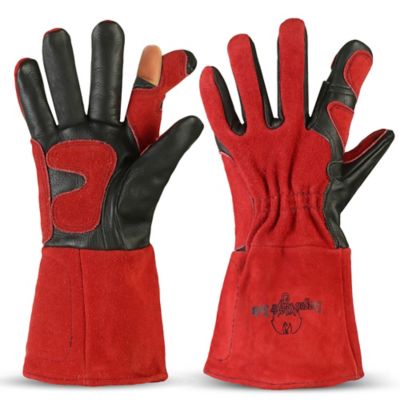
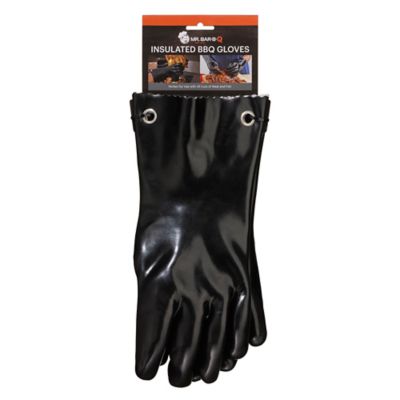
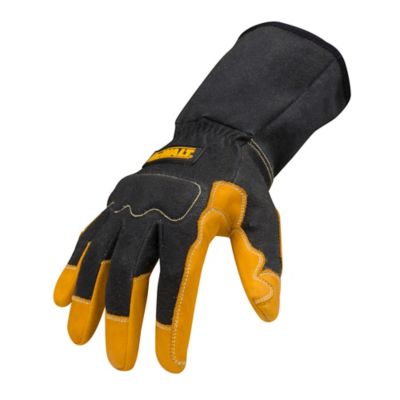
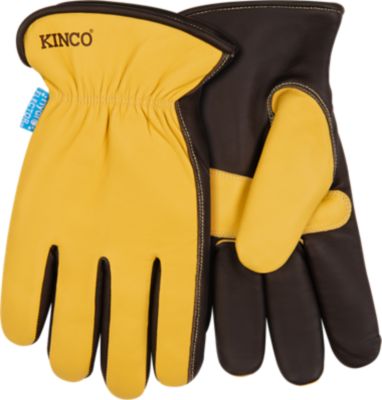
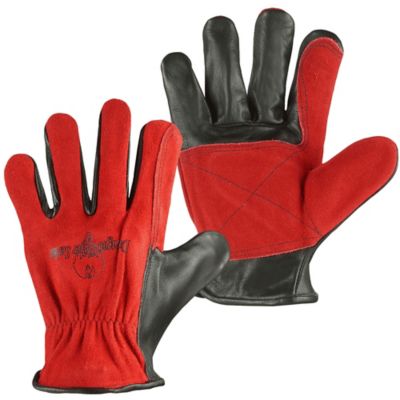
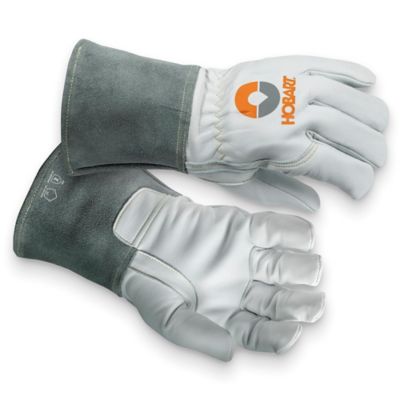
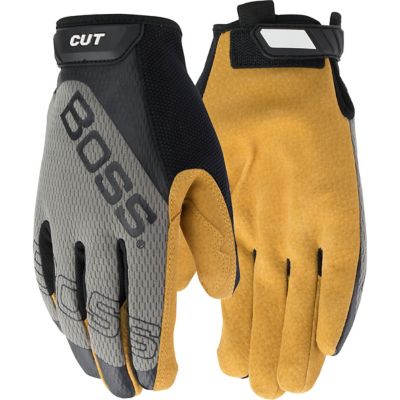
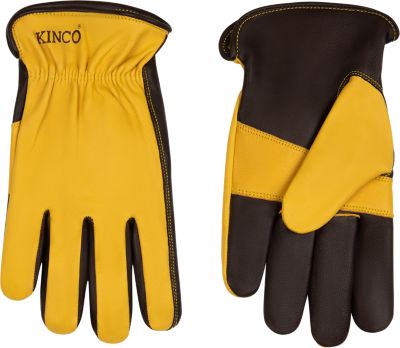
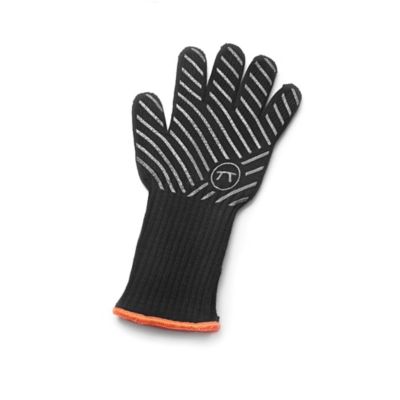
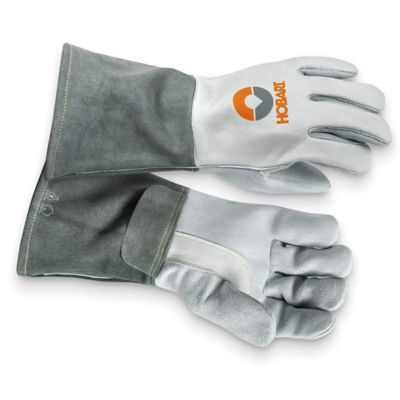
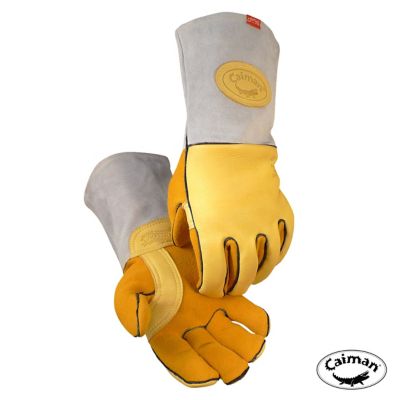
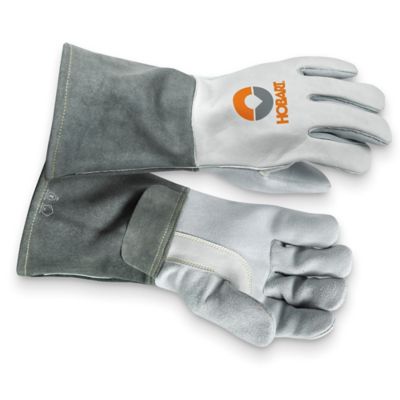
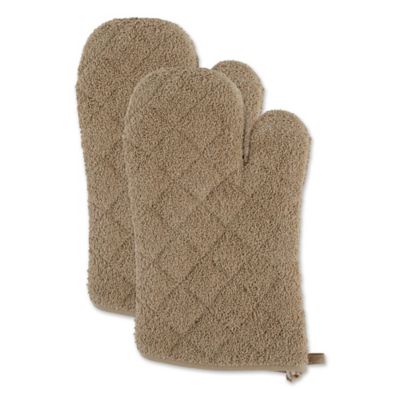
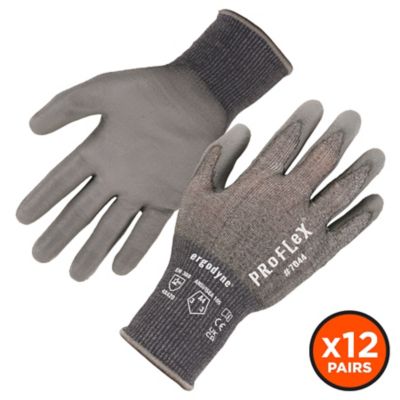
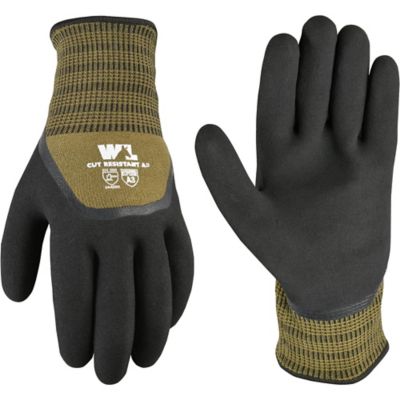
Materials make a difference in how a glove feels and what it can handle. Aramid fibers are found in flexible knit gloves and in protective layers where heat resistance matters. A knit glove with silicone grip strips can give you a steadier hold on a smooth lid handle, but those strips don’t make the knit waterproof. A glove with a solid silicone outer shell can be easier to wipe down after a cookout, and some coated gloves are made for work around grease or moisture. Check what the whole glove is meant to handle, including the seams and cuff, rather than counting on the coating alone for protection from hot liquids or steam. Leather and suede are common in gloves for welding, stove tending and rough work because they stand up to scraping against metal edges and other coarse surfaces. Linings, stitching and cuff construction also matter, especially when the same spots get rubbed or flexed day after day. A thick leather gauntlet can give you more coverage, but it may feel clumsy when you need to pinch a small latch. Fit matters just as much as material when you’re lifting something heavy or awkward. Look for enough room to bend your fingers and wrap them around a handle without spare material bunching up in your palm. Fingertips that run too long can make a shallow pan handle harder to catch, while a tight glove can keep your hand from closing comfortably. A mitt can make sense for lifting a wide baking dish with both hands. Separate fingers give you more control when you need to work a pair of tongs or get a firm hold on the loop handles of a Dutch oven. For cooking, check whether a glove is meant for direct food contact before handling food with it. Holding a roasting pan and lifting cooked meat are two different jobs, even if they happen at the same grill.
A pair that fits the work is easier to keep in good shape. Before grabbing a hot handle, check the spots that take the most wear: the pads of the fingers, the seam at the thumb and the palm where a handle rests. Thin patches, split stitching, a loose lining or a cracked coating can leave part of your hand with less protection. Grease buildup can also make a textured palm slick just when you need a firm hold. Follow the care directions for the glove rather than washing every pair the same way. Some silicone shells can be wiped clean, and some knit gloves can go in the wash. Leather may need spot cleaning so it doesn’t stiffen or lose its shape. Let gloves dry fully before putting them back to work. A damp cloth glove can transfer heat faster than a dry one, and steam can burn even when there’s no hot metal against your skin. Store cooking gloves somewhere dry and within reach of the prep area, but away from burners and hot grill lids. Keeping a kitchen pair separate from the gloves that pick up soot, shop grime or welding residue also saves you from tracking that mess onto cookware. Heat-resistant gloves can make a practical gift for someone who bakes bread in a heavy pot, does the grilling at family get-togethers or spends time at a welding bench. Think about what that person actually handles: a baker carrying wide pans may like the simplicity of mitts, while a backyard cook who works with tongs may prefer separate fingers and a cuff that covers the wrist. For someone who works around sparks or handles rough metal, a pair made for that work makes more sense than a kitchen glove with a higher number on the tag. The best match gives the wearer room to move, a steady grip and protection suited to the heat they’ll be working around.