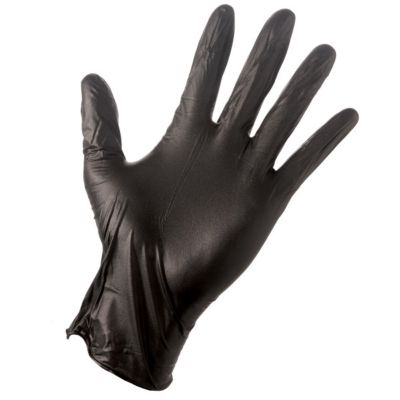
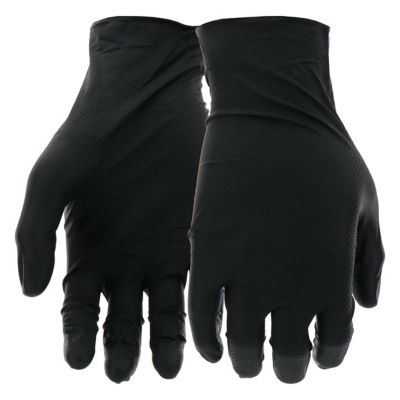
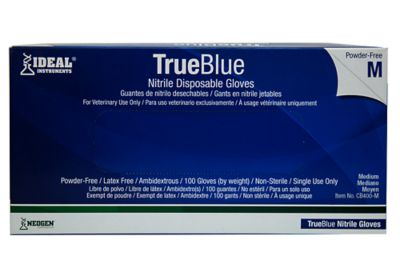
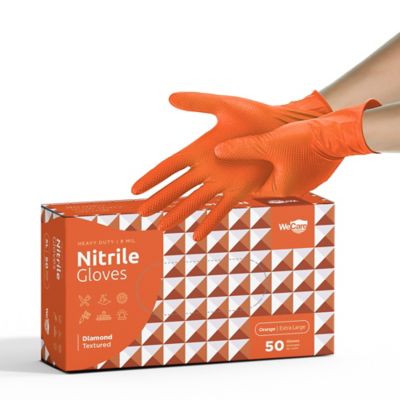
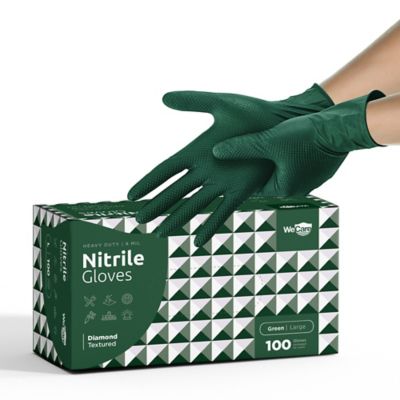
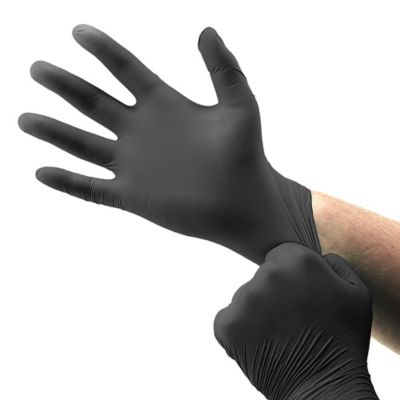
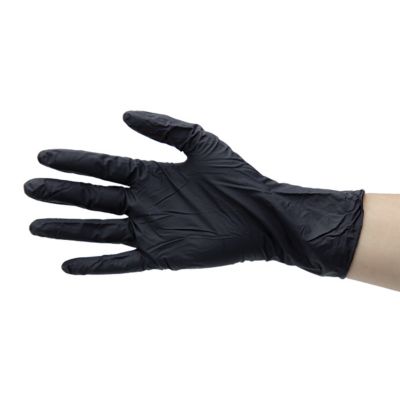
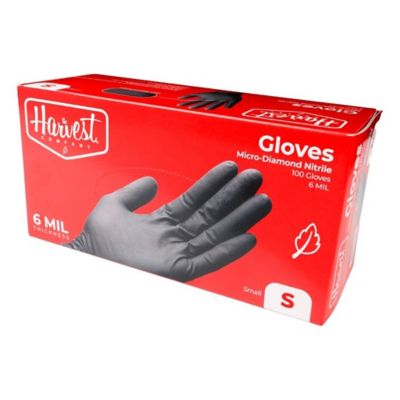
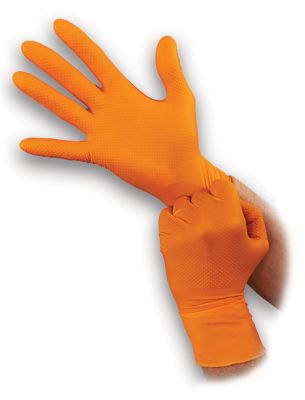
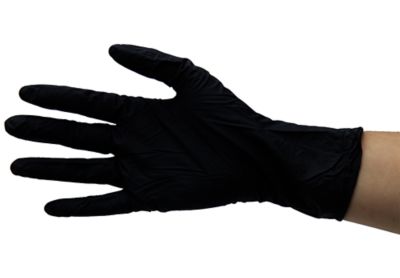
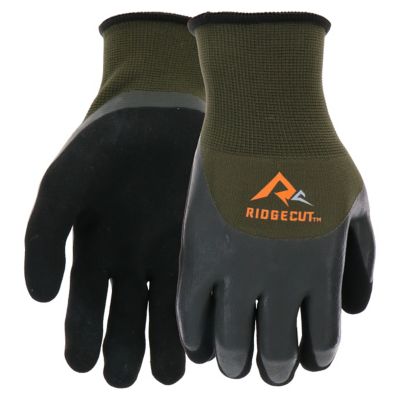
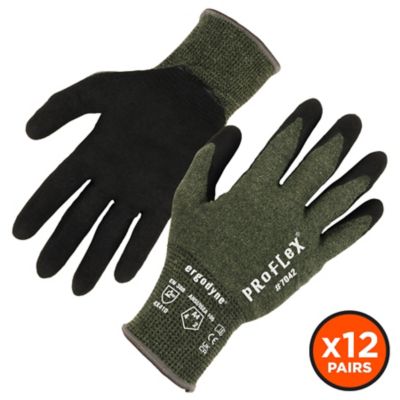
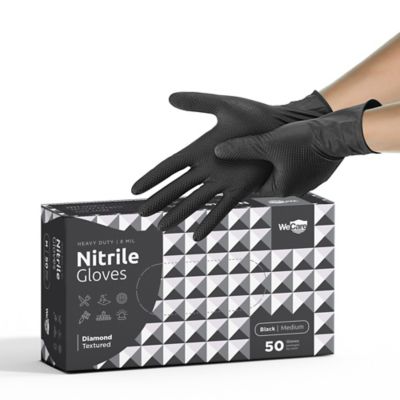
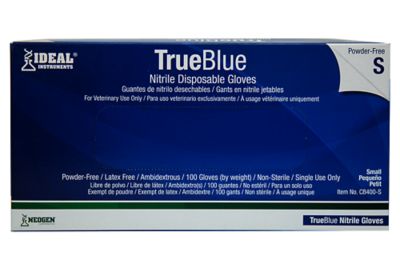
Chemical resistant disposable gloves are made for jobs where hands need a short-term barrier from splashes, drips and light contact with hazardous liquids. Around a farm, shop, garage or home, that can include handling oils and greases, cleaning solutions, fertilizers, pesticides, paints, solvents and other products that can irritate or damage skin. They are thin, single-use gloves designed to give you a clean layer of protection while you work, then be discarded according to the product label and local requirements. Nitrile is a common choice because it offers good puncture resistance and generally performs well around oils, greases, petroleum products and some mild acids. Neoprene can offer strong resistance to acids, caustics and alcohols while staying flexible enough for hands-on work. Multi-layer and blended materials may combine polymers such as nitrile and neoprene to improve chemical resistance while keeping enough feel for small parts, spray nozzles and hand tools. No glove protects against every chemical, and a glove that works well for one liquid may fail quickly against another. Before buying, read the chemical label and safety data sheet, then compare the glove material, thickness, cuff length, intended use and published chemical-resistance information. Look for test information tied to the specific chemical rather than relying on a broad claim such as “chemical resistant.” When available, EN ISO 374 markings can help identify gloves tested for resistance to particular chemicals, while ASTM D6978 applies to resistance against certain medical and chemotherapy drugs. These standards do not mean a glove is suitable for every task, so the listed chemical, concentration, temperature and contact time still matter. A thicker glove may offer a longer working time, but thickness can reduce touch sensitivity. A thinner glove may be comfortable for quick splash protection, but it can tear, stretch or allow chemical breakthrough sooner. Choose a size that fits snugly without squeezing your fingers, and leave enough cuff length to help keep liquid from running inside the glove.
Disposable chemical resistant gloves can be useful for many people who spend part of the day working with messy or irritating substances. Farmers and ranchers may keep a box in the shop for equipment maintenance, fuel and oil handling, battery service, livestock-area cleaning and routine repair work. Gardeners and property owners may use them while mixing approved lawn and garden products, cleaning sprayers, staining wood or washing down outdoor surfaces. In a garage, they help keep grease, brake fluid, degreasers and grime off your hands, especially when a quick job turns into an afternoon of stubborn cleanup. Household users can reach for them when working with concentrated cleaners, drain products, mold treatments or paint-related chemicals, provided the gloves are rated for the substance being used. They are also handy to keep in a truck, tack room, tool chest or workshop cabinet so protection is close at hand instead of buried in a supply closet. For a busy crew, buying several sizes can make it easier for everyone to get a proper fit, and keeping unopened boxes in a dry, cool place helps protect the gloves before use. A pair of gloves should be inspected before putting them on. Do not use gloves that are brittle, sticky, torn, discolored or past their stated shelf life. Remove rings, watches and sharp objects that could catch the material, and wash and dry your hands before use. If the glove tears, becomes contaminated on the inside or shows signs of swelling, softening or degradation, stop the task and replace it. Never wash and reuse gloves labeled for single use, and avoid touching clean handles, phones, vehicle interiors or your face with contaminated gloves. Peel them off carefully by turning the cuffs inward, dispose of them as directed for the chemical involved, and wash your hands afterward. For chemicals that can soak through disposable gloves, for extended immersion, high-pressure spraying, concentrated acids or bases, or work with unknown substances, a heavier reusable glove, protective sleeves, face protection, ventilation and other personal protective equipment may be needed. Disposable gloves are one part of a safe setup, not a substitute for reading the label, following the safety data sheet or using the right equipment for the hazard.
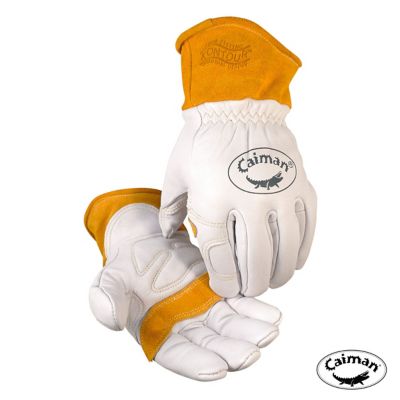
When comparing chemical resistant disposable gloves, start with the work rather than the color or package size. Check whether the task involves a splash, occasional contact, wiping, mixing or full immersion, since contact time plays a major role in how long a glove remains protective. Pay attention to breakthrough time, which is the period before a chemical passes through the glove material at the molecular level, and degradation, which can cause a glove to swell, stiffen, crack or lose strength. A glove may show excellent resistance to one solvent and poor resistance to another, even when both products look similar in the bottle. For oily work, puncture resistance and a textured grip can make a real difference when your hands are wet or coated with residue. For cleaning or spraying, a longer cuff can help protect the wrist and reduce the chance of liquid running down an arm. Powder-free options are often preferred where residue could interfere with paint, finishes, machinery or skin comfort. Consider the glove’s AQL rating as another part of the comparison; a lower Acceptable Quality Level, such as 0.65 AQL, indicates fewer pinhole defects in the tested batch, though it does not guarantee protection from a particular chemical or replace proper inspection. Buying in a quantity that matches your work habits can help prevent the temptation to stretch a disposable glove past its useful life, while individually packaged or smaller packs may suit an occasional homeowner. These gloves can make a practical addition to a new workshop setup, a farm-maintenance tote or a vehicle emergency kit, especially for someone who regularly works with tools, equipment, animals or outdoor chemicals. Keep them with absorbent material, hand cleaner and the other supplies needed for the job, but store them away from sunlight, heat, moisture and chemical fumes. For tasks involving heat as well as chemical exposure, choose protection rated for both hazards and consider options such as
Heat Resistant Gloves when appropriate. The right pair should fit comfortably, match the substance and contact time, and be easy to replace once the job is done.