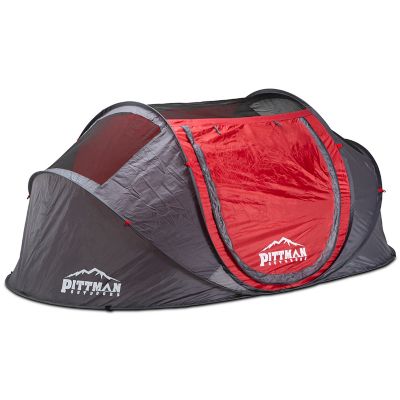
Heading out for your first camping trip is a rite of passage, whether you’re pitching a tent in the backyard with the kids or loading up the truck for a weekend at the lake. There’s something special about those first nights under the stars, the scent of woodsmoke in the air, and the simple satisfaction of cooking a meal over an open flame. For beginners, it’s all about finding the right balance between comfort and simplicity, making sure you’ve got the essentials without feeling overloaded. As the weather warms and the days stretch out, folks of all ages start dreaming of sleeping bags, crackling campfires, and quiet mornings with a cup of coffee in hand. If you’re new to camping, or you’re looking to help a friend or family member get started, it’s worth thinking about the basics—shelter, sleep, food, and a little bit of know-how to keep things running smooth. A beginner’s camping setup doesn’t have to be fancy, but it should be reliable and easy to use, especially when you’re learning the ropes. Tents that are quick to pitch, sleeping bags rated for the right temperatures, and sleeping pads that keep you warm and off the hard ground all make a world of difference when you’re just starting out.
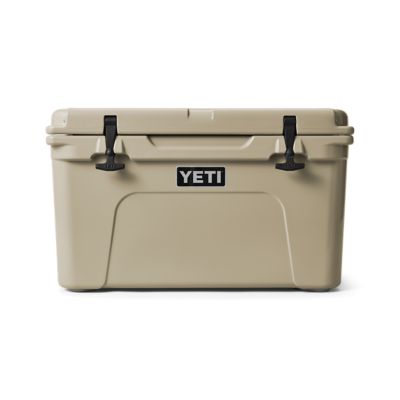
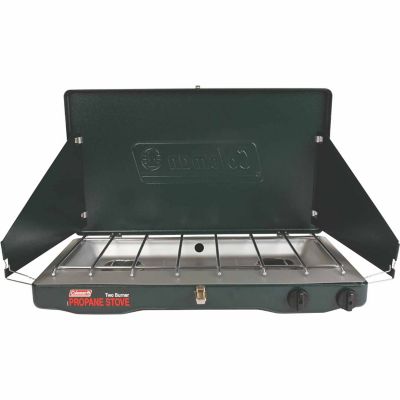
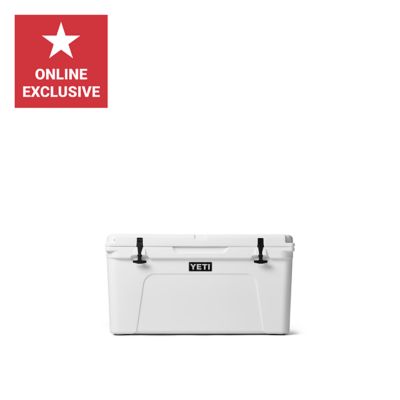
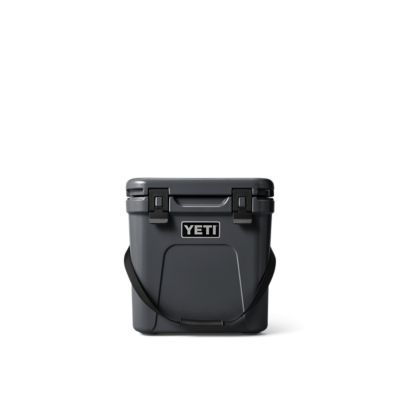
When you’re making your list of things to bring for camping, think about the little comforts that turn a good trip into a great one. A sturdy camp chair lets you kick back by the fire, and a basic propane stove makes it easy to whip up breakfast or a hot supper after a long day of hiking or fishing. Coolers packed with ice keep your food fresh, and a simple set of pots, pans, and utensils means you’re ready for everything from bacon and eggs to marshmallow roasts. Don’t forget the cleanup supplies—trash bags, biodegradable soap, and a sponge go a long way toward keeping your site tidy. Lighting is another must-have; a headlamp keeps your hands free for late-night trips to the cooler or setting up camp after dark, while a reliable multi-tool or pocketknife is handy for everything from slicing apples to making quick gear repairs. Layered clothing is key, since the temperature can swing from warm afternoons to chilly nights, and a waterproof jacket or poncho is worth its weight when the weather turns. For folks who aren’t sure if they’ll be camping often, borrowing gear from friends or renting a starter kit can be a smart move, and there’s no shame in bringing along household items like pillows or cast iron pans to keep things comfortable. Testing your gear at home—whether it’s the tent in the backyard or the stove on the porch—can save a lot of headaches and make sure you’re ready when you hit the road.
Camping gear for beginners also makes a thoughtful gift, whether it’s for a recent graduate, a young family looking to make memories, or anyone eager to spend more time outdoors. There’s a certain pride in having your own setup, and each trip brings new stories and lessons learned. For many, those first outings are about more than just gear—they’re about learning what works for you, what you like to eat around the fire, and how to stay comfortable and safe no matter where you set up camp. It’s always wise to brush up on safety basics, especially for those who are new to the outdoors. If you’re looking for tips on staying prepared, check out our page on
Camping Safety Equipment for helpful advice and must-have items to keep your adventure worry-free. As summer rolls into fall and the evenings start to cool, the right beginner-friendly equipment helps you focus on what matters most—good company, fresh air, and the peace and quiet that comes from spending a few nights away from the daily grind. Whether you’re planning a solo escape, a family getaway, or a last-minute trip with friends, starting with the right camping gear makes all the difference in building confidence and creating lasting memories in the great outdoors.