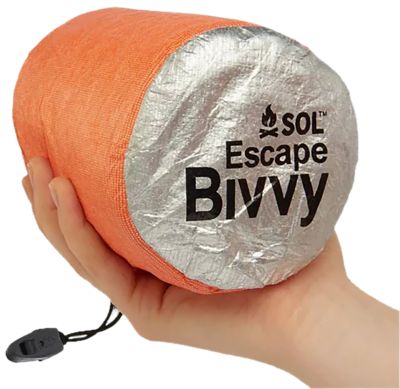
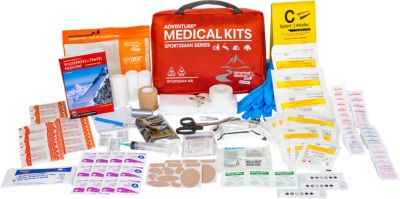
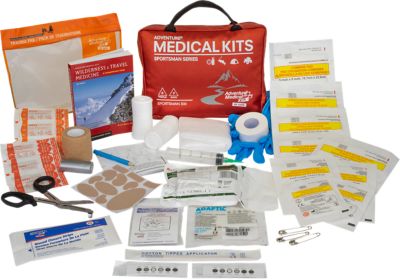
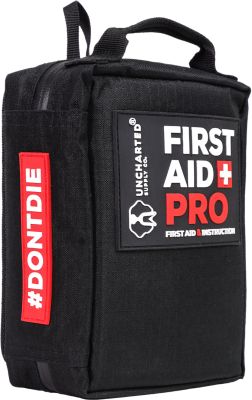
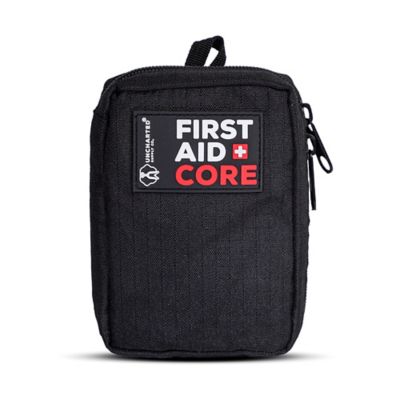
Camping safety equipment covers first aid, emergency shelter, lighting, navigation, communication, water treatment, and safe food storage. These supplies support everyday needs around camp and help campers handle problems such as a blister on a long walk, a broken light, or an unexpected delay getting back to the truck. The right mix depends on the trip: a family staying near a campground office has different needs from someone hiking several miles beyond the nearest road. First-aid supplies are a practical starting point, with dressings, antiseptic supplies, blister care, and protective gloves among the common essentials. Clearly marked compartments make it easier to find what matters without emptying the whole pouch onto a picnic table. A compact kit fits into a daypack, while a larger organizer offers room for a group’s supplies and personal medical necessities. Contents matter more than the number printed on the package; a kit filled with small adhesive bandages serves a different purpose from one arranged for a wider range of minor injuries. Packaging also makes a difference. Woven nylon or polyester cases can handle the rubbing and jostling that come with travel, while sealed inner bags help shield dressings from spills. Water-resistant fabric alone does not mean every seam or zipper keeps water out. Emergency blankets and bivy sacks add another layer of preparedness without taking up much pack space. Thin reflective materials fold down small, though they need careful handling around sharp branches and rough ground. These backups serve a different role from a tent and a suitable sleep system rather than replacing either one. For families, hunting partners, and folks heading out alone, accessible storage helps keep essential supplies within reach instead of buried beneath bedding and cooking gear. Simple closures and readable labels can be especially helpful when another person needs to find something in a hurry.
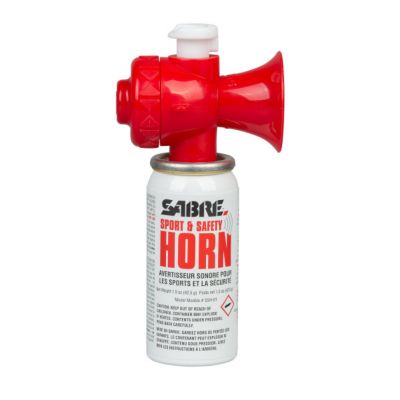
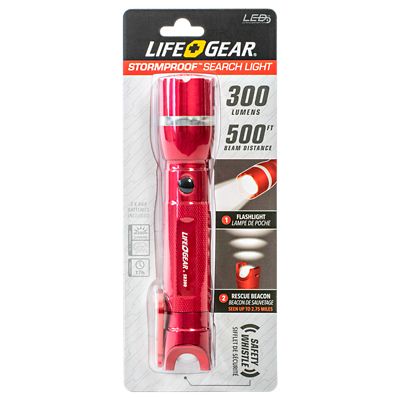
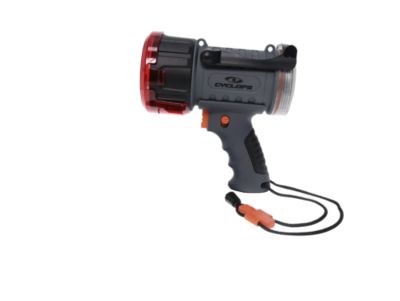
Lighting, navigation, and signaling equipment help campers stay oriented and keep working when daylight runs out. A headlamp leaves both hands free for fastening a tent buckle, checking a scraped knee, or finding a dropped truck key. A handheld light offers a different grip and beam position, which can be handy for checking the path beyond camp. Brightness is only part of the comparison: beam shape, runtime at each setting, switch design, and battery requirements all affect everyday use. A wide beam lights the ground near your feet, while a more focused beam reaches farther down a trail. Adjustable straps should sit securely without pinching, and controls need to be manageable with the gloves a camper expects to wear. Housings, lens protection, and published water-resistance ratings help explain where a light belongs, but those ratings have limits. Rechargeable equipment can simplify routine charging, while replaceable batteries offer another way to carry backup power. Either setup needs enough capacity for the trip, including time beyond the planned return. Navigation equipment provides another kind of backup. Printed maps stay readable without a signal or battery, and a compass has value when the person carrying it knows how to take a bearing and match terrain to the map. Map cases help protect paper from spills and repeated handling. Signaling whistles are small enough to keep on a pack strap, where they remain accessible rather than tucked away in a storage bin. Signal mirrors depend on a clear line of sight and practice, while electronic communication devices depend on power and their stated coverage. A phone is useful, but remote terrain may put a campsite beyond cellular service. Satellite communication equipment has its own activation, service, and operating requirements. For any of these categories, secure attachment points, readable displays, and straightforward controls matter when hands are busy or a camper is tired.
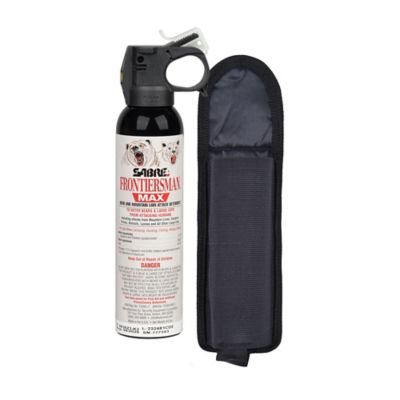
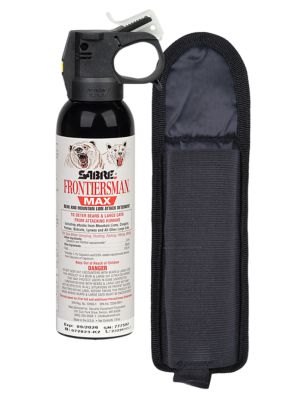
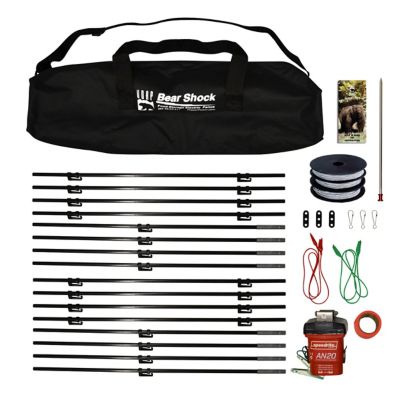
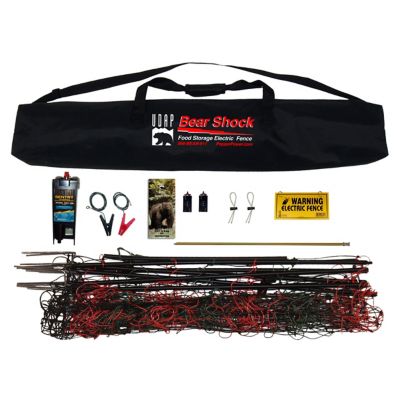
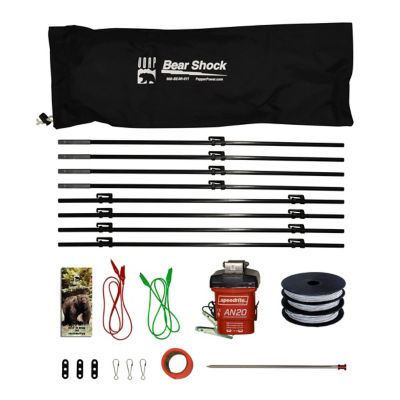
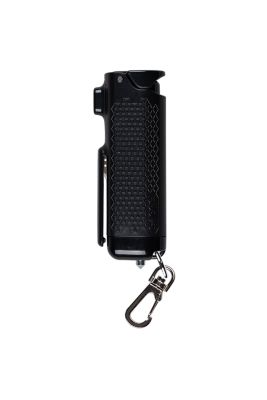
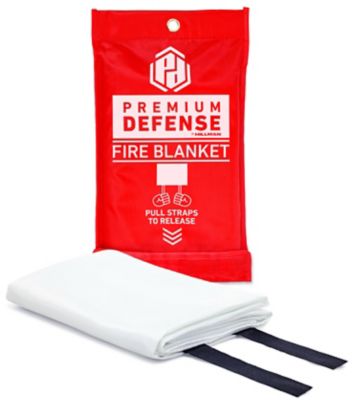
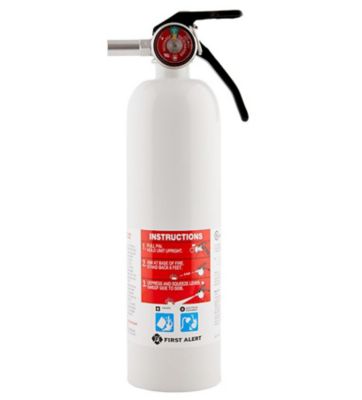
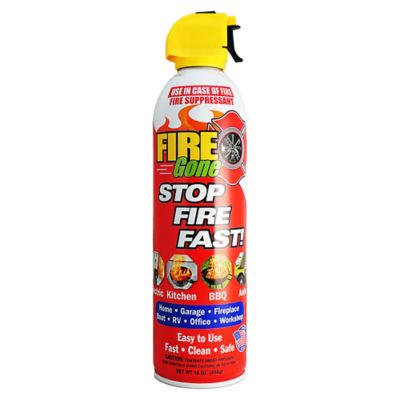
Water treatment, food storage, and fire-safety supplies round out a camping safety setup, with intended use guiding the details. Portable water filters vary in flow rate, capacity, cleaning needs, and the organisms they address. Filtration and chemical treatment are not interchangeable in every situation, so stated treatment capabilities matter more than a broad claim about making water safe. A treatment method intended for certain microorganisms may not address viruses, fuel, or other chemical contamination. Bottle connections, hose fittings, and collection containers also need to work together; a compact setup is less helpful if its parts do not fit the containers coming along. Food storage calls for the same attention to purpose. Keeping snacks, trash, and scented supplies contained helps reduce wildlife encounters, and areas with bear-storage requirements may call for an approved bear-resistant container or a designated storage locker. An ordinary tote or cooler does not automatically meet those requirements. Latches should be manageable for the adults responsible for camp, and containers need enough room for food packaging and waste as well as meals. Fire-starting supplies belong in secure storage and must fit campground rules and local fire restrictions. Equipment intended for putting out a small fire needs to match the potential fuel source, with operating directions kept readable. Across these categories, ongoing care helps preserve function: fabric pouches need thorough drying before storage, filter components need the cleaning specified by their manufacturer, and batteries deserve regular checks for leakage or lost charge. Expiration dates on medical and treatment supplies matter, too. A well-organized setup gives every piece a place, making it easier to notice a missing component before departure. Practical safety gear can also make a thoughtful gift for a new camper, a grown child heading out with friends, or a family building a shared camp kit. For shoppers putting together a broader setup,
Camping Equipment For Beginners offers a natural next stop alongside safety essentials chosen for the people, distance, and campsite involved.