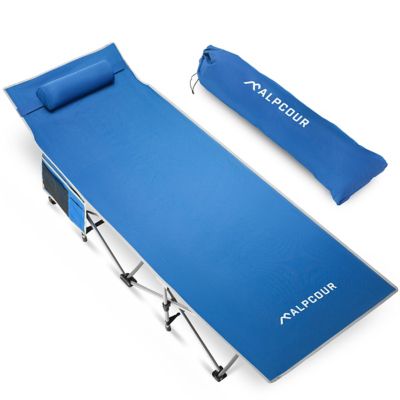
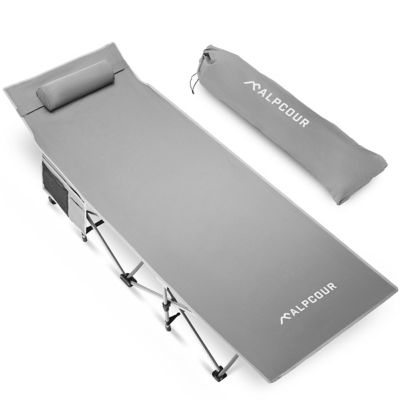
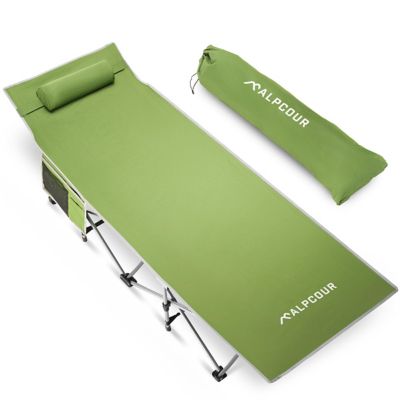
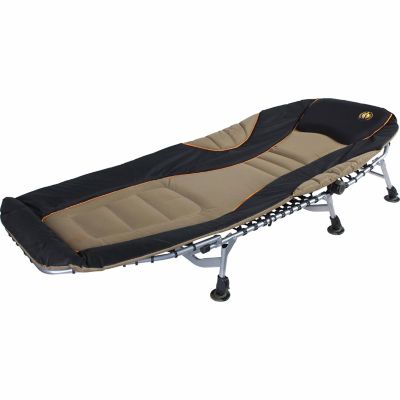
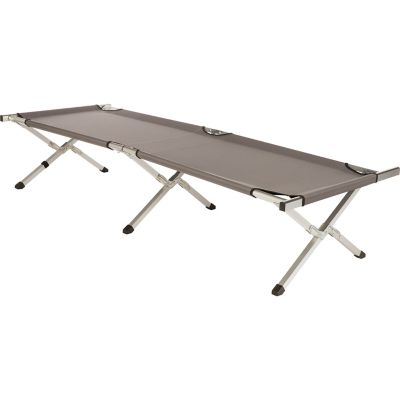
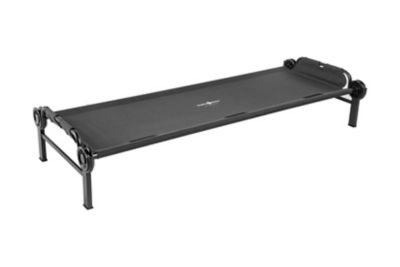
Camping must haves cover the basics of shelter, sleep, food, drinking water, lighting and safety, with the right mix depending on where camp is set up and how much gear has to be carried. A campsite beside the truck leaves room for a roomy tent, folding furniture and a full cooking setup, while a walk-in spot calls for lighter equipment that packs down small. Tent capacity is a starting point, but floor dimensions matter when sleeping pads, duffel bags and a dog’s bed all need a place inside. A vestibule or separate storage area gives muddy boots somewhere to land without crowding the sleeping space. Polyester and nylon tent fabrics keep packed weight manageable, while floor construction, reinforced attachment points and well-finished seams deserve a close look. Aluminum poles generally keep weight down, and steel components make sense when carrying distance is less of a concern. Mesh panels help with airflow, and door placement can make a difference when someone needs to slip out without climbing over everybody else. A properly sized footprint protects the tent floor from abrasion and should sit within the floor’s edges rather than extend beyond them. Sleeping gear deserves the same attention to fit. A sleeping bag needs enough length and shoulder room to settle in comfortably, but extra space also adds to its packed size. Rectangular shapes offer room to move, while tapered shapes usually take up less space in a pack. Sleeping pads provide cushioning and ground insulation; cots raise the sleeping surface and need enough tent height and floor space to fit without pressing against the walls. A compact pillow and a washable liner can make an unfamiliar sleeping spot feel a little more like home. For families, easy-to-reach zippers and simple setup details matter just as much as packed weight. Letting shelter fabrics and bedding dry completely before storage, brushing away grit and checking poles and fasteners between trips helps keep the whole sleep setup ready for the next outing.
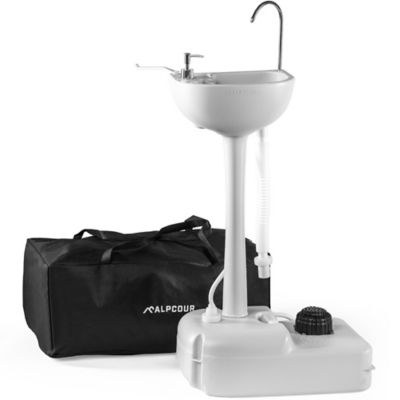
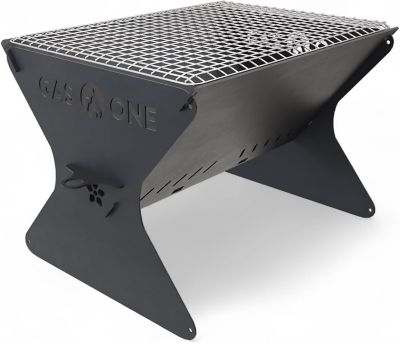
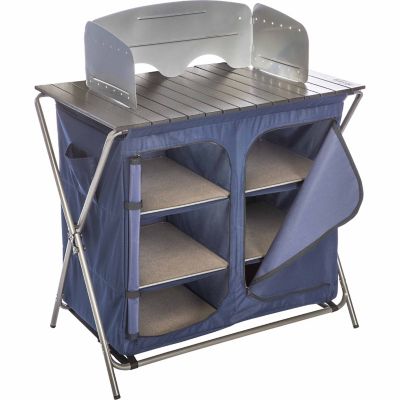
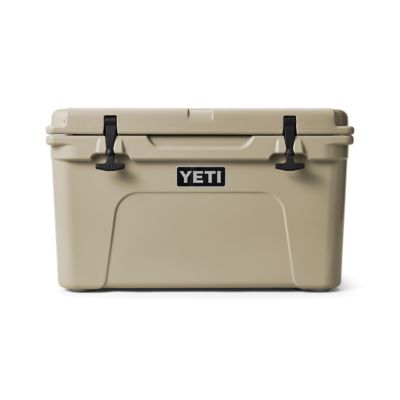
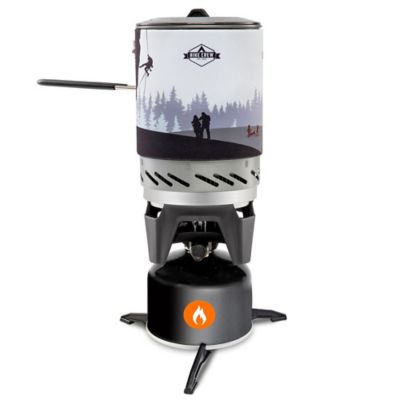
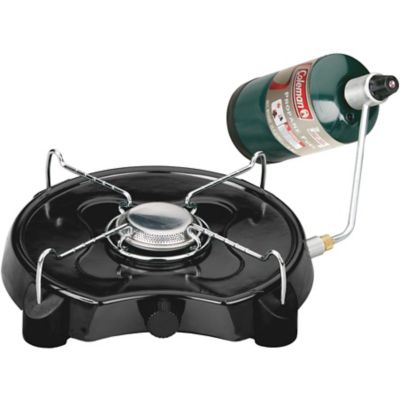
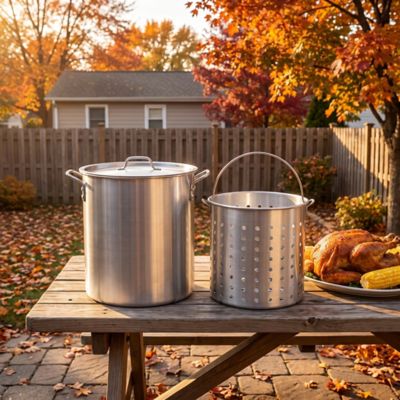
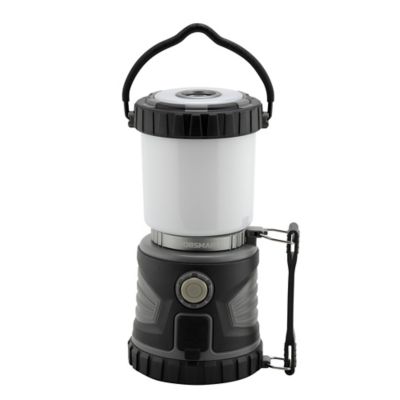
Camp cooking equipment works best when it fits the meals, the group size and the space available for preparation. A simple breakfast and coffee call for a different setup than supper for a truckload of hungry campers. Portable stoves offer a cooking option where permitted, but fuel compatibility, burner spacing and a steady support surface all matter. Fuel-burning stoves belong outdoors, away from tents and other enclosed spaces, with the clearances specified by the manufacturer. Aluminum cookware is easy to carry, stainless steel handles everyday camp-kitchen tasks, and cast iron brings extra weight along with steady heat for skillet meals. Nesting pieces and folding handles help keep the kitchen box manageable, especially when plates, cups and utensils share the same tote. Handles that are comfortable to grip and surfaces that are straightforward to clean make a difference when supper is over and the wash station is a basin on a picnic table. Food storage needs enough room for the whole trip, with perishables kept safely chilled and dry goods protected from spills and pests. A cooler’s loaded weight, lid access and handle placement are worth considering before it has to travel from the truck to the campsite. In areas with wildlife food-storage requirements, approved storage and campground rules take priority over convenience. Drinking-water containers need secure caps, manageable carrying handles and openings that allow thorough cleaning. Treatment equipment must be suited to the water source; a clear-looking creek is not proof that water is safe to drink. Separate wash supplies, trash bags and sealable containers help keep food preparation tidy, and even biodegradable soap belongs away from lakes and streams. After supper, lighting keeps the campsite functional. A headlamp leaves both hands free for washing dishes or finding a zipper, while a lantern spreads light across a table or seating area. Battery type, run time, charging connections and adjustable brightness help determine whether a light suits a short overnight stay or a longer stretch away from an outlet.
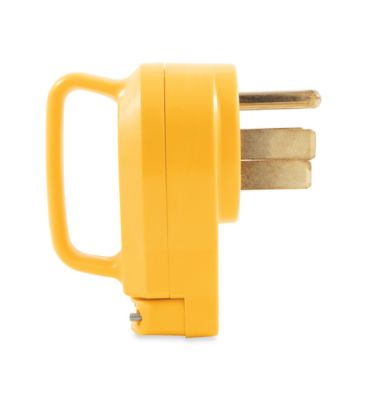
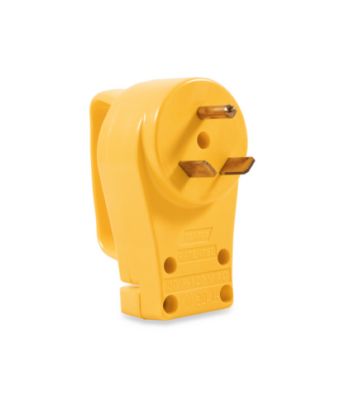
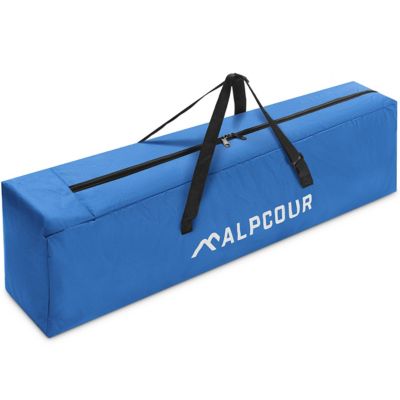
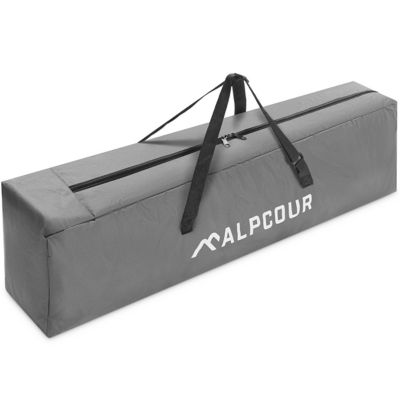
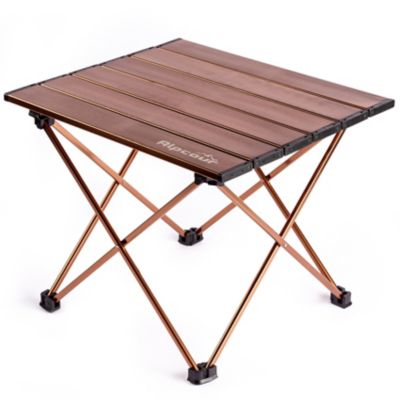
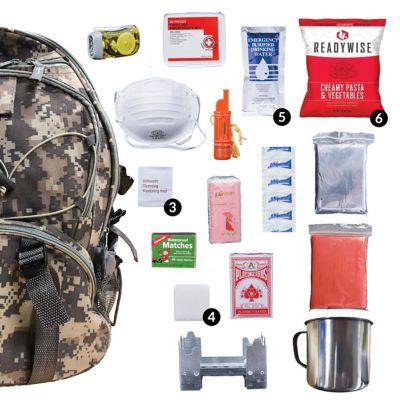
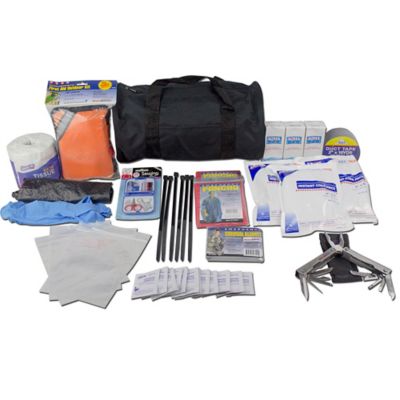
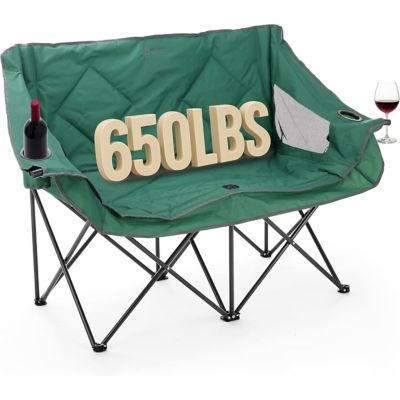
The smaller camping essentials often earn their space when ordinary campsite chores get awkward. A first aid kit belongs somewhere easy to reach, with supplies for minor cuts, scrapes and blisters, plus any personal medications kept according to their storage directions. Navigation equipment provides another layer of preparation: a paper map and compass do not depend on a phone signal, while downloaded maps need enough device power to remain useful. Portable power equipment should match the charging needs and electrical requirements of the devices going along, rather than simply taking up space in the truck. Sun protection, insect protection and personal hygiene supplies round out everyday comfort without needing a separate bag for every task. Footwear fit matters on the walk between the campsite, trail and water station; enough toe room, secure heel support and socks that manage moisture help make that movement more comfortable. Clothing that allows bending, reaching and walking fits camp life better than anything that binds at the knees or shoulders. Around the site, folding chairs benefit from a seat height that makes getting up easy, stable feet and a stated weight capacity suited to the person sitting down. Storage totes and gear bags keep cooking equipment separate from bedding, and grab handles make loading less of a wrestling match. There is plenty of overlap between camping must haves and
Summer Camping Essentials, particularly in cooking, water storage, lighting and campsite organization. Camping gear can also make a practical gift for a new camper, a family building its first setup or someone who enjoys a quiet weekend beyond the driveway. Matching the gear to their carrying space, group size and favorite way to camp makes the gift more useful than adding equipment they have no room to pack. Thoughtful sizing, straightforward care and equipment suited to the trip leave more room for coffee at the picnic table, a good meal and time spent outside.