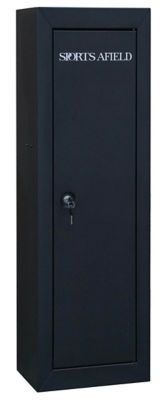
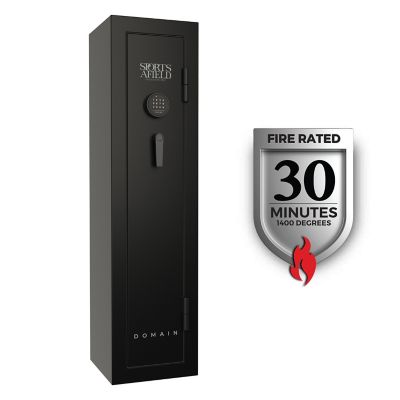
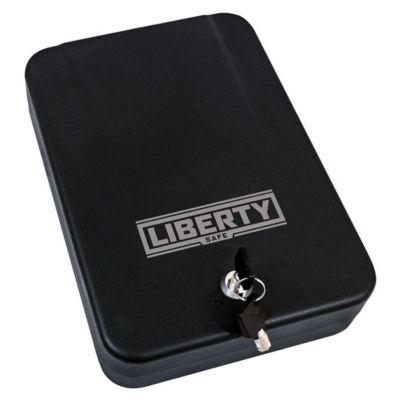
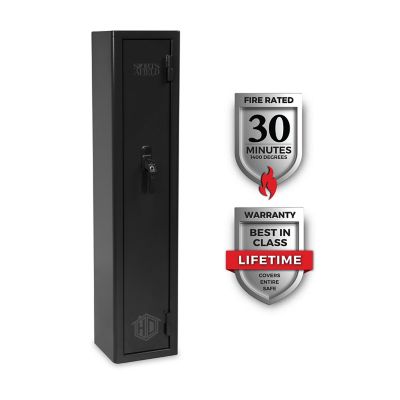
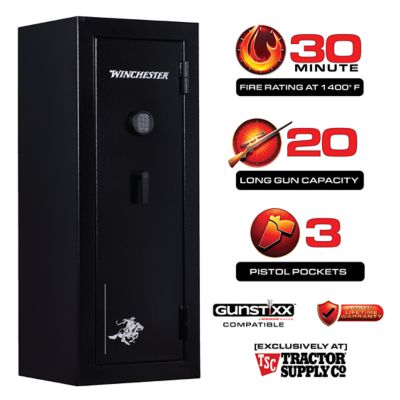
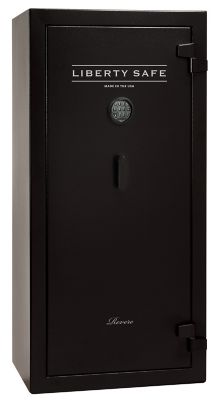
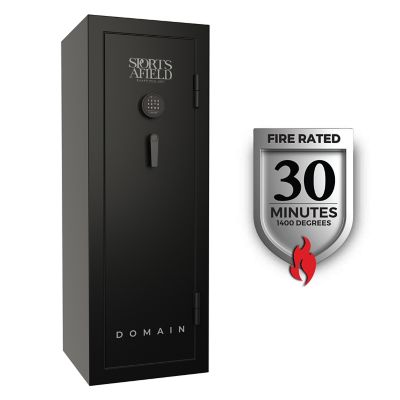
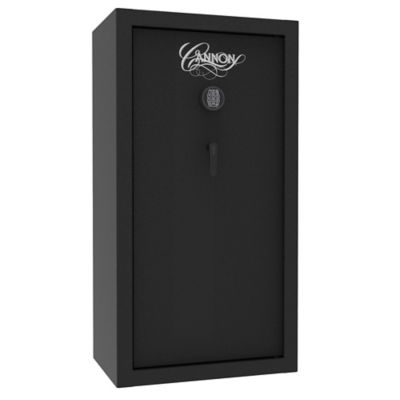
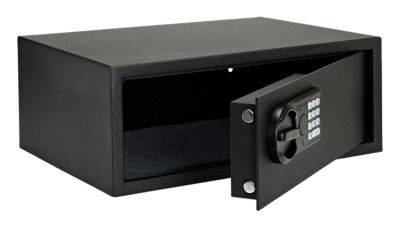
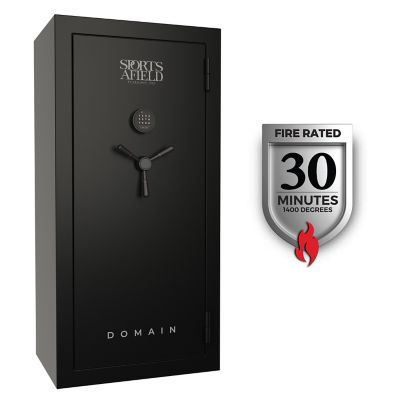
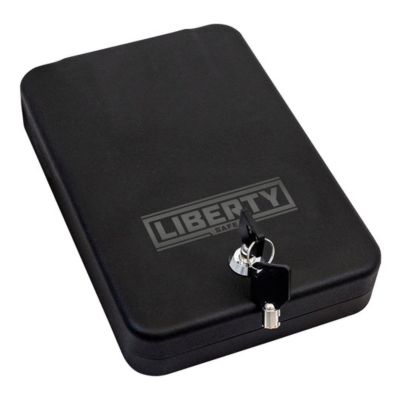
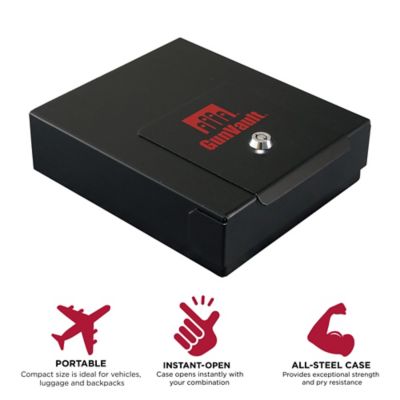
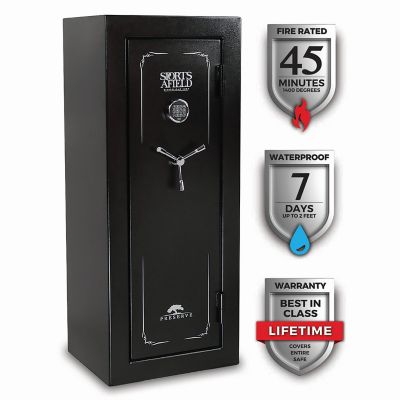
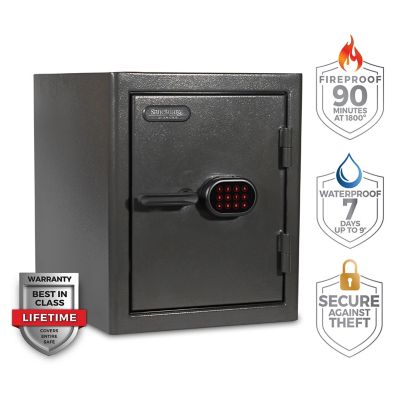
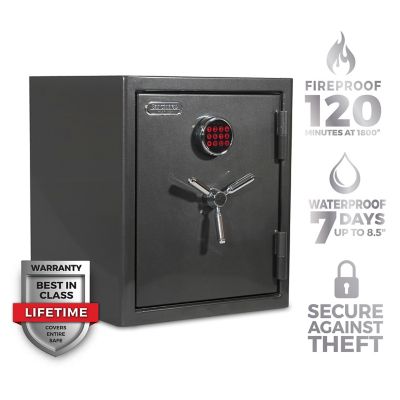
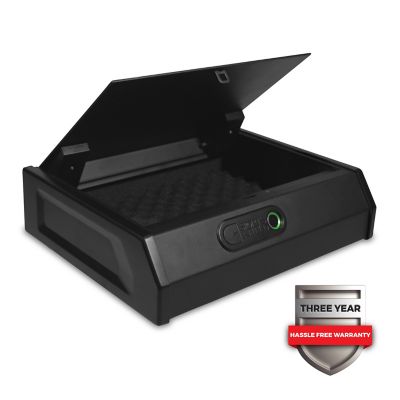
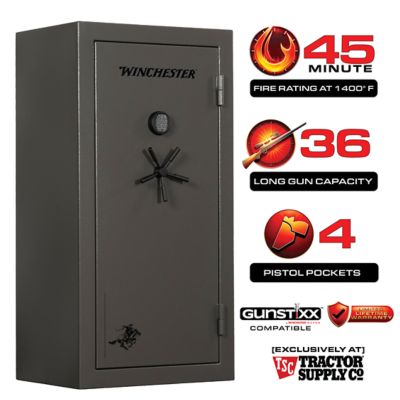
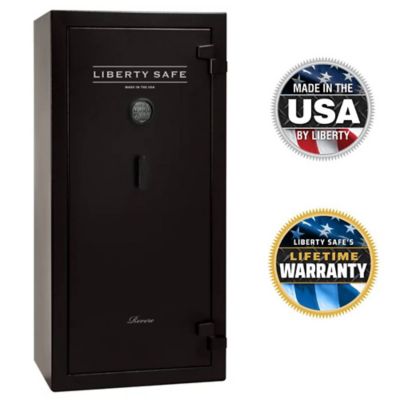
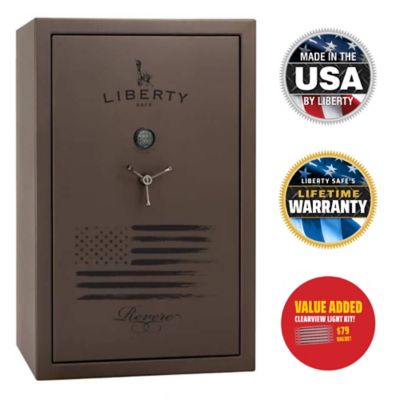
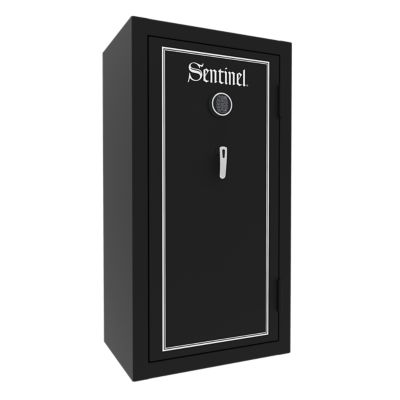
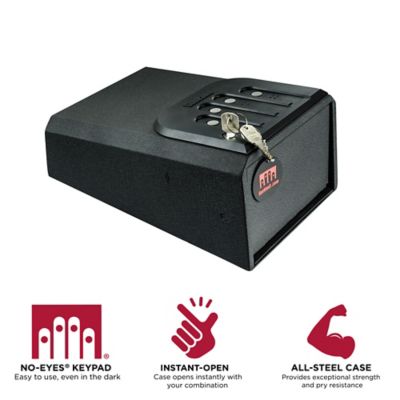
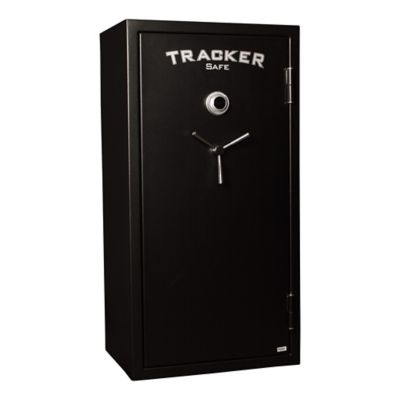
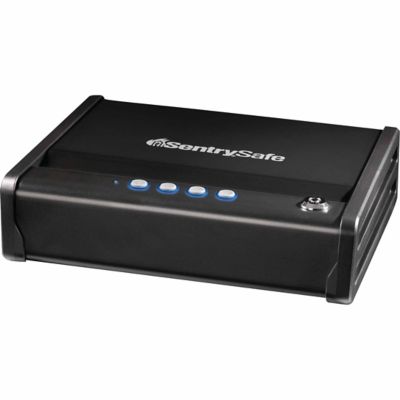
CA DOJ approved gun safes are firearm storage containers intended to help prevent unauthorized access while meeting applicable California Department of Justice requirements. For shoppers, an important distinction sits behind that familiar category name: a firearm safety device listed on the California DOJ roster and a gun safe that meets California’s regulatory safe standards are not necessarily verified in the same way. California recognizes qualifying gun safes under defined construction and locking standards, while its roster identifies certified firearm safety devices. A listing that says “California compliant” should have supporting documentation explaining which requirements the container meets. Check the manufacturer’s specifications and the California DOJ’s official resources rather than treating a keypad, a heavy door, or a general security claim as proof. California’s gun safe standards address features such as the locking system, boltwork, steel construction, and protection against entry by force. Those standards concern firearm security; they do not automatically establish a fire rating or guarantee protection against every theft attempt. In a qualifying firearm purchase, proof of ownership of a compliant safe may satisfy the firearm safety device requirement through the applicable affidavit process. That is separate from ongoing storage responsibilities, and transaction rules and local requirements still matter. For everyday ownership, the practical purpose is straightforward: keeping firearms secured against access by children, visitors, and anyone else without permission. A hunter storing long guns between trips, a target shooter putting equipment away after a range visit, and a rural homeowner sharing a house with family all need storage that suits both their firearms and their living space. Responsible storage also means keeping firearms unloaded, securing ammunition separately, and limiting access to keys, combinations, and backup entry methods. California compliance is one consideration in that setup, not a replacement for safe handling or an excuse to leave access credentials within reach. Clear documentation and a sensible household storage routine matter just as much as the features visible on the outside.
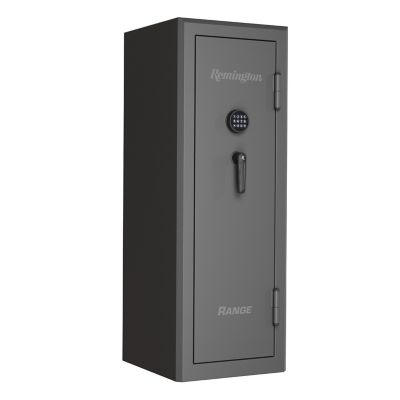
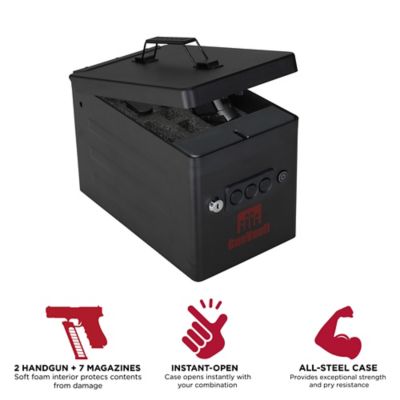
Construction and interior fit determine how well a gun safe works once it is in place. Steel body and door construction, reinforced locking areas, protected hinges, and substantial boltwork all deserve attention, but no single feature tells the whole story. Steel gauge numbers run opposite to thickness: a lower gauge generally indicates thicker steel. Compare the body and door specifications separately, since a thick-looking door may include layers other than steel. Weight can make removal harder, though weight alone does not establish California compliance or resistance to forced entry. Inside, long-gun storage needs enough clearance for the actual firearms going into it, including scopes, extended barrels, and other attached equipment. A stated gun capacity often reflects a tight arrangement rather than the elbow room needed to lift a scoped hunting rifle out without bumping its neighbor. Allowing extra space helps protect finishes and makes it easier to return each firearm to its assigned spot. Adjustable shelves, padded rests, lined walls, and compartment layouts can help separate long guns, handguns, paperwork, and small valuables without crowding the locking mechanism. Padding should be clean and intact, and nothing should obstruct the door or its bolts. For a compact handgun safe, usable interior dimensions matter more than exterior measurements; the firearm must fit without forcing it against the lid or controls. Placement deserves the same care. Measure doorways, hallway turns, stair clearances, and the safe’s door swing before choosing a size. A narrow closet may hold the cabinet but leave too little room to open it fully or reach the shelves. Larger safes may call for professional moving and an assessment of floor support, especially above ground level. Where the manufacturer provides anchoring points, installation into a suitable structural surface can help resist tipping and removal. Follow the specified mounting method rather than assuming any nearby wall or floor will hold. A well-planned location keeps the safe accessible to authorized adults without putting it along a busy household walkway or leaving its contents on display whenever the door opens.
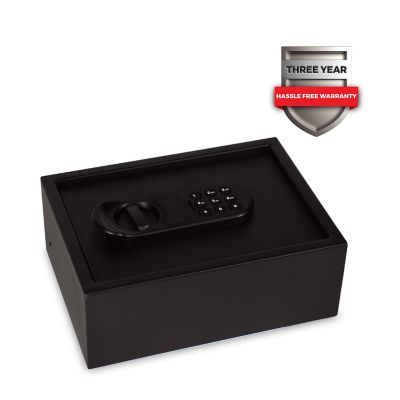
Lock choice affects the small, repeated steps of everyday storage. A mechanical combination lock avoids battery changes but calls for careful dialing and a combination that stays private. An electronic keypad offers code entry and may support separate access codes, depending on its design. Fingerprint readers offer another way to enter, though their operation can vary with finger placement, dirt, and the condition of the reader. For someone coming in from chores with dusty hands, the backup entry method deserves as much attention as the fingerprint feature. Connected designs may add entry alerts, access records, or remote status checks; the
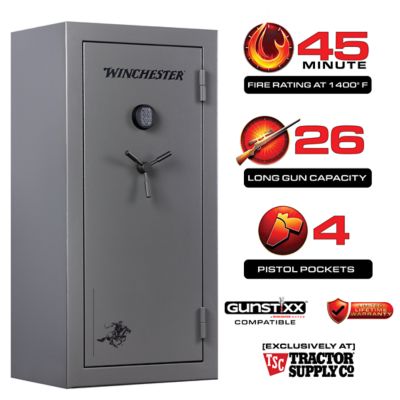
Smart Safes page covers another storage category for shoppers comparing those functions. Electronic features do not establish California approval, and connectivity should never take the place of sound physical security. Check how a lock behaves when its battery runs low, where backup power connects, and how authorized access works if a phone or network connection is unavailable. Keep override keys somewhere secure and separate from the safe, not in a nearby drawer that anyone can open. Day-to-day care is usually simple but should follow the manufacturer’s directions. Wipe exterior surfaces with an appropriate soft cloth, keep the keypad and fingerprint reader clean, inspect mounting hardware periodically, and replace batteries on the recommended schedule. Apply lubricant only where the instructions call for it; putting oil into a lock without guidance can cause trouble. Interior liners should remain clean and dry, and stored firearms still need their own prescribed care. If fire protection matters for documents or other belongings, compare the stated test conditions, duration, and testing organization separately from the California compliance claim. Fire resistance and burglary resistance measure different concerns, and neither means a safe is invulnerable. The best fit is a container with documented compliance, enough room for the intended contents, a lock that authorized adults can operate consistently, and an installation suited to the home. That combination supports a straightforward habit: put firearms away securely after every outing, confirm the door has locked, and keep control of who can open it.