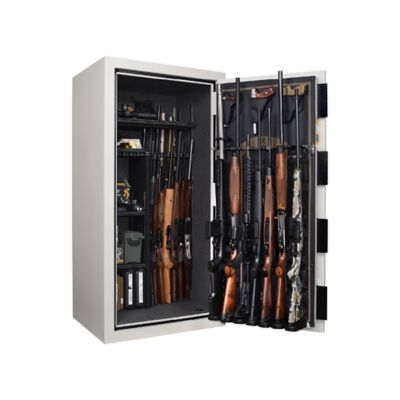
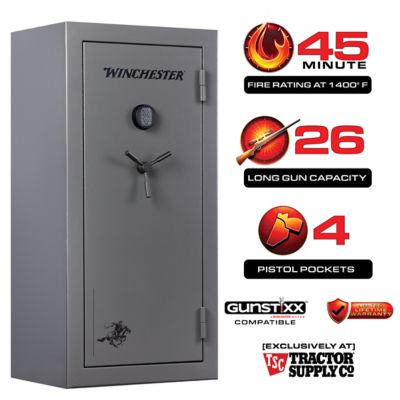
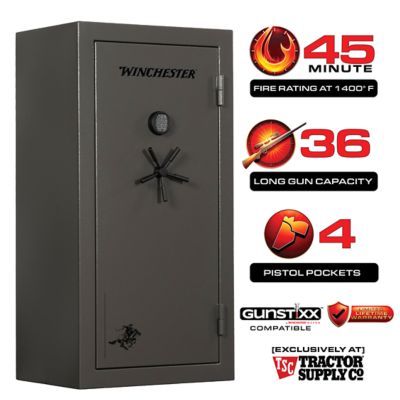
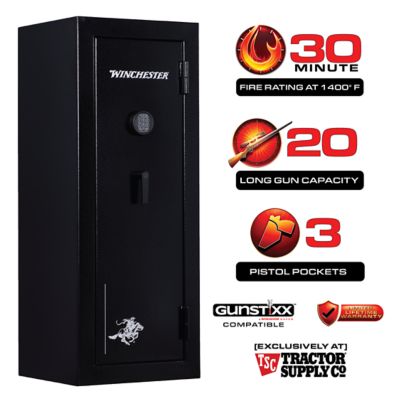
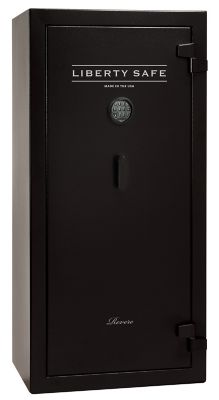
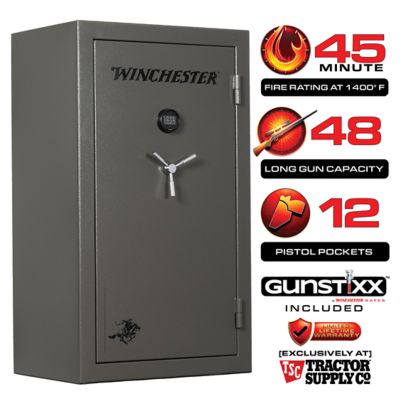
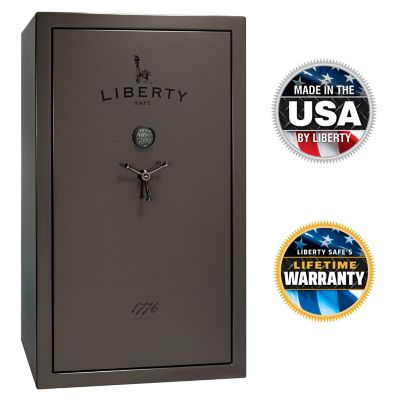
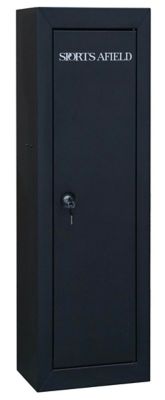
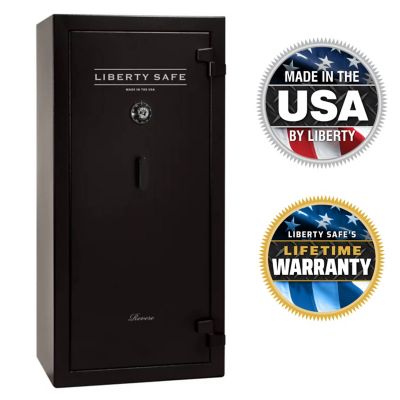
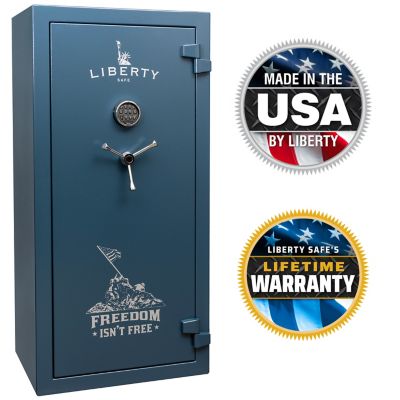
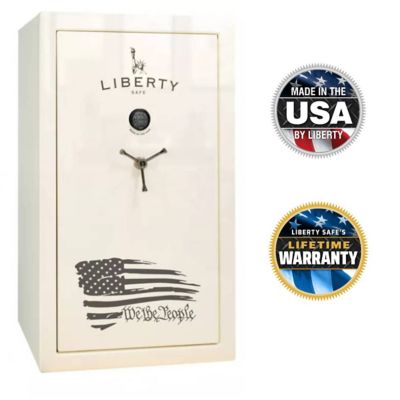
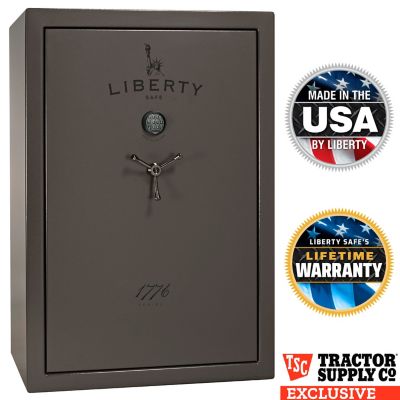
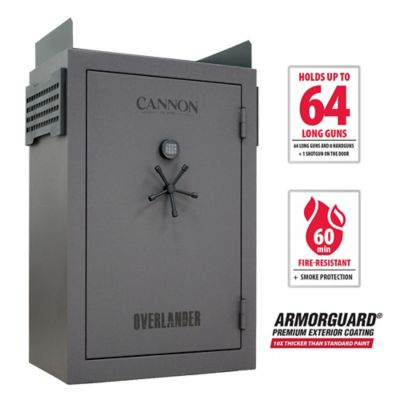
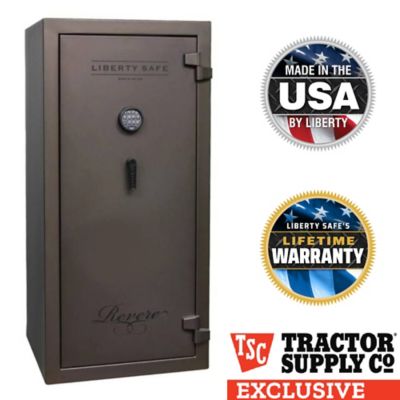
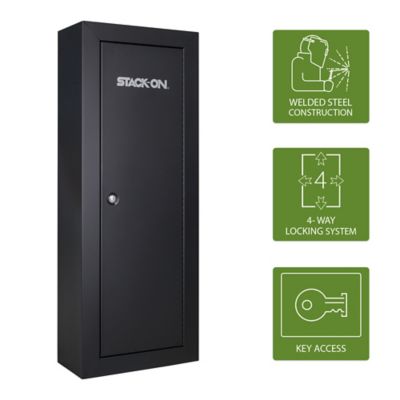
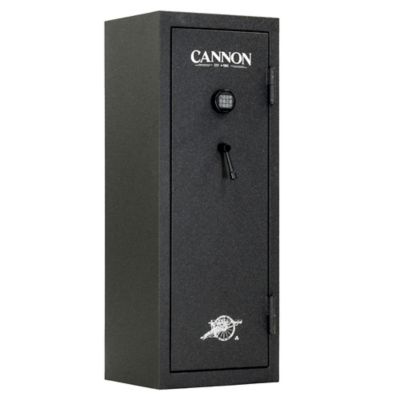
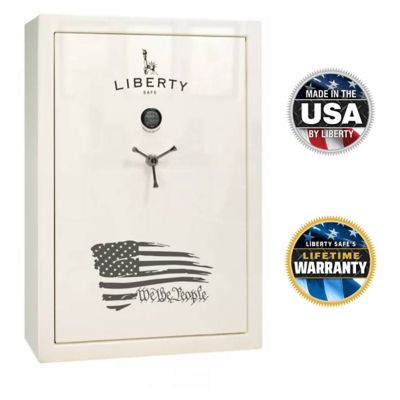
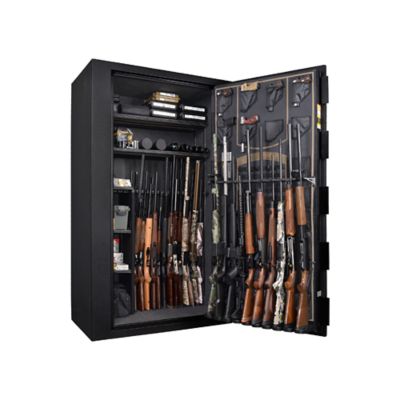
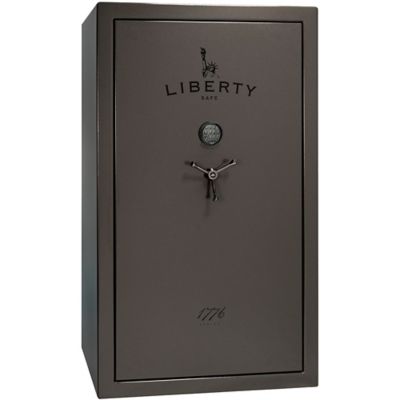
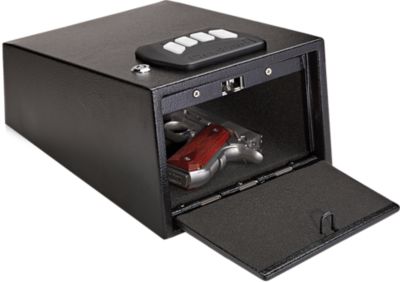
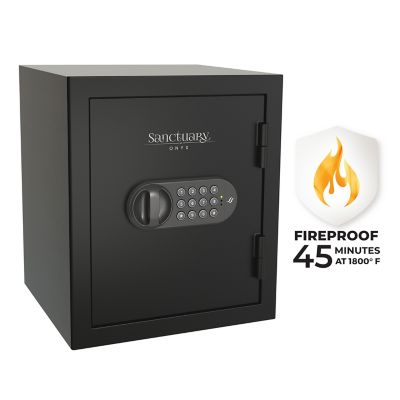
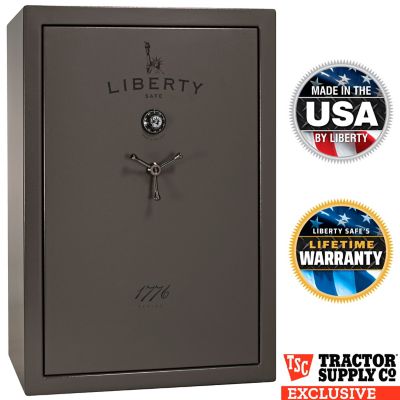
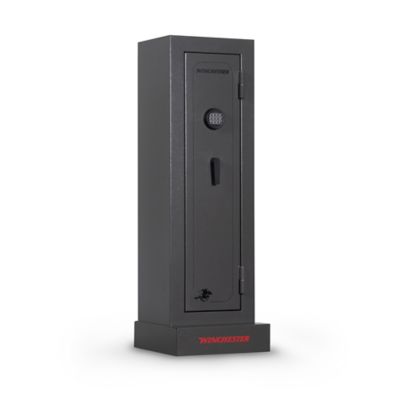
Rifle safes give long guns a dedicated, locked place in the home, helping limit unauthorized access and reduce the risk of theft. For hunters, target shooters, and farm or ranch households, that means keeping firearms secured rather than leaning behind a door or sitting in an unlocked closet. These enclosures generally have steel bodies, reinforced doors, and interior supports that hold rifles upright or secure them horizontally, depending on the design. Full-size upright safes offer room for several long guns and may include shelves for other belongings. Compact and under-bed rifle safes fit different spaces, while modular designs can make getting an enclosure through a narrow doorway more manageable. Security cabinets serve a related purpose, but their lighter construction generally offers less resistance to a determined attack than a heavier safe with stronger doors and locking hardware. Steel thickness, door construction, frame reinforcement, and the way the locking bolts engage all matter more than a rugged-looking finish. When steel gauge is listed, a lower gauge number generally means thicker steel, though that number alone does not describe the strength of the entire enclosure. A UL Residential Security Container, or RSC, classification indicates performance against a defined tool-attack test; it does not mean a safe cannot be opened by force. Fire protection is a separate consideration. Not every rifle safe has a fire rating, and ratings can come from different test methods. A stated rating should identify the exposure time, test temperature, and other relevant conditions so the claim has some context. A fire-resistant liner and expanding door seal may help limit heat exposure, but neither makes an enclosure fireproof. Fire ratings describe performance under particular test conditions, not a guarantee that every firearm, optic, or document will survive a house fire. For a household choosing between storage styles, it helps to treat access control, theft resistance, and fire protection as separate features rather than assuming one covers all three.
The right fit starts with the firearms themselves, not just the number printed beside a safe’s capacity. A slim rifle without an optic takes up less room than a scoped hunting rifle with a wide stock, sling, or attached bipod. Advertised gun counts may reflect a tightly packed arrangement of smaller firearms, so leaving extra space can make everyday handling easier and help keep stocks and scopes from knocking together. Interior height matters for long barrels, while usable depth determines whether a scoped rifle can sit comfortably with the door closed. Door organizers and interior shelves can take up some of that room, even when the outside dimensions look generous. Adjustable barrel rests, padded contact points, and movable shelving let the interior suit a mix of long guns without forcing everything into the same arrangement. A separate shelf can keep small accessories from settling around the rifle stocks, and interior lighting makes it easier to see into the back corners. Outside the safe, placement deserves just as much attention. A wide cabinet may clear the room’s doorway but still run into trouble at a hallway turn, stair landing, or low overhead opening. The delivery path, the safe’s weight, and the floor’s load capacity all belong in the fit discussion, especially in an older farmhouse or on an upper level. Heavy safes may call for professional moving and an assessment of the supporting floor. Door swing also needs room: a safe tucked beside a wall may not open far enough to reach every shelf or remove a long gun comfortably. Manufacturer-approved anchoring can help resist tipping and removal, provided the fasteners and installation suit the building surface. A solid, level location away from plumbing leaks and excess moisture supports both the enclosure and its contents. A spare-room corner or dedicated storage room may work better than a busy passage where the open door gets in everybody’s way.
Lock choice shapes how a rifle safe fits into the household routine. Mechanical dial locks do not depend on batteries, while electronic keypads offer combination entry without turning a dial through a sequence. Biometric locks recognize enrolled fingerprints, though performance can vary with finger placement, dirt, cuts, or the condition of the sensor. Some locking systems include a backup key or another recovery method; those details matter when planning who should have access and how access can be restored. Backup keys need a secure location separate from the safe, not a nearby drawer that defeats the point of the lock. Combination changes, battery replacement, and lock maintenance should follow the manufacturer’s directions, with access codes kept away from children and other unauthorized people. Routine care is usually straightforward: wipe the exterior with a soft cloth, check hinges and locking hardware as directed, and avoid putting oil or cleaners into a lock unless the manufacturer calls for it. Inside, moisture deserves attention because a closed steel enclosure does not automatically prevent rust. A compatible dehumidifier or moisture-control accessory can help manage humidity, and a small humidity monitor makes conditions easier to track. Firearms should be clean and dry before storage, with padded supports checked for wear or trapped moisture. Safe storage also means keeping firearms unloaded, following firearm and safe manufacturers’ instructions, and securing ammunition separately in keeping with applicable laws and household needs. A locked enclosure adds an important barrier, but it does not replace safe handling or responsible control of keys and combinations. For deeds, identification papers, and other household valuables that need their own storage space,
Home Safes offer another category to consider, with protection features matched to those contents. A well-fitted rifle safe keeps long guns organized, limits handling during storage, and gives the household a clear place for firearms to stay secured between trips to the range or time in the field.