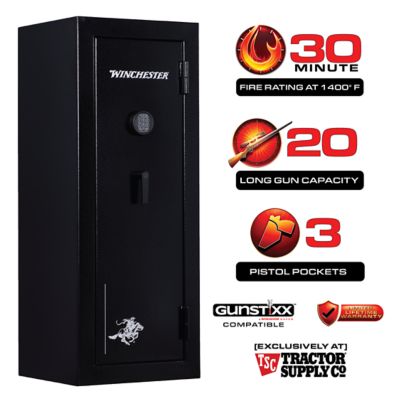
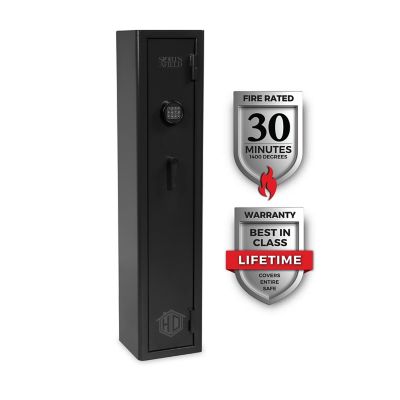
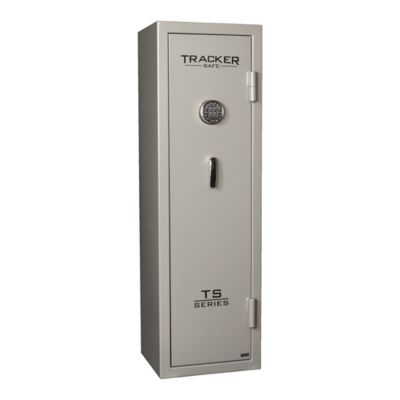
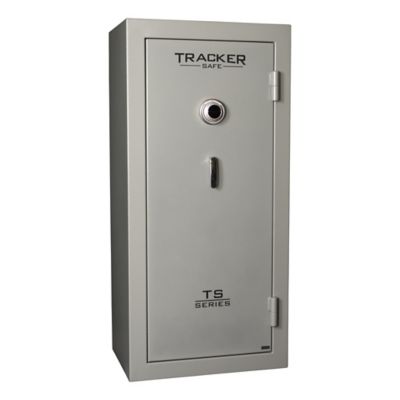
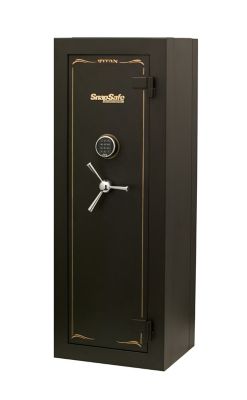
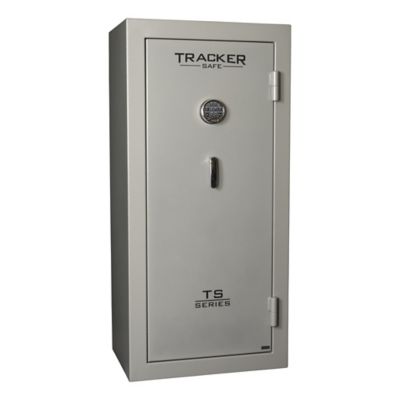
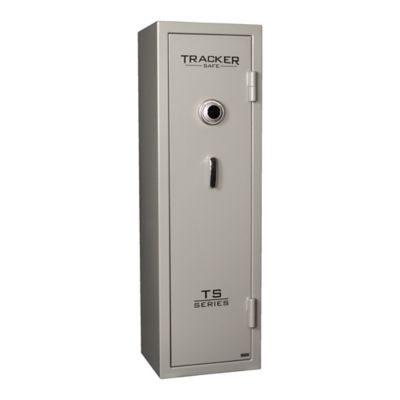
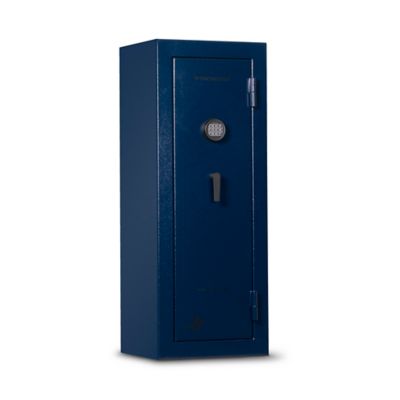
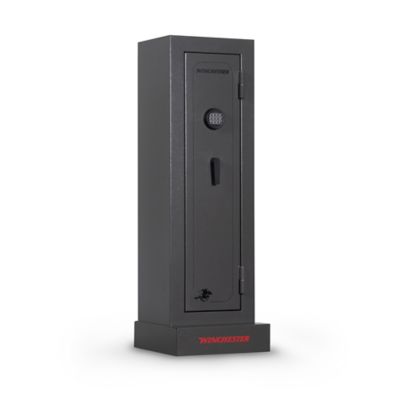
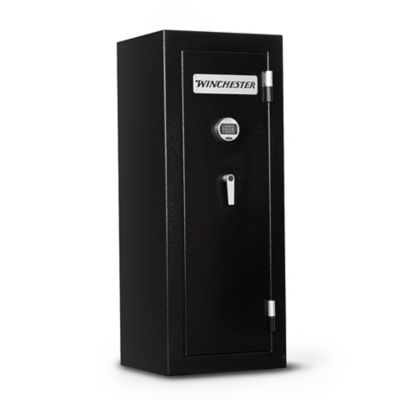
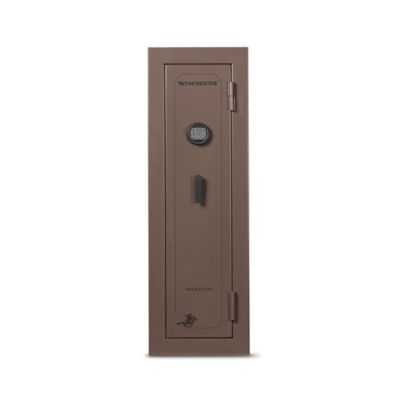
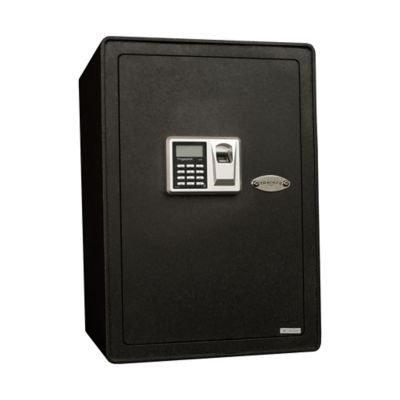
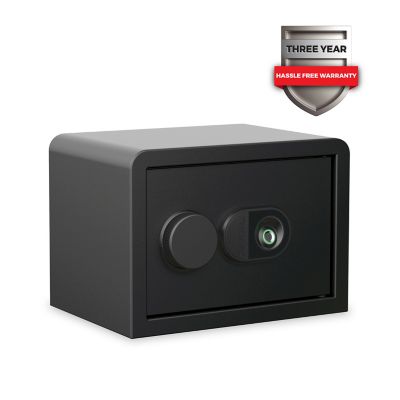
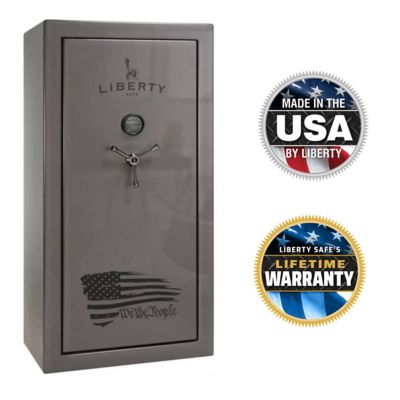
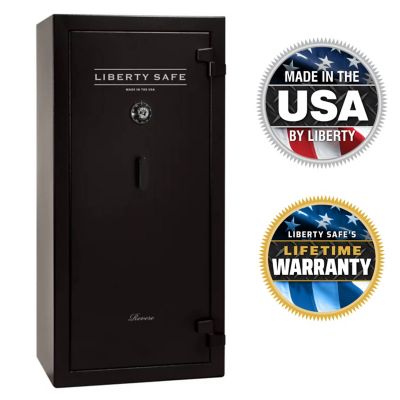
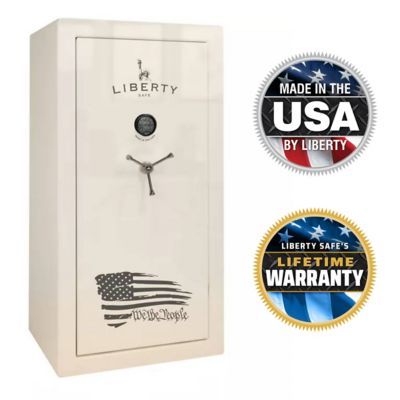
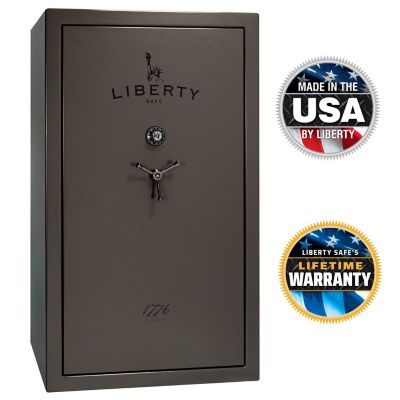
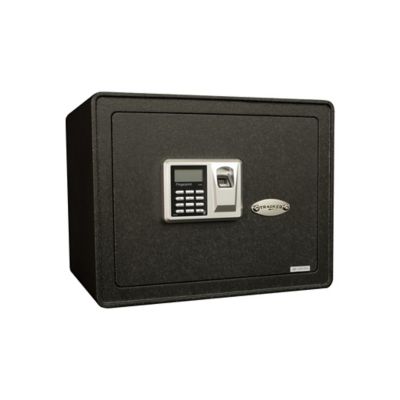
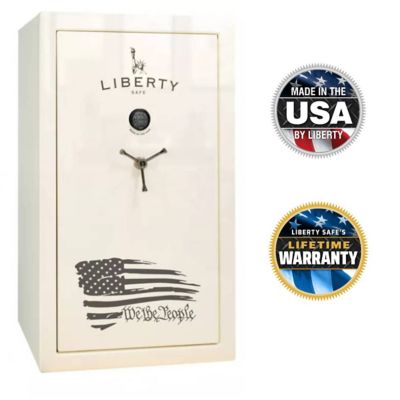
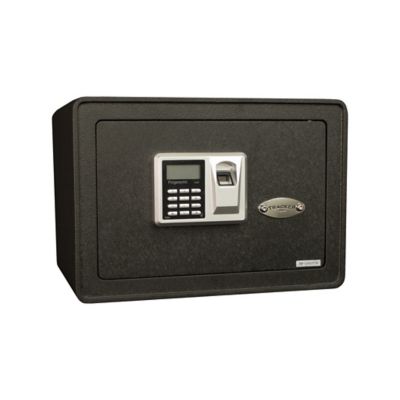
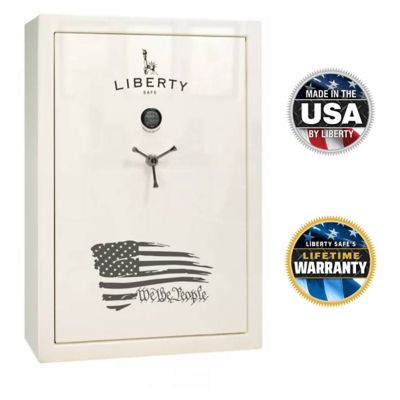
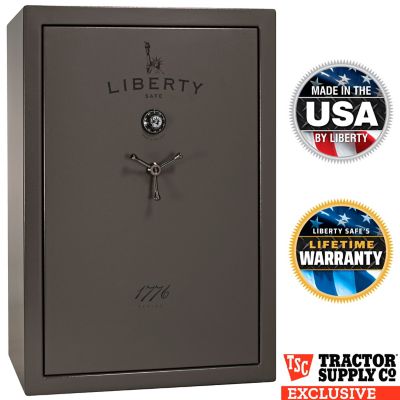
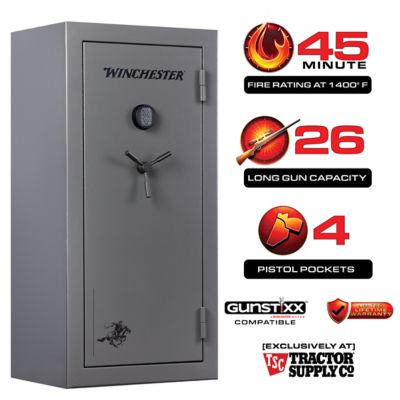
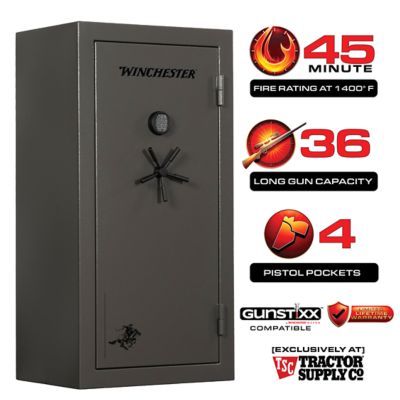
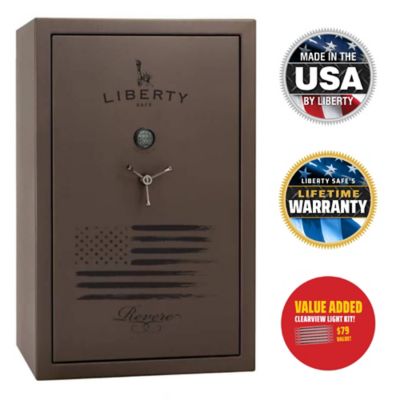
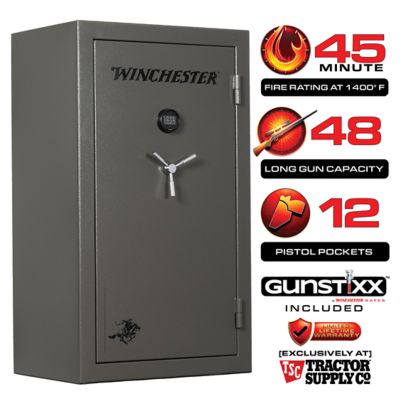
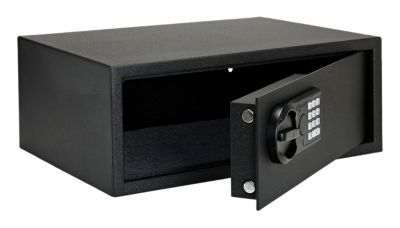
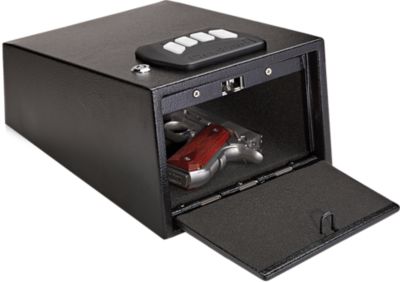
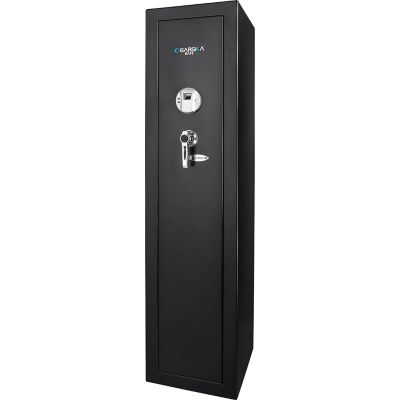
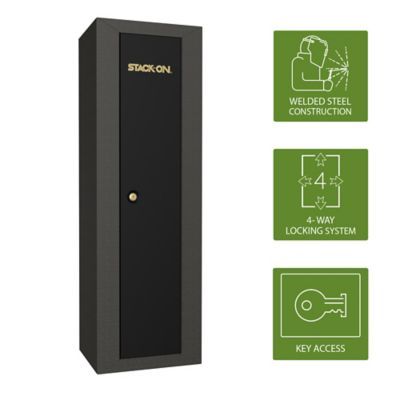
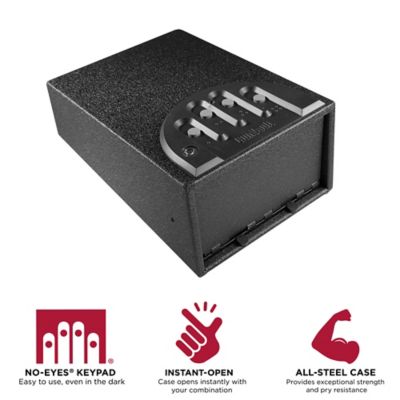
A closet gun safe is a lockable firearm-storage unit sized to fit inside a closet, keeping rifles, shotguns, or handguns secured without taking over a room. Its main appeal is straightforward: dedicated storage that makes good use of a smaller footprint and stays out of everyday sight. Narrow steel cabinets and heavier gun safes can fit similar spaces, but their construction, locking systems, and protection levels can differ considerably. A basic locking cabinet is not necessarily built or tested to the same standards as a safe with reinforced walls and a substantial locking mechanism. For a ranch house with limited spare space, a smaller home, or a bedroom closet that also holds clothes and work boots, those differences matter as much as exterior size. Closet gun safes generally favor an upright layout, with long-gun storage below and room for smaller belongings above or along the door, depending on the design. The best fit accounts for more than the width of an empty corner. Baseboards, shelving, hanging clothes, door trim, and the closet opening all affect how comfortably a safe sits and how fully its door can open. Exterior measurements may exclude handles, hinges, or other projections, so the manufacturer’s dimensional details deserve a close look. Interior measurements matter just as much, since thick walls and door assemblies reduce usable storage space. A tall, narrow safe might fit behind a closet door yet leave too little room to reach the back of its interior. Enough clearance to see inside, operate the lock, and handle an unloaded firearm without bumping the doorway makes everyday ownership less awkward. Delivery access belongs in the same conversation: a safe must pass through the home’s entrances, halls, and turns before reaching its final spot. Its weight and the floor’s load capacity also affect placement, especially above ground level. Closet storage works best when the safe fits the space without blocking normal household access or interfering with a clear path through the room.
Steel construction, door reinforcement, and the locking system shape what a closet gun safe can offer beyond simple organization. Steel thickness is one useful comparison, but it does not tell the whole story. Door design, hinge protection, locking-bolt placement, and the strength of the surrounding frame all contribute to resistance against forced entry. Published security certifications or testing details give more concrete information than broad claims about strength. Lock choices bring their own practical differences. A mechanical combination lock does not depend on batteries, while an electronic keypad may make entering a code more convenient for an authorized adult. Biometric locks depend on the design and performance of the reader, and any backup entry method needs the same careful control as the main lock. Keys, combinations, and reset information should stay away from children and anyone else who should not have access. Tucking a safe behind hanging clothes can keep it less noticeable, but concealment is not a substitute for a sound lock or proper installation. Anchoring provisions are another important feature, particularly with tall, narrow designs that could tip or be carried away. Installation needs to follow the manufacturer’s directions and account for the supporting floor or wall; a qualified installer can help where the structure or anchoring method is uncertain. Fire protection is a separate consideration from resistance to forced entry. Some closet gun safes carry stated fire ratings, while others focus on locked storage without a fire-protection claim. A rating makes more sense when paired with its test standard, stated duration, and information about who performed the testing. No rating guarantees that contents will survive every house fire. Fire resistance also does not automatically mean protection against water. These distinctions help match the safe to the job, whether the main concern is restricting household access, adding a stronger barrier against theft, or seeking documented protection for firearms and important papers stored alongside them.
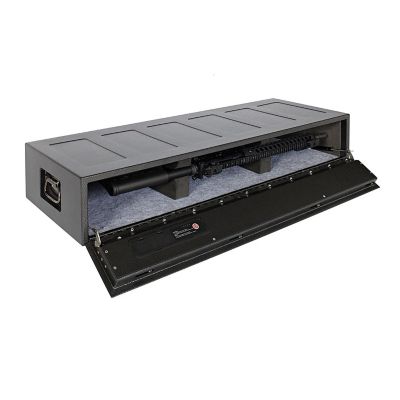
Inside a closet gun safe, a workable layout can matter more than a large capacity number on the label. Advertised gun counts depend on how firearms are arranged and may not reflect the space needed for scopes, wide stocks, or other attached equipment. A few scoped hunting rifles can take up more room than the same number of slimmer long guns. Barrel rests, padded racks, and lined contact surfaces help keep firearms separated and reduce rubbing against finished surfaces, while adjustable shelves allow space for locked cases, documents, and other permitted belongings. Shelf weight limits and the manufacturer’s storage recommendations still apply. Door-mounted pockets can organize small accessories, but anything projecting inward can reduce clearance when the door closes. A layout with a little breathing room is often easier to manage than one packed from side to side. For households weighing an upright footprint against a lower storage profile,
Horizontal Gun Safes offer another layout to consider where vertical clearance is limited. Whichever shape fits the home, responsible firearm storage remains the foundation: firearms should be unloaded and locked away, with ammunition secured separately, and access limited to authorized adults. A safe supports those habits rather than replacing them. Care is usually straightforward but should follow the safe maker’s directions. Dust and grit around a lock or door edge can interfere with operation, and abrasive cleaners can harm painted finishes or interior materials. Electronic locks need the specified batteries and timely replacement according to their instructions. Moisture control also deserves attention in an enclosed closet; a suitable monitor or manufacturer-approved moisture-control accessory can help owners keep an eye on conditions that encourage corrosion. Clear space around the door and access to the lock make routine checks easier. For hunters, sport shooters, and households keeping inherited firearms, a well-matched closet gun safe brings storage into an ordinary part of the home while keeping security, careful handling, and practical organization at the center.