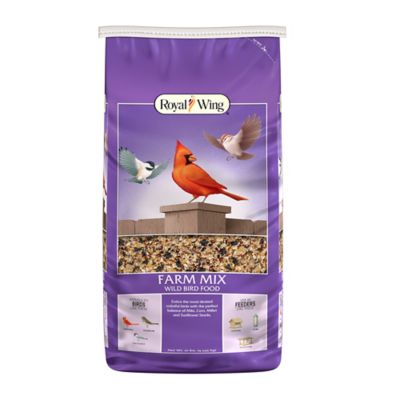
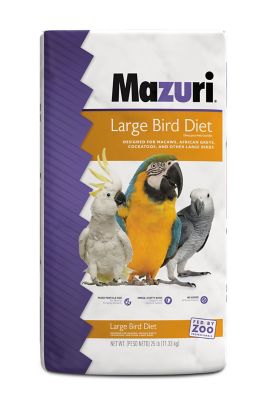
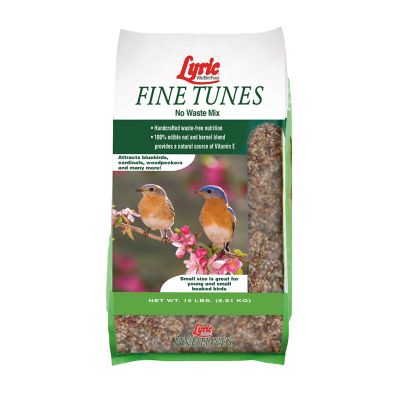
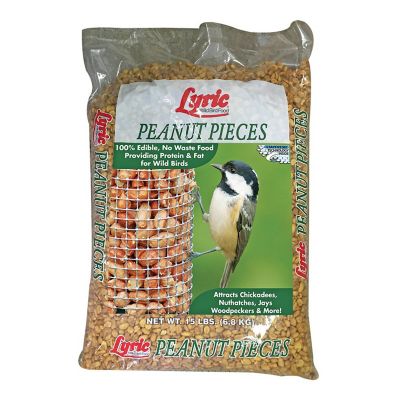
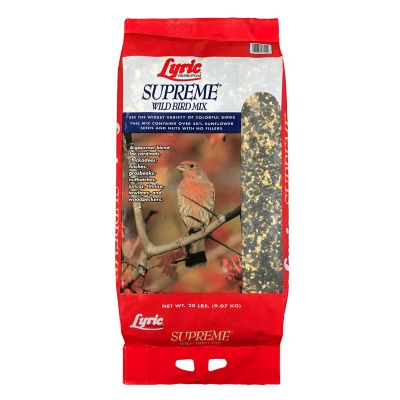
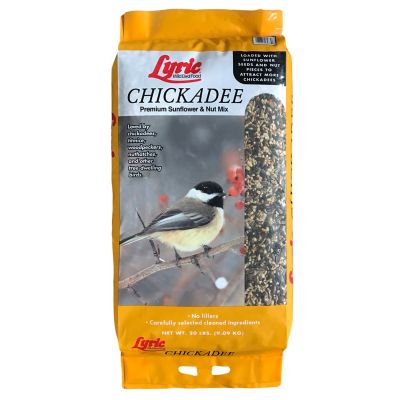
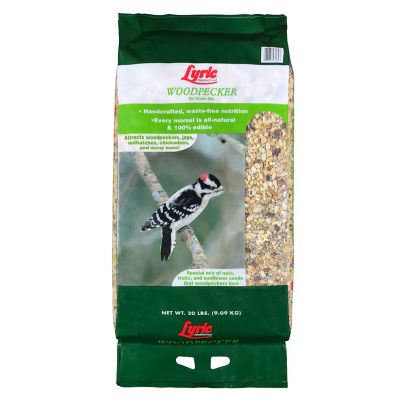
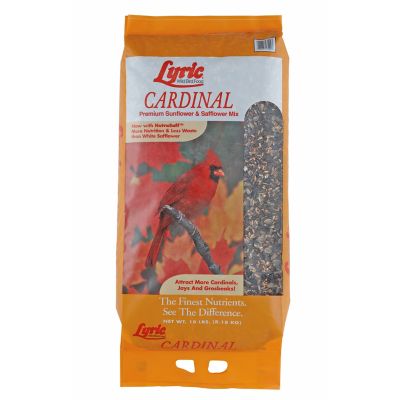
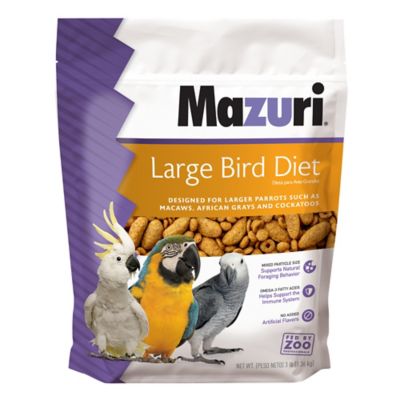
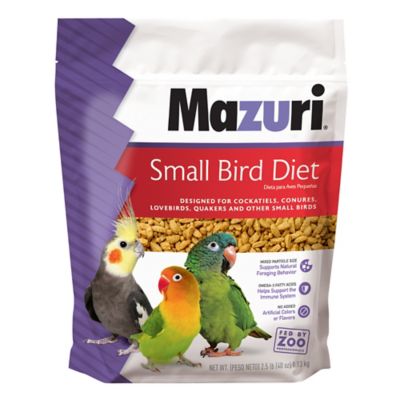
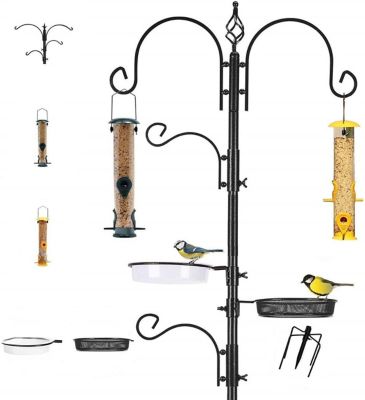
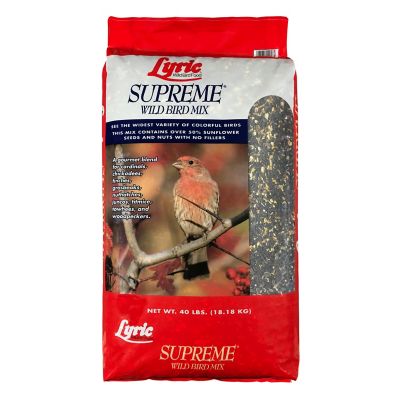
A bird food chain describes the way energy moves through a living ecosystem, beginning with sunlight and ending with the birds and predators that depend on one another. Sunlight gives plants the energy they need to grow, and those plants become the foundation of the chain. Grasses, shrubs, flowers, trees, and seed-producing plants provide food and shelter for insects, small mammals, and birds. In a backyard, field edge, woodland, or wetland, birds may feed on seeds, grains, berries, nectar, or insects depending on the species and the season. Seed-eating birds such as finches and sparrows often fill the role of primary consumers when they eat plant material, while birds that gather insects from tree bark, garden beds, and fence rows occupy another important place in the food web. Insect-eating birds such as bluebirds, swallows, and robins help connect plant life to larger animals by feeding on caterpillars, beetles, grasshoppers, and other invertebrates. Their presence is part of a much bigger natural pattern, one that can be seen in a pasture where grasses feed insects, in a hedgerow full of berries, or beside a creek where birds pick through damp leaves for small prey. Bird food chain products can help support birdwatching and outdoor learning by bringing some of these natural relationships closer to home. They may be useful for families, teachers, youth groups, new birdwatchers, and anyone who enjoys keeping an eye on the activity around a porch, garden, barn, or wooded property.
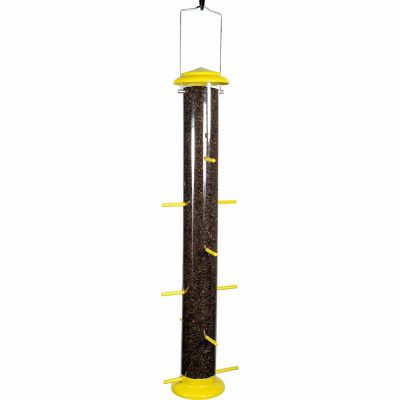
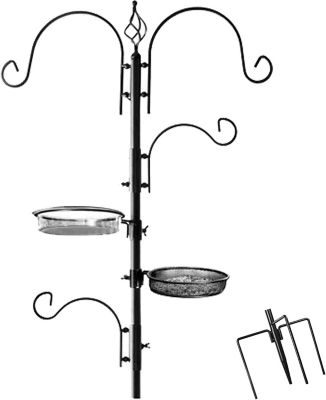
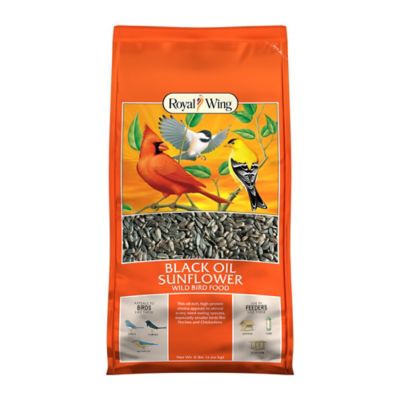
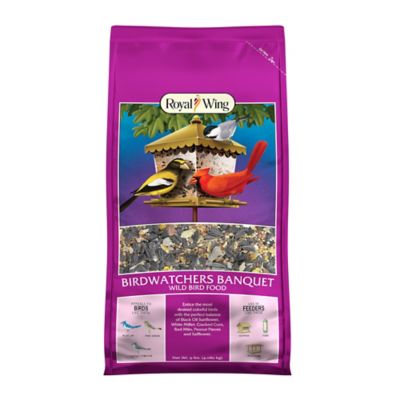
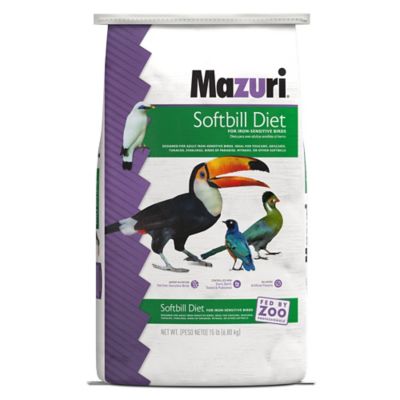
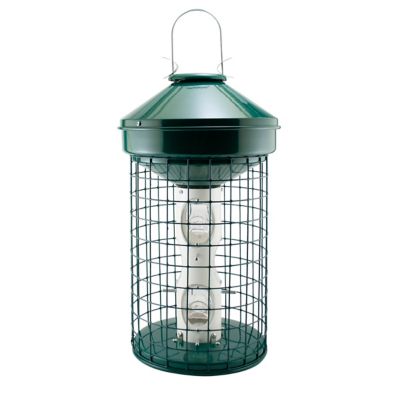
When choosing items for bird feeding and observation, consider the birds that naturally live in the area, the amount of space available, and how often the feeding spot can be checked and cleaned. A quiet corner near shrubs or low branches gives birds a place to pause and may offer cover when they need to move quickly. Open areas can make it easier to watch visiting birds, while a location set away from heavy foot traffic may help shy species settle in. Feed intended for seed-eating birds should be fresh, dry, and suited to the local bird population, since different birds have different bill shapes, feeding habits, and preferences. Some birds feed comfortably from elevated stations, while others prefer to forage closer to the ground or search beneath plants and fallen leaves. During the cooler months, dependable food can be especially welcome as insects become less active and natural supplies may be harder to find, though native plants, clean water, and natural cover remain important parts of a healthy habitat. Keeping feeding areas tidy helps reduce spoiled food, standing moisture, and unwanted buildup. It is also smart to choose durable materials that can handle outdoor weather, simple cleaning, and regular use. A small setup near a kitchen window can make a thoughtful gift for a grandparent, neighbor, child, or friend who enjoys nature, while a larger arrangement may suit a rural household, classroom, community garden, or wildlife enthusiast. For shoppers comparing ways to attract and observe backyard birds,
Garden Bird Feeders can be part of a broader outdoor setup built around convenient access, safe placement, and easy upkeep.
Birds also play an important role farther up the food chain. Insect-eating birds help limit insect populations, while larger birds may feed on smaller birds, rodents, reptiles, or other animals. Hawks, falcons, owls, and eagles are near the top of many local food chains, although the exact pattern changes from one habitat to another. A woodland food chain may begin with oak leaves, seeds, and fallen fruit, move to insects and small birds, and continue to a larger bird of prey. In a grassland, grasses can support grasshoppers and mice, which in turn provide food for songbirds, snakes, hawks, and owls. Wetlands bring their own mix of plants, fish, frogs, insects, and birds. When plants and animals die, decomposers such as fungi, bacteria, and worms break down that material and return nutrients to the soil. Those nutrients help new plants grow, sending the cycle forward again. This is why bird feeding is best viewed as one small part of a living landscape rather than a replacement for natural habitat. Offering suitable food, keeping water fresh, leaving some native cover in place, and avoiding overcrowding at feeding areas can make outdoor spaces more inviting while respecting the needs of wild birds. Products in the Bird Food Chain theme may fit a range of uses, from introducing a child to the basics of producers, consumers, predators, and decomposers to helping an experienced birdwatcher create a comfortable place to enjoy the changing activity outside. As weather shifts and daylight changes, a well-kept feeding area can bring a steady bit of life to the yard, with quick flashes of wings, soft calls from the tree line, and the familiar rustle of birds searching for their next meal.