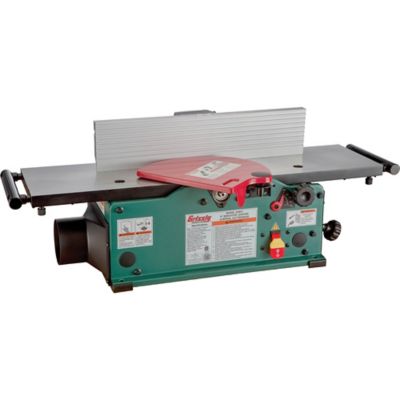
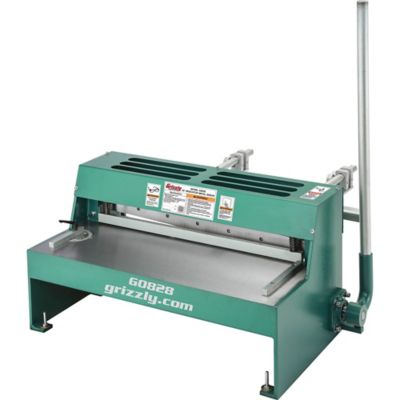
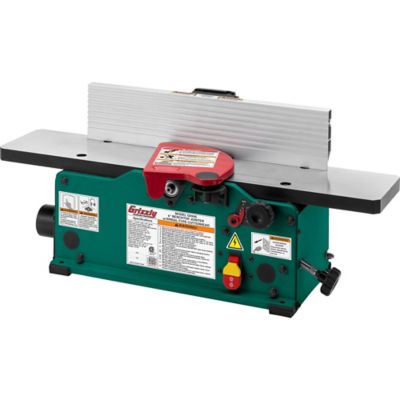
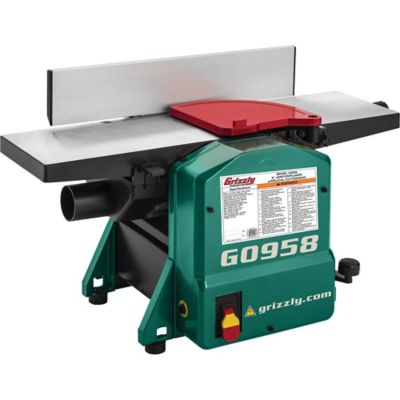
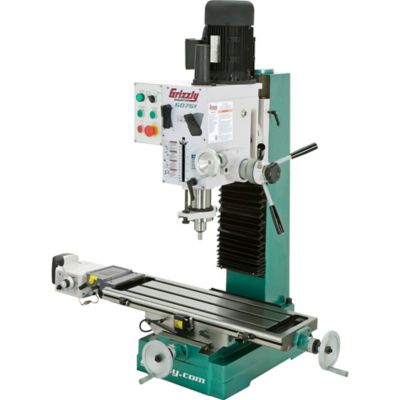
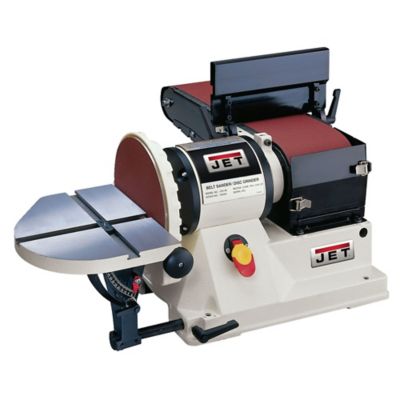
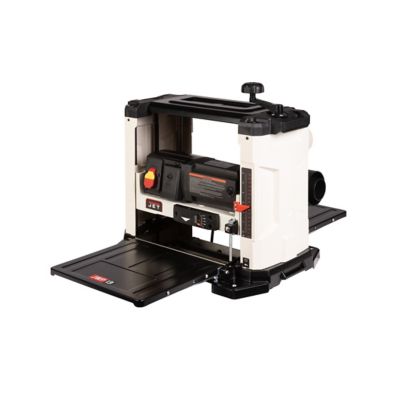
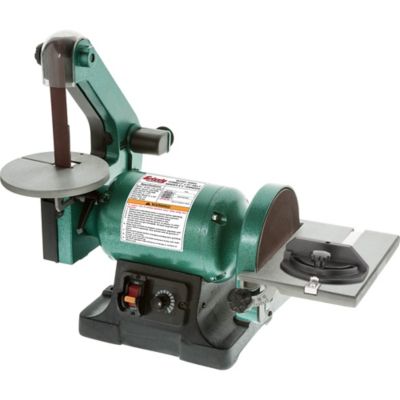
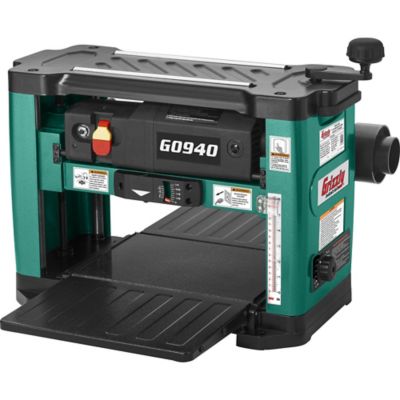
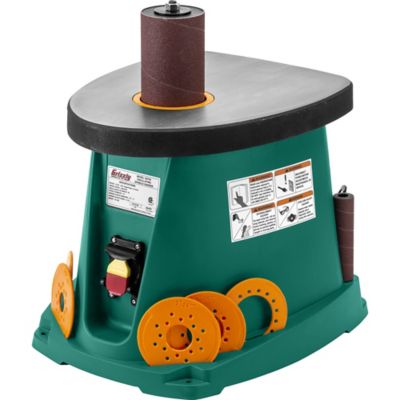
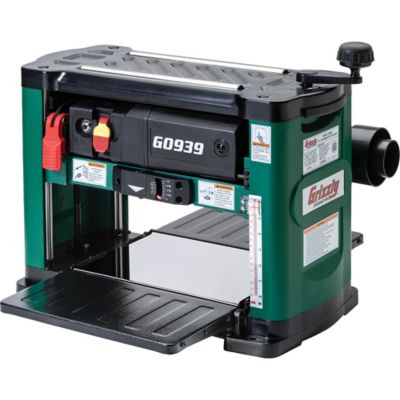
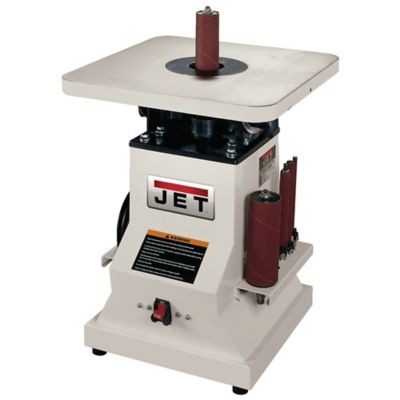
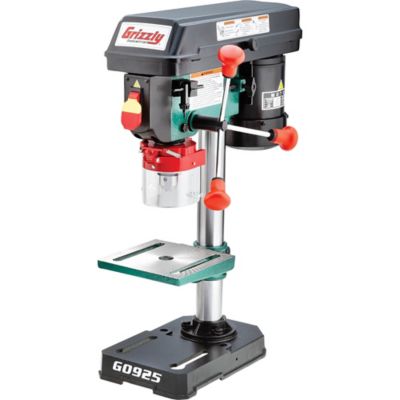
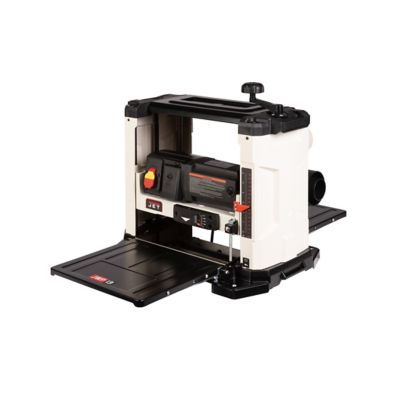
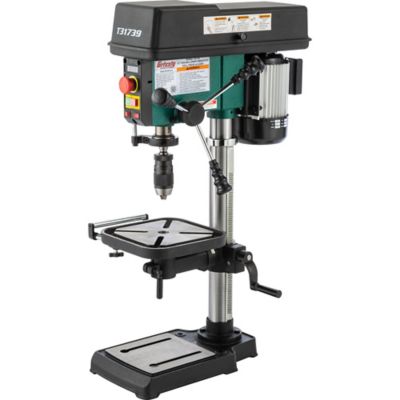
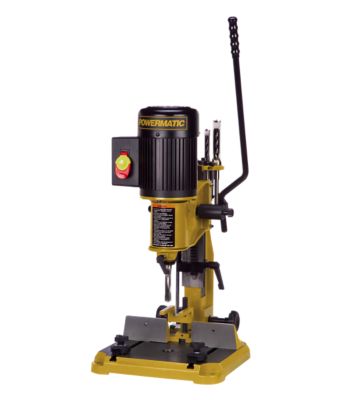
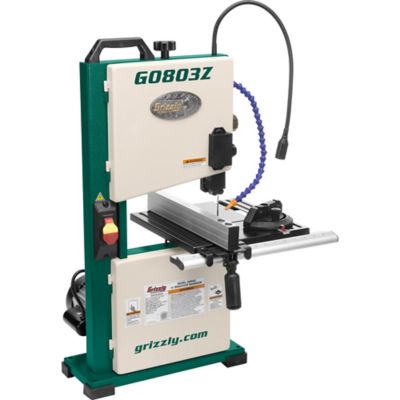
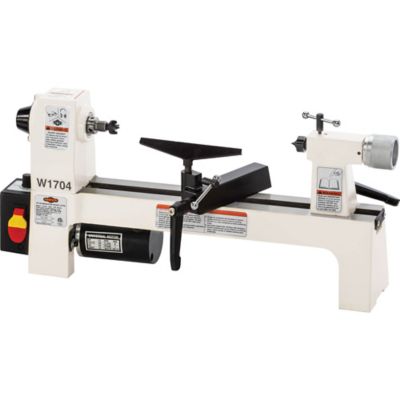
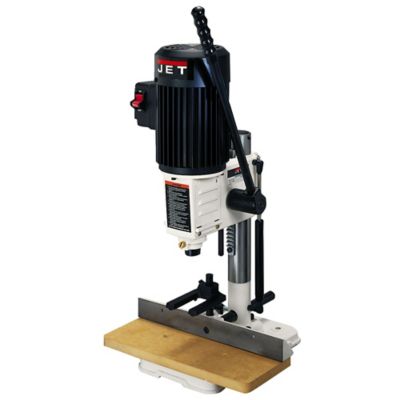
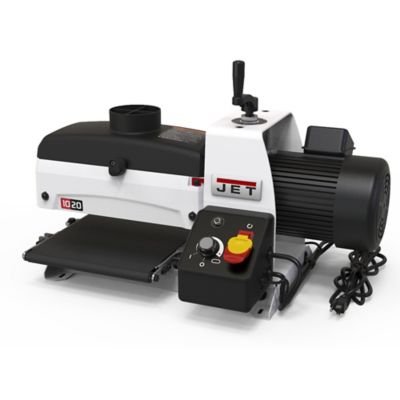
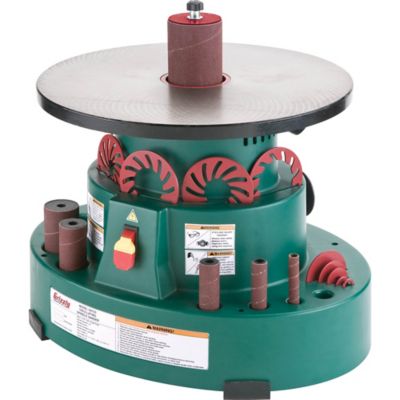
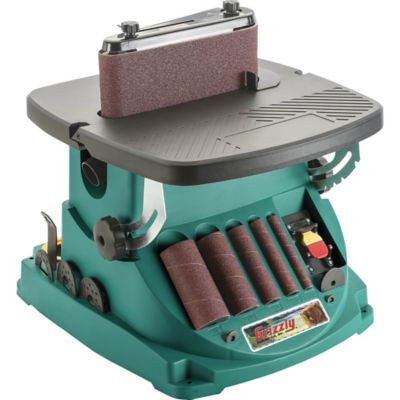
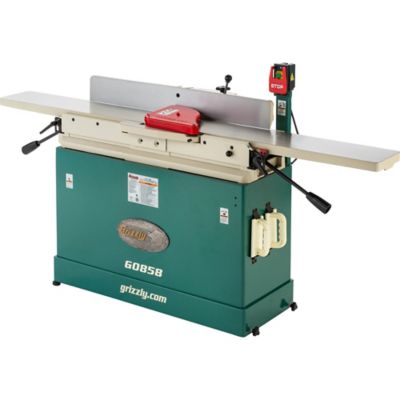
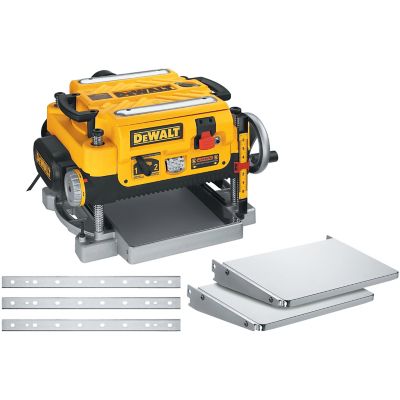
Benchtop tools are compact, stationary power tools designed to operate on a sturdy workbench, table, or compatible stand. They bring controlled cutting, drilling, sanding, grinding, and other shop tasks to a smaller workspace without requiring the floor space of larger stationary machines. For a garage woodworker, a farm repair shop, or someone making room for more hands-on projects, that smaller footprint can make a big difference. A benchtop drill press helps keep holes aligned when making brackets or fitting hardware, while a bench grinder handles suitable metal shaping and sharpening jobs. Benchtop saws, sanders, and planers serve different purposes, from cutting project parts to smoothing edges or bringing boards to a consistent thickness. Each tool has its own working capacity, and compact size does not mean every machine handles the same materials or workload. The right fit depends on what regularly lands on the bench: short pieces for a storage rack, hardwood parts for furniture, or steel hardware for an equipment repair. Cutting depth, drilling capacity, sanding surface, and maximum material width tell more about that fit than the overall size of the housing alone. Motor ratings and speed ranges also matter, though ratings are not always directly comparable across tool types. Adjustable speeds can help match the operation to the material and attachment, within the machine manufacturer’s limits. For repeated work, features such as adjustable stops, fences, and clear measurement scales can help keep parts consistent. A broad table supports wider pieces, while a tilting table adds flexibility for angled work where the tool permits it. Benchtop tools earn their place by giving common jobs a steady working position, whether the project is a set of shelves for the tack room or replacement parts for a shop cabinet. Their value comes from matching the machine’s capabilities to the work, rather than expecting a small footprint to do every job in the shop.
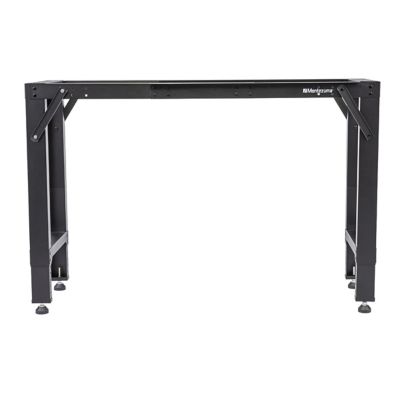
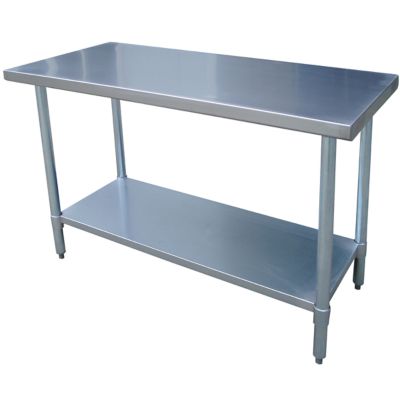
Construction and workspace fit deserve just as much attention as cutting or drilling capacity. Cast-iron bases and tables add weight that can help steady a machine, while steel frames and aluminum components serve different structural and weight-saving roles. Material alone does not tell the whole story; table support, adjustment mechanisms, mounting points, and the way moving parts fit together all affect how a tool feels in operation. A machine that stays planted while a fence locks firmly in position is easier to work around than one that shifts under normal operating pressure. A sturdy
work bench provides the foundation, but its load rating and dimensions need to suit the tool, its accessories, and the workpiece. Space around the machine matters, too. A long board may need support well beyond the edge of the table, and a drill press needs clearance above and below its working area for the material and tooling. The footprint listed for a machine does not necessarily include room for handles to turn, covers to open, or stock to pass through. In a shared garage or farm shop, those details can determine whether a setup fits comfortably beside other equipment. Secure mounting according to the manufacturer’s instructions helps keep the machine in position; a tool’s weight alone is not a substitute for required fasteners. Electrical requirements belong in the same conversation, including voltage, circuit capacity, grounding, and any restrictions on extension cords. Dust collection connections are another practical consideration for woodworking equipment, especially where sanding and cutting create fine airborne dust. Metalworking debris and sparks require a different approach, and spark-producing operations do not belong on an ordinary wood-dust collection system. Good lighting, clear access to controls, and enough room to handle material without reaching across moving parts round out a workable station. A compact machine saves space best when there is still room to operate it safely, support the work, and reach its adjustments without a struggle.
The parts that contact the material have a lot to do with how benchtop tools perform over time. Blades, bits, belts, wheels, and other attachments need to match the machine’s specifications, speed rating, and intended material. A cutting edge meant for wood is not automatically suitable for metal, and a grinding wheel must be approved for both the machine and the task. Replacement attachment sizes are worth considering alongside the tool itself, particularly when a shop already has a routine for sharpening, blade changes, or abrasive replacement. Adjustments should be straightforward enough for the person doing the work, with controls that are easy to reach and markings that remain readable under shop lighting. Regular care helps protect that investment: clearing debris as directed, keeping ventilation openings unobstructed, checking fasteners, and inspecting cords all support continued service. Exposed cast-iron and steel surfaces may need a manufacturer-approved protectant to help limit rust, while belts, bearings, and other components have their own maintenance requirements. Power should be disconnected before adjustments, attachment changes, or maintenance whenever the manual calls for it, and cleaning methods should follow the manufacturer’s directions. Guards, work supports, and safety switches are part of the setup, not obstacles to work around. Eye and hearing protection should suit the task, with respiratory protection where needed; loose clothing, jewelry, and unsecured hair have no place near rotating equipment. For someone adding a first stationary machine, the most useful choice often supports a job already done regularly rather than a task that might come along someday. For an experienced woodworker or farm-shop regular, a benchtop tool can add a dedicated station and cut down on repeated setup changes. These tools can also make a thoughtful gift for someone building out a workshop, provided the machine fits the recipient’s projects, electrical service, and available space. From shaping a replacement handle blank to drilling a row of mounting holes, a well-matched benchtop setup gives everyday shop work a steady place to happen.