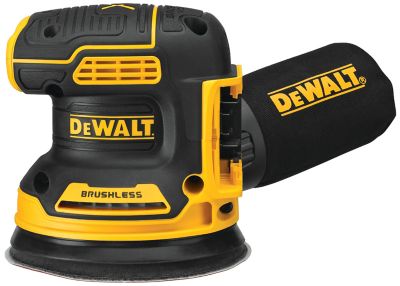
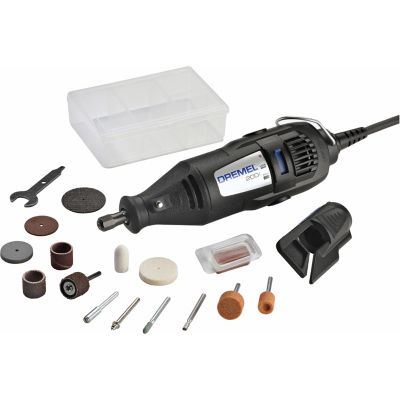
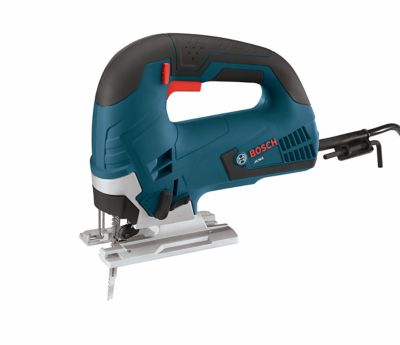
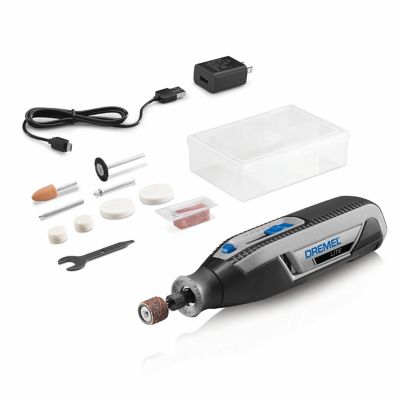
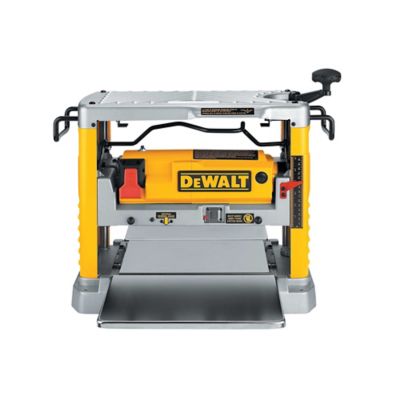
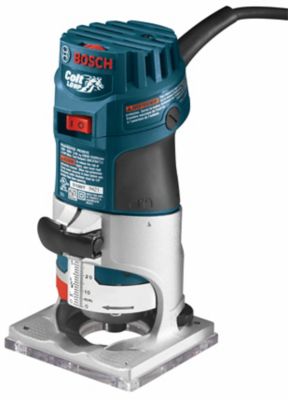
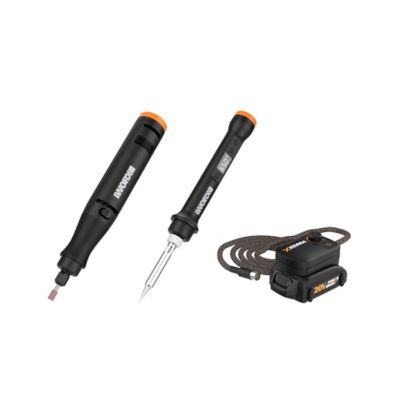
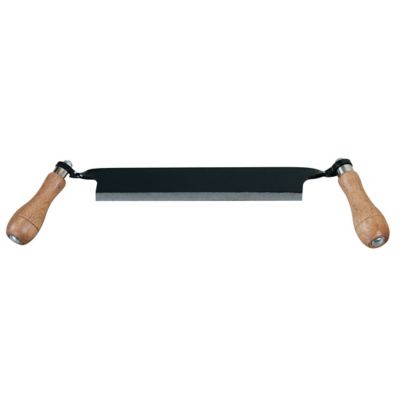
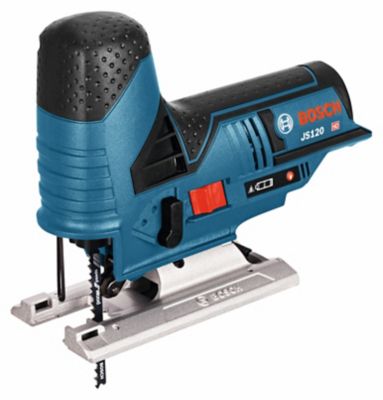
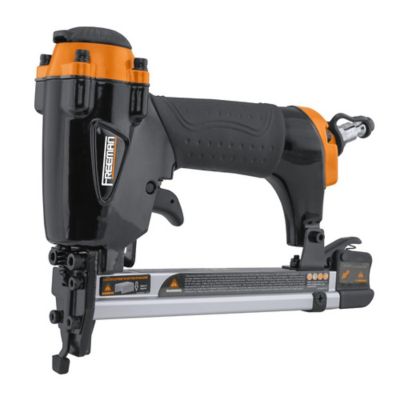
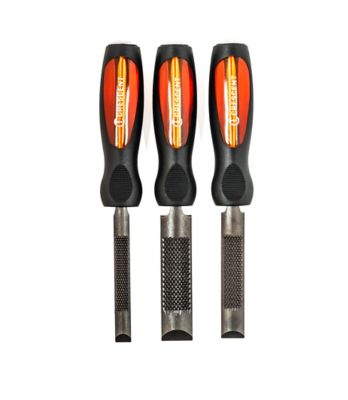
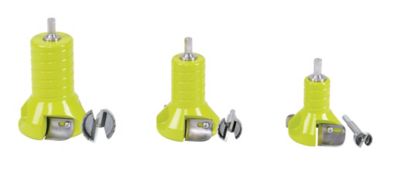
Fine woodworking is a craft that calls for patience, a keen eye, and the right set of tools to bring out the natural beauty of wood. Whether you’re shaping a custom heirloom table, fitting dovetails on a jewelry box, or just enjoying the feel of a well-tuned hand plane gliding across a board, having quality tools in your shop makes all the difference. Folks who get into fine woodworking often find themselves drawn to the details—chasing that perfect fit, that silky-smooth finish, or those crisp, clean lines only sharp chisels and well-tuned saws can deliver. The tools listed on this page are chosen for their ability to help you achieve that level of precision, whether you’re just getting started or you’ve been making sawdust for decades. There’s something deeply satisfying about setting up your workspace as the weather warms and the days get longer, or hunkering down in the shop during the cooler months with a project that keeps your hands busy and your mind at ease.
When picking out tools for fine woodworking, it’s worth considering not just the job at hand, but also the kind of woodworking you see yourself doing down the road. Some folks are happiest with a set of basic hand tools—planes, chisels, marking gauges, and a good square—while others might want to add specialty saws, carving knives, or layout tools as their skills grow. Tools like these don’t just make the work easier; they help you work safer and with more confidence, whether you’re cutting joinery, surfacing a board, or laying out a tricky pattern. For anyone who loves the process as much as the finished piece, investing in quality tools can turn a simple shop project into a real labor of love. These tools also make thoughtful gifts—perfect for a family member looking to start their own woodworking tradition, or for a friend who’s been talking about building their first keepsake box or bookshelf. There’s a certain pride that comes from passing along a tool or a skill, and that’s a big part of what makes woodworking such a rewarding hobby for so many folks.
If you’re new to woodworking or thinking about adding to your collection, it’s always a good idea to start with the basics and build up as you go. A solid foundation of reliable hand tools will serve you well, and you can always branch out into specialty gear as your projects get more ambitious. Don’t be afraid to ask around at your local woodworking club or chat with folks at the lumberyard—there’s a wealth of knowledge in the community, and most folks are happy to share tips and stories about what works best for them. And if you’re looking for some guidance on where to begin, check out our guide to the
Best Woodworking Tools for Beginners for more ideas and practical advice. No matter where you are on your woodworking journey, having dependable tools at your side makes every project a little smoother and a lot more enjoyable.