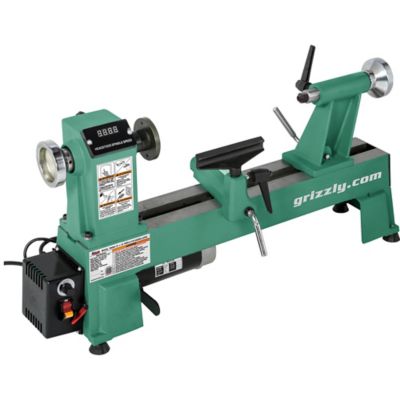
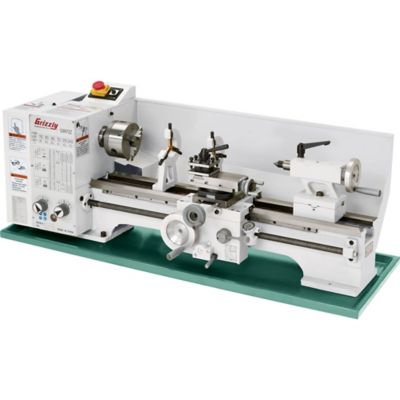
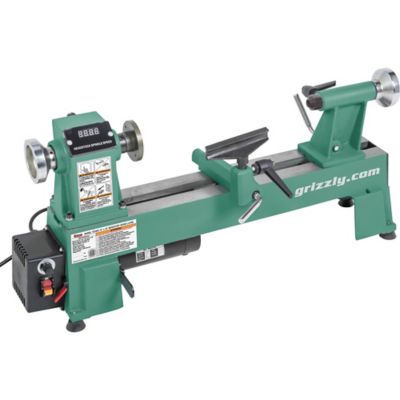
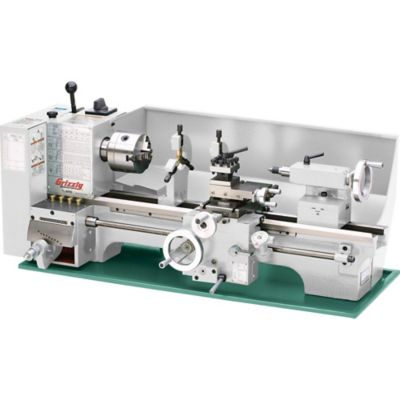
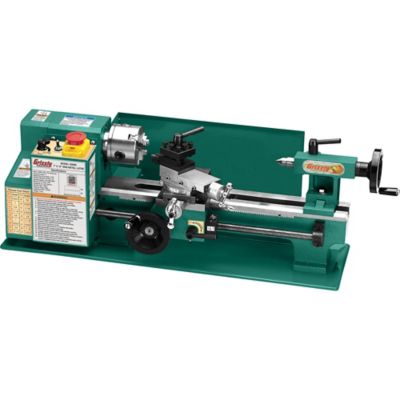
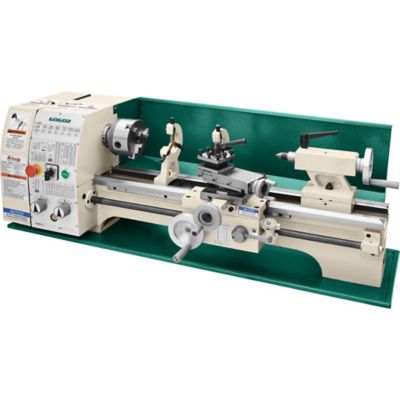
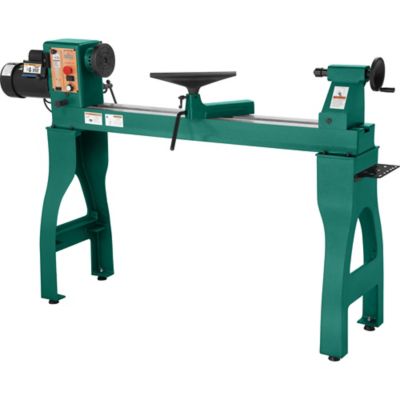
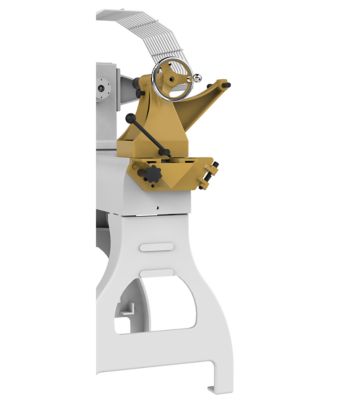
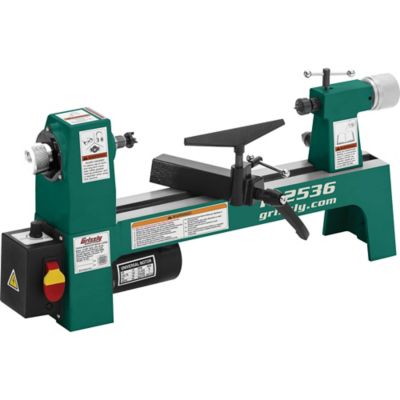
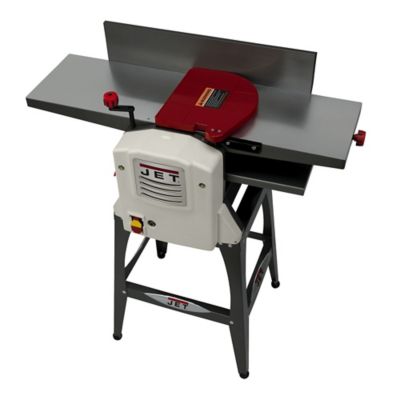
Benchtop lathes bring turning, shaping, and small-part machining into a compact workshop setup. These machines hold a workpiece on a rotating spindle while a cutting tool removes material in controlled passes, making them useful for round parts, bushings, spacers, shafts, knobs, threaded pieces, and many other shop projects. Depending on the machine and tooling, a benchtop lathe may handle metal, wood, plastic, or a mix of materials. A small lathe can fit neatly in a garage, farm shop, shed, or basement workspace, while a larger model may need a sturdy stand and room for stock, measuring tools, cutting tools, and finished parts. When comparing benchtop lathes, start with the kind of work you expect to do most often. The swing over the bed indicates the largest diameter that can rotate over the ways, while the distance between centers gives a sense of how long a part can fit between the headstock and tailstock. A compact 7-inch by 14-inch machine may suit small repairs, model work, light turning, and short parts, while a 9-inch or 10-inch machine with greater distance between centers offers more room for shafts and larger projects. Keep the intended material in mind as well. Aluminum, brass, plastics, and light wood generally place less demand on the motor than steel or iron. Heavier stock calls for more spindle power, a rigid bed, firm support, and tooling suited to the job. A machine that feels manageable on the first project should also leave enough room for the work you expect to take on as your shop skills grow.
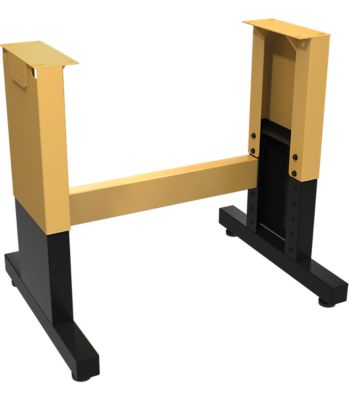
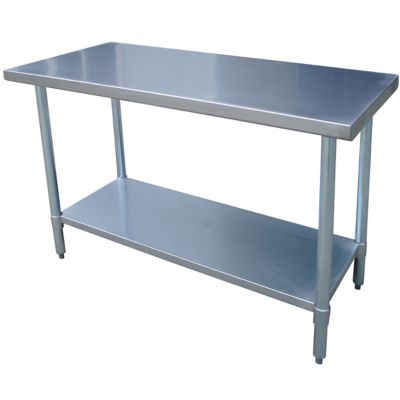
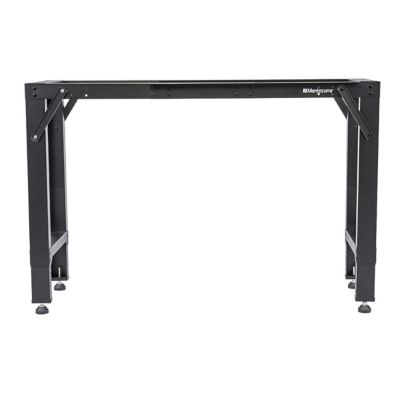
Workspace planning matters just as much as the lathe itself. Check the machine’s overall footprint, shipping weight, electrical needs, and access to the area where it will sit before ordering. Smaller benchtop lathes may weigh less than 100 pounds, while larger machines can exceed 300 pounds and call for a reinforced stand or heavy-duty
Metal Work Bench that will not shift under cutting pressure. A level surface helps the bed stay properly aligned, and a solid mounting setup can reduce vibration, chatter, and rough cuts. Leave open space around the headstock and tailstock so longer stock can be installed without bumping into walls, shelves, or other equipment. Variable-speed control is helpful when moving between materials and diameters, since a small part may call for a different spindle speed than a large piece of steel. Some machines change speed with a dial, while others rely on belts and pulleys; either arrangement can work when it matches the operator’s comfort level and project list. Digital readouts for the carriage and cross slide can make it easier to track movement and repeat a setting, especially when turning several parts to the same dimension. Look for a three-jaw chuck when quick centering is important, and consider whether a four-jaw chuck, faceplate, steady rest, follow rest, quick-change tool post, or threading gear will be helpful for the work ahead. A tailstock with a drill chuck expands the lathe’s capabilities for drilling and boring, while a metric and imperial threading setup can help when repairing machinery or making replacement hardware.
Benchtop lathes can be a practical addition for farmers, maintenance workers, machinists, fabricators, mechanics, woodworkers, and hobbyists who like solving shop problems from the ground up. On a rural property, a lathe may help make a spacer for a gate hinge, turn a replacement bushing, clean up a worn shaft, or produce a small fitting when a repair cannot wait for a trip to town. In a home shop, it can support careful practice with measuring, marking, tool setup, and controlled cuts. These machines can also make a thoughtful gift for someone building a workshop, learning machining at a technical school, or spending cooler days on projects in the garage. A person new to turning will benefit from a machine with straightforward controls, clear adjustment points, and room to learn without outgrowing the bed immediately. More experienced operators may focus on spindle capacity, thread ranges, motor strength, carriage travel, and the ability to add tooling over time. Plan for more than the lathe alone: cutting tools, a chuck key, drill bits, calipers, micrometers, cutting fluid, deburring tools, workholding accessories, and eye protection all have a place nearby. Keep loose clothing, gloves, jewelry, and long hair away from rotating parts, secure the workpiece firmly, remove the chuck key before starting the spindle, and follow the machine maker’s instructions for setup and maintenance. Wipe chips from the ways, apply the recommended lubrication, and protect the machine from moisture and abrasive dust during the cooler months. With the right space, tooling, and material plan, benchtop lathes offer a capable way to tackle small turning jobs, learn a hands-on trade, and keep a busy workshop ready for the next repair.