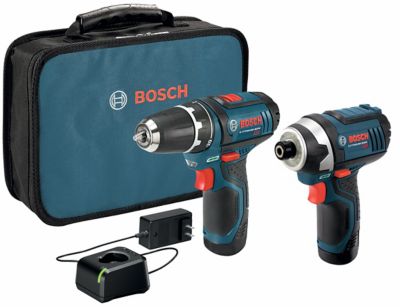
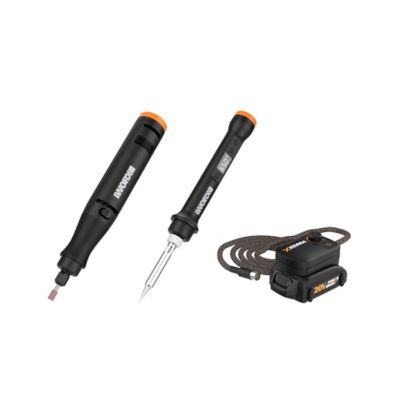
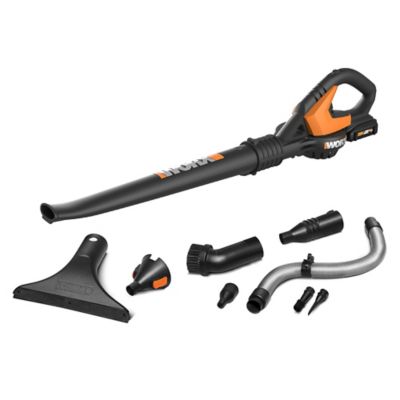
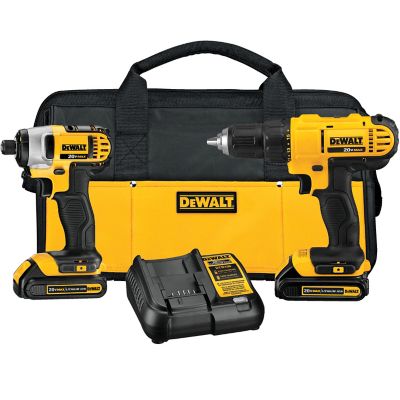
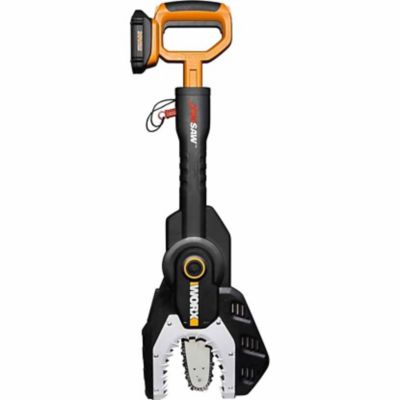
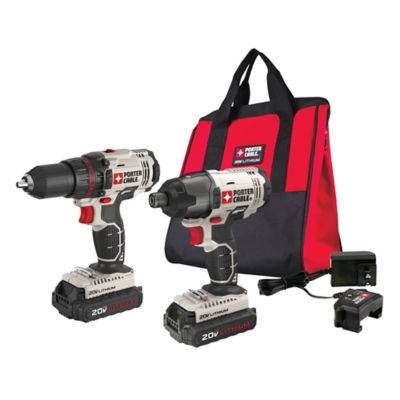
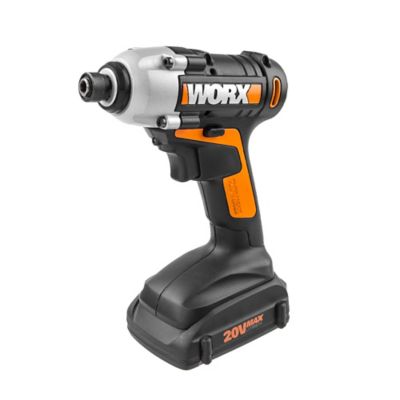
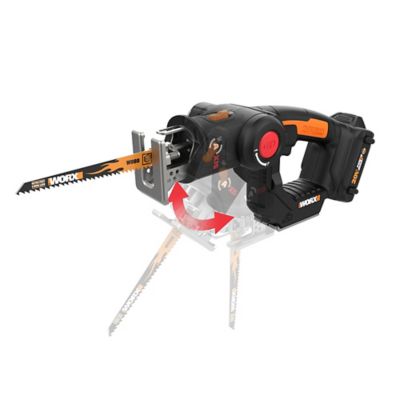
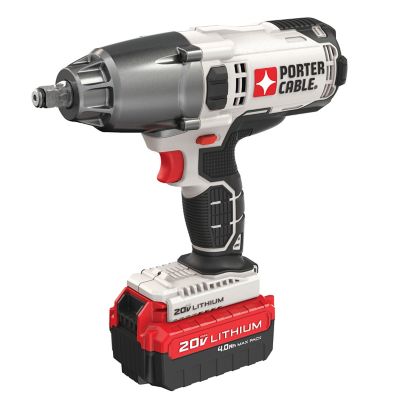
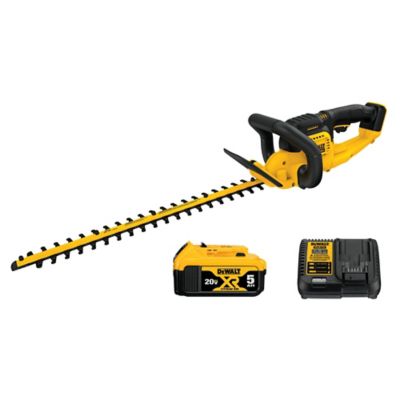
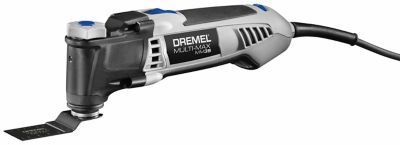
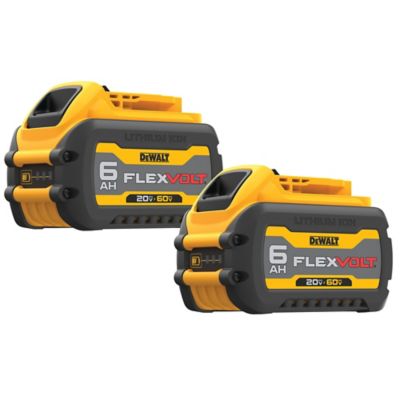
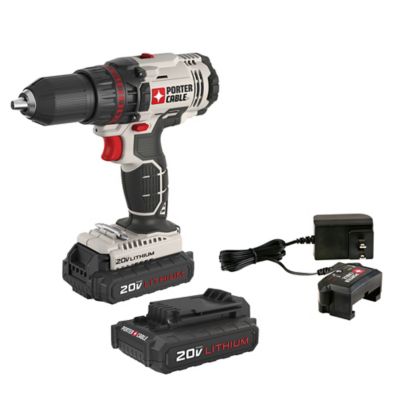
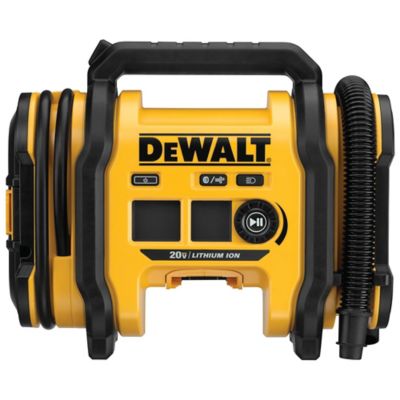
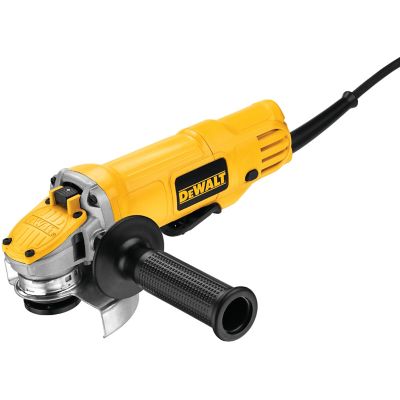
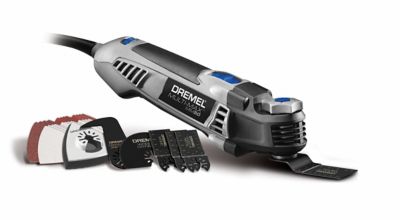
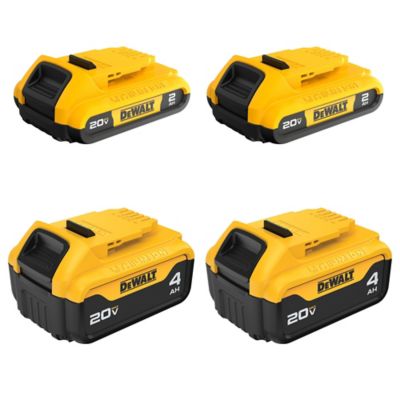
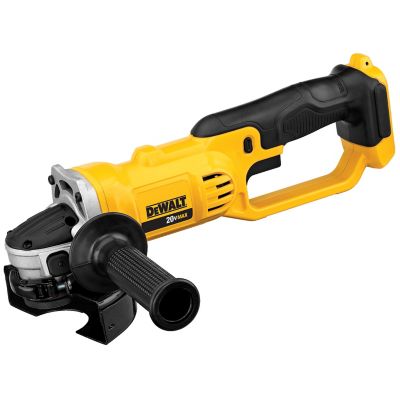
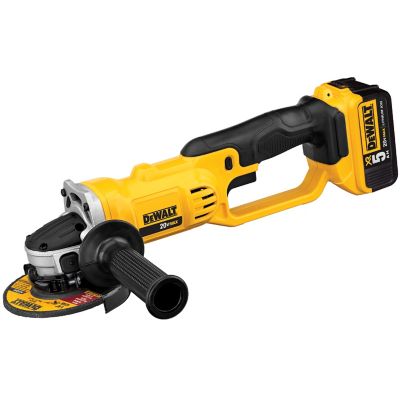
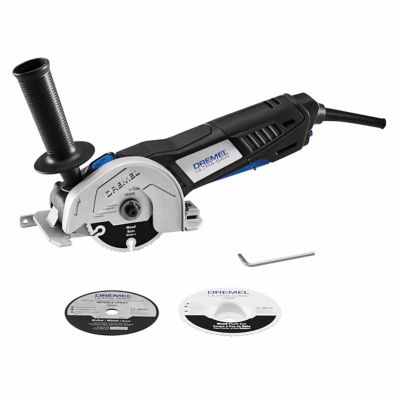
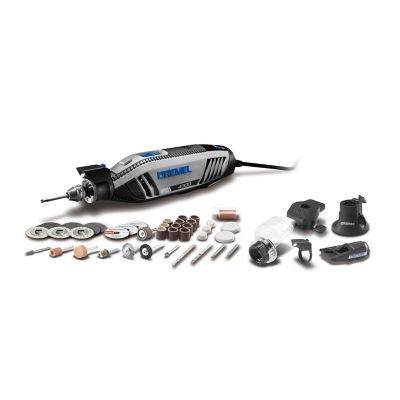
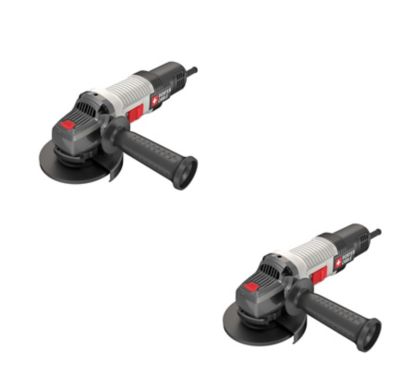
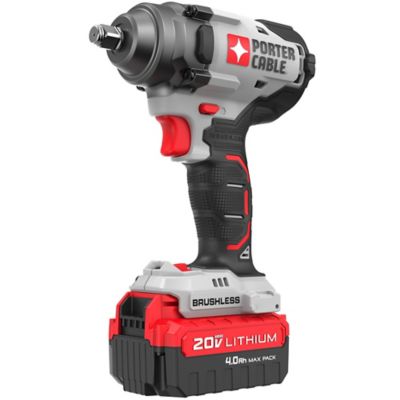
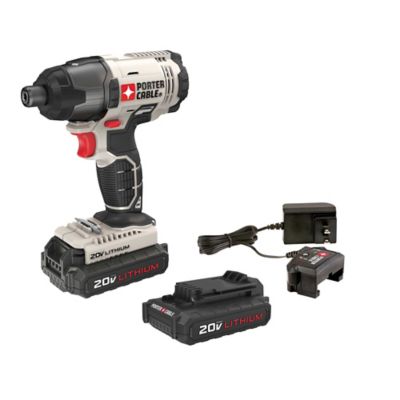
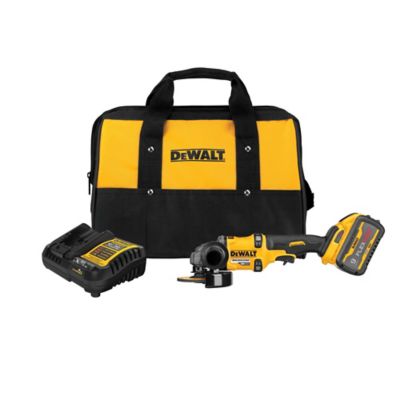
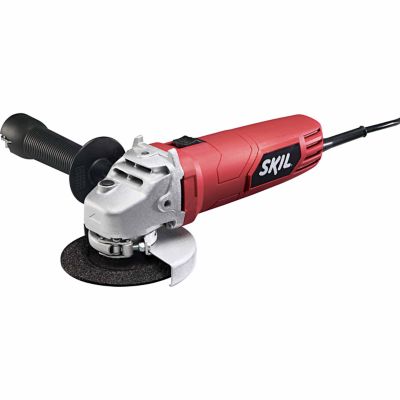
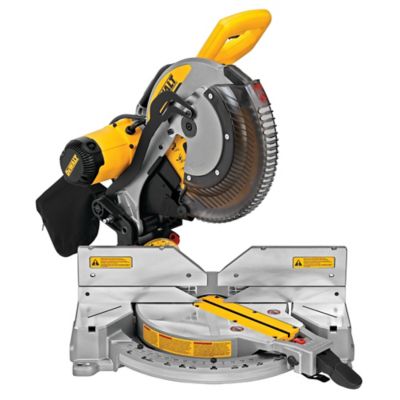
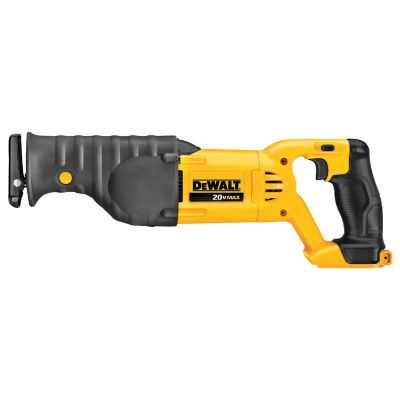
Power tools make tough jobs quicker, cleaner and a whole lot easier on your hands than relying on manual tools alone. Powered by electricity, rechargeable batteries or compressed air, they help with everything from putting up shelves and repairing gates to building shop projects, maintaining outbuildings and tackling serious demolition work. A drill is a handy starting point for many homeowners, with the ability to make holes and drive screws in wood, metal, drywall and other common materials. An impact driver delivers extra twisting force for long screws, lag bolts and other fasteners, while a hammer drill adds a pulsing action that helps when working in masonry. For cutting lumber, plywood and trim, a circular saw is valued for making fast, straight cuts, while a reciprocating saw is built for rougher work such as tearing out old boards, cutting through pipe or trimming thick branches. Sanders smooth rough wood before paint or stain, and angle grinders can grind, cut or polish materials such as metal, tile and masonry when paired with the proper wheel or disc. The right power tool depends on the work at hand, the material being handled and how often the tool will be used. A homeowner making occasional repairs may appreciate a compact cordless tool that is easy to carry from the garage to the garden shed, while a frequent builder, farmer or experienced DIYer may prefer a higher-powered tool designed for longer work sessions. A cordless setup offers the freedom to work away from an outlet, which comes in handy around fence lines, livestock areas and unfinished spaces, though battery capacity and charging time are worth considering. Corded tools provide steady power for extended projects, while pneumatic tools can be a practical choice where an air compressor is already part of the workshop. Tool size, weight, grip comfort and control matter, too. A tool that feels manageable during a short test can become tiring after an afternoon of framing, sanding or cutting, so look for balanced designs and features that suit your strength and working style.
When choosing power tools, start by thinking through the jobs you expect to handle rather than simply choosing the biggest motor or the longest list of features. Check the tool’s power source, speed settings, chuck or blade compatibility, cutting depth, battery system and included accessories. A drill with adjustable clutch settings can help prevent stripped screws and damaged workpieces, while variable speed control gives you more control when starting a hole or driving fasteners into softer material. For saws and grinders, pay close attention to guard design, trigger placement and the availability of replacement blades, wheels and other wear parts. If several tools use the same battery platform, building around one compatible system can reduce clutter and make it simpler to keep a charged battery close at hand. Kits can be useful for setting up a workshop, outfitting a new home or giving someone a practical collection of tools for their first place. They may also make thoughtful gifts for a handy family member, a college student moving into a rental, a new homeowner or someone getting started with woodworking, vehicle maintenance or home improvement. A single drill, sander or saw can be a useful gift when you know the recipient’s projects, while a broader kit gives more flexibility for repairs and weekend builds. For projects that call for a steady work surface, stationary equipment and accessories, explore
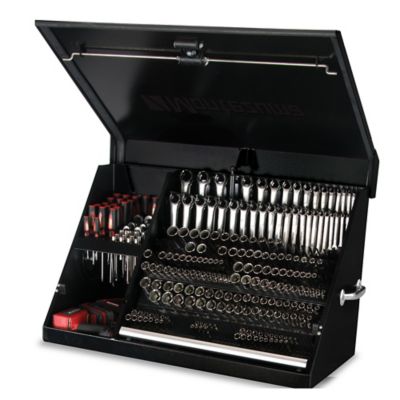
Bench Top Tools as another way to equip a garage, barn shop or dedicated workspace. Before buying, consider where the tool will be stored and whether you have room for a charger, case, extension cord, compressor or dust-collection setup. During the cooler months, power tools can help with indoor repair work, cabinet projects and shop improvements, while outdoor jobs may include maintaining fencing, preparing firewood, fixing equipment or cleaning up storm-damaged branches. Good lighting, a stable work surface and a clear path around the job make every task easier, especially when working in a barn, shed or partially finished building.
Safe, steady habits are just as important as choosing the right power tool. Read the operating instructions, use the correct blade, bit, disc or accessory for the material, and inspect cords, batteries, guards and switches before starting. Safety glasses help protect against flying chips and dust, hearing protection is valuable around loud saws and grinders, and a dust mask or respirator may be needed when sanding, cutting treated materials or working in a poorly ventilated area. Keep loose clothing, long hair and gloves away from moving parts, and secure the workpiece instead of trying to hold it by hand. Let the tool reach the proper speed before making a cut, and never force a blade or disc through material; a sharp, compatible accessory and a controlled pace usually produce a better result. Unplug corded tools or remove batteries before changing accessories, clearing a jam or making adjustments. Take extra care around wet areas, flammable materials and livestock, and store tools where children and animals cannot reach them. A little preparation can prevent a frustrating setback, whether you are building a raised bed, repairing a trailer, refreshing a porch or finishing a long-planned shop project. With the right power tools, dependable accessories and a sensible approach, everyday repairs and bigger improvements become more manageable, giving you the confidence to make useful things, keep your property in shape and get more done during every season.