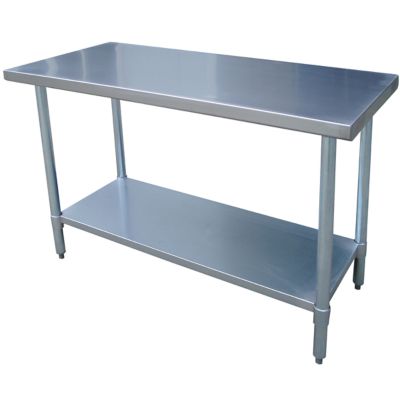
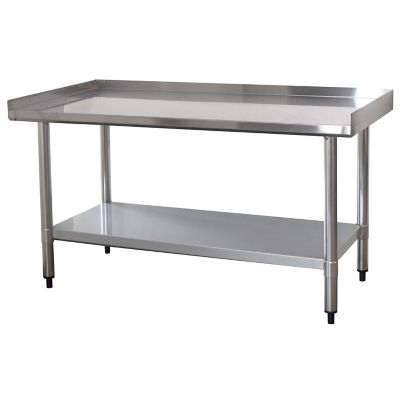
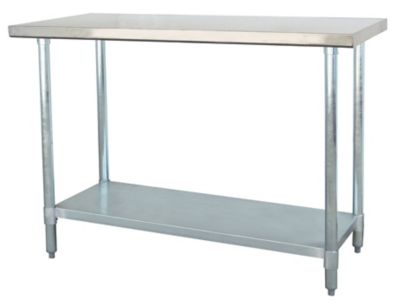
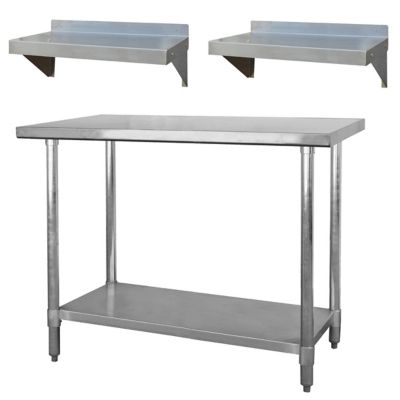
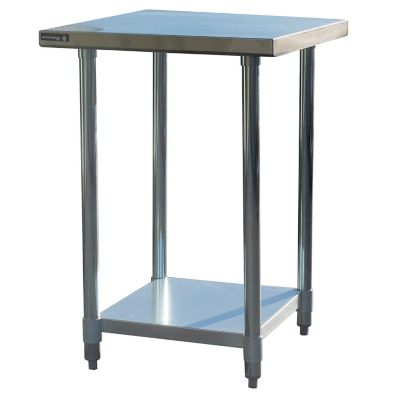
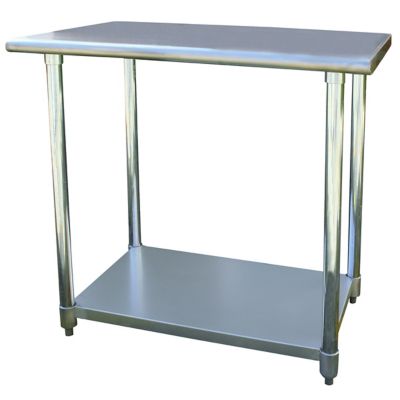
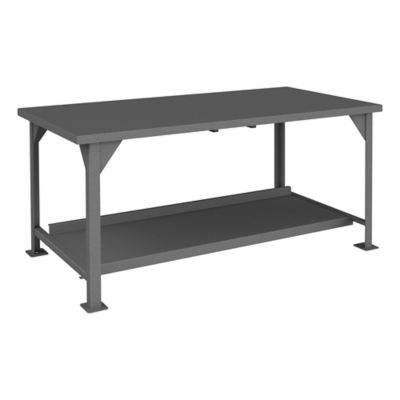
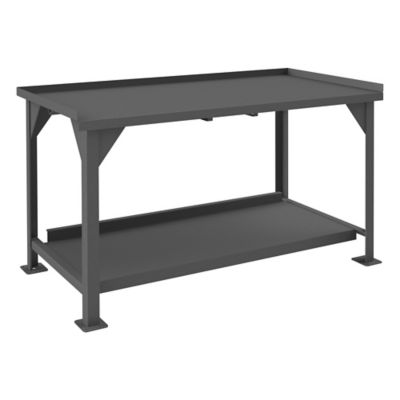
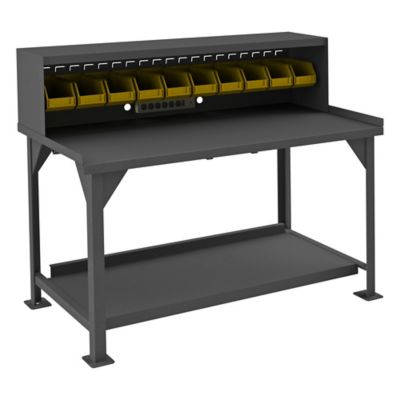
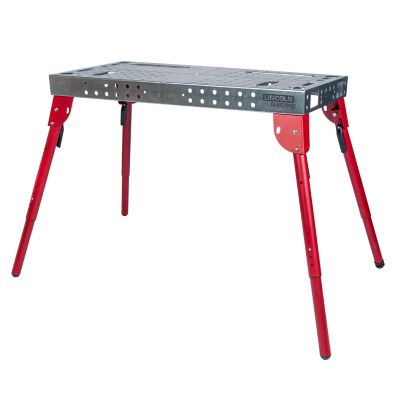
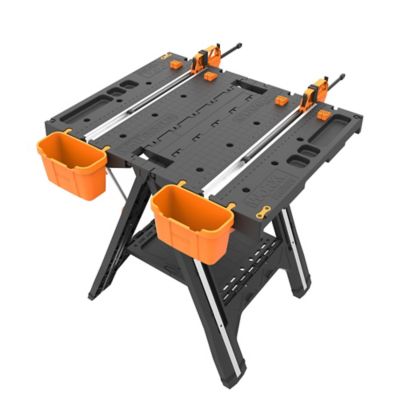
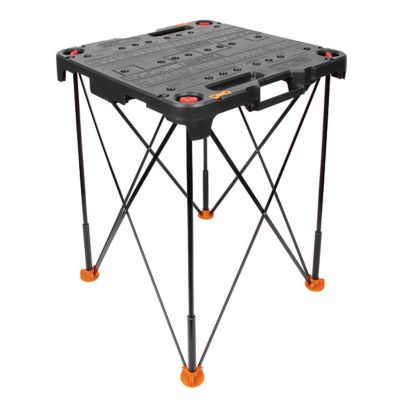
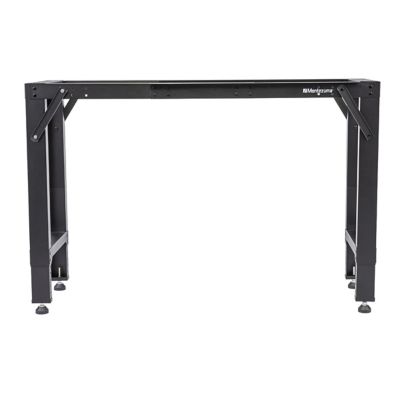
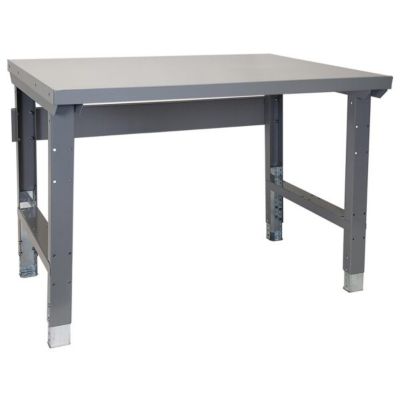
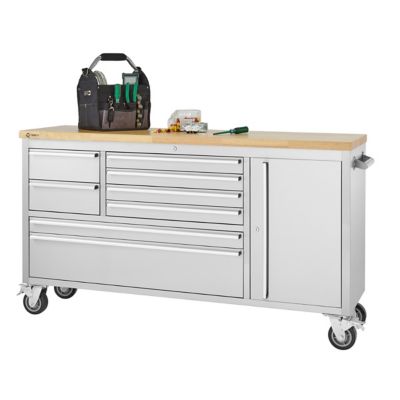
A metal work bench is a sturdy work surface with a metal frame, a metal top or both, built to support repairs, assembly and other hands-on jobs in a garage, farm shop or workspace. It gives tools and parts a steady place to land, whether the job involves rebuilding a small engine, fitting replacement hardware or putting equipment back together after a teardown. For folks who maintain their own machinery, a well-matched bench keeps more of the work at a comfortable height instead of down on the floor. The construction matters as much as the overall size. Steel frames provide strength, while cross braces, leg connections and the way the top attaches all affect how steady the bench feels under pressure. A bench that holds parts during assembly faces different demands than one supporting a vise while someone works a stubborn bolt loose. Powder-coated or painted steel has a protective finish that helps limit rust where the coating stays intact. Stainless steel can suit spaces that need frequent wipe-downs, though its resistance to staining and corrosion depends on the alloy, finish and cleaning practices. Not every metal work bench has a metal work surface. Some combine a steel base with a wood or composite top, which can be easier on finished parts but calls for different care around liquids, sharp edges and heat. A steel top provides a hard surface for mechanical work, although bare metal can scratch painted components or dent softer materials. Removable pads or mats can help protect those pieces when they are compatible with the task. Top thickness, edge reinforcement and support underneath all contribute to the working feel. Folded edges can eliminate an exposed sheet-metal edge, while seams and raised lips affect how easily small parts slide across the surface. A lip may help contain a loose washer, but it can also interfere with sliding a heavy assembly onto the bench. Those details make a difference when the same surface handles several kinds of work throughout the day.
The right fit starts with the jobs a metal work bench needs to support and the room around it. A deep top can accommodate a pump housing or an engine component, but extra depth becomes less helpful when the back edge is hard to reach. Width matters for laying out parts in order, with enough open space left for the actual repair. Working height deserves the same attention: detailed assembly often feels better with the work closer to eye level, while tasks that require downward pressure may call for a lower surface. Adjustable legs can help accommodate different tasks or operators, provided the bench remains within its stated setup requirements. Load capacity should match the complete working load, including tools, stored supplies, mounted equipment and the part on the tabletop. Ratings may apply to evenly distributed weight rather than a heavy object resting on a small footprint, and shelves or drawers can have separate limits. A vise also puts twisting and sideways force into a bench, so the mounting location and supporting structure matter beyond the tabletop’s weight rating. Storage choices shape the daily routine, too. Drawers keep sockets and measuring tools separated, while a lower shelf can leave room for larger equipment or parts trays. Drawer depth, extension and clearance affect whether tools are easy to reach without crowding the work area. For repair-focused layouts, explore
Mechanic Workbenches with the needs of the workspace in mind. Fixed legs suit a dedicated work position, while casters can make it easier to rearrange a shared shop. A rolling bench needs wheel ratings and locking arrangements suited to its load and tasks; wheel brakes are not a substitute for any anchoring the manufacturer requires. Door openings, floor conditions and room to pull out a drawer all count toward fit. Leaving a clear path around the bench helps when carrying an awkward part with both hands.
Care and intended use determine how well a metal work bench holds up over years of shop work. Oil, cutting fluid, battery residue and cleaning chemicals can affect surfaces differently, so the top material and finish should suit the substances likely to reach them. Prompt spill cleanup helps protect coatings and keeps the work area easier to handle safely. Painted and powder-coated surfaces benefit from cleaners that will not strip or soften their finish, and damaged areas may need attention according to the manufacturer’s directions. Stainless steel needs compatible cleaning products as well; harsh chemicals and contamination from other metals can leave marks or encourage corrosion. Moisture trapped beneath a mat, parts bin or rag can also damage a surface even when the rest of the top looks clean. Routine checks of bolts, leveling feet, drawer hardware and caster attachments help catch looseness before it interferes with the work. A level, properly supported bench is especially important for measuring, assembly and any task where rocking could shift a part. For hammering, pressing or other forceful work, suitability depends on the entire bench design rather than its appearance or weight alone. A general-purpose metal bench is not automatically a welding table, either. Welding requires equipment intended for that task, along with proper electrical connections, ventilation and fire precautions. The same care applies when mounting a grinder or other powered equipment: attachment points, vibration and clearance need to match the manufacturer’s requirements. Around a working farm or home garage, a bench may handle a mower component one day and a set of gate hinges the next. Enough open surface, sensible storage and construction matched to those jobs make that changeover easier. Whether it serves an experienced mechanic, a property owner tackling repairs or someone building out a first workshop, a metal work bench earns its place by providing a steady spot to sort parts, secure the work and get the next job moving.