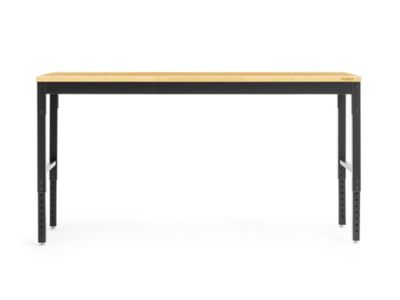
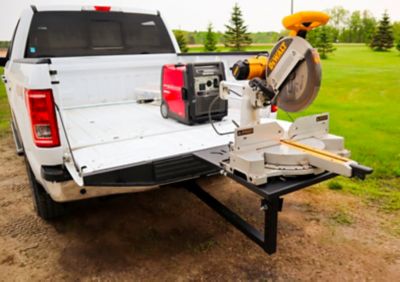
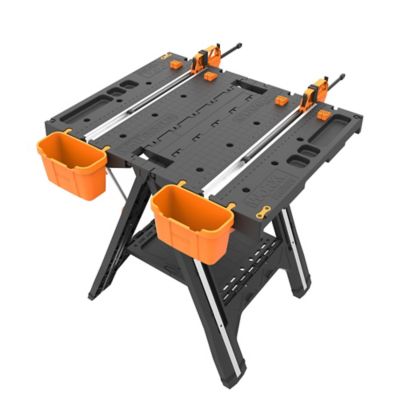
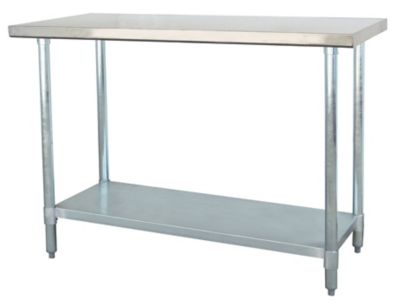
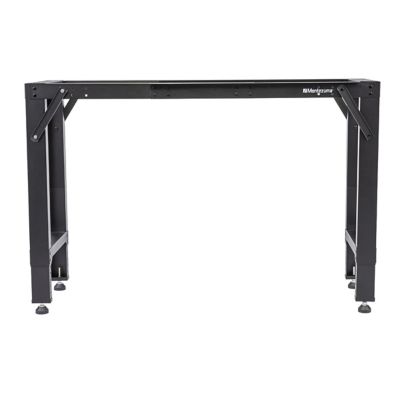
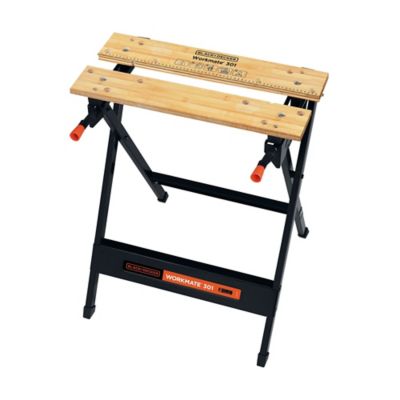
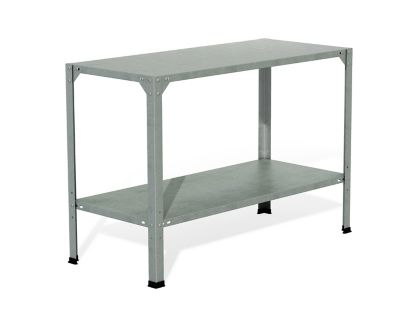
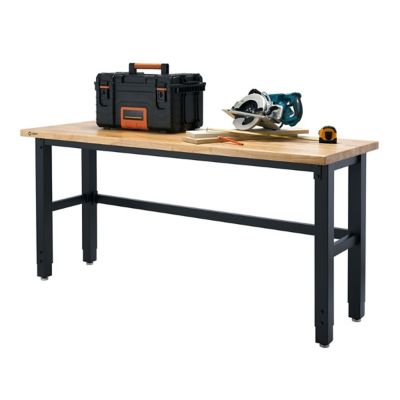
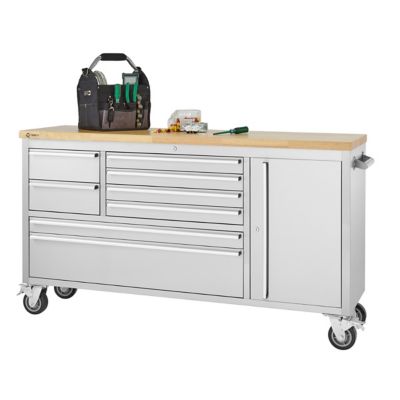
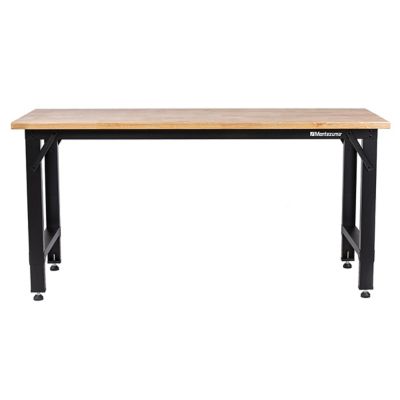
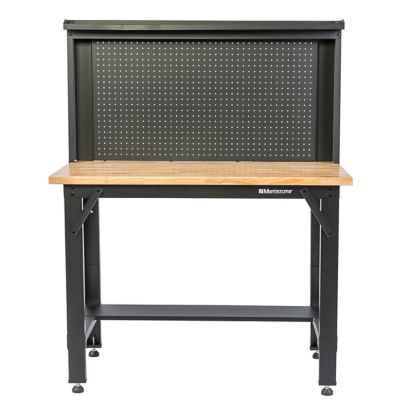
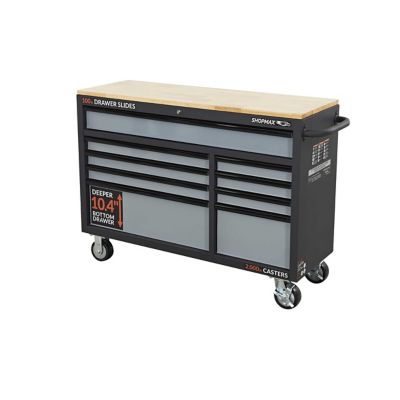
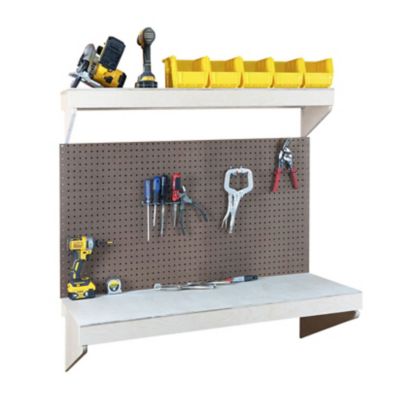
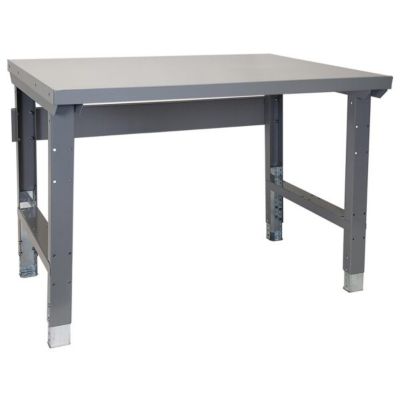
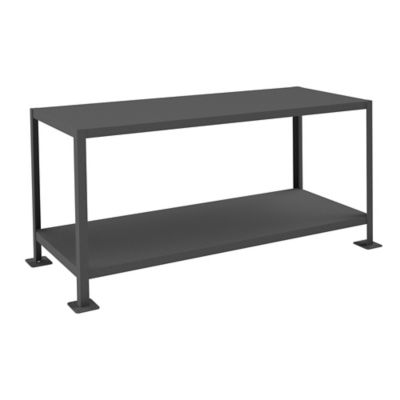
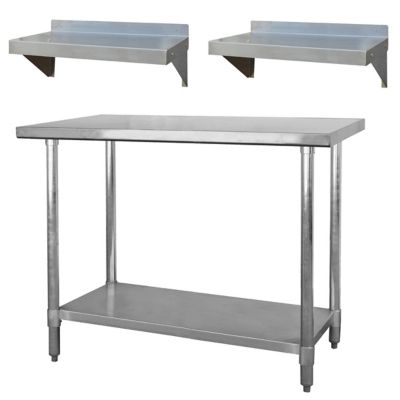
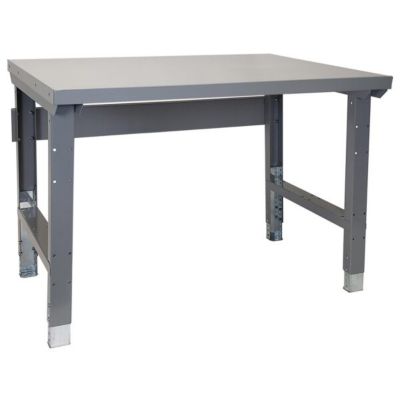
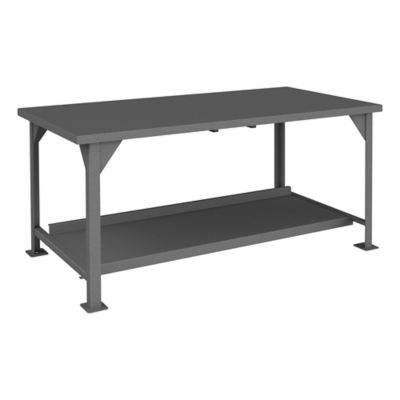
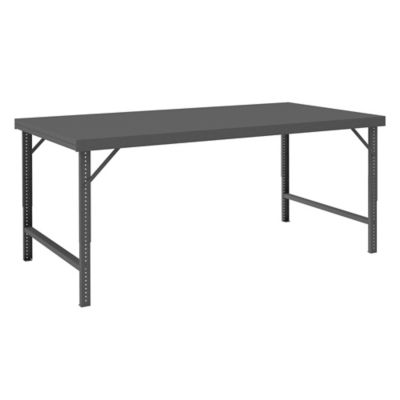
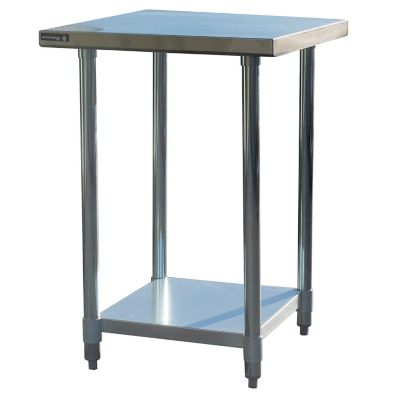
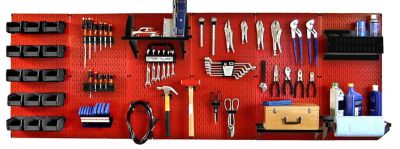
A work bench is a sturdy work surface built for assembly, repairs, woodworking and other hands-on jobs, with a base that supports the top and, in many designs, storage underneath. It gives tools, parts and materials a place to land without taking over the kitchen table or leaving everything scattered across the garage floor. For a property owner fixing a gate latch, a woodworker fitting cabinet parts or someone sorting hardware from an equipment repair, the right bench brings the job up to a comfortable working height. Work benches range from compact tables for tight corners to broad, heavy frames meant to stay put in a shop. The top material makes a difference in how that space handles everyday work. Solid hardwood provides a substantial surface for woodworking and assembly, and some unfinished wood tops can be sanded when scratches and dents build up. Plywood offers a layered wood surface, while medium-density fiberboard, or MDF, provides a smooth, flat top suited to lighter assembly and craft work when kept dry. Bamboo tops are another option, with construction and finish affecting how they stand up to wear. Steel tops suit many mechanical tasks and can make grease cleanup simpler, though exposed metal may scratch finished parts unless a protective mat is added. No single surface fits every job: a top that takes hammering well may not be the surface someone wants beneath a freshly painted cabinet door. Frame construction matters alongside the top, especially when the work involves pushing, pulling or clamping. A broad stance and well-braced legs help limit movement, while the bench’s stated load rating establishes the limits for weight. For a busy farm shop or a small home workspace, the best match starts with the kind of work that lands on the bench most often, not simply the largest tabletop that will fit through the door.
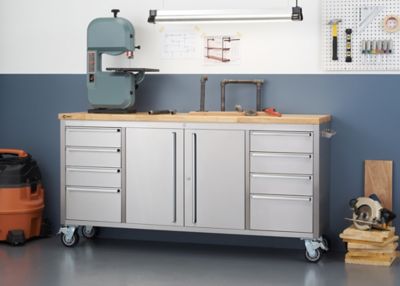
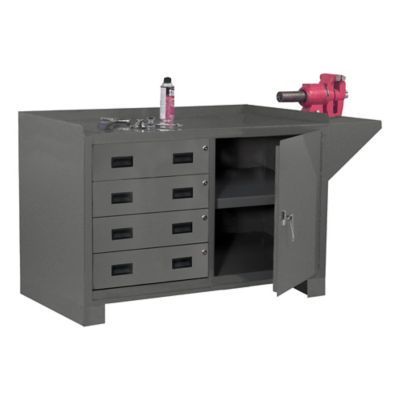
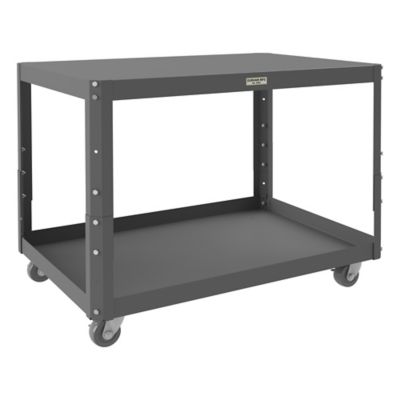
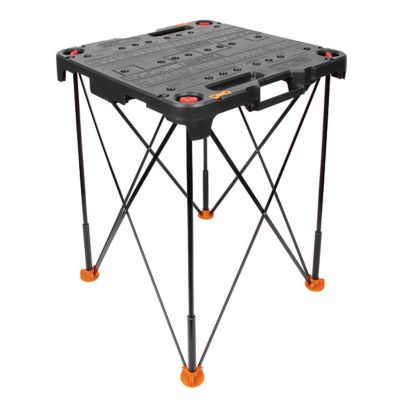
Bench size is about more than having room for a project. Width determines how much space remains beside a disassembled part, while depth affects whether tools at the back are within easy reach. A deep top can hold a sizable assembly, but reaching across it all afternoon may become a nuisance when the bench sits against a wall. Height matters just as much. Standing work generally calls for a different setup than seated detail work, and tasks that involve downward force may feel better at a lower height than close inspection or small-parts assembly. Adjustable-height work benches give people more flexibility, particularly in shared spaces, although their adjustment ranges and weight limits vary by design. Knee clearance matters for seated work, especially when drawers or cross braces run beneath the top. For heavier jobs, the load rating should cover the combined weight of the project, stored supplies and any mounted equipment, according to the manufacturer’s specifications. A rating for evenly distributed weight does not necessarily describe what the bench can handle when a heavy load sits at one edge. Mounting a vise or another bench-mounted tool also requires attention to the top’s thickness, the frame beneath it and the mounting directions. Fixed-leg benches suit work that benefits from a steady station, while rolling work benches can move closer to a repair or clear floor space between jobs. Locking casters help hold a rolling bench in place, but caster limits and the bench’s intended use still matter when force is involved. Folding designs can make sense where floor space serves several purposes, provided the locking supports and load capacity suit the work. Storage changes the layout, too. Drawers keep small tools and hardware contained, lower shelves leave room for larger cases, and enclosed cabinets can help reduce dust settling on supplies between projects. The useful setup is one that leaves enough room for both the job and the person doing it, without squeezing out a clear walking path.
A bench earns its place when the surrounding workspace works with it. In a garage, that might mean enough clearance to open a drawer without bumping a parked vehicle, room to carry a long board past the end, and a light positioned so hands do not cast a shadow over the cut line. For a setup centered on vehicle upkeep, tool storage and everyday repairs, a
Garage Workbench can help make a dedicated work area out of space that otherwise collects loose gear. In a barn workshop, a bench may hold repair parts while fasteners stay sorted in trays instead of disappearing into floor cracks. In a woodworking corner, a clear front edge can leave space for clamps, while a replaceable protective layer can take glue drips and scrapes. Raised back edges and side lips can help contain small pieces, though those same edges may interfere with sliding a long workpiece across the top. Keeping the surface ready for the next job does not need to be complicated. Sawdust, metal filings and grit should be cleared away before a finished piece goes down, and spills should be cleaned with a method suited to the top’s material and finish. Wood and composite surfaces benefit from avoiding standing moisture; coated metal needs attention where scratches expose bare steel. Loose fasteners, worn caster locks and drawers that no longer travel smoothly deserve attention before heavier work resumes. A work bench can also be a practical gift for someone setting up a first garage, settling into a new place or spending more time on repairs and woodworking. Footprint, working height and storage preferences are worth knowing before choosing such a substantial addition. Whether it holds a neatly arranged tool kit or the parts from a repair still in progress, a well-matched bench gives hands-on work a steady place to happen and makes cleanup easier when the job is done.