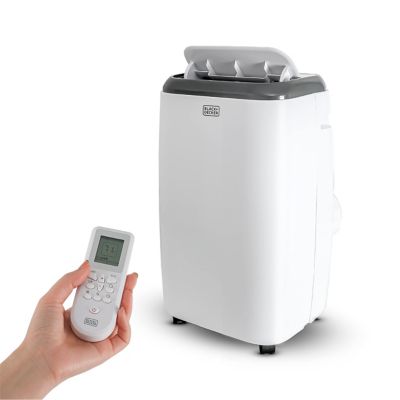
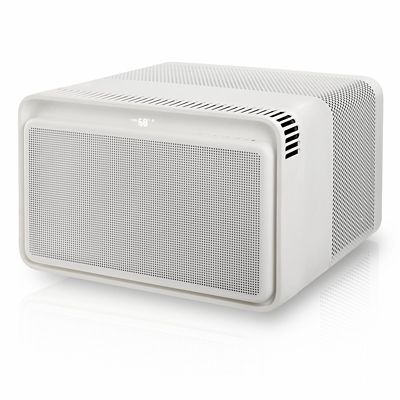
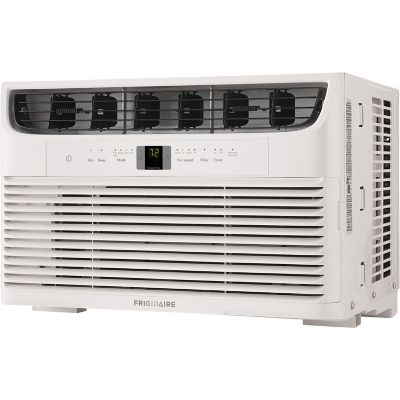
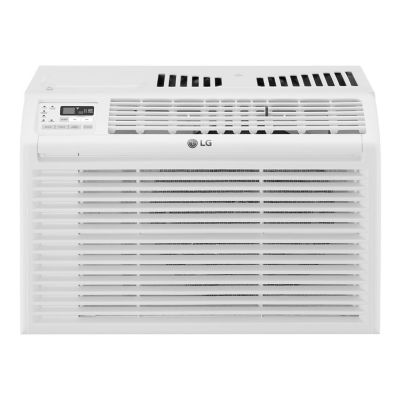
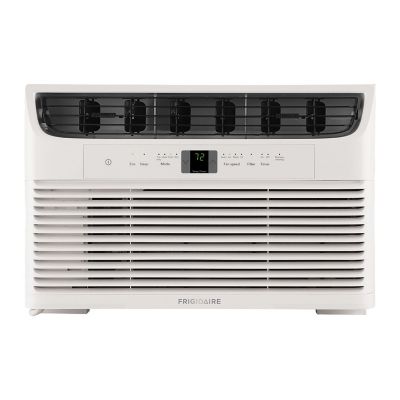
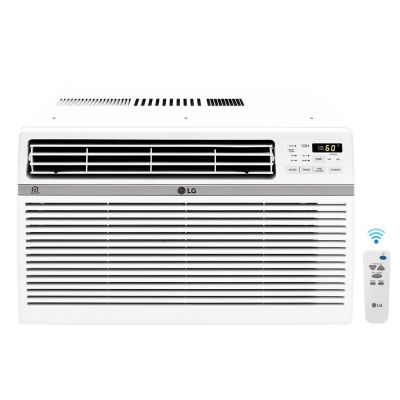
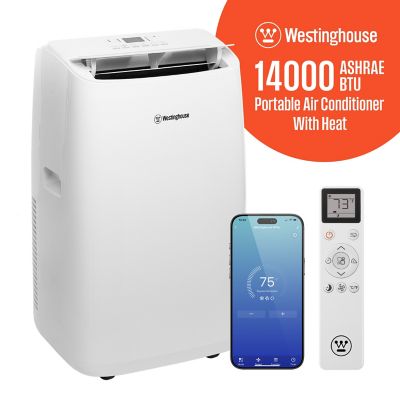
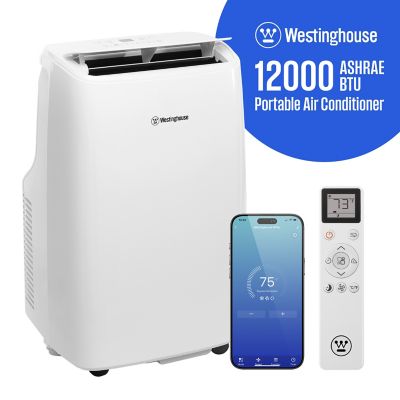
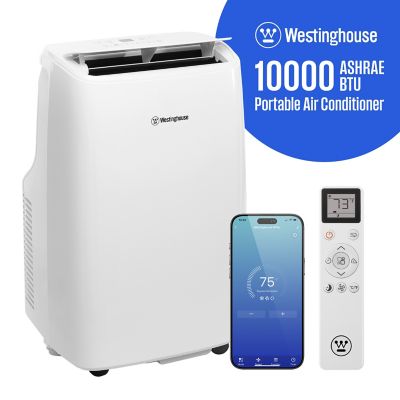
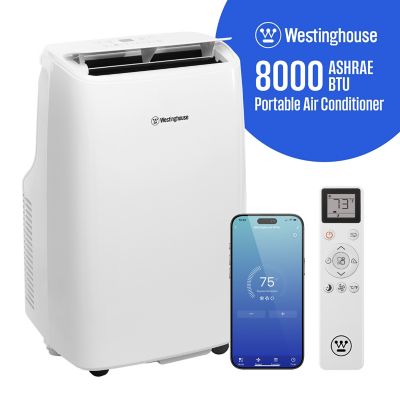
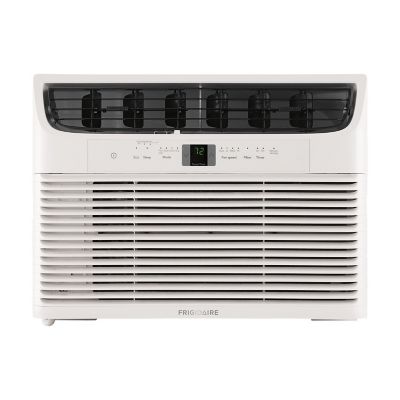
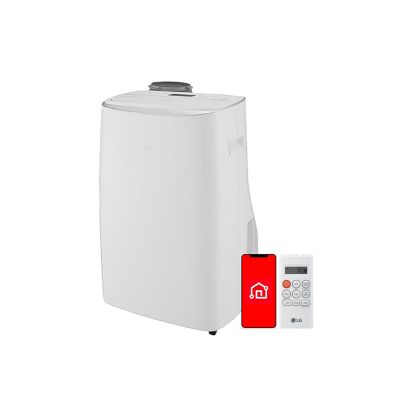
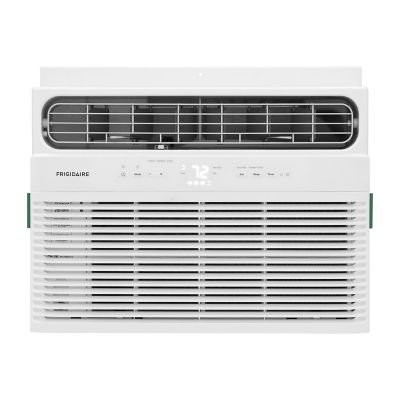
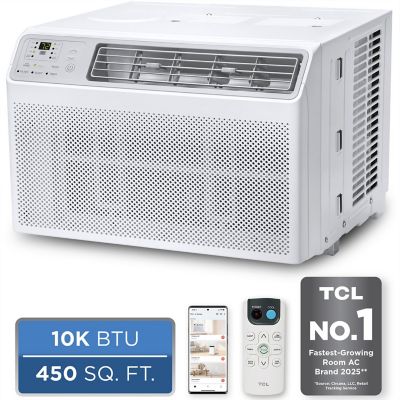
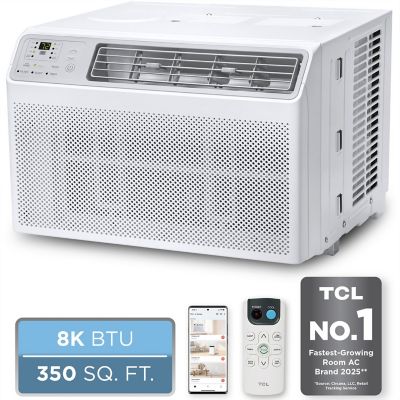
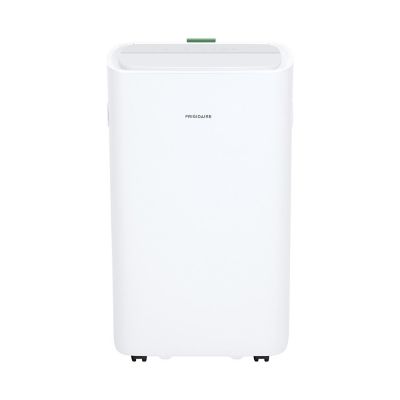
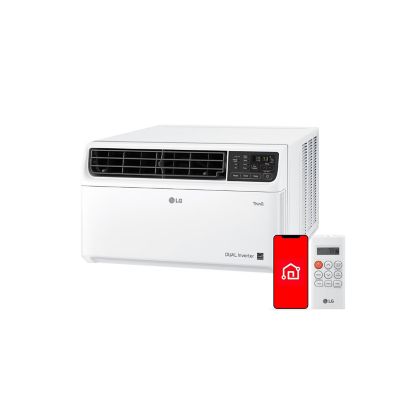
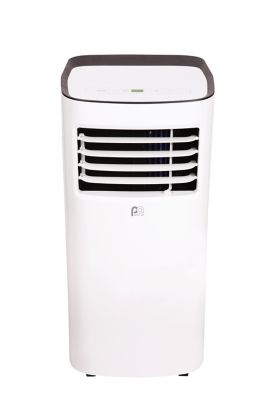
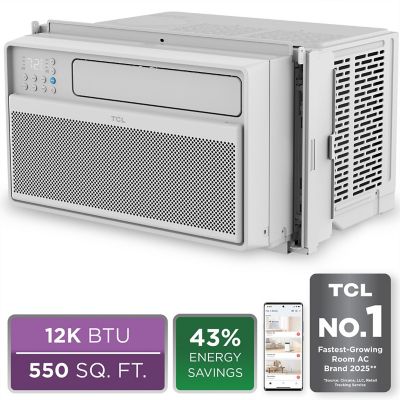
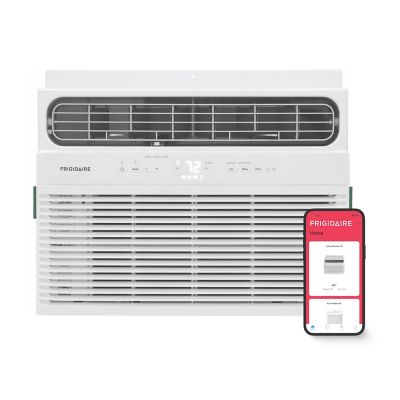
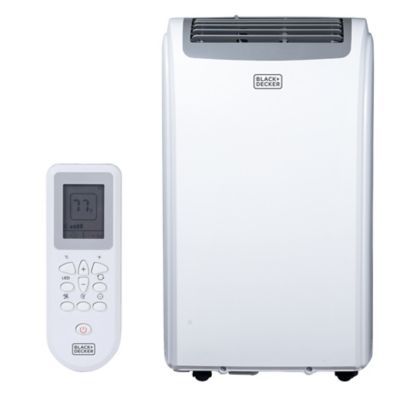
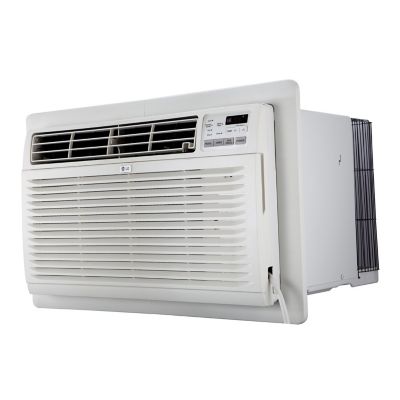
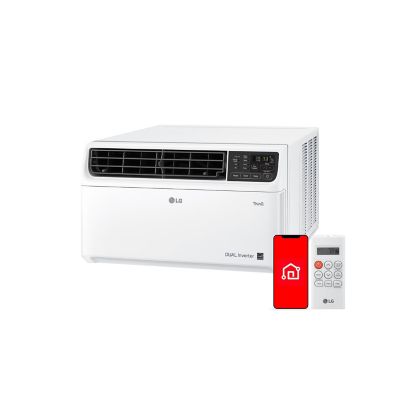
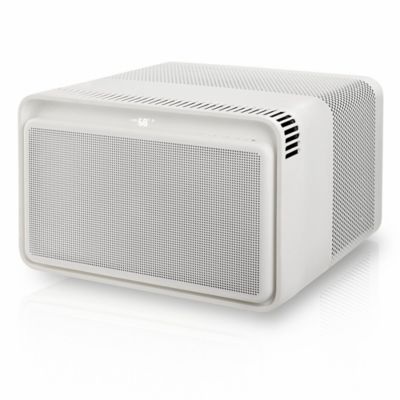
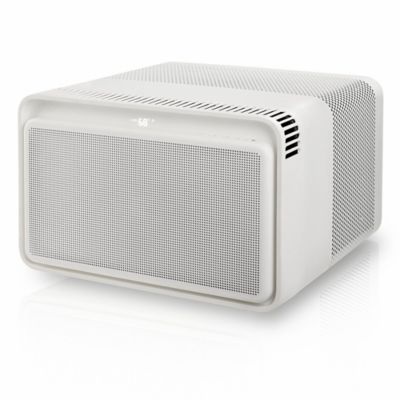
Basement air conditioners can make a lower-level room feel a whole lot more comfortable when warm, damp air settles in and refuses to move. Basements often stay cooler than the rest of the house, but “cool” does not always mean comfortable. Moisture can collect in the air, on concrete walls, around windows, and near floors, leaving the space feeling clammy or smelling musty. A properly sized air conditioner can help lower the temperature while pulling some moisture from the room, making a basement more pleasant for laundry, storage, hobbies, family time, or overnight guests. Portable air conditioners are a practical choice for many basement spaces because they stand on the floor, roll into position, and can vent warm air through a window or another approved opening with the included exhaust hose. They are especially handy for renters, finished basements that do not have permanent ductwork, and homes where cooling needs change from one room to another. A window air conditioner may work well when a basement has a suitable window with the right opening size and enough support for safe installation. Before choosing one, measure the window carefully, including its width, height, sill depth, and clearance around the frame. Basement windows are often smaller, higher off the floor, or built in unusual shapes, so checking those details ahead of time can save a trip back to the store. For a more permanent setup, a through-wall design may be worth considering when the room has a properly framed opening and the installation can be handled safely. Browse
Through Wall Air Conditioners for another option when a window unit is not a good fit.
When shopping for basement air conditioners, pay close attention to the room size, the amount of sunlight coming through windows, ceiling height, insulation, and how damp the space tends to be. A unit that is too small may run constantly without bringing the room to a comfortable temperature, while an oversized unit may cool the air quickly without running long enough to remove as much humidity as needed. Cooling capacity is commonly listed in BTUs, and the right range depends on the space and its conditions. A basement with exposed concrete, frequent foot traffic, several windows, or a noticeably damp feel may need a different setup than a finished, insulated room used only occasionally. Dehumidifier settings are particularly useful below ground, where moisture can be the main source of discomfort even when the air is not especially hot. Some air conditioners collect water in an internal tank, while others allow a drain hose to carry condensation away continuously. If your basement becomes humid during warm weather, plan the drainage path before setting up the unit. The hose may need to reach a floor drain, sump area, utility sink, or other approved location, and it should be positioned so water can flow without kinks or uphill sections. Follow the manufacturer’s instructions for venting, drainage, electrical requirements, and clearance around the unit. Keep the exhaust hose as short and straight as practical, seal gaps around a window insert, and leave enough open space around the air intake and outlet for proper airflow. A grounded outlet on a suitable circuit is important, and extension cords should only be used when specifically approved by the manufacturer. In a workshop, recreation room, or basement office, quieter operation can make a noticeable difference, especially when the air conditioner needs to run for several hours at a time. Wheels, carrying handles, a programmable timer, remote control, and washable filters can also make everyday use easier.
A basement air conditioner may be a smart addition for homeowners who have turned an unused lower level into a guest room, play space, home gym, sewing room, office, or comfortable spot for watching a ball game. It can also help cool a basement apartment or rental area when the existing central system does not reach the room evenly, though permanent installations and landlord requirements should be checked first. These units are not a replacement for fixing leaks, improving drainage, sealing foundation cracks, or addressing serious mold and moisture problems. If water is entering the basement, take care of that issue separately so the air conditioner is not asked to solve a building problem. During the warmer part of the year, empty the water tank as directed, inspect the drain line, and clean or wash the air filter regularly—every couple of weeks is a useful starting point in a dusty area, with more frequent cleaning if the basement has pets, sawdust, or heavy foot traffic. A clean filter helps air move through the unit and can support better performance. As the weather shifts into cooler months, clean and dry the unit before storage if it will not be used, protect the exhaust hose and window kit from damage, and keep the appliance in a dry place. Basement air conditioners can make a thoughtful housewarming gift for someone finishing a lower level, setting up a new workshop, or preparing a cool guest space, although the best choice depends on the room’s measurements, window or wall layout, available outlet, and drainage options. With those details in hand, it is easier to choose a cooling setup that fits the space, manages muggy air, and keeps the basement ready for work, rest, and everyday living.