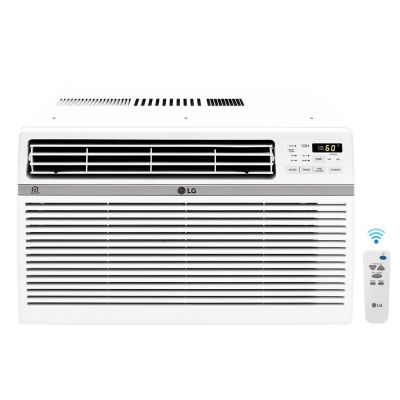
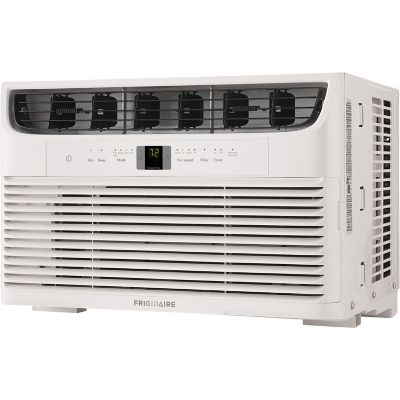
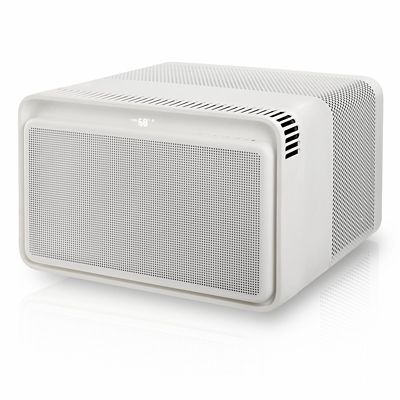
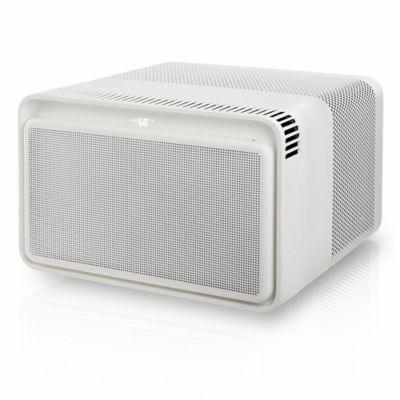
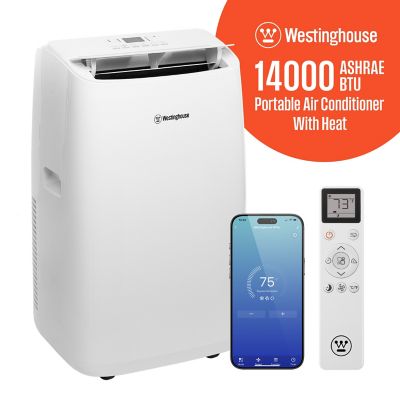
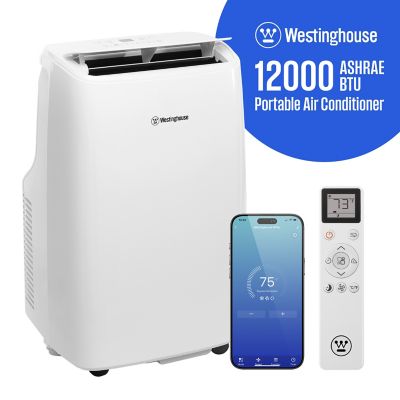
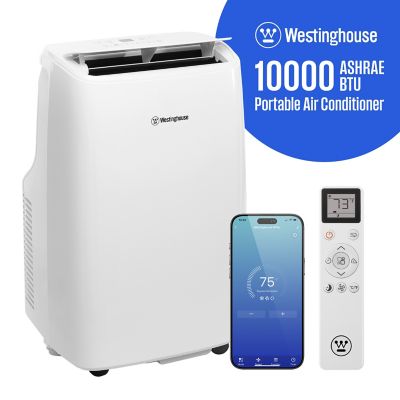
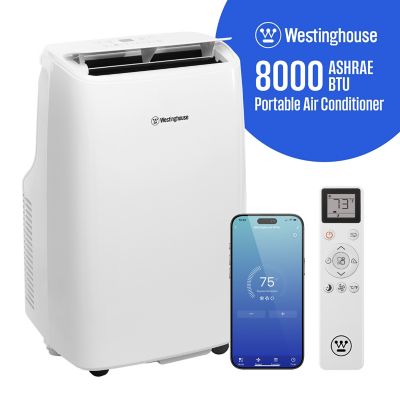
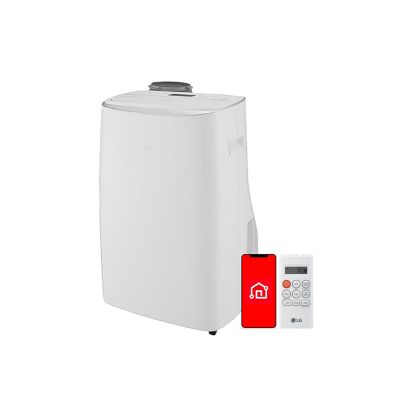
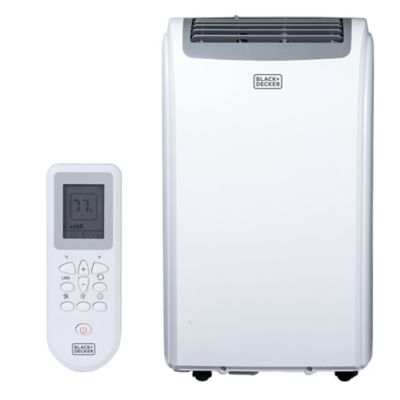
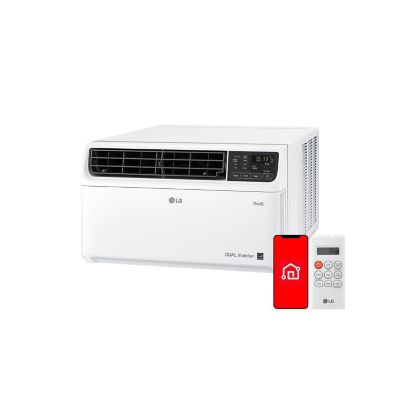
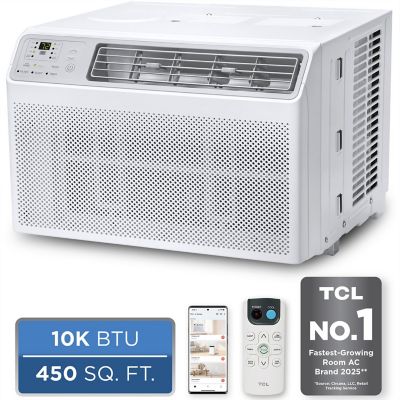
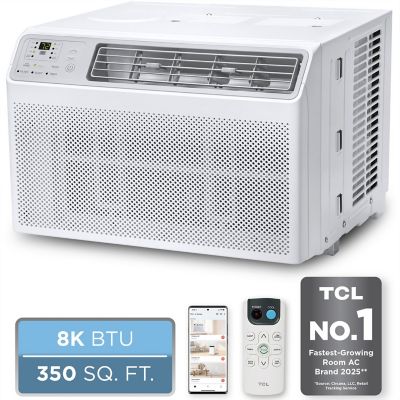
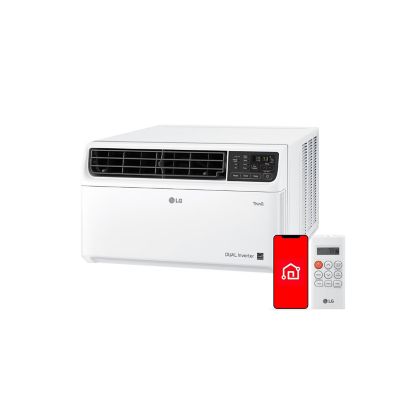
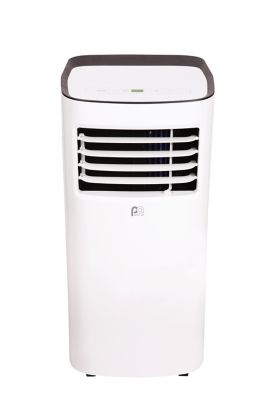
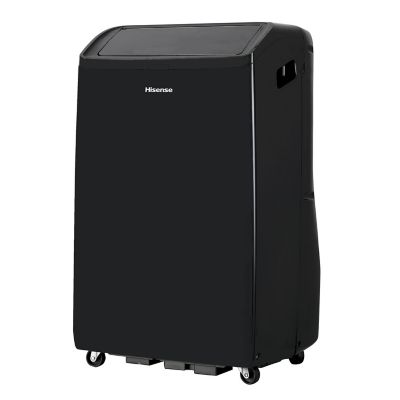
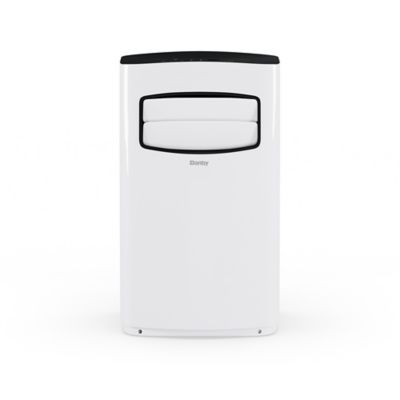
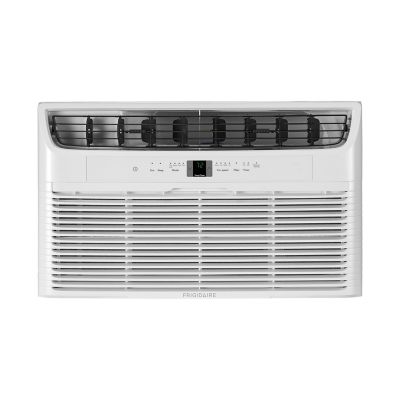
Indoor air conditioners cool individual rooms or enclosed spaces by pulling heat from indoor air and releasing it outdoors. They can make a farmhouse bedroom more comfortable for sleeping, take the edge off a sunny home office, or bring relief to a finished room above the garage. The main types are portable air conditioners, window air conditioners, and ductless mini-split systems, with each style suited to a different room layout and installation setup. Portable units stand on the floor and send warm air outdoors through an exhaust hose, usually connected to a fitted window panel. Wheels make repositioning easier on level floors, but the unit still needs a suitable vent location, electrical outlet, and any required drainage connection. For spaces where a freestanding setup makes sense,
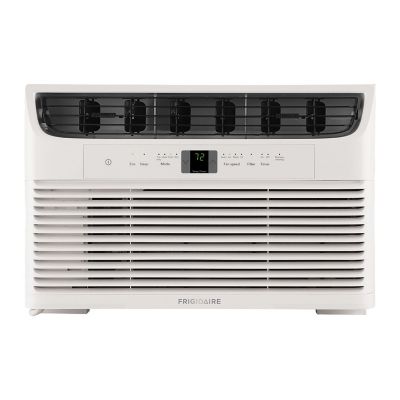
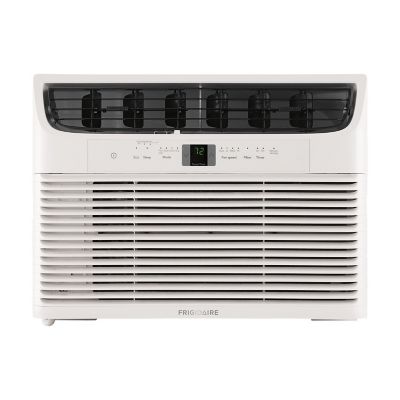
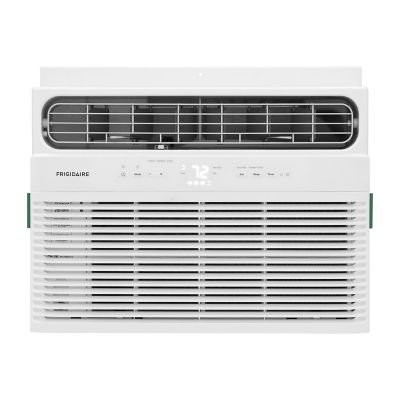
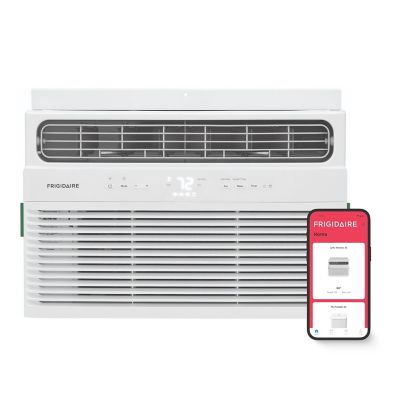
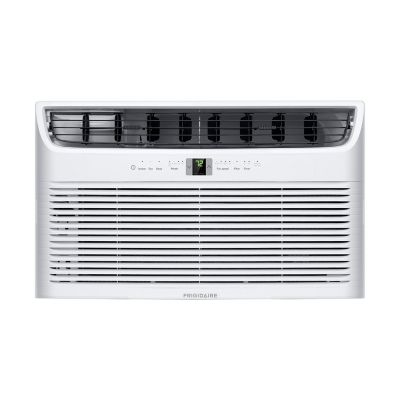
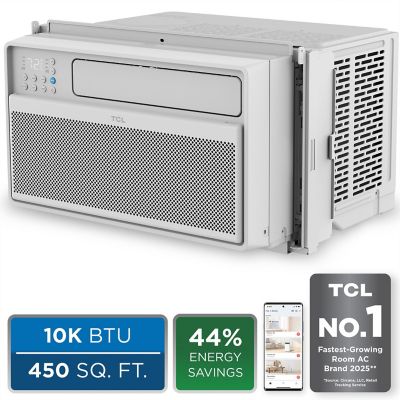
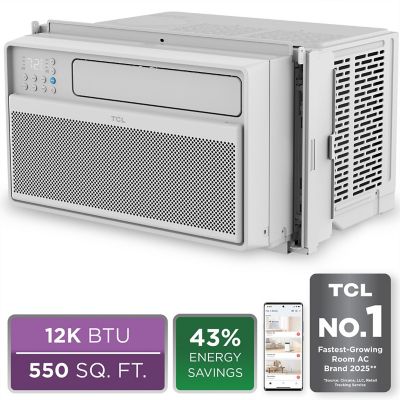
Floor Air Conditioners offer another way to explore room-cooling options without dedicating the entire window opening to a mounted cabinet. Window units sit in a compatible window opening, with the heat-releasing portion facing outdoors and the controls facing into the room. They leave the floor clear, which can help in a small bedroom already holding a bed, dresser, and nightstand. Ductless mini-splits pair an indoor air handler with an outdoor compressor through refrigerant lines, offering a permanent option for rooms without existing ductwork. These systems generally call for professional installation, and some provide heating as well as cooling. None of these refrigerated cooling styles works by simply circulating the same warm air the way a fan does. They move heat out of the space, and they also remove some moisture as air passes over a cold coil. That combination can make a closed room feel less sticky after cooking, an afternoon of sunshine, or a stretch of damp weather. Room air conditioning can also supplement a central system when an upstairs room stays warmer than the rest of the house, though it will not correct underlying insulation or ductwork problems.
The right fit starts with the space itself, not just the largest cooling number on the label. Cooling capacity is expressed in British thermal units per hour, commonly shortened to BTU, and the appropriate capacity depends on room size along with ceiling height, insulation, sunlight, and heat from people or appliances. A shaded bedroom with a standard ceiling has different needs from a south-facing room with tall ceilings and wide windows. Open doorways matter, too: an air conditioner sized for one enclosed room may struggle if it is also expected to cool a hallway and adjoining kitchen. Too little capacity can mean long run times without reaching the set temperature, while too much capacity can cause short cooling cycles that leave moisture behind. Manufacturer sizing charts provide a starting point, with adjustments for the room’s conditions. When comparing portable air conditioners, look for the seasonally adjusted cooling capacity, or SACC, rather than treating every advertised BTU figure as directly comparable. SACC accounts for factors that affect portable cooling performance, including heat associated with the exhaust arrangement. Single-hose portable units exhaust indoor air, which can draw warmer replacement air into the home through gaps; dual-hose designs use a separate outdoor air path for the condenser and can reduce that effect. Physical measurements deserve just as much attention. Window width, opening height, window style, sill condition, and required support all affect whether a window unit fits safely. A portable unit needs floor space beyond its cabinet dimensions so air can move freely around it and the hose can follow the manufacturer’s routing requirements. For a bedroom, sound ratings and lower fan settings may matter as much as cooling capacity. In a home office, adjustable louvers can help direct airflow away from papers and the chair at the desk. Timers, thermostats, and remote controls can make everyday operation easier, while published energy ratings help compare efficiency within the same equipment category. For any style, check voltage, circuit requirements, and plug configuration before planning its placement; an ordinary-looking outlet is not proof that the circuit is suitable.
Indoor air conditioners work best in enclosed living spaces with doors and windows shut, aside from the sealed opening required for an exhaust or mounting kit. They are not a substitute for equipment designed for open barns, dusty work areas, or locations exposed to rain. Even in a finished workshop, airborne sawdust and other debris can clog filters and interfere with airflow, so the intended operating environment matters. Most room units combine a metal cabinet or frame with molded plastic panels, louvers, and controls, while heat-transfer coils have closely spaced metal fins that need protection from bumps and bending. A sound window support, a stable floor position, and room around the intake and outlet help protect those parts through regular operation. Washable filters need cleaning at the intervals specified in the manual, with more frequent checks in homes where pet hair or dust builds up quickly. Let a washed filter dry as directed before putting it back, and disconnect power before cleaning or servicing the unit. Condensate handling varies: some portable units evaporate much of the collected moisture during cooling, while others need tank emptying or a drain hose, especially in humid conditions or a separate dehumidifying mode. A drain hose should follow the required slope and discharge arrangement, rather than running uphill or emptying where water can damage flooring. Window units also need the manufacturer’s specified mounting position so water drains correctly; do not drill drainage holes unless the instructions explicitly call for them. For electrical safety, follow the requirement for a properly grounded outlet and avoid extension cords or power strips. As cooling needs ease during the cooler months, cleaning and drying a portable unit before storage helps limit lingering moisture and odors. Removable window units need safe lifting and dry storage, while equipment left installed should be weather-sealed according to its instructions. Cooling-only systems also have outdoor operating-temperature limits, so a warm room on a chilly day does not automatically mean the equipment should run. Matching the installation, capacity, and care routine to the room helps keep a sleeping space, guest room, or everyday gathering spot comfortable without asking the air conditioner to do a job it was not built for.