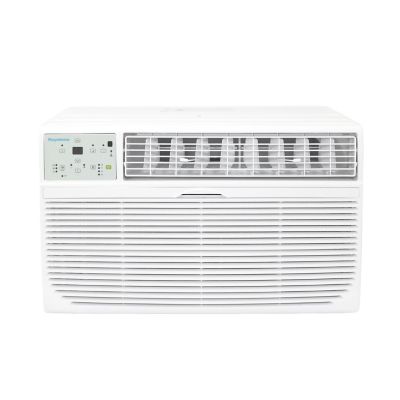
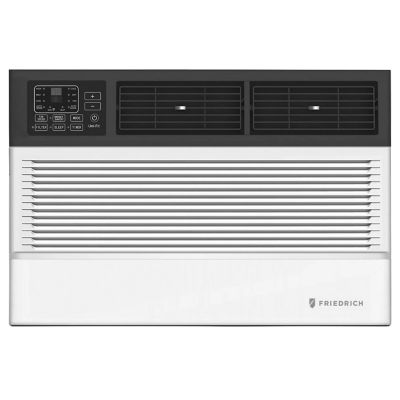
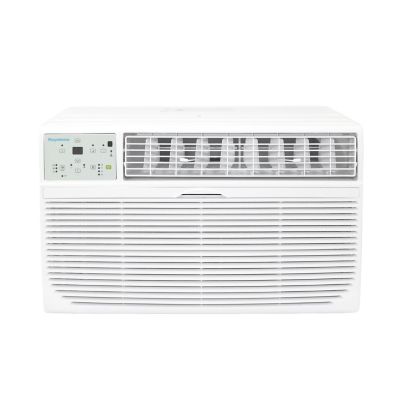
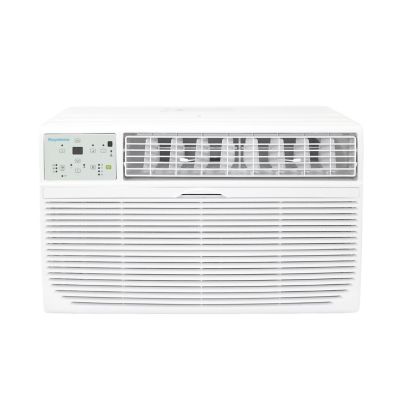
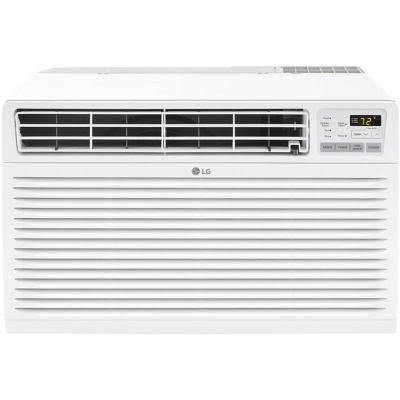
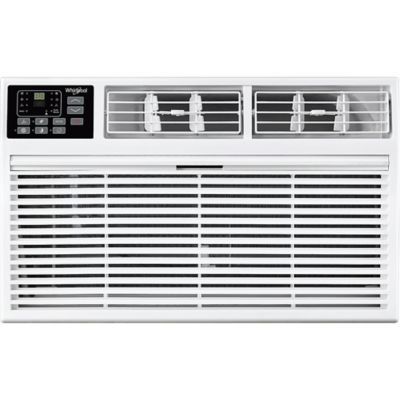
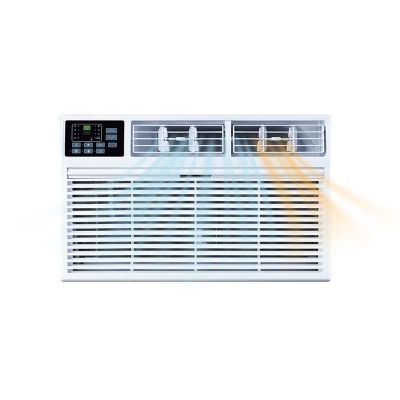
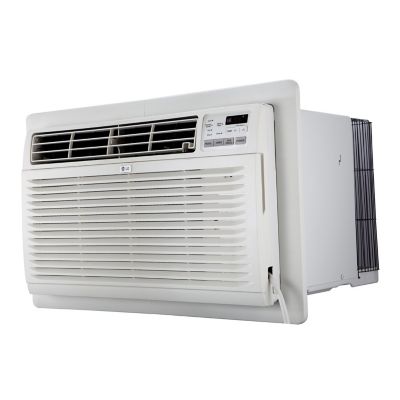
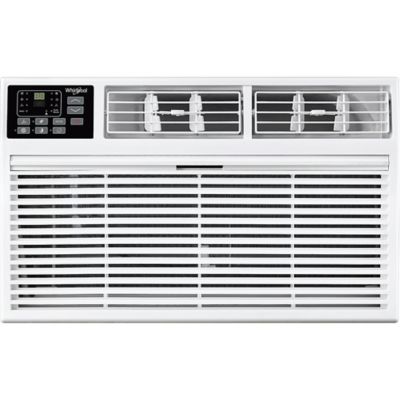
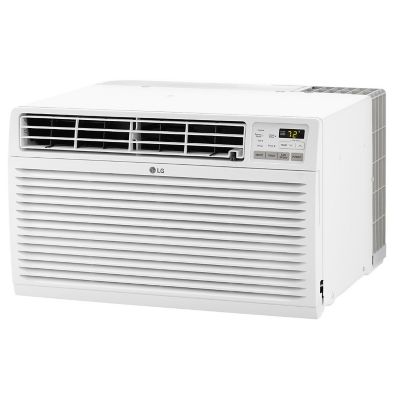
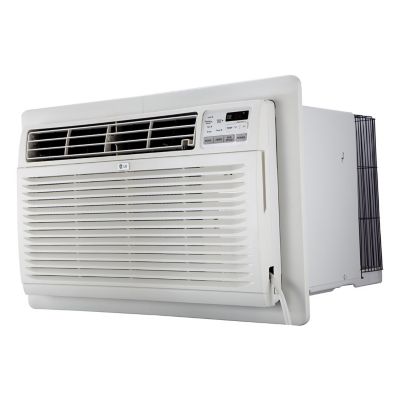
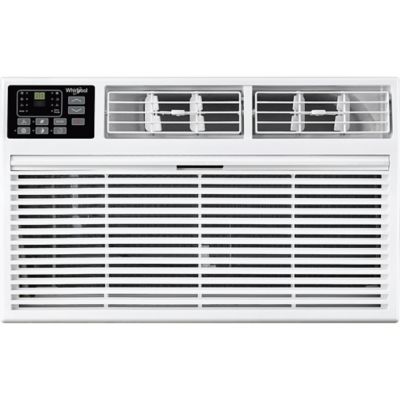
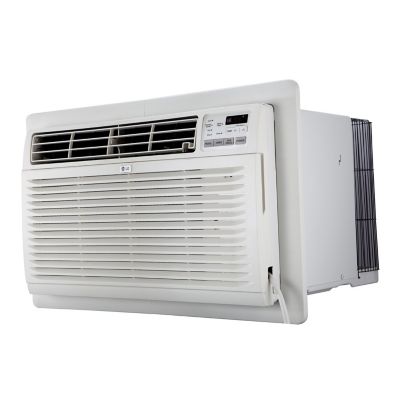
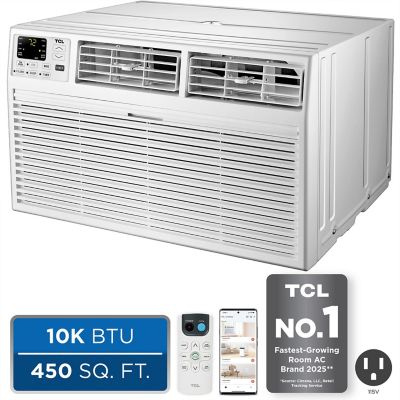
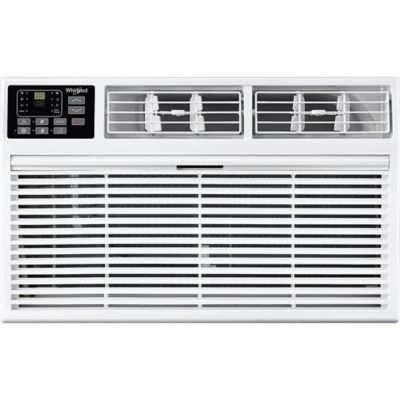
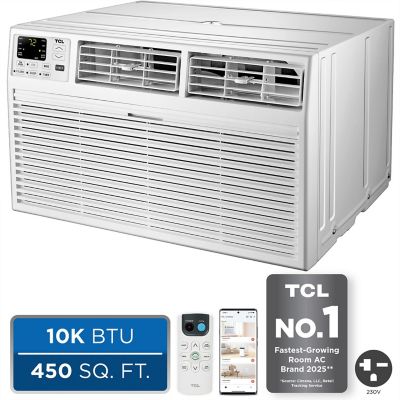
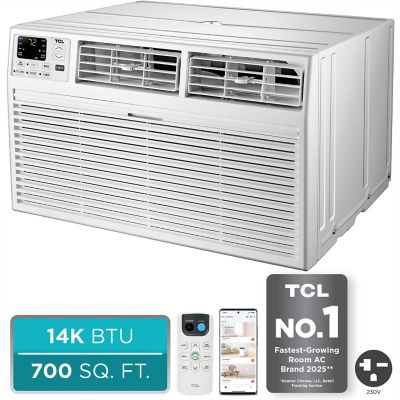
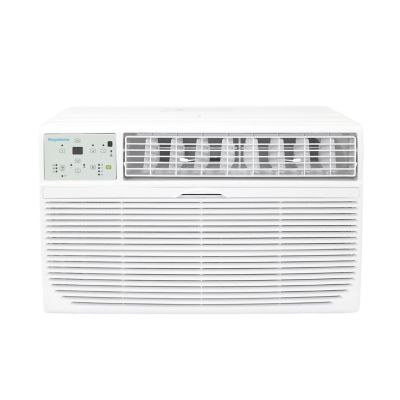
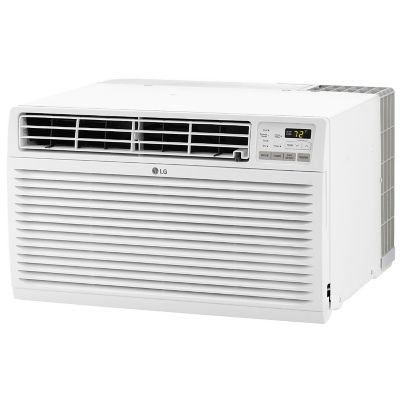
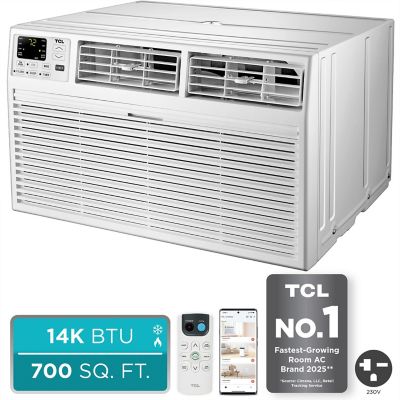
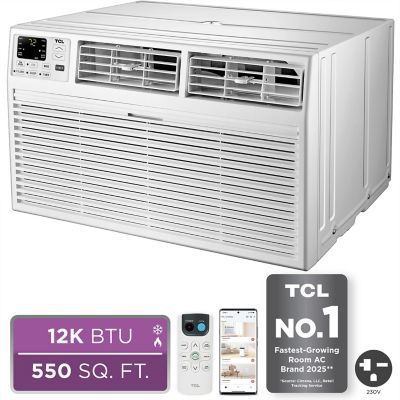
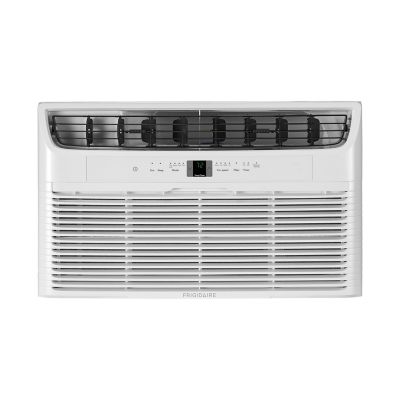
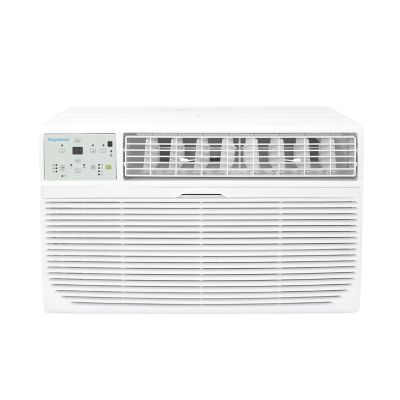
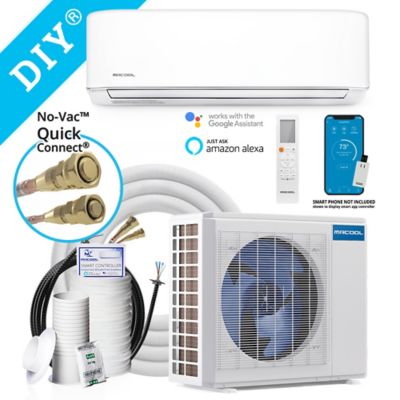
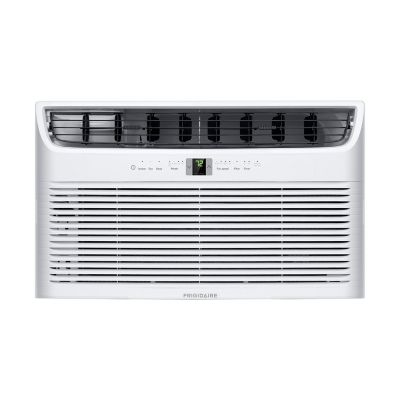
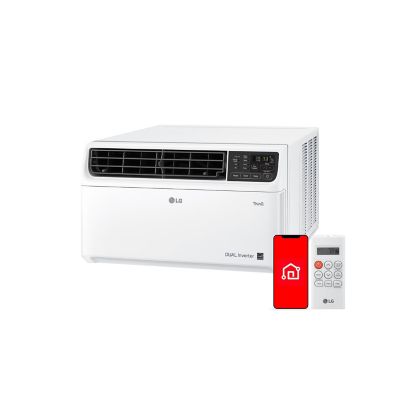
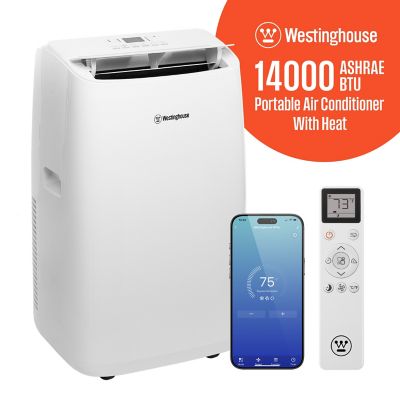
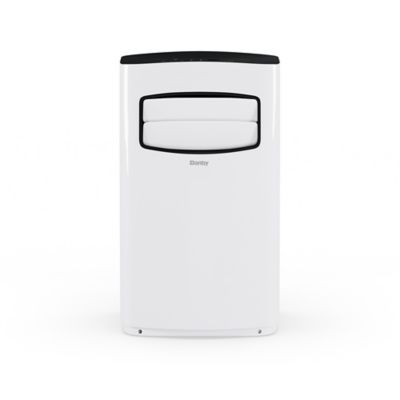
Through-wall air conditioners offer a sturdy, built-in way to cool a room without giving up a window. Unlike a window unit, which rests in the window opening and vents through its sides, a true through-the-wall air conditioner is designed to sit in a wall sleeve and release hot air straight out through the back of the unit. That setup makes a good fit for bedrooms, living rooms, home offices, cabins, garage apartments, workshops and additions where window space needs to stay open for sunlight, fresh air or a clear view of the yard. They are also handy in older homes with small or oddly placed windows, rooms that never seem to cool evenly, and buildings without central air conditioning. A properly sized unit can take the edge off a stuffy upstairs room, make a converted porch more comfortable or give a guest room a dependable source of cooling during warm weather. Many shoppers compare through-wall air conditioners with
Wall Sleeve Air Conditioners, since the two terms are often used for similar built-in cooling solutions. As you look through the available choices, start with the room itself rather than choosing by appearance alone. Measure the wall opening, sleeve dimensions and available depth carefully, and check whether the unit is intended for a new installation or a replacement sleeve. A snug fit helps limit drafts and rattling, while the right sleeve provides the support needed to keep the air conditioner secure. Because cutting through an exterior wall can affect framing, wiring, insulation and moisture control, installation may call for a qualified professional, especially on masonry walls or in finished rooms. The unit should have a level, solid mounting surface and a way to seal around the sleeve so cooled air stays inside and rain stays outside.
Cooling capacity is another important part of choosing a through-wall air conditioner. BTU ratings describe how much heat a unit can remove, but the biggest number is not automatically the best choice. A small, shaded bedroom may need less cooling than a sunny family room with high ceilings, several windows or a busy kitchen nearby. A unit that is too small may run constantly without reaching a comfortable temperature, while one that is too large can cycle on and off before it properly removes humidity, leaving the room feeling clammy. Consider the room’s square footage along with ceiling height, insulation, sun exposure and the number of people or heat-producing appliances inside. Features such as adjustable fan speeds, programmable timers, digital temperature controls, remote operation and washable filters can make everyday use easier, particularly in a bedroom or home office. Noise level matters, too. A quieter model is easier to live with when someone is sleeping, working from home or listening for livestock outside. Some through-wall air conditioners include supplemental electric heat or heat-pump operation, which can provide useful comfort during cooler months. These functions can be convenient in a three-season room, hunting cabin or workshop, but they may not replace a home’s main heating system in very cold conditions. Check the electrical requirements before purchase, including voltage, amperage and outlet type. Some larger units need a dedicated circuit, and extension cords are generally not a safe substitute for the proper electrical connection. Energy-saving settings, sleep modes and an efficient thermostat can help manage operating costs when the unit is used for long stretches.
A built-in air conditioner works best when it receives a little regular care. Clean or replace the filter according to the manufacturer’s recommendations, since a dusty filter restricts airflow and makes the system work harder. Keep furniture, curtains, storage boxes and shop materials away from the indoor air discharge so cool air can circulate across the room instead of getting trapped in one corner. Outside the wall, check that the rear grille is clear of leaves, grass clippings, cobwebs and other debris. This is especially useful around farmhouses, pole barns and rural workshops where wind can carry dust and chaff toward outdoor equipment. Watch for signs of moisture around the sleeve, and make sure the unit remains properly supported and sealed as the building settles or seasonal weather changes. During cooler periods when cooling is no longer needed, follow the care instructions for covering, cleaning or storing any removable components rather than leaving the unit exposed to unnecessary weather. Through-wall air conditioners are a practical choice for homeowners who want reliable room-by-room comfort, landlords preparing a rental, families finishing a basement or detached space, and anyone improving a cabin or guest quarters without installing a full central system. They can also make a thoughtful housewarming gift when the recipient is settling into a home with a warm spare room, enclosed porch or hard-to-cool addition, though confirming the wall opening and electrical setup beforehand is important. With the right capacity, a sound sleeve and sensible installation, a through-wall unit can quietly keep a room more comfortable while leaving the windows free for daylight, views and the simple pleasure of hearing the rain or watching the seasons change outside.