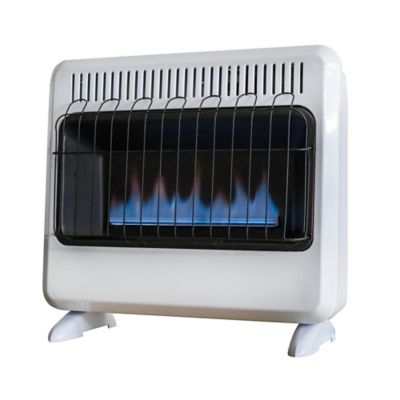
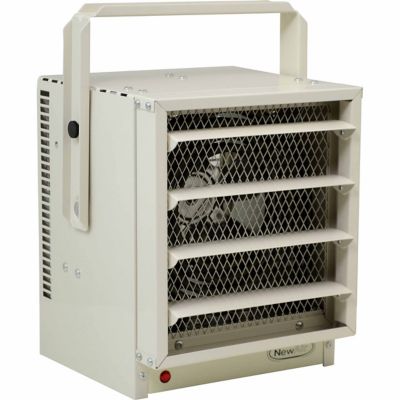
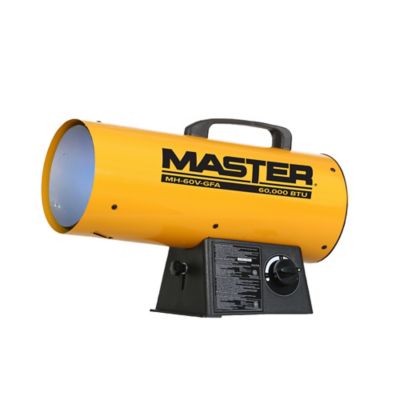
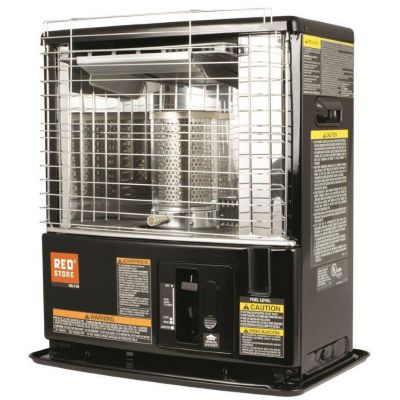
Basement heaters bring extra warmth to the part of the house where the chill often hangs on longest. Whether downstairs holds the family room, a sewing table, a home office or the laundry, a little supplemental heat can make everyday time there more comfortable during the cooler months. Concrete floors feel cold underfoot, below-grade walls lose heat to the surrounding ground, and gaps around basement windows can let in drafts. Even a finished room may feel cooler than the main floor if the central heating system does not deliver enough warm air downstairs. The best basement heater depends on the size and condition of the space, the available electrical service and whether you want warmth for one occupied area or a whole room. A carpeted television room with insulated walls has different heating needs than an open basement with exposed concrete and a stairwell that lets warm air rise upstairs. Square footage is a starting point, but ceiling height, insulation, air leaks and the temperature you want to maintain also matter. Many plug-in electric space heaters draw up to 1,500 watts, delivering about 5,120 BTUs per hour at that setting. That output does not guarantee a particular room coverage: the same heater will have a harder time warming a drafty, unfinished basement than a smaller, well-insulated room. Manufacturer coverage estimates are most helpful when considered alongside the conditions in your own home. For someone folding laundry after evening chores, warmth near the occupied area may be enough. A family spending a long evening downstairs will likely care more about even temperatures throughout the room. Basement heating works best when the heater matches that routine rather than simply taking up an empty corner. Sealing drafts and improving insulation can also help the warmth stay where it belongs, making supplemental heat more useful without expecting a portable unit to carry the heating needs of the entire house.
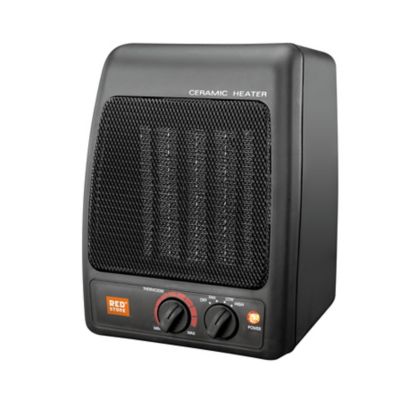
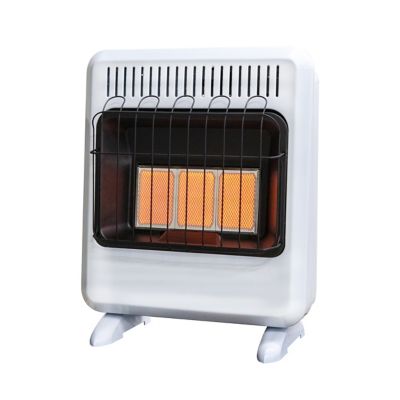
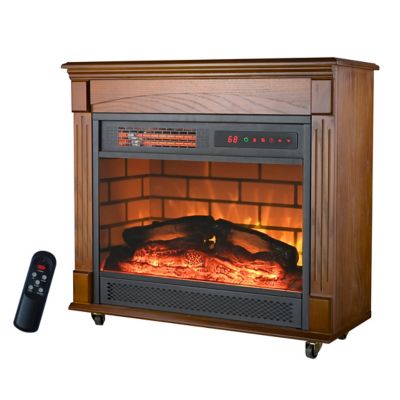
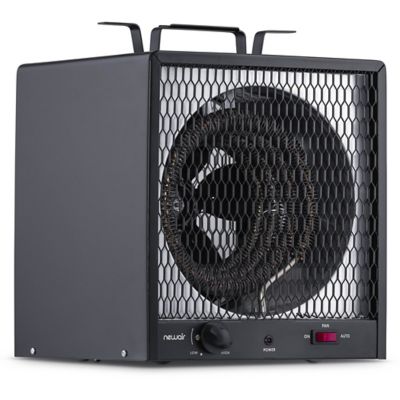
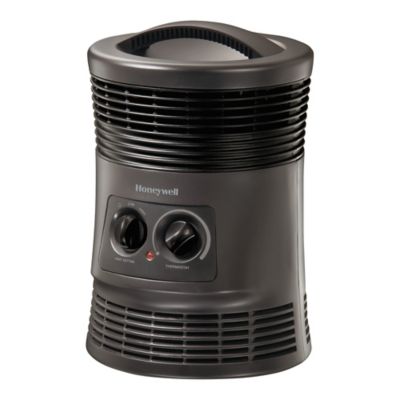
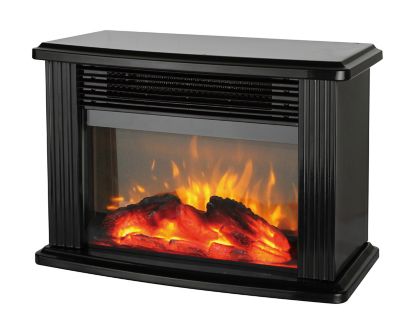
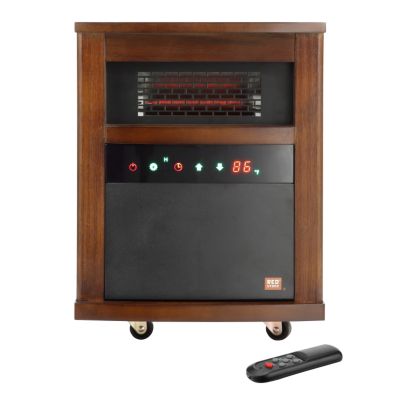
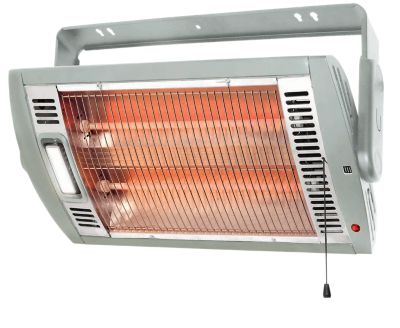
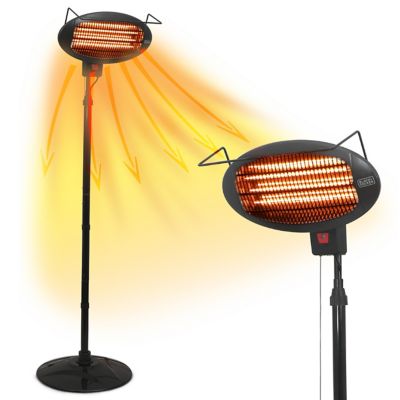
Different types of basement heaters deliver warmth in different ways, and those differences are worth considering before bringing one home. Fan-forced electric heaters move air across a heating element and circulate it into the room, making them a practical option when you want to feel a change soon after turning the heater on. Ceramic heaters typically use a ceramic heating element with a fan; an oscillating design can spread the airflow across a wider occupied area. Fan sound matters in a downstairs office or television room, especially when the heater sits close to your chair. Infrared heaters provide radiant warmth to people and surfaces within their reach, so they can suit a seating area or another spot where you spend time in one place. Their effect depends on placement and an unobstructed path, and they should not be expected to warm every corner of a divided basement equally. Oil-filled electric radiators take longer to warm up but offer gentle, steady heat without a fan. The oil stays sealed inside and does not need routine refilling. These heaters continue releasing stored heat for a while after the heating element cycles off, though that remaining warmth is not extra energy being generated. At the same wattage, electric resistance heaters produce roughly the same total heat; their main differences are how they distribute it, how quickly you feel it and how well their controls fit your needs. An adjustable thermostat can cycle the heater to maintain a set temperature, while multiple heat settings let you select a lower output when full power is unnecessary. Easy-to-read controls, a stable base and a carrying handle can make everyday operation simpler. Weight and wheels matter if the heater needs to move between suitable locations, particularly across flooring transitions. For a more permanent arrangement,
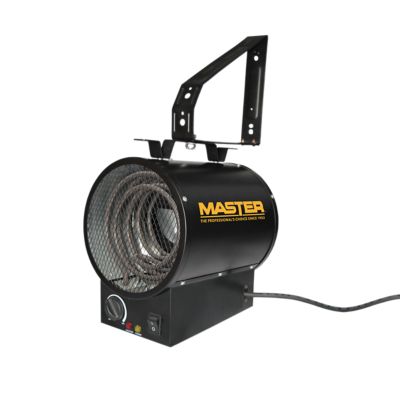
Mounted Heaters can keep floor space open near a desk or seating area, provided the installation location meets the heater’s clearance and electrical requirements. Hardwired equipment calls for proper installation, and a qualified electrician can help determine whether the existing circuit has enough capacity.
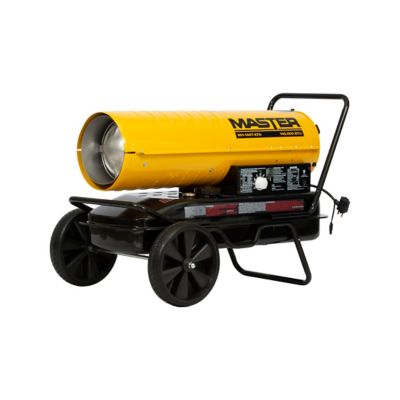
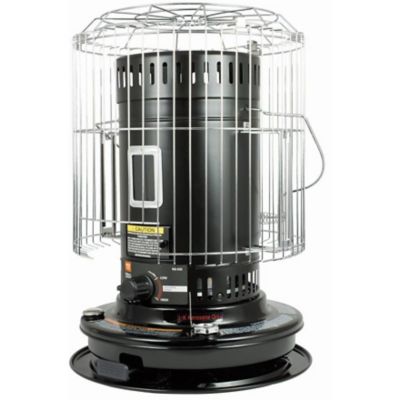
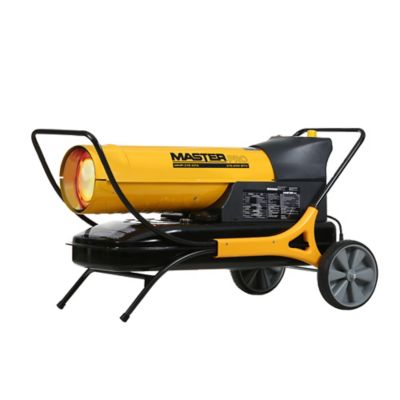
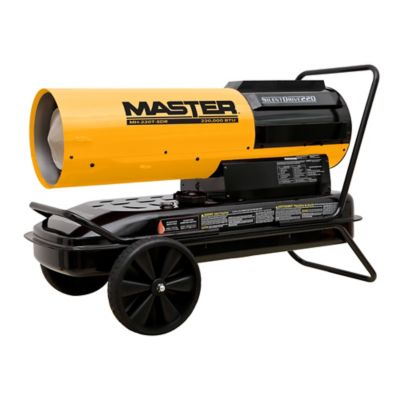
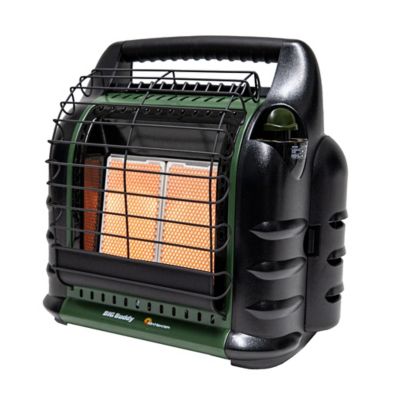
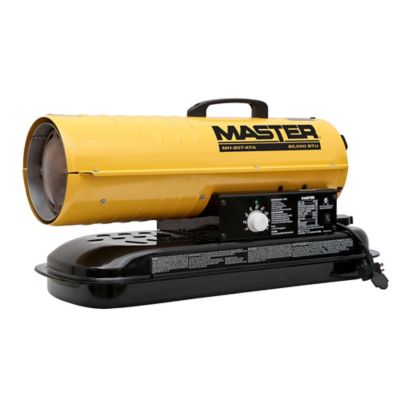
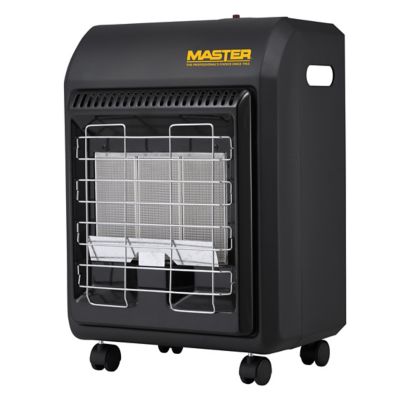
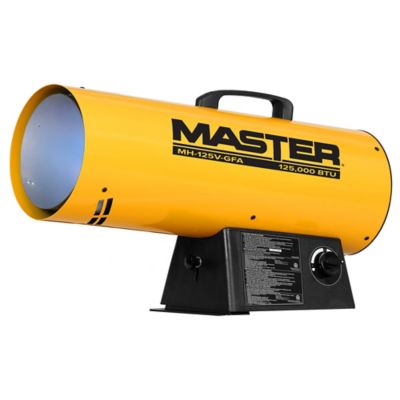
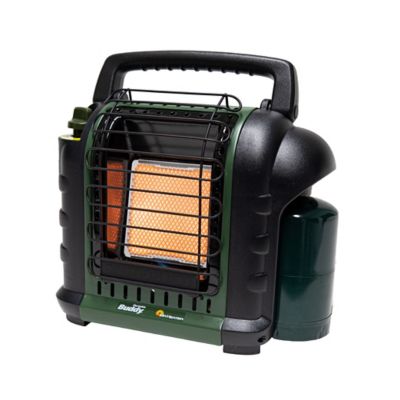
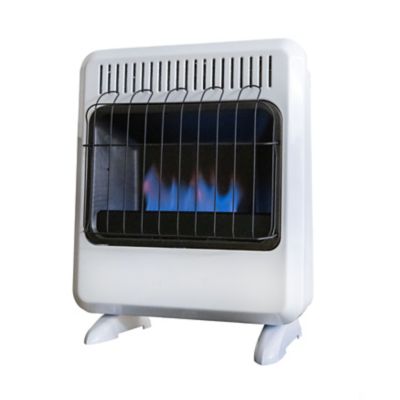
Safety and basement conditions deserve as much attention as heat output. A basement heater belongs in a dry location that meets its manufacturer’s instructions, not beside a leaking foundation wall, a utility sink or a spot where water collects after heavy rain. Ordinary indoor space heaters are not a fit for wet areas unless specifically listed for those conditions. Heating can make a chilly room feel better, but it does not remove water from the air or fix seepage; persistent dampness needs its own solution. For plug-in electric heaters, use a suitable wall outlet directly, never an extension cord or power strip, and avoid sharing the circuit with other high-draw appliances. A loose plug, discolored outlet or hot receptacle needs attention before the heater runs again. Tip-over shutoff and overheat protection are useful features, but they do not replace careful placement and supervision. Keep portable heaters on a stable, level surface, maintain at least three feet of separation from bedding, curtains, furniture and other combustible materials, and follow any greater clearances in the instructions. Downstairs storage can creep closer over time: a cardboard box set down after chores or a laundry basket left beside the sofa can turn a clear space into a crowded one. Keep children and pets away from hot surfaces, leave exits open and turn portable heaters off when leaving the room or going to sleep. Fuel-burning equipment requires additional care. Outdoor patio heaters and outdoor-only construction heaters do not belong in a basement. Any fuel-burning heater considered for indoor basement installation must be specifically approved for that location, comply with local requirements and have the specified ventilation or venting; professional assessment is important. Working smoke and carbon monoxide alarms remain essential, and an oxygen-depletion shutoff is not a substitute for a carbon monoxide alarm or proper installation. With the right match, supplemental basement heat can make room for the ordinary pleasures downstairs: a game at the card table, a quiet afternoon at the sewing machine or a comfortable place to settle after the outdoor work is done.