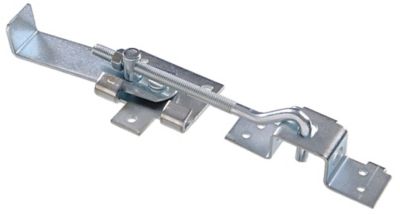
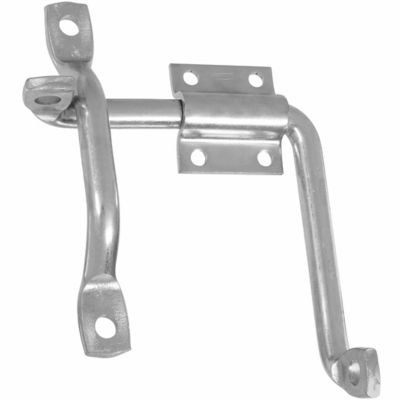
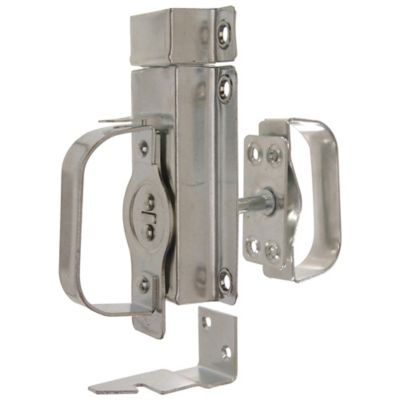
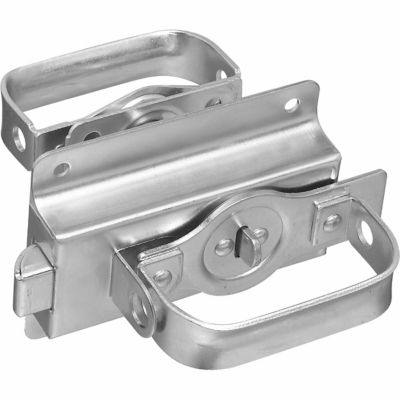
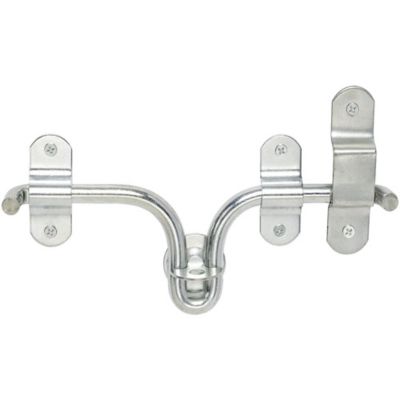
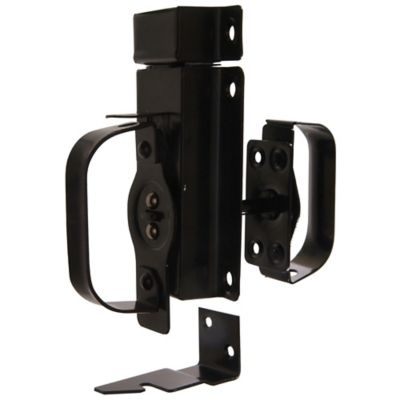
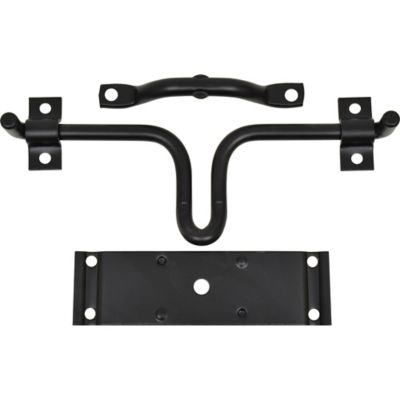
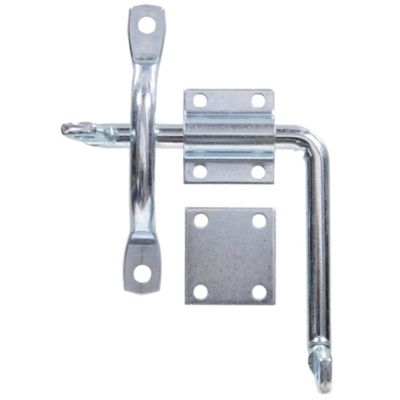
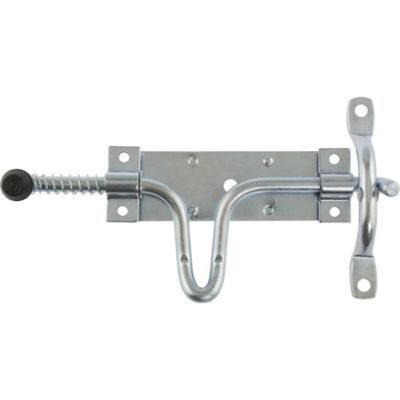
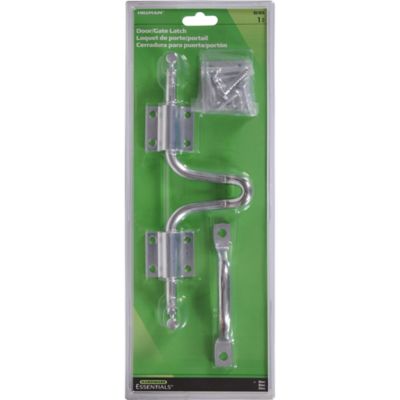
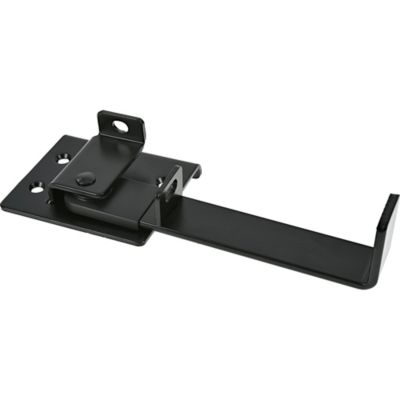
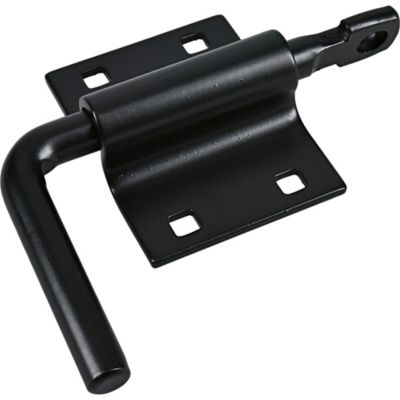
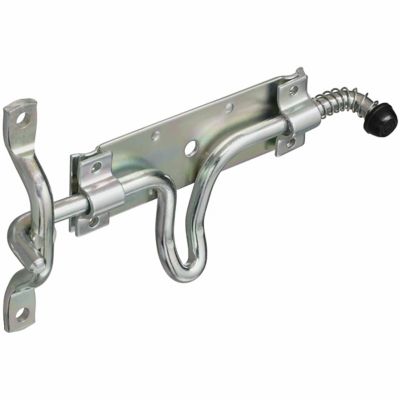
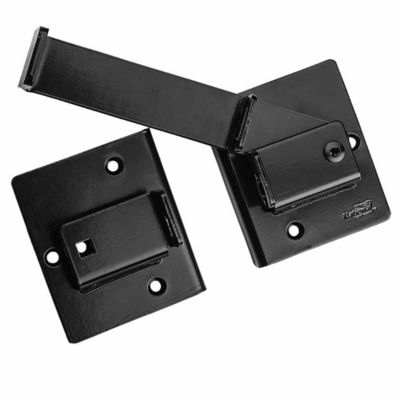
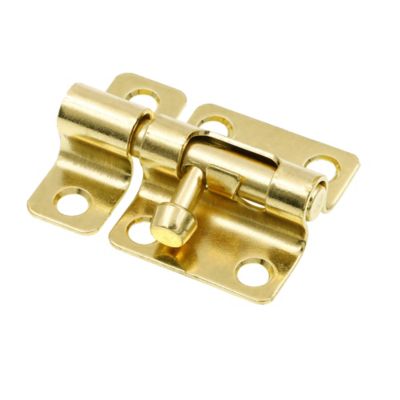
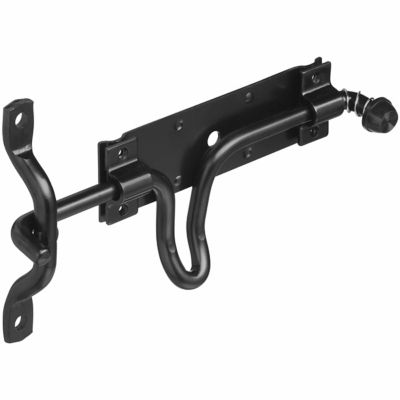
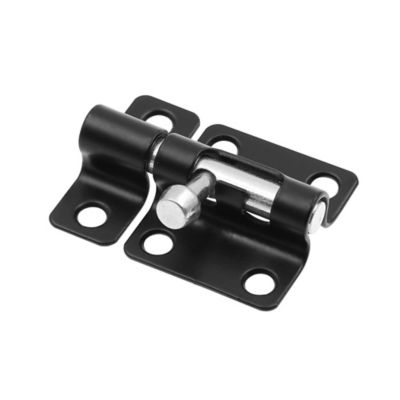
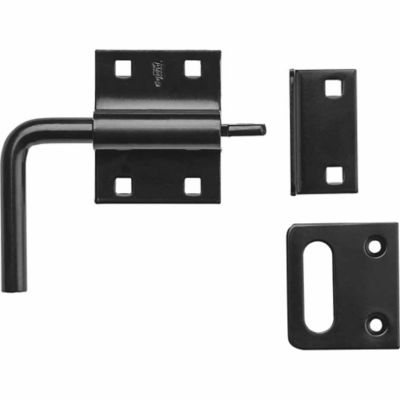
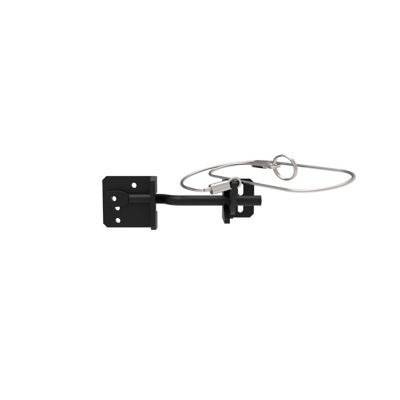
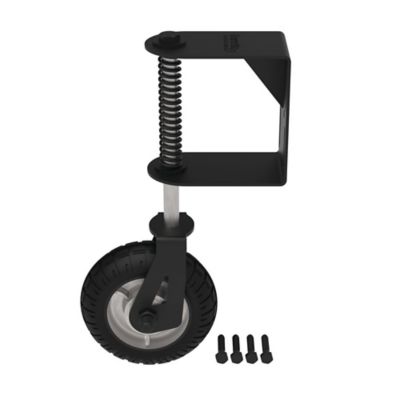
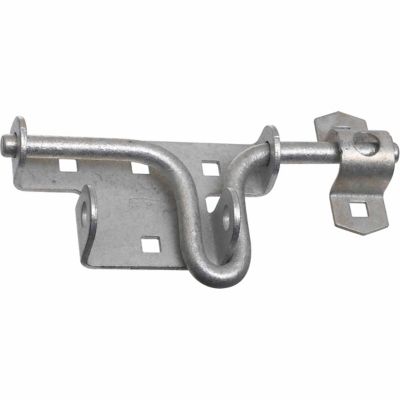
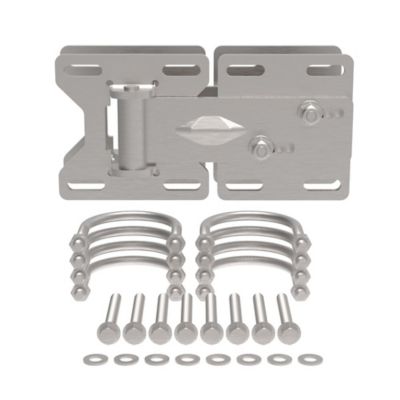
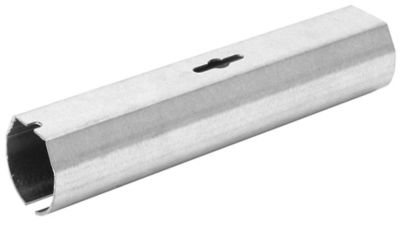
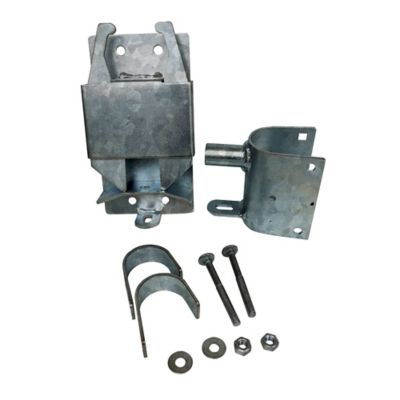
Barn door latches help keep doors closed, steady and easy to manage around barns, sheds, coops, workshops and other outbuildings. A good latch can make a plain doorway feel more secure while standing up to the everyday work that comes with farm life. Dust, hay, mud, rain, changing temperatures and frequent use can all take a toll on hardware, so it pays to choose a latch that fits both the door and the job. Think about whether the door swings in or out, how thick the door and frame are, and whether the latch needs to be operated from one side or both. A simple sliding bolt may be a handy choice for a tack room or feed area, while a more substantial latch can help hold a larger barn door closed when the wind picks up. Some doors need hardware that can be opened with one hand while carrying a bucket, a bundle of bedding or a handful of tools. Others may benefit from a latch that can accept a padlock for an added measure of security. Take a look at the existing mounting holes and the condition of the door before choosing replacement hardware. If the wood around the latch is soft, split or worn from years of use, a new latch may work best with fresh screws, a small repair plate or a slightly different mounting position.
Barn door latches are useful for far more than keeping a traditional red barn closed. They can help secure run-in sheds, storage buildings, chicken houses, livestock areas, garden sheds and workshop doors. A properly fitted latch keeps doors from banging in the breeze, which can help reduce wear on hinges and prevent a loose door from swinging into equipment or animals. In a busy barn, dependable hardware also makes daily chores feel a little smoother. You can close up a grain room after filling the bins, secure a grooming area after bringing the animals in, or keep a tool shed shut while you move on to the next task. When selecting a latch, pay attention to the finish and construction. Hardware made for outdoor use should be able to handle moisture and temperature changes, especially on buildings that are exposed to driving rain or morning condensation. Dark finishes can blend nicely with rustic wood, while galvanized or corrosion-resistant finishes may suit areas where dampness is a regular concern. Check the reach and clearance of the latch so it can move freely without catching on trim, warped boards or a thick coat of paint. Doors on older barns often settle over time, and a latch with some room for adjustment can be more forgiving when the frame is no longer perfectly square. For doors that see heavy traffic, a sturdy handle and easy-to-grip mechanism can be just as important as the latch itself.
The right barn door latch can also make a thoughtful gift for someone who enjoys fixing up an old homestead, building a backyard workshop or adding useful touches to a farm property. It is the sort of practical hardware that may not be flashy, but it can be appreciated every time a door closes cleanly instead of being propped with a scrap of lumber. New property owners, hobby farmers, gardeners, woodworkers and anyone caring for poultry or small livestock may find plenty of uses for dependable door hardware. Before buying, compare the latch size with the door’s scale, confirm that the mounting surface is wide enough, and consider how much force the door may experience from wind, animals or regular handling. A latch for a small garden shed does not need the same feel as one used on a broad double door, and a door that must stay secure around curious animals deserves careful attention to placement. Keep children and livestock in mind as well, choosing a design and mounting height that fit the space safely. For another outbuilding project, browse
Shed Door Latches to find hardware suited to shed doors and storage areas. With the right fit and a solid mounting surface, a barn door latch can provide years of everyday service through warm weather, rainy stretches and the cooler months when every closed door helps keep tools, feed and animals protected.