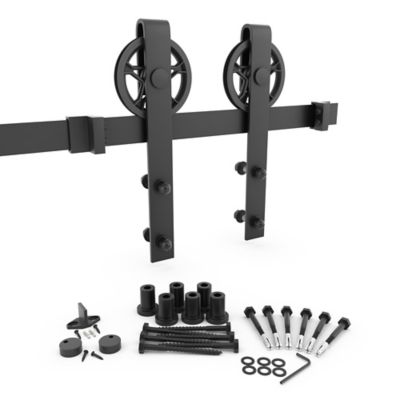
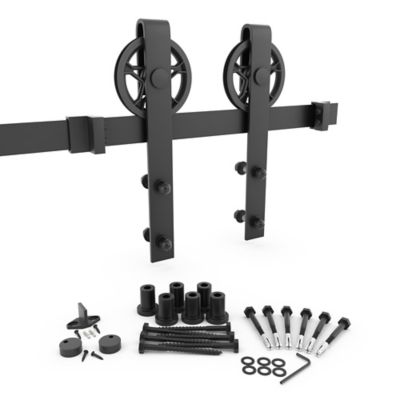
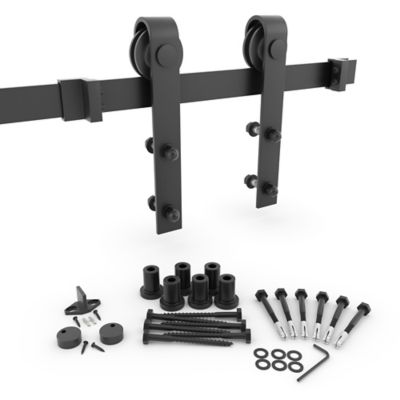
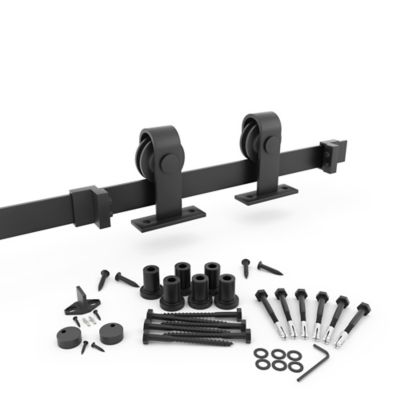
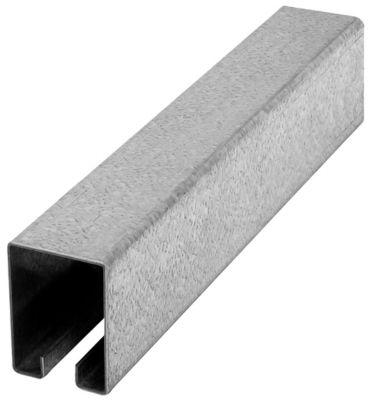
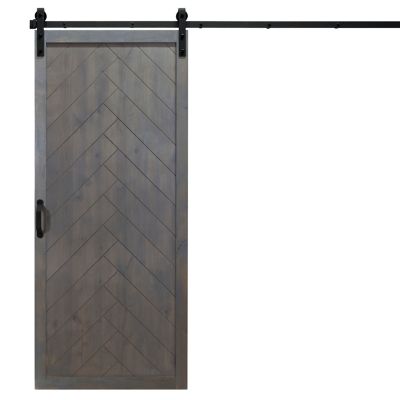
Barn door tracks bring practical sliding-door function and a little farmhouse character to spaces that need a hardworking way to open and close. They can be used inside the house for pantries, closets, laundry rooms, bedrooms, bathrooms, home offices and wide room openings, or in suitable outdoor applications such as workshops, sheds and small barns. Unlike a hinged door that swings into the room, a sliding door travels along the wall, which can help make better use of tight floor plans and busy work areas. A well-chosen track also lets the door become part of the room’s look, whether the space leans rustic, country, industrial or clean and modern. Flat tracks are a common choice for interior doors, with visible rollers riding along a steel rail and straps attaching to the door. Box rail styles have an enclosed channel and are often selected for heavier doors or more demanding settings. Bypass systems use two tracks so a pair of doors can slide past and overlap, making them useful for wide openings where one door cannot cover the full span. Concealed or trackless-looking arrangements keep more of the hardware behind the door for a simpler appearance. As the weather warms and projects move outdoors, a properly suited track can help organize a barn entry, storage building or work area; during the cooler months, the same hardware can make indoor spaces easier to use when mudrooms, pantries and utility rooms see plenty of traffic. For a coordinated swinging-door project, browse
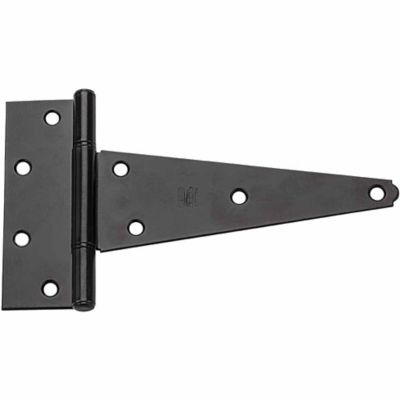
Barn Door Hinges as well.
Start with the door opening and the door slab, not the hardware finish. For a standard single-door layout, the track should generally be at least twice the width of the door so the slab can slide far enough to clear the opening. A 36-inch door, for example, commonly calls for a track around 72 inches long, though the space beside the opening, trim and handle placement can affect the final choice. Measure the opening from edge to edge, check the available wall space on the side where the door will rest, and account for baseboards, light switches, outlets and nearby corners. The door must also be tall enough to cover the opening while leaving the clearance required by the hardware, and the track needs a solid mounting surface. Many installations use a mounting board or other structural support behind the rail, especially when the wall framing does not line up with every mounting point. Weight capacity matters just as much as length. Compare the full weight of the door with the track’s rated capacity, allowing for the door material, any attached trim and the hardware itself. Light interior doors and thick reclaimed-wood slabs do not place the same demands on a rail. Residential hardware may support around 220 pounds, while heavy-duty systems can be rated for 400 pounds or more, but ratings vary, so the manufacturer’s specifications should guide the selection. A door that is too heavy for its track may roll poorly, strain the mounting points or become unsafe. For exterior use, look for finishes and materials suited to exposure, such as galvanized or powder-coated steel, and think about moisture, dust and temperature changes before choosing indoor-rated hardware for a shed or barn.
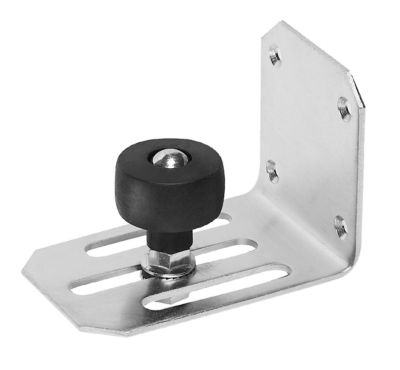
A smooth installation depends on careful measuring and a level track. Uneven mounting can make a door drift, bind or bump along the rail, and even a small error is easy to notice once a broad door is hanging in front of it. Before drilling, locate studs or other sound structural support, mark the rail height, and confirm that the door can open without striking trim or nearby walls. Follow the included instructions for the required gap above the door, the spacing between rollers and the placement of stops. Floor guides or anti-jump features help keep the door aligned as it moves, particularly in homes with children, pets or frequent foot traffic. Use the right fasteners for the wall and the door material, and do not assume that hardware intended for an interior room will perform well outdoors. After mounting, test the door through its full travel, check that it clears the opening, and make sure every bolt and stop is secure. A quick inspection from time to time can catch loose fasteners, worn rollers, rust or dirt in the track before a small repair turns into a larger project. Wipe away dust and debris, use only the lubricant recommended for the hardware, and avoid loading the door with hooks or shelves unless the system is designed for that added weight. Barn door tracks are a useful choice for homeowners, renters with permission to make improvements, workshop builders, farmers organizing outbuildings and anyone refreshing a tired storage area. They can also make a thoughtful housewarming gift for someone settling into a farmhouse, finishing a workshop or planning a room update, especially when paired with a door slab and the correct mounting hardware. With the right track length, weight rating, layout and finish, a sliding door can open smoothly, hold up through changing seasons and give an everyday entry a sturdy, finished feel.