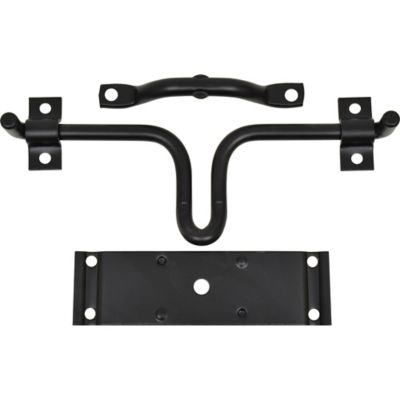
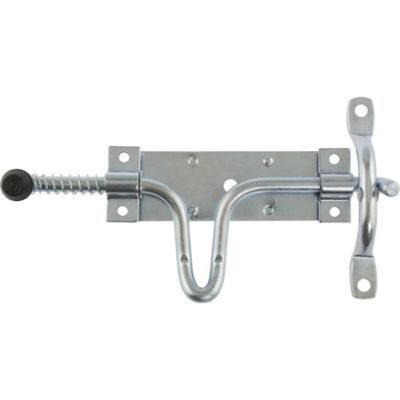
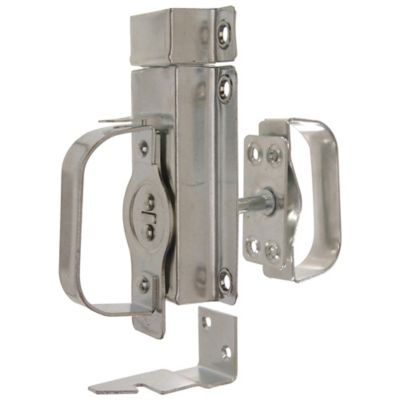
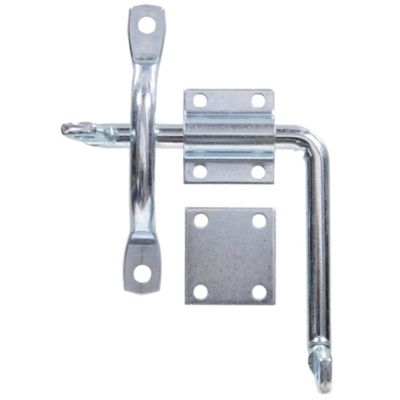
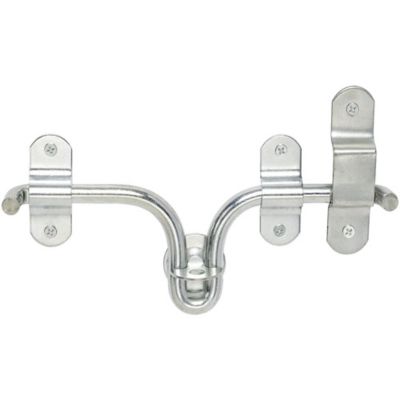
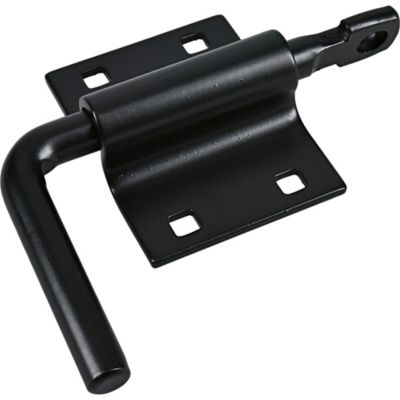
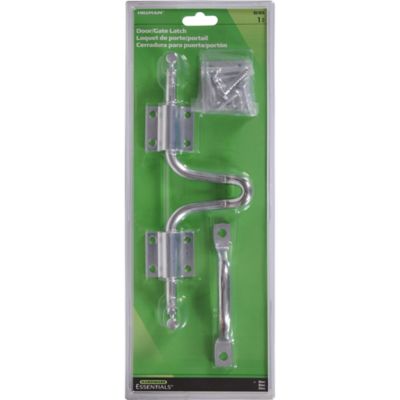
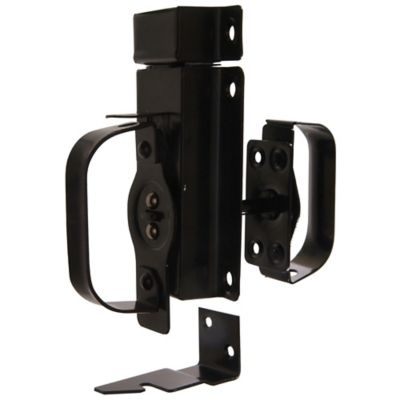
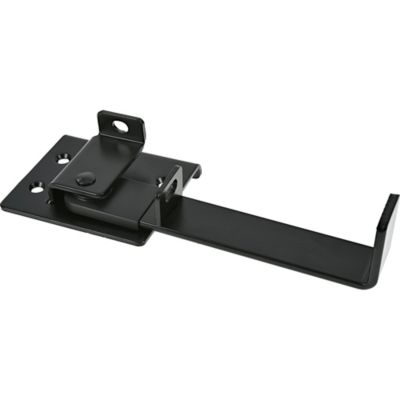
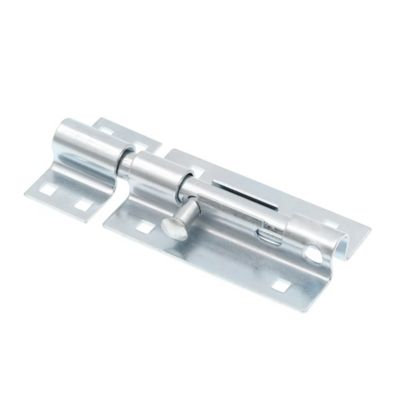
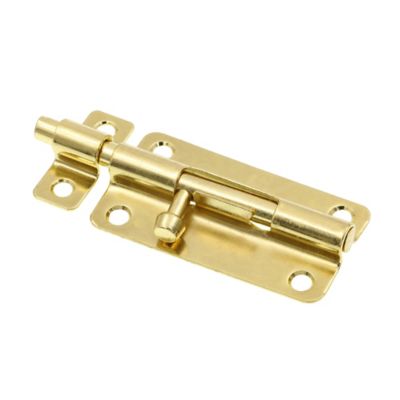
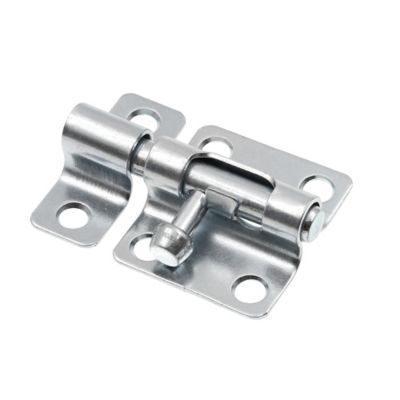
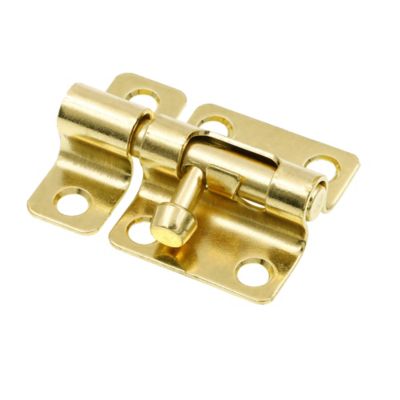
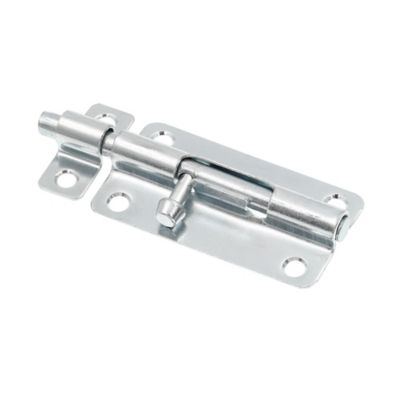
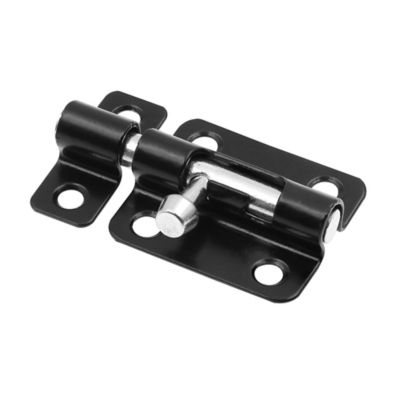
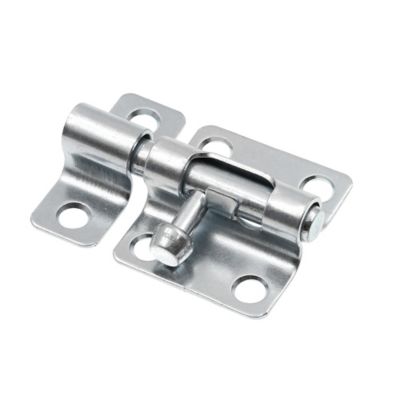
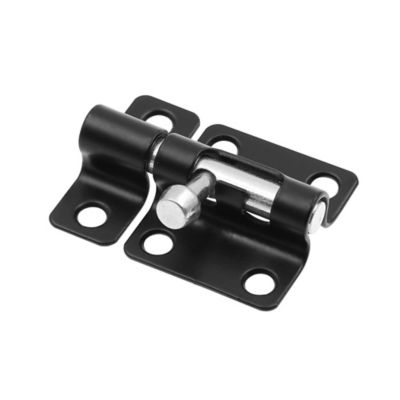
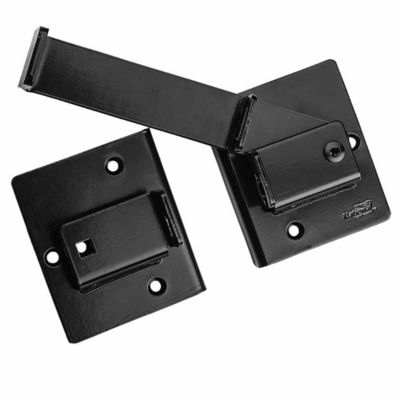
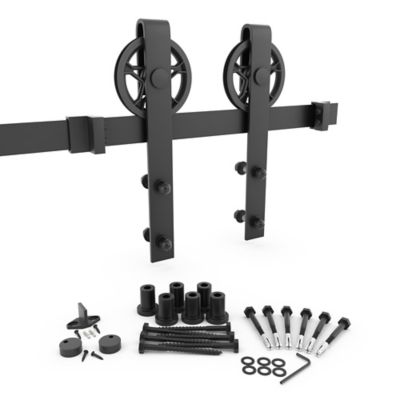
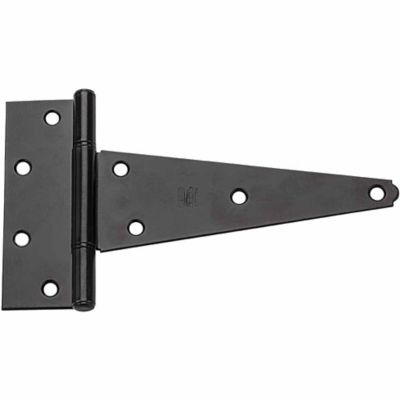
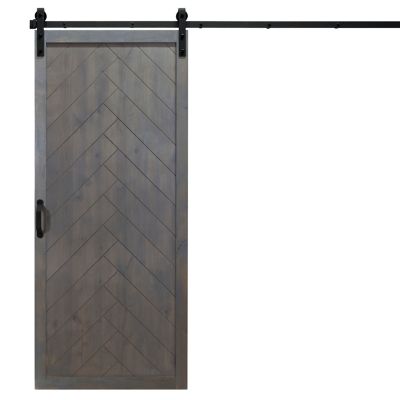
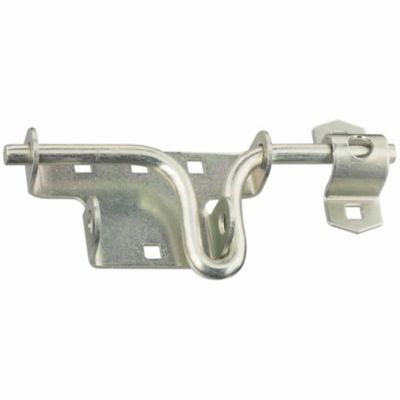
Barn door locks are a practical finishing touch for sliding doors in bedrooms, bathrooms, laundry rooms, mudrooms, offices, pantries, workshops, and outbuildings. Unlike a standard hinged door, a barn door usually sits slightly away from the wall, so a regular deadbolt or knob is not the right fit. Surface-mounted hardware is made to work with that offset, giving the door a dependable way to stay closed while adding a clean, finished look. The best choice starts with the space between the door and the wall. A 90-degree flip latch is often a good fit for a door that sits close to a flush wall or frame. Its rotating arm swings across the door edge or into a catch, creating a simple privacy hold with a neat, low-profile appearance. This style works especially well in a bathroom, guest room, or home office where you want the door to stay shut without adding a bulky piece of hardware. Hook-and-eye latches offer a little more flexibility when the gap is uneven, the wall has trim, or the door shifts slightly as it rolls. The hook drops into an eye loop and can accommodate small changes in alignment, which makes this traditional style a dependable choice for rustic interiors, utility rooms, sheds, and barn-style spaces. When comparing options, look closely at the listed dimensions and the way the latch mounts instead of choosing by finish alone. A latch that looks right but cannot reach across the gap will not hold the door properly. Measure the door thickness, the distance from the door edge to the wall, and the space available around the mounting holes. If the door has raised panels, trim, or a handle that extends near the closing edge, account for those details before making a selection. For more ways to coordinate the latch with the rest of a sliding-door setup, browse
Barn Door Hardware and consider how each part will work together once installed.
The material and construction of a barn door lock matter just as much as its shape. Solid brass, stainless steel, and heavy-duty zinc alloy are popular choices because they can stand up to repeated use and are less likely to bend, crack, or snap than lightweight hardware. Stainless finishes suit bright utility areas and modern farmhouse rooms, while black, bronze, and aged metal tones blend naturally with reclaimed wood, painted planks, and traditional country décor. A durable finish also helps the hardware stay presentable through dusty boots, damp hands, pet traffic, and the everyday bumps that come with a busy household. Keep in mind that most barn door latches are intended for privacy and keeping a door closed, not for high-security protection. For a bathroom or bedroom, a simple flip latch may be all that is needed. For a pantry, tack room, workshop, or storage area, you may prefer a stronger latch that can better resist vibration and frequent opening. Some sliding doors can move outward when pushed, which may pull the latch out of alignment. A floor-mounted guide or stay roller can help control that motion by keeping the bottom of the door tracking in place. It is not a lock by itself, but it can make the latch work more smoothly and reduce rattling, shifting, and accidental opening. Check the door’s weight, track style, and available floor clearance before adding one. Installation is usually straightforward with careful measuring, a level, and the right screws for the wall and door material, but masonry, metal framing, and thick reclaimed lumber may call for different fasteners. On a heavy door, use solid mounting points rather than relying only on thin paneling or hollow sections. If the hardware will be used by someone with limited hand strength or mobility, look for an accessible lever-style privacy latch or another design that is easy to grasp and operate without twisting. Commercial-grade accessible hardware may be worth considering in shared spaces, guest accommodations, and areas where convenience matters as much as appearance.
A barn door lock can also make a thoughtful housewarming gift for someone finishing a farmhouse renovation, updating a cabin, or turning an old outbuilding into a guest room, craft space, or home office. It is a small piece of hardware, but it helps bring the whole door together, much like the final hinge on a garden gate. A friend who has installed a reclaimed wood door may appreciate a sturdy latch that complements the grain and character of the wood, while a new homeowner may value a simple privacy solution for a bathroom or bedroom. During the warmer part of the year, sliding doors often see plenty of traffic as family members move between the house, porch, mudroom, and workshop. During the cooler months, a properly aligned latch helps keep utility spaces, feed rooms, and storage areas closed against drafts, curious pets, and drifting dust. Before purchase, decide whether the priority is privacy, appearance, flexibility, or extra holding strength, then match the latch style to the door’s actual gap and movement. Look for smooth operation, sturdy construction, clean edges, and mounting hardware suited to the surface. A latch that closes without forcing, catches securely, and releases easily is more likely to serve well through everyday use. Taking a few minutes to measure and inspect the door can prevent the common frustration of a latch that sits too far away, rubs against the wall, or refuses to line up. With the right fit, barn door locks offer a practical way to finish sliding doors throughout the home, farm, cabin, garage, or workshop while adding a bit of hardworking country character.