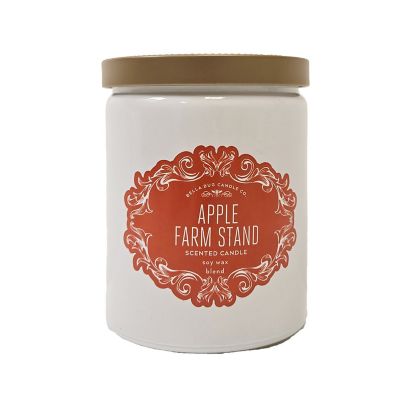
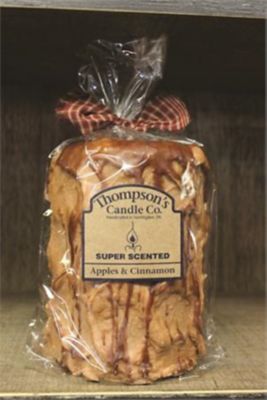
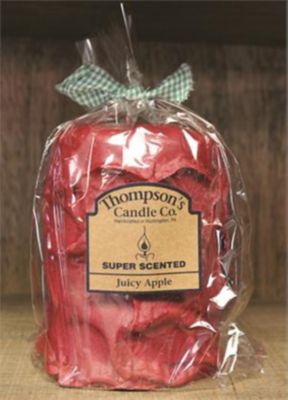
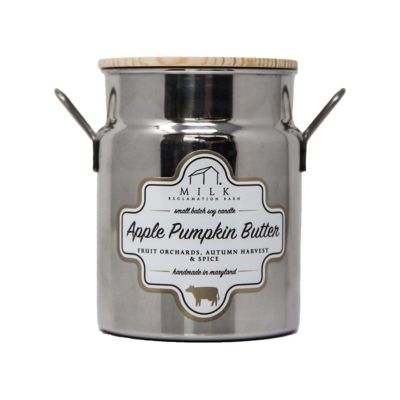
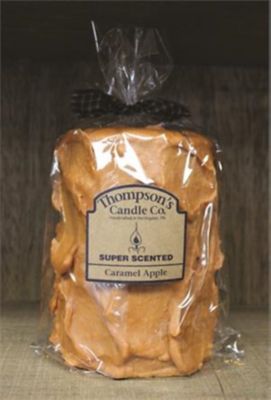
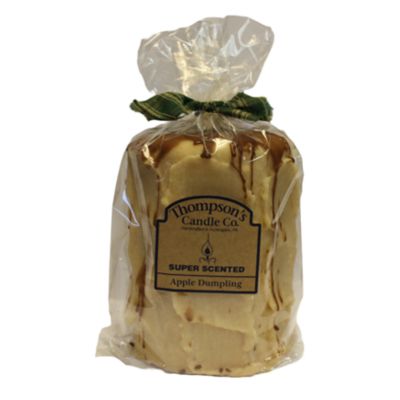
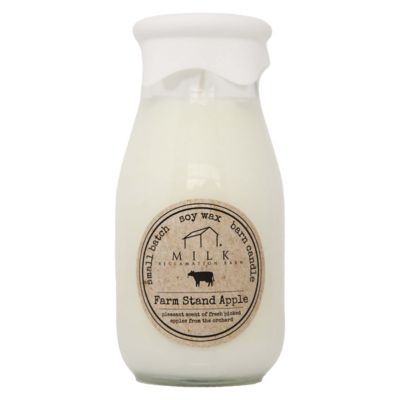
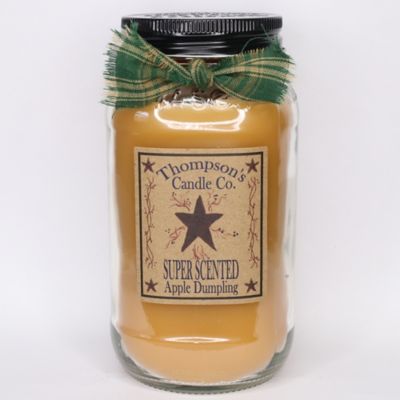
Apple-scented candles bring the familiar smell of orchard fruit into a room, with fragrances ranging from tart green apple to mellow red apple, spiced cider, and fresh-baked pie. Fresh apple candles tend to emphasize crisp, juicy fruit, while spiced apple candles add notes such as cinnamon, clove, or nutmeg. Bakery-style blends lean sweeter, pairing apple with vanilla, brown sugar, buttery pastry, or caramel. Those differences matter more than the apple name alone: a bright fruit fragrance gives a different impression from a rich apple dessert scent, even when both feature the same main note. Green apple often has a sharper, tangier character, while red apple scents may seem rounder and sweeter. Pear can soften an apple blend, citrus can add brightness, and wood notes can give the fruit a deeper backdrop. For someone who likes the smell of slicing apples at the kitchen counter, a fruit-forward candle keeps that familiar character front and center. Someone drawn to the scent of a pie resting on a cooling rack may prefer apple paired with crust, spice, and vanilla. Neither style needs a special occasion; both can suit an evening spent reading, visiting, or playing cards around the table. Fragrance strength deserves attention, too. Scent throw describes how far a candle’s fragrance carries, with cold throw referring to the unlit candle and hot throw describing its aroma while burning. A strong smell from an open jar does not always predict how that candle will smell across a room. Room size, ceiling height, airflow, wax formula, and wick design all affect the experience. A smaller enclosed space may need only a lighter fragrance, while a broad living area can make the same scent seem more subtle. Personal preference plays a part as well, especially in a household where one person enjoys a cinnamon-rich aroma and another prefers plain apple.
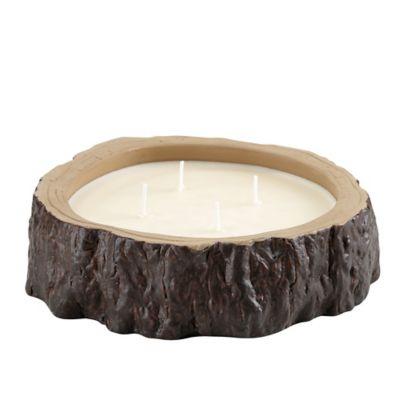
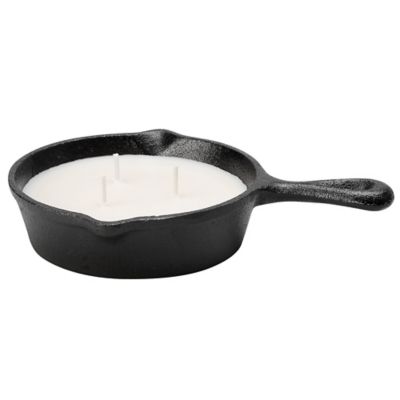
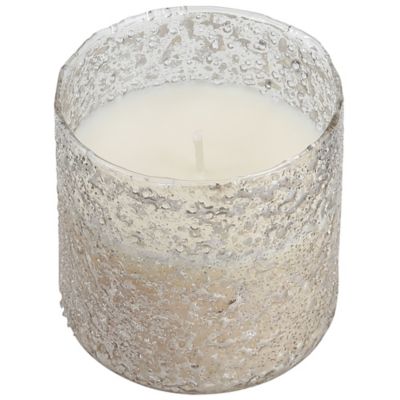
Wax, wick construction, and container shape all help determine how an apple-scented candle fits into everyday life. Common wax materials include soy, paraffin, beeswax, and blends formulated to balance fragrance release and burning characteristics. No single wax name tells the whole story, and a plant-based label alone does not guarantee a stronger scent, a longer burn, or a smoke-free flame. Wick size and placement need to work with the wax and the width of the vessel. Single-wick candles offer one point of light, while multiple wicks spread flames across a wider surface; more wicks do not automatically mean more hours of burning. Net wax weight and the maker’s stated burn-time range provide better context than the outside dimensions of a jar. A tall, thick-walled container can look substantial without holding as much wax as its size suggests. Glass vessels let the flame show through, while ceramic containers can bring a quieter, more solid look to a shelf or table. Any candle needs a stable, heat-resistant surface with room around and above the flame, away from curtains, paper, shelving, and passing elbows. An open spot on a sturdy side table makes more sense than a crowded entryway ledge where coats and bags get tossed. Care also affects how evenly a candle burns. Wick-trimming directions vary, though many cotton wicks call for a length of about one-quarter inch before lighting. Keeping wick trimmings and matches out of the wax helps prevent extra flames and debris. Early burns should follow the label’s guidance so the melt pool can develop without exceeding the recommended session length. Trying to force wax to reach every edge by leaving a candle burning too long can overheat the container. Burning candles should never be left unattended, and they belong out of reach of children and animals. The label’s stopping point matters, too: burning down to the last trace of wax can expose the vessel to excessive heat.
The right apple fragrance also depends on where it will spend its time and who will enjoy it. A gently scented apple candle can make a sitting room feel welcoming without turning the whole house into a bakery, while a richer apple-and-vanilla blend can suit a relaxed evening with a book after chores are done. Around meals, a lighter fruit scent may be less distracting than a heavy caramel or spice blend, although an unscented table setting may suit people who want the food’s aroma to take center stage. Candles add fragrance rather than removing the source of household odors, so they are no substitute for cleaning or ventilation. Drafts from a doorway, ceiling fan, or open window can also disturb the flame and change how evenly the wax melts. In homes with fragrance-sensitive people or animals, a milder scent—or no scented candle at all—may be the better fit. For gifting, apple is a familiar starting point, but the recipient’s tastes still matter. A housewarming gift for someone who enjoys baking might lean toward apple pie notes, while a friend who dislikes sugary fragrances may appreciate a crisp apple profile instead. A lidded vessel can help keep dust off the wax between burns once the candle is fully extinguished and cool; lids should not serve as snuffers unless the maker specifically allows it. Containers with simple colors and straightforward shapes can fit comfortably among everyday furnishings without needing a matching set. For a Halloween gathering, apple and spice notes can also connect naturally with the fragrance themes found in
Scented Halloween Candles. Beyond an occasion, the appeal comes down to a familiar scent, a comfortable level of fragrance, and a candle that suits the space. Whether the preference is tart orchard apple or the sweeter smell of baked apples and cinnamon, those details help make the choice feel at home.