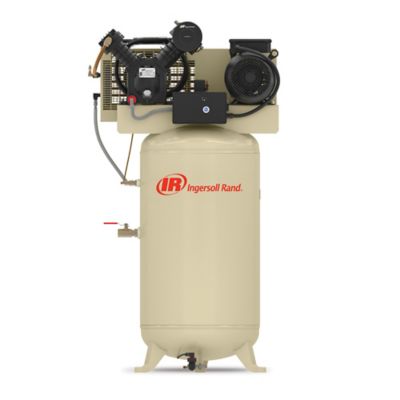
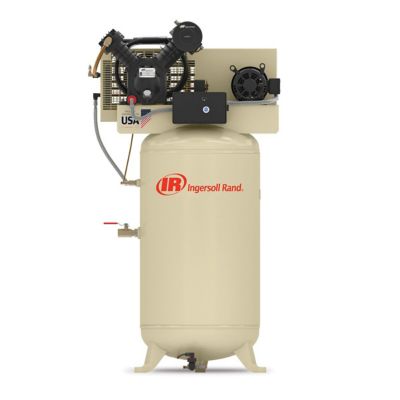
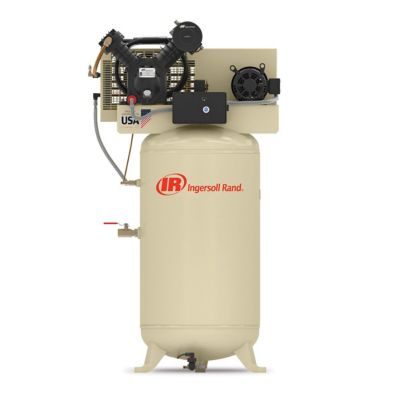
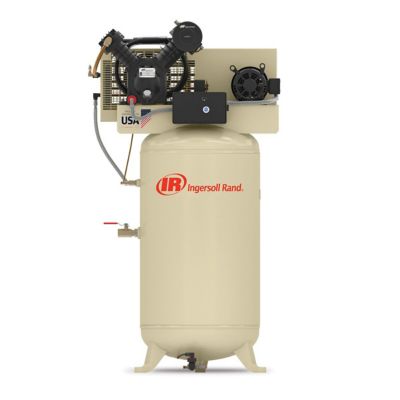
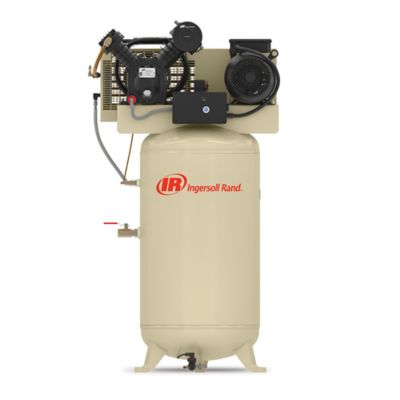
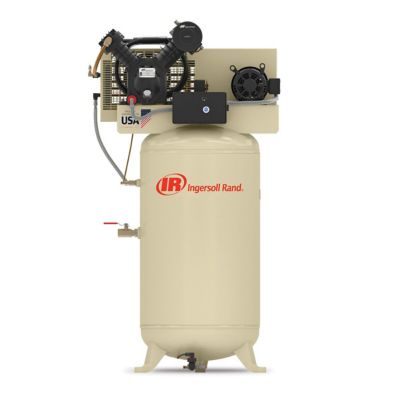
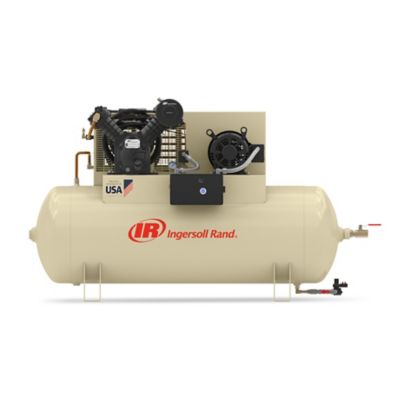
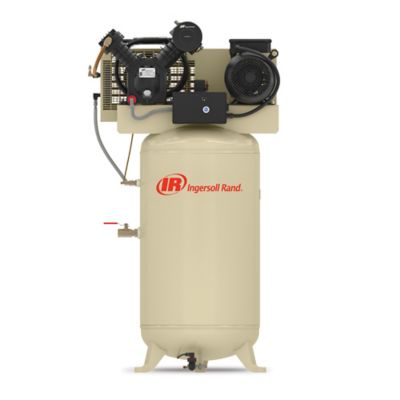
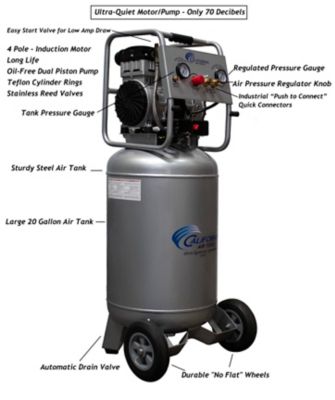
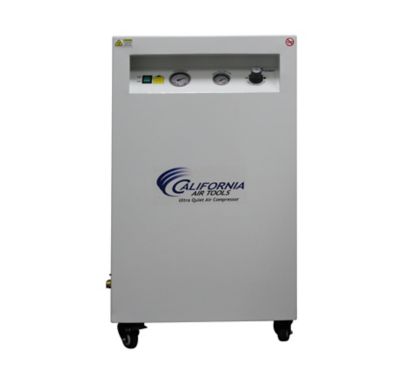
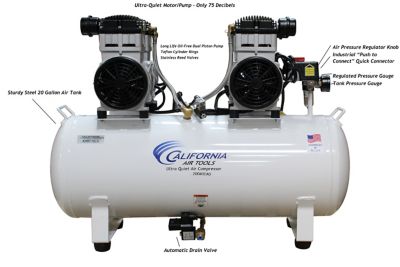
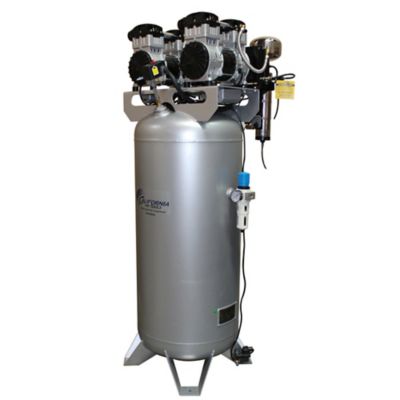
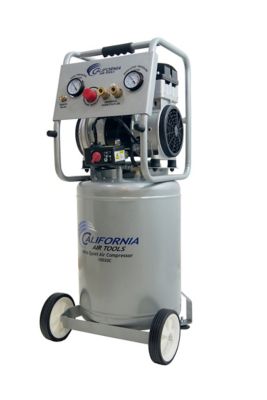
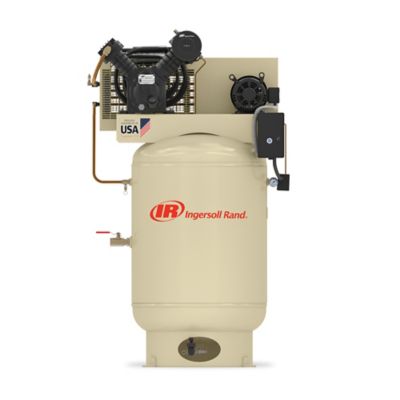
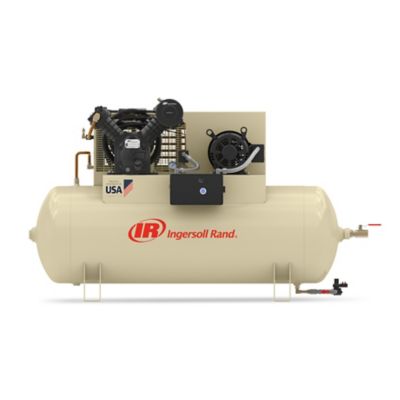
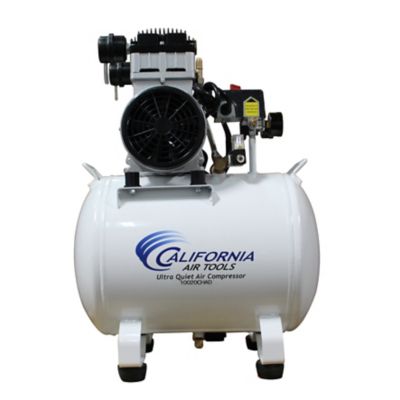
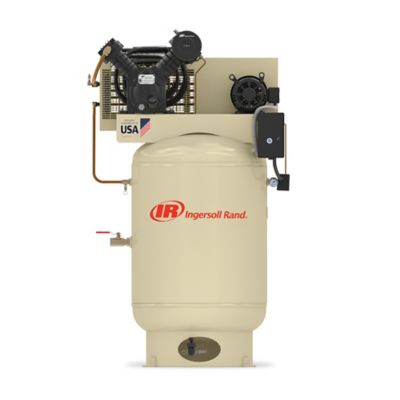
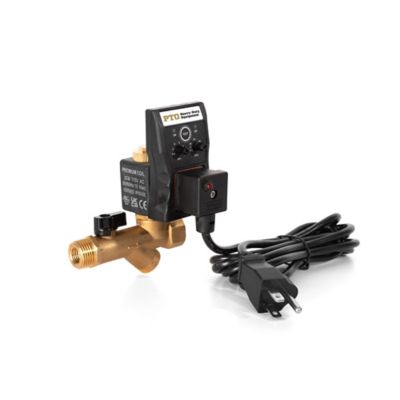
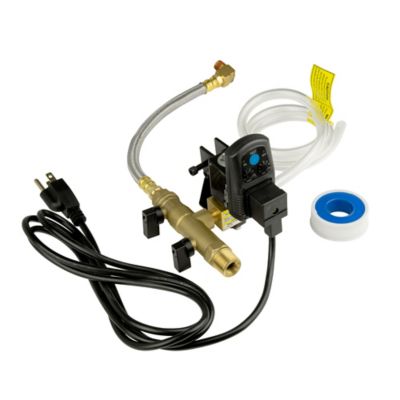
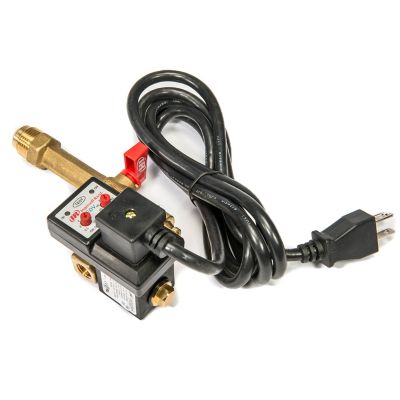
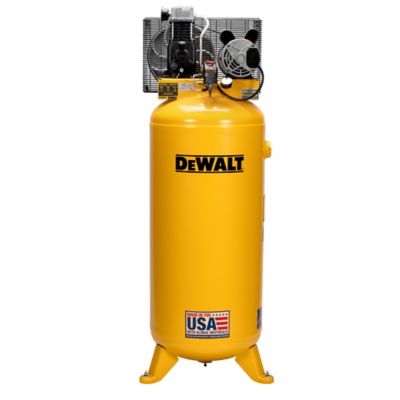
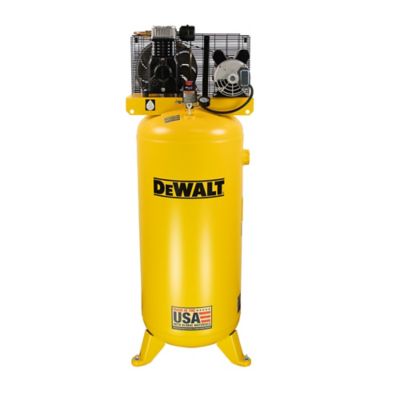
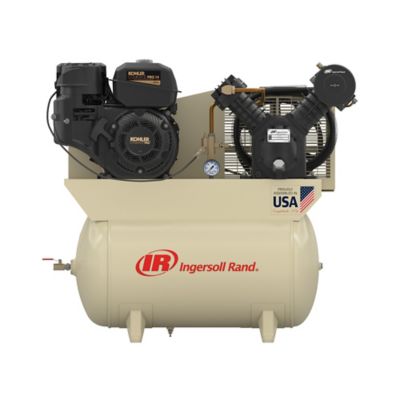
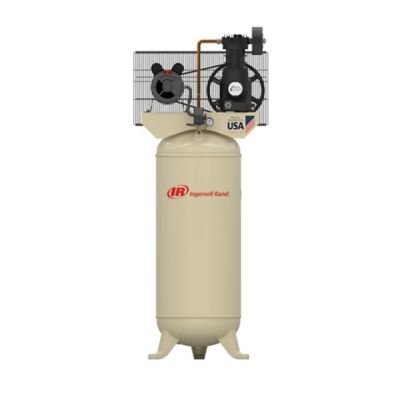
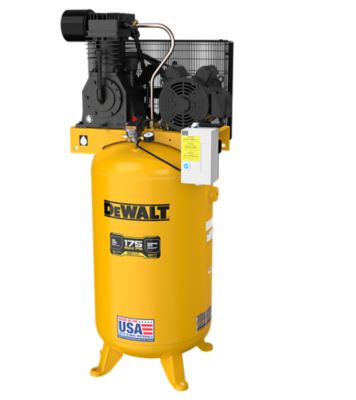
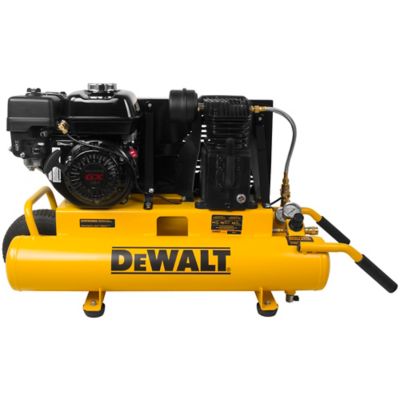
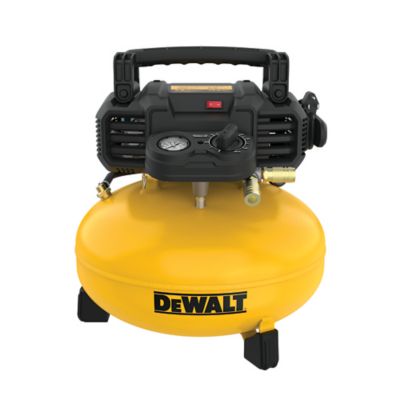
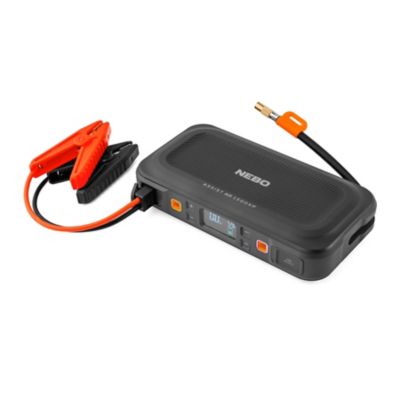
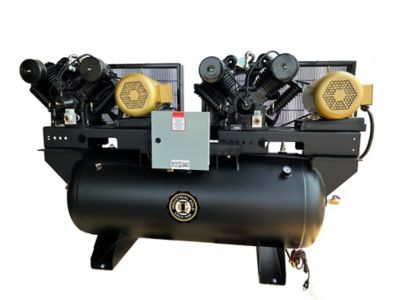
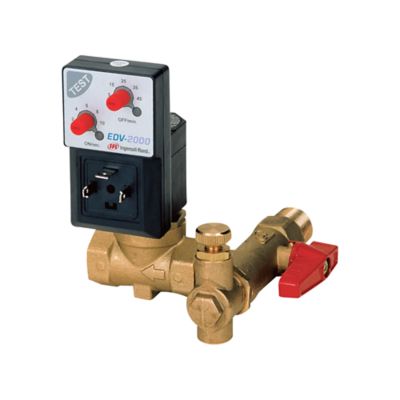
Air compressors with auto drain are a handy choice for the shop, barn, garage, and jobsite because they help remove the moisture that naturally collects inside a compressed-air tank. As air is pulled in, compressed, and cooled, water vapor can condense along the tank walls and settle at the bottom. Over time, that water may contribute to rust inside the tank, spit through an air hose, or create trouble for tools and projects that need clean, dry air. An automatic drain valve helps handle that routine maintenance by releasing collected moisture without requiring you to crouch down and open a manual drain after every use. It does not make the air completely moisture-free, and it is not a replacement for an in-line filter or dryer when your work demands especially dry air, but it can make day-to-day compressor care a whole lot easier. These compressors can be useful for inflating tractor and trailer tires, running nailers and staplers, blowing sawdust out of equipment, cleaning machinery, and tackling repair work around the property. They also fit well in a woodworking shop, small engine area, maintenance shed, or home garage where a compressor may be used often enough for convenience to matter.
When comparing air compressors with auto drain, start with the jobs you expect to do and match the compressor’s air delivery to the tool requirements. Tank size affects how long the compressor can supply air before the motor kicks back on, while CFM tells you how much air the unit can deliver during use. A small brad nailer or tire inflator usually has different needs than a die grinder, impact wrench, paint sprayer, or other tool that runs continuously. Check both the required CFM and PSI for each tool, and leave a little breathing room rather than choosing a unit that has to run at its limit. Voltage matters, too. Many compact compressors can plug into a standard household outlet, while larger equipment may need a dedicated circuit or a different electrical setup. Think about where the compressor will live and whether you need to roll it across gravel, concrete, or a packed dirt floor. A portable design with sturdy wheels and a useful handle is easier to move around the barn, while a stationary unit may make more sense for a permanent shop installation. Noise is another practical consideration, especially in a garage attached to the house or a work area near livestock. Look at the auto-drain style as well. Timed electronic drains open at set intervals and release water in short bursts. Mechanical float drains open when condensation reaches a certain level, helping avoid unnecessary air loss. Air-piloted drains use pressure changes during compressor operation to trigger draining. Each approach has its own maintenance needs, so look for accessible fittings, clear instructions, and a setup that suits how often the compressor runs.
An auto drain may come built into a new compressor, or an automatic valve may be installed as an add-on to an existing tank when the fittings, tank design, and pressure ratings are compatible. Before adding one, confirm the tank outlet size, operating pressure, available power, and the valve’s temperature and pressure limits. Shut down the compressor, disconnect power, and release pressure before working on drain components, and follow the manufacturer’s instructions closely. A drain that opens too often can waste compressed air, while one that does not cycle often enough may leave moisture sitting in the tank. Even with an automatic system, it is smart to keep an eye on the drain, listen for unusual leaks, and inspect hoses, fittings, and safety devices as part of regular care. Keep the compressor on a stable, reasonably level surface, provide enough ventilation for the motor, and protect electrical connections from rain, wash water, and muddy conditions. During the cooler months, moisture and temperature swings can make condensation more noticeable, especially when equipment moves between a warm shop and an unheated outbuilding. If your work involves spraying finishes, operating air tools for long stretches, or protecting sensitive equipment, consider pairing an auto-draining compressor with a moisture separator or browsing
Air Compressors With Dryers for another way to manage water in the air line. These machines can make a practical gift for a handy homeowner, farmer, mechanic, woodworker, or new shop owner, particularly when the recipient spends more time fixing things than shopping for equipment. A well-matched compressor saves trips to the tire shop, speeds up routine repairs, and gives a busy work area a dependable source of air, while automatic draining helps keep one more chore from getting lost in the shuffle.