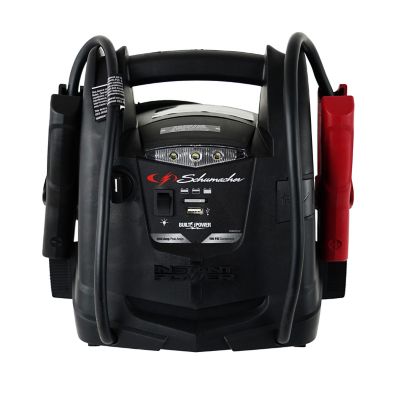
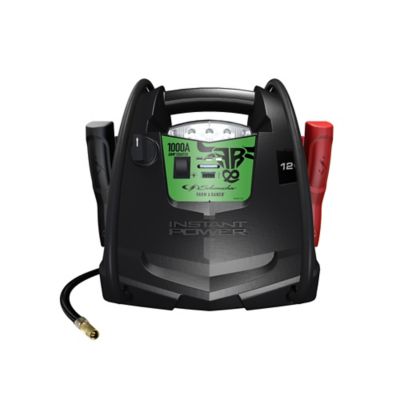
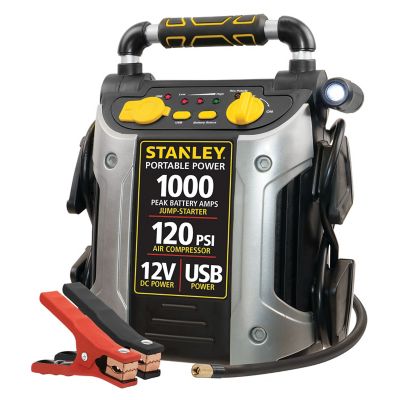
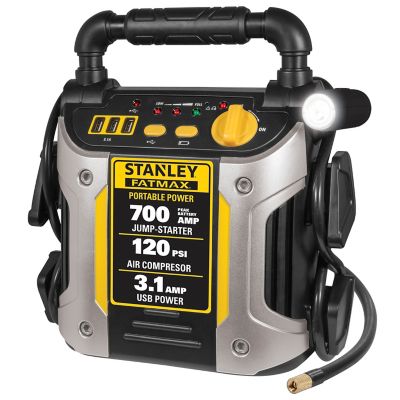
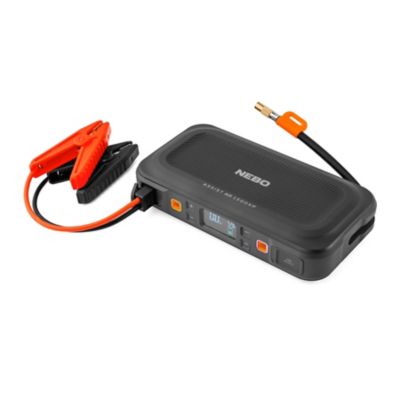
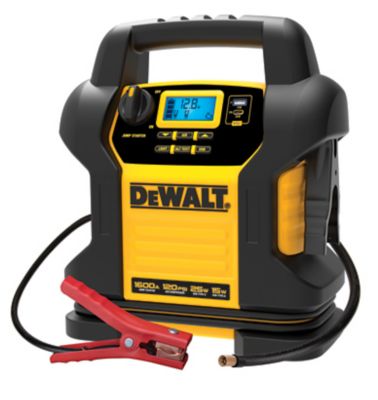
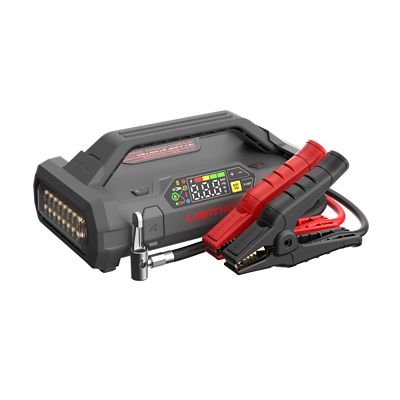
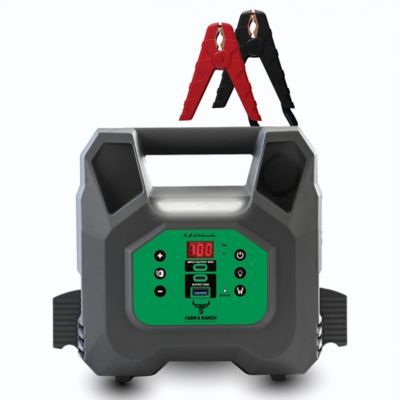
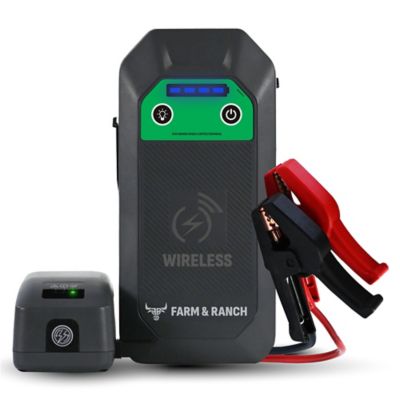
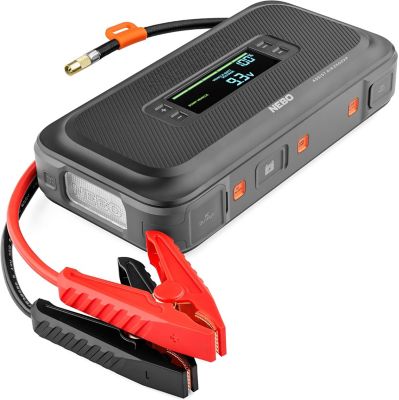
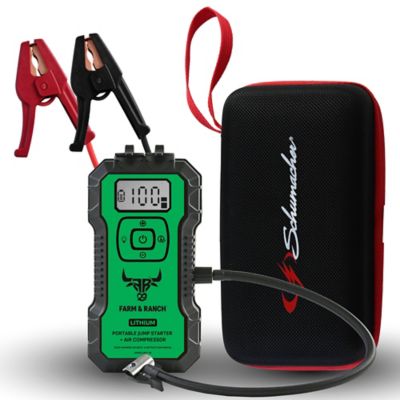
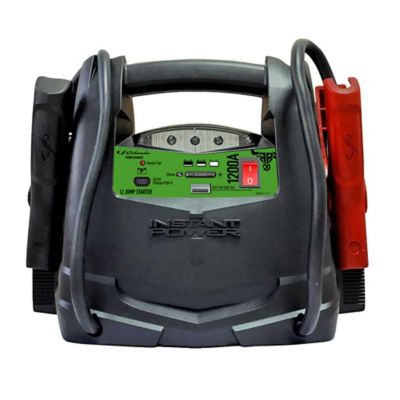
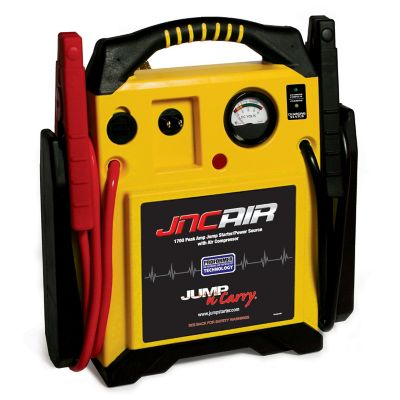
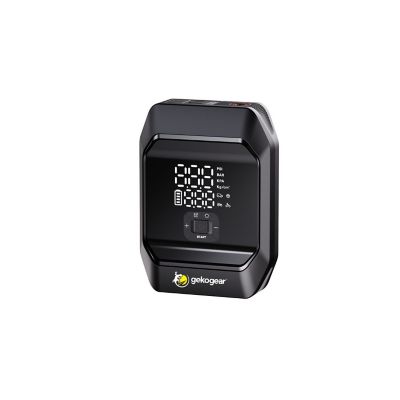
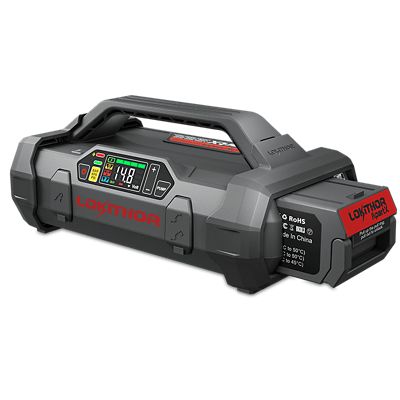
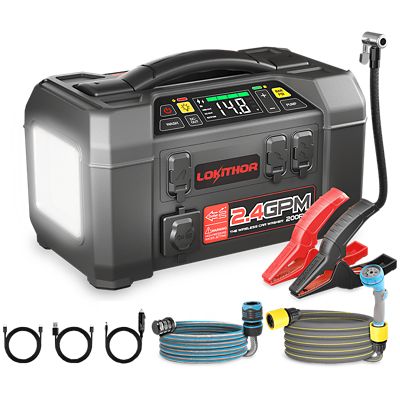
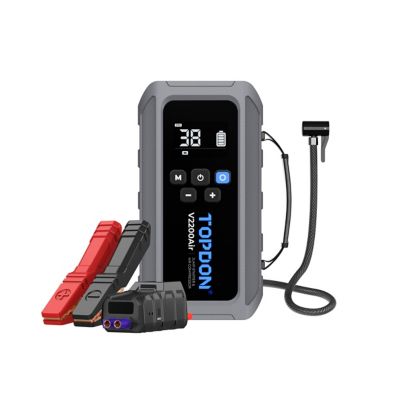
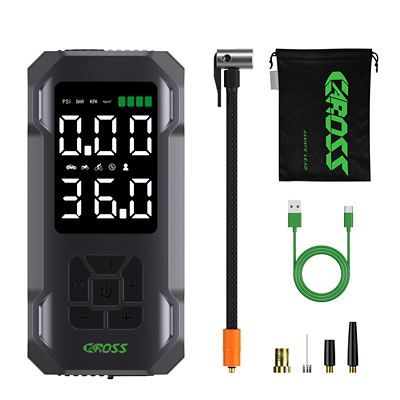
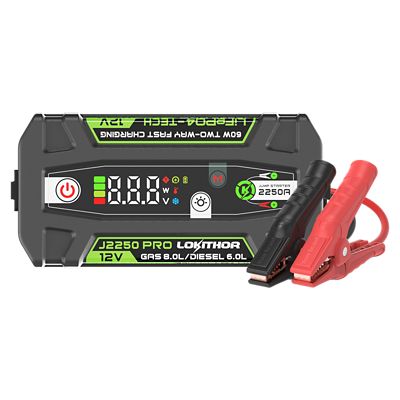
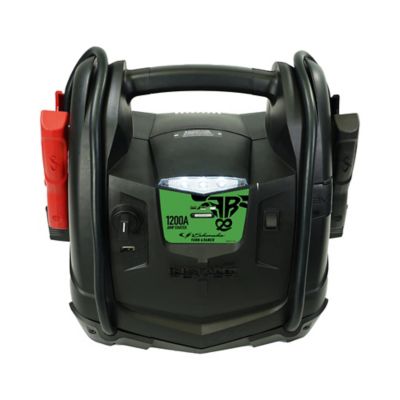
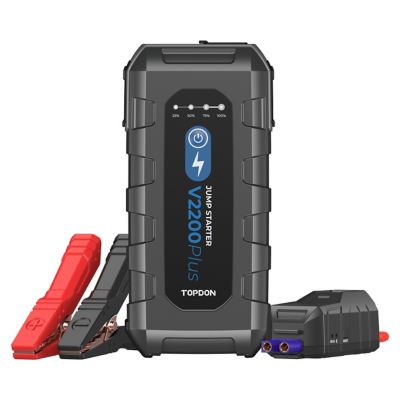
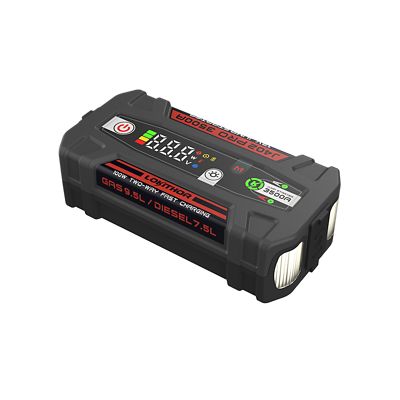
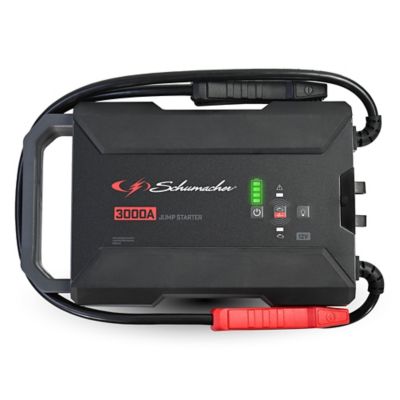
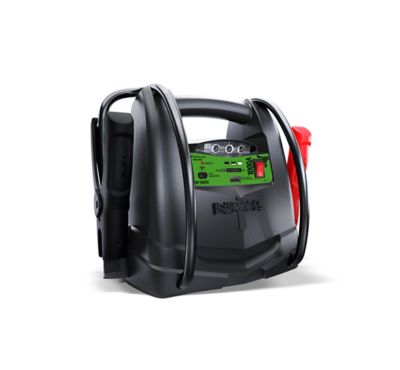
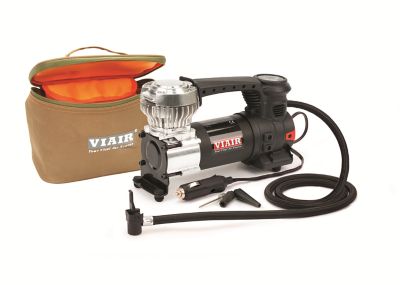
Jump starters with air compressors are handy, all-in-one tools for drivers who would rather keep one dependable emergency unit in the truck than make room for several separate pieces of gear. A typical unit combines a 12-volt battery booster, a portable tire inflator, a USB power bank and an LED light in a compact case that can ride in a glove box, toolbox or trunk. That combination can be especially useful on gravel roads, long stretches of highway and rural routes where a service station may be several miles away. A dead battery after leaving the lights on, a tire that has slowly lost pressure overnight or a trailer tire that needs a little air before heading out can all turn into bigger headaches when help is not close by. A jump starter with an air compressor is not meant to replace a full-size shop compressor, a properly maintained vehicle battery or professional roadside service, but it can give you a practical way to handle common problems and get safely back on the road. These units can be useful for cars, pickups, SUVs, motorcycles, ATVs, boats, lawn and garden equipment and some small farm vehicles, depending on the output and the manufacturer’s specifications. If you are comparing these tools with standard
12 Volt Jump Starters, the built-in compressor and charging ports add convenience without requiring another bulky tool to be carried along.
When choosing jump starters with air compressors, start with the vehicles and equipment you expect to service. Peak starting amperage is one of the most noticeable specifications, with many portable models falling somewhere in the range of 1,500 to 5,000 amps or more. Higher peak output can provide more starting capacity, but the number alone does not tell the whole story. Check the recommended engine size and whether the unit is designed for gas engines, diesel engines or both. A compact car may need far less starting power than a diesel pickup, work truck or tractor, and cold weather can make an already weak battery harder to revive. Cable length, clamp quality and clear polarity indicators matter, too, especially when you are working beside a dark roadside or wearing gloves. For the compressor, look at the maximum pressure rating, hose length, nozzle storage and the type of display or controls used to set the desired pressure. Many models offer digital readouts and automatic shutoff, which can help prevent overinflating a tire when you are topping it off before a trip. A unit rated around 150 PSI may also handle bicycle tires, sports equipment and other inflatables, though pressure capacity is different from inflation speed. Larger tires take longer, and inflating several tires in a row can make a compact compressor warm. Follow the instructions for run time and cooling periods instead of running the pump continuously. Battery capacity, recharge time and storage life deserve attention as well. USB-A or USB-C ports can provide a useful way to recharge a phone, work light or other small device, while an LED flashlight with a steady beam, flashing mode or SOS setting can help you see under a hood or make your location easier to spot. Look for a sturdy housing, readable buttons and a carrying case that keeps the cables, hose and adapters together.
These multi-purpose units make thoughtful gifts for new drivers, college students, commuters, hunters, campers and anyone who spends time traveling between rural homes, job sites and town. They can also be a practical addition to a farm truck, service vehicle, fishing boat or weekend trail rig. Picture the familiar scene: a cool morning, a vehicle loaded with feed or camping supplies and one tire sitting lower than it should after picking up a nail or losing air through a valve. A portable compressor may help restore enough pressure to reach a repair shop, while the jump-starting function can be useful after a vehicle sits through a long stretch of wet weather or a busy workday with the door open. Before storing one away, charge it fully and check its charge level at regular intervals, since lithium battery packs can slowly lose power while sitting unused. Keep the unit dry, avoid leaving it in extreme heat for long periods and do not store it where loose metal tools could touch the clamps. Read the directions before connecting the cables, confirm the vehicle voltage and use the correct order for attaching and removing the clamps. Tire pressure should be checked against the vehicle or tire manufacturer’s recommendation, not simply the maximum pressure printed on the tire sidewall. Inspect the hose, clamps and cords from time to time for wear, and replace or discontinue use of any unit with a damaged case, swollen battery or frayed cable. During the warmer driving season and into the cooler months, keeping a charged jump starter with an air compressor in the vehicle can add a little confidence to everyday errands, backroad travel and unexpected roadside stops.