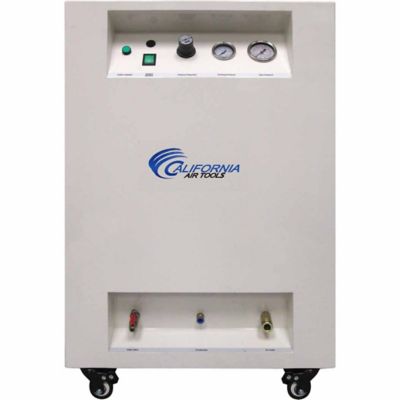
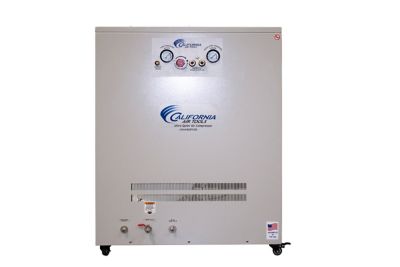
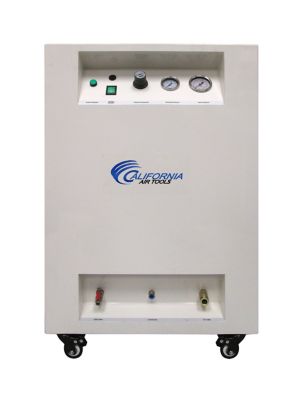
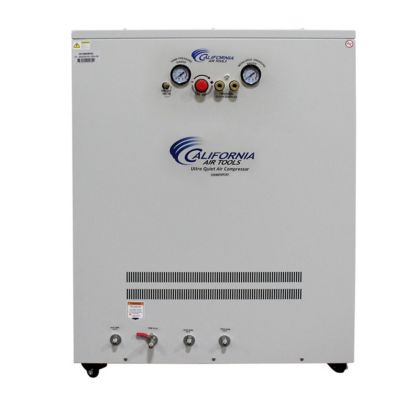
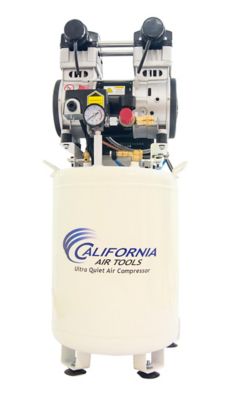
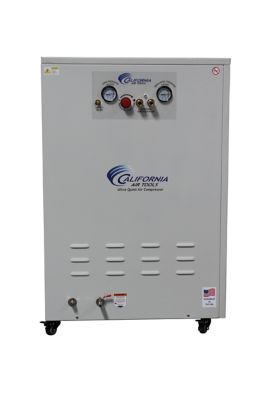
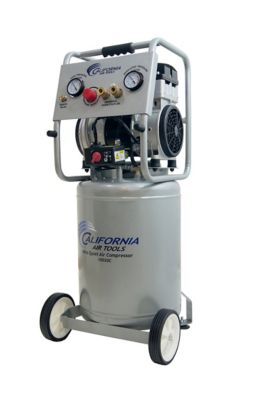
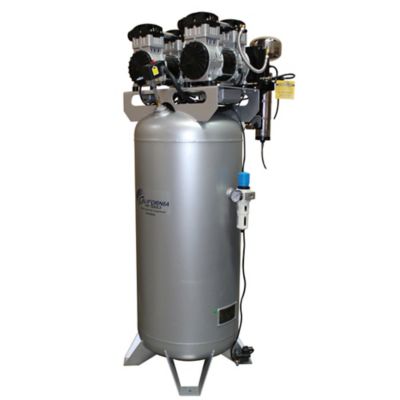
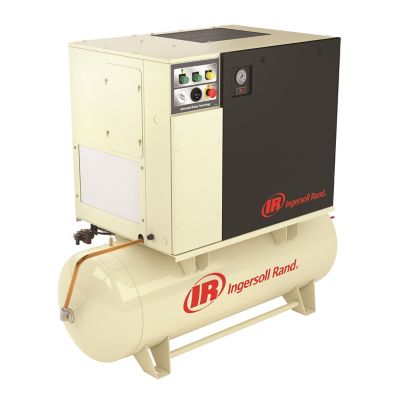
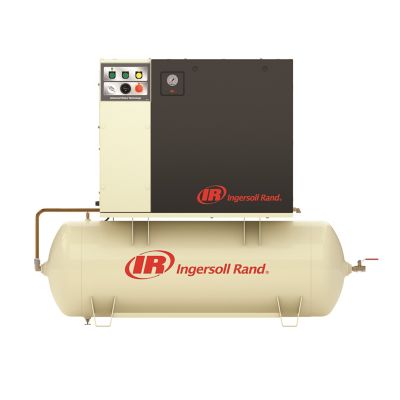
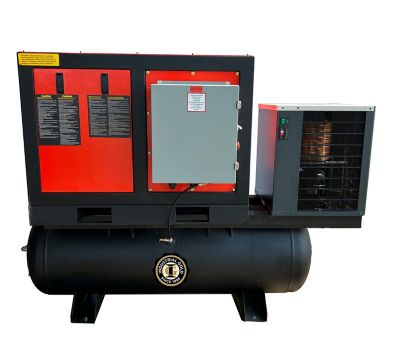
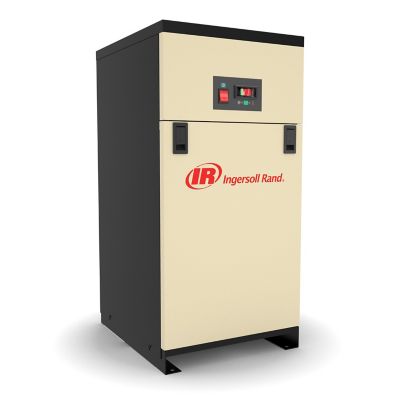
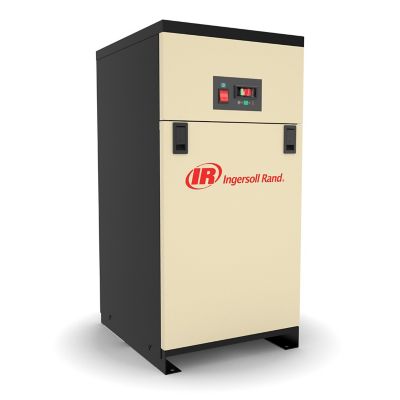
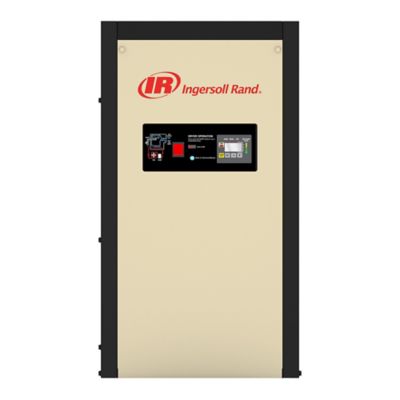
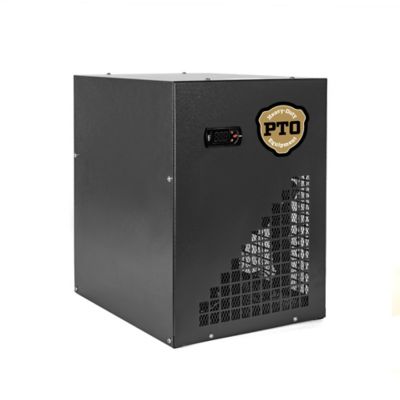
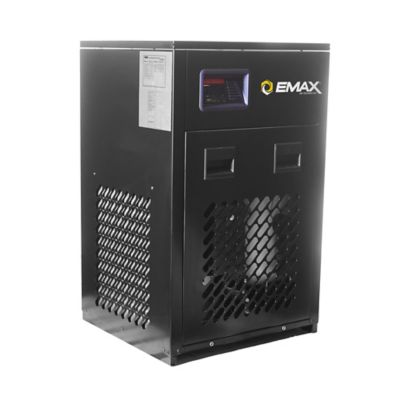
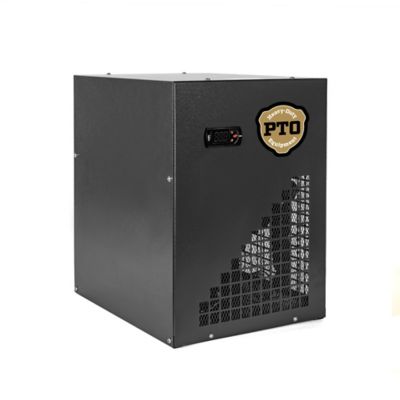
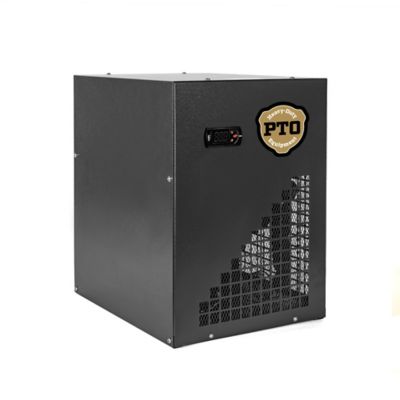
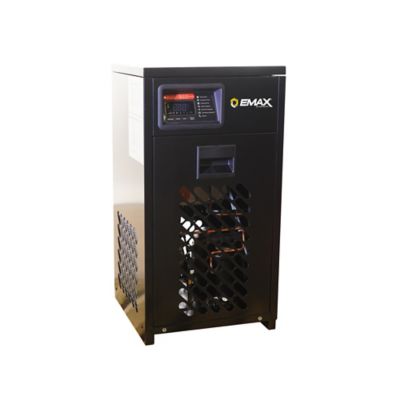
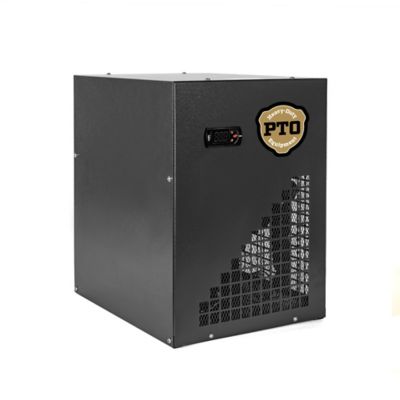
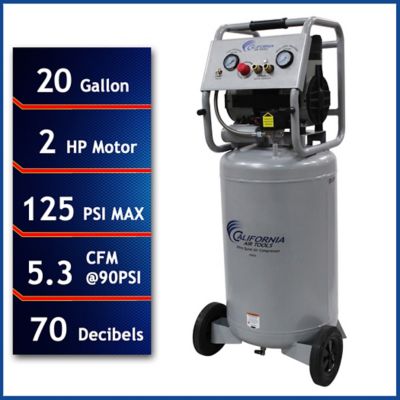
Air compressors with dryers pair a compressed-air supply with equipment that removes moisture before the air reaches tools, hoses, or production equipment. Compressing air concentrates the moisture it carries, and that moisture can turn into liquid water as the air cools. A dryer lowers the air’s moisture content, helping limit rust inside air lines, water at tool connections, and moisture-related trouble during painting or other sensitive work. For a farm repair shop, automotive bay, woodworking shop, or fabrication space, that means an air system better suited to the work happening at the bench. An impact wrench loosening tractor wheel bolts has different air-treatment needs than a spray gun laying down a finish on a metal gate, but both benefit from keeping excess water out of the supply. Some compressor packages have an integrated dryer, while others pair the compressor with a separate dryer sized for its output. Refrigerated dryers cool compressed air so moisture condenses and can drain away, making them a common fit for general shop applications. Many deliver a pressure dew point around 35°F to 50°F, depending on the equipment and operating conditions. Desiccant dryers pass air through a moisture-absorbing material and can reach much lower pressure dew points for applications that need especially dry air. Neither approach makes every air system suitable for every task, and the required dryness comes from the equipment or process being supplied. A water separator catches liquid droplets, while a dryer reduces water vapor that a basic separator cannot remove. That difference matters when water keeps showing up farther down an air line even though a separator is already in place. Drying also does not automatically remove oil vapor, fine particles, or every other contaminant. The right combination of drying and filtration depends on whether the job involves routine wrench work, finish spraying, pneumatic controls, or another application with its own air requirements.
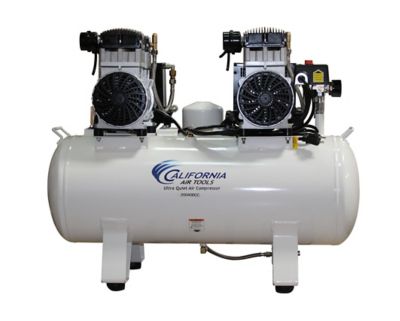
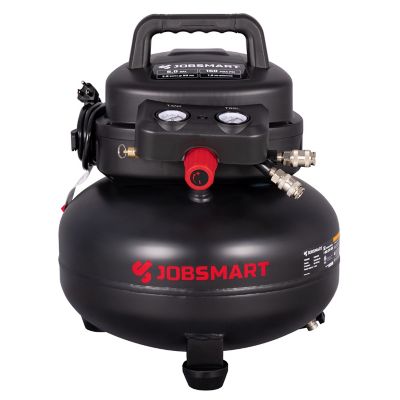
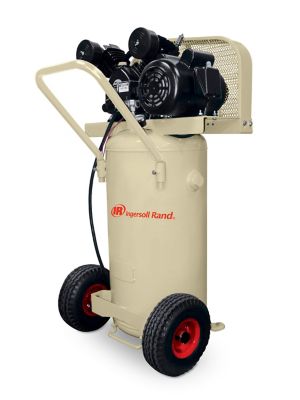
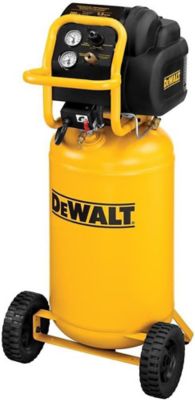
Matching an air compressor with a dryer starts with delivered airflow at the pressure the tools need, rather than tank size or motor horsepower alone. Cubic feet per minute, usually listed as CFM or SCFM, describes airflow, while pounds per square inch, or PSI, describes pressure. Compare compressor output at the intended working pressure, and keep the airflow measurement conditions consistent when comparing ratings. A blow gun operated in short bursts puts a different demand on the system than a sander running steadily across a trailer panel. When several tools run together, their combined demand matters, along with the airflow any dryer regeneration cycle requires. A larger receiver tank stores more compressed air and can help cover brief bursts, but it does not increase the pump’s sustained output. Reciprocating compressors are common for intermittent work, while rotary screw systems often suit longer operating periods and steady shop demand. The stated duty cycle still matters for either design; not every compressor can run continuously. Dryer capacity also needs to match the system’s airflow, pressure, and specified inlet conditions, with allowance for pressure loss through treatment equipment. Physical fit deserves the same attention. A stationary tank can serve a shop through fixed piping, while a portable setup makes sense when the air supply needs to move between work areas. Vertical tanks generally take up less floor space, while horizontal layouts may fit beneath certain work surfaces if the manufacturer’s clearance requirements allow it. Measure doorways, service access, and space around the compressor and dryer, not just the footprint beneath the tank. Steel receivers, cast-iron pump components, aluminum housings, and corrosion-resistant fittings each have roles that vary by design. Electrical requirements, circuit capacity, ventilation, vibration control, and sound levels also affect how comfortably the equipment fits into a working shop. A compressor beside a welding table needs room to breathe and room for someone to reach its drains, filters, and service points without moving half the shop.
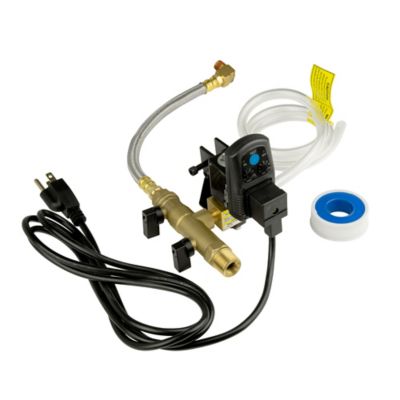
Keeping the air dry takes more than adding a dryer and walking away. Receiver tanks, moisture separators, and dryer drains all need the attention spelled out in the equipment manuals. An automatic drain can reduce routine drain work, but it still needs inspection so a blockage does not leave collected water sitting in the system. Oil-lubricated compressors need the specified lubricant and scheduled service, while oil-free designs eliminate pump-oil maintenance without eliminating every other maintenance task. Intake filters, belts where fitted, cooling surfaces, and fittings all affect performance over time. Refrigerated dryers need clear airflow around their heat exchangers, and desiccant systems need the recommended checks and replacement intervals for their drying material. Condensate may contain oil, so collection and disposal should follow the equipment instructions and local requirements. Filtration remains a separate part of the setup: an
Air Compressor With Filter can address particles or oil aerosols, depending on the filter type and rating, while the dryer handles moisture vapor. Some drying systems require specific filters before or after the dryer to protect their internal components or keep desiccant dust out of downstream lines. Hoses, couplers, regulators, and piping also need suitable pressure ratings and enough flow capacity for the connected tools. Narrow fittings or long, undersized hose runs can leave a tool struggling even when the compressor itself has enough output. Materials intended for compressed-air service matter throughout the system; ordinary PVC water pipe is not suitable for compressed-air distribution. Before maintenance, electrical isolation and pressure release should follow the manufacturer’s procedure. For a mechanic handling daily repairs, a farmer maintaining implements, or a shop owner running pneumatic equipment, the practical value comes from a complete setup that matches the workload. Properly sized compression, drying, filtration, and distribution work together to keep unwanted water out of the job and give tools the air supply their specifications call for.