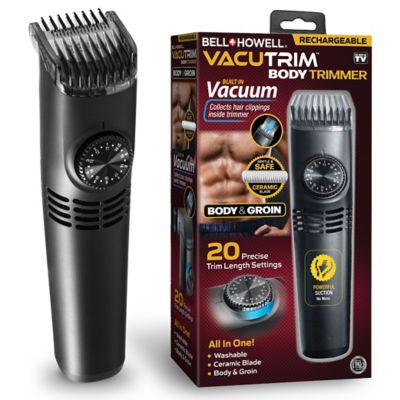
Adjustable trimmers are personal grooming tools that let you change cutting length through a dial, slider, adjustable comb, or blade setting. That adjustment helps maintain anything from close stubble to a fuller beard without relying on a separate attachment for every length. The exact setup varies: some trimmers keep several settings within one integrated comb, while others pair adjustable controls with removable guards for different length ranges. For everyday beard care, the useful feature is a setting that stays put while the tool moves through hair. Shorter settings help keep stubble even across the cheeks and chin, while longer settings leave more fullness around the jaw. Small steps between settings can make the transition from sideburns to beard look less abrupt. A clearly marked dial or slider also makes it easier to return to a familiar length instead of starting over each time. That comes in handy for someone who wants a tidy beard before heading into town, meeting a client, or getting ready for a family gathering after a day of chores. Cutting length is only part of the picture, though. The shape of the comb, the width of the cutting head, and the way the blade reaches along the jaw all affect how the trimmer handles. A narrow head can offer more room around a mustache or beneath the nose, while a wider head can cover broader areas with fewer passes. Curly hair, coarse whiskers, and hair that grows in different directions may take a little more attention than fine, straight growth. Adjustable beard trimmers help keep the overall length consistent, but shaping the neckline or defining the cheeks may call for an edging attachment or a setting intended for that work. Models designed for head hair or body grooming can serve additional purposes when their attachments and instructions allow it. A beard trimmer alone should not be assumed to suit every grooming job.
The materials and fit of an adjustable trimmer matter most once it is in your hand. Stainless steel blades are common because they provide a cutting edge suited to routine grooming, although blade design, maintenance, and hair type all influence performance. Some designs feature other blade materials or coatings, and their care requirements can differ. Protective housings help shield the motor and controls, while textured grip areas can make the handle easier to hold. A comfortable handle should leave enough room for your fingers without making the length control awkward to reach. The balance of the tool matters, too: a heavy cutting head or a bulky grip can feel cumbersome when trimming beneath the chin or working around the ears. For someone who keeps a beard throughout the year, those small handling details can matter more than a long list of attachments that rarely leave the drawer. Cordless trimmers offer freedom of movement and can be convenient for travel, while corded operation avoids the need to recharge between sessions. Some rechargeable designs also allow operation while plugged in, but that capability is not universal. Battery runtime, charging time, and the type of charging connection are worth considering together, especially when an outlet is hard to reach or the trimmer travels between home and a weekend place. A battery indicator can help prevent an interrupted trim, and a locking switch or travel lock can keep the tool from turning on inside a bag. Motor strength and blade condition also affect how smoothly the cutting head moves through thick whiskers. More pressure does not make a trimmer cut better; comfortable grooming depends on a suitable setting, a clear cutting path, and blades maintained as directed. An adjustable comb should sit firmly against its mounting points, without wobbling or slipping to another setting. Easy-to-read length markings and controls that resist accidental movement make repeat trims simpler, whether the goal is a close, even finish or a beard with a little more length at the chin.
Routine care helps an adjustable trimmer stay ready for the next trim and supports a longer working life. Loose clippings can collect beneath the comb and around the blade, so access to those areas is an important part of the design. A removable cutting head can make cleanup easier, but removable does not automatically mean washable. Some tools permit rinsing only the blade assembly, some permit washing the housing, and others call for brushing away hair without water. The maker’s instructions determine which approach fits the tool. Blades that require oil need the specified lubricant and care schedule; self-sharpening blades can still need cleaning and other maintenance. Dry storage helps protect metal components and keeps damp clippings from lingering inside attachments. A case or dedicated spot in a bathroom cabinet also keeps guards, charging cords, and cleaning brushes together instead of scattered across the counter. On a farm or acreage, keeping personal grooming gear away from sawdust, feed dust, and shop debris is especially practical. Even a tough-looking housing benefits from protection against drops, crushed cords, and grit around the adjustment mechanism. Replacement blade access and attachment compatibility are further considerations for someone planning to keep the same tool for years. For gifting, an adjustable trimmer can suit a partner, parent, or adult family member who already maintains a beard and would appreciate simpler upkeep. The most useful match depends on their usual beard length, preferred grip, charging habits, and whether they want straightforward trimming or several grooming functions. A compact tool with a few clearly marked settings may fit one person better than a larger kit with multiple heads. From grooming tools in the bathroom cabinet to
Adjustable Jacks in the shop, equipment earns its place by matching the job at hand. For personal care, that means manageable length adjustments, comfortable handling, and maintenance that fits an everyday routine.