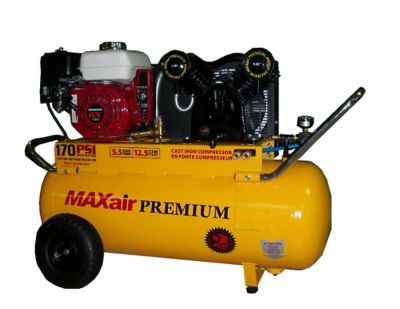
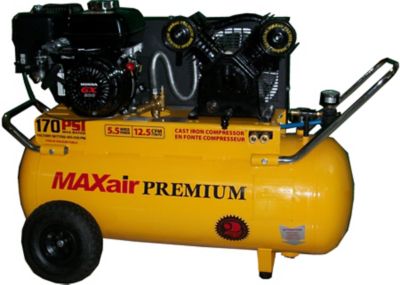
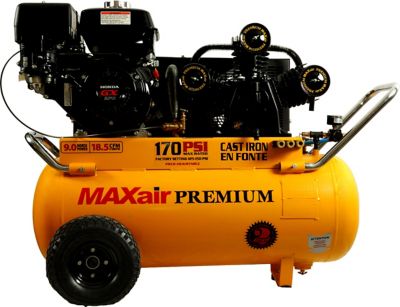
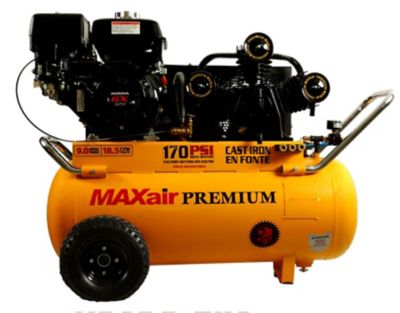
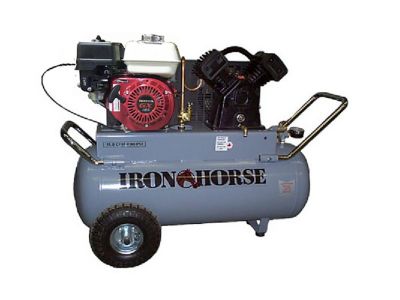
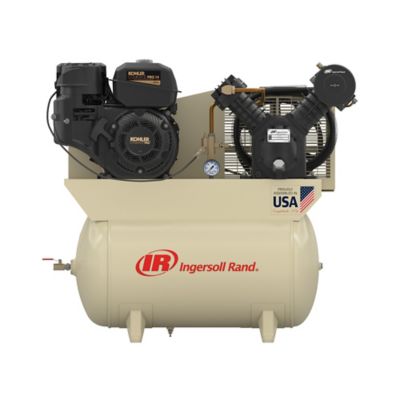
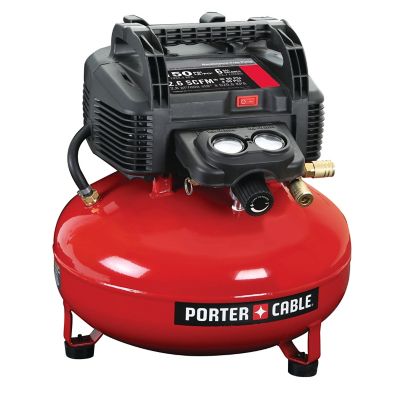
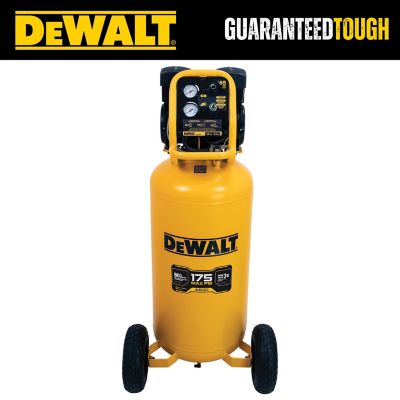
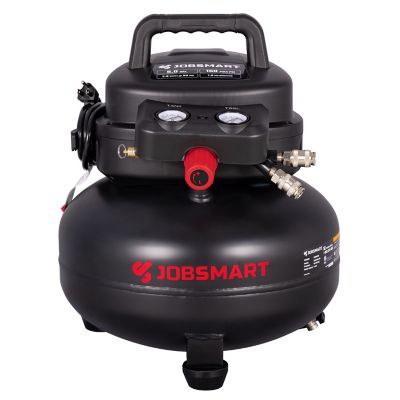
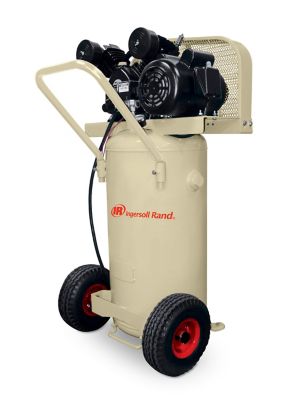
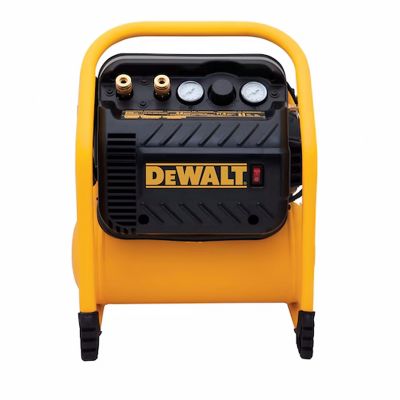
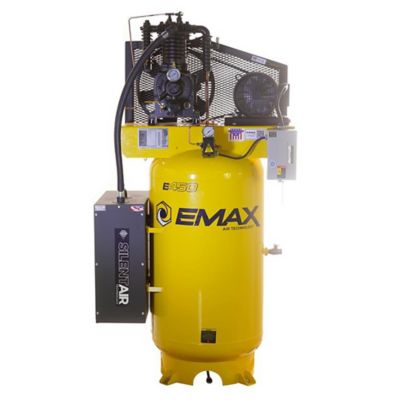
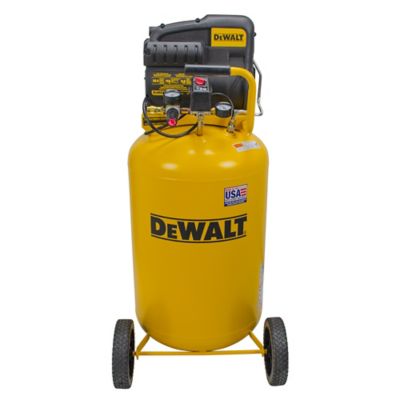
A 25-gallon air compressor brings a practical amount of stored air to a home garage, farm shop, or small work area without calling for the space of a large stationary tank. This size suits the kind of work that comes in stretches: topping off trailer tires, driving nails for a repair, or running a compatible impact wrench between pauses to reposition a wheel. The tank holds a reserve of compressed air, while the pump replenishes that reserve as pressure drops. That distinction matters because tank capacity alone does not determine which tools a compressor can support. Air delivery, usually listed in cubic feet per minute, or CFM, at a stated pressure, tells more about how well a unit can keep pace with a particular job. For many shop tools, the CFM rating at 90 pounds per square inch, or PSI, provides a useful comparison point, though each tool’s requirements still set the target. A higher maximum tank pressure can increase the stored-air reserve within a given tank size, but it does not automatically mean greater airflow at the tool. For landowners, home mechanics, woodworkers, and folks keeping equipment ready for the next chore, 25-gallon air compressors often fit work that needs more reserve than a small carry-around compressor provides. They can support a mix of intermittent tasks when pump output matches demand, with time between bursts for recovery. Continuous sanding, grinding, or spraying puts a different load on the system and may require substantially more air delivery than a compressor in this size range produces. A tank that feels generous during tire inflation can empty quickly under a steadily running air tool. The best fit comes from matching the compressor’s rated output and duty cycle to the actual work, rather than choosing by gallons, horsepower, or maximum pressure alone. Duty cycle describes how much running time the equipment permits within a specified period, making it especially important during longer sessions at the workbench.
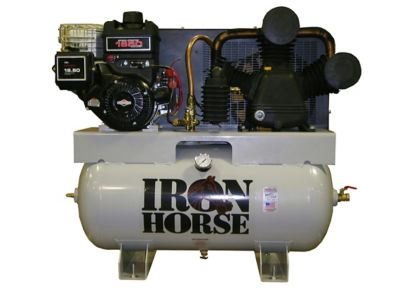
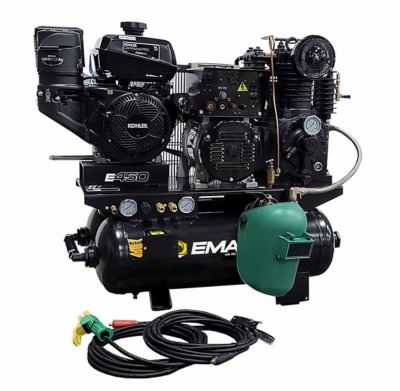
The layout of a shop matters nearly as much as the jobs happening inside it. Where offered, a vertical tank can leave more floor space around a bench or tool cabinet, while a horizontal arrangement may fit better beneath an open storage area or along a wall. Overall dimensions, handle placement, wheel design, and weight affect how easily a compressor moves across a concrete floor or through a garage doorway. A wheeled unit still takes care to move, especially around thresholds, gravel, and uneven ground; tank size is no promise of easy transport. A stable operating position, clear ventilation around the motor and pump, and access to the drain valve all contribute to a setup that works day after day. Steel receiver tanks are common, and protective finishes help shield their exterior surfaces from everyday shop conditions. Pump materials and construction also matter: cast-iron components may appear in designs built for repeated service, while aluminum components can help manage weight and heat. Neither material tells the whole story without the manufacturer’s operating limits and maintenance requirements. Oil-lubricated pumps require attention to oil level, oil type, and service intervals. Oil-free pumps eliminate pump-oil changes, but they still need routine checks, clean intake filters, and tank drainage. Belt-drive and direct-drive layouts can differ in operating speed, sound, and service needs, so published noise ratings offer a better comparison than broad assumptions about pump style. Electric configurations must match the building’s power supply, including voltage, circuit capacity, grounding, and any dedicated-circuit requirements. A standard-looking plug does not establish whether an existing outlet and circuit can handle startup demand. Manufacturer directions also govern extension-cord use; an appropriately sized air hose can often provide working reach while the compressor stays near a suitable outlet. Where a gasoline-powered configuration is appropriate, it belongs outdoors, well away from doors, windows, and vents because of carbon monoxide hazards, never running inside a garage or barn.
The connections between the tank and the tool help determine how the whole setup performs. Hose length, inside diameter, coupler size, and fittings can restrict airflow, particularly when a tool draws air in strong bursts. A long, narrow hose may leave an impact wrench struggling even when the tank gauge shows plenty of pressure. A regulator sets delivery pressure for the task, and its setting needs to stay within the tool’s limits rather than simply matching the compressor’s maximum rating. Moisture control deserves attention, too. Compressing air creates heat, and water can collect as that air cools inside the tank and lines. That moisture can contribute to internal corrosion and interfere with tools or finish work. Regular drainage according to the owner’s manual, inspection for leaks, and appropriate air treatment help keep the system ready for service. Spraying finishes may call for additional filtration and moisture separation, while pneumatic tools may have their own lubrication requirements; those needs should remain separate so oil does not reach a finishing line. During cooler weather, condensation management and manufacturer-specified operating temperatures become especially relevant in an unheated outbuilding. A sheltered, dry storage spot and clean air intake help protect the equipment between jobs. Before maintenance, power should be disconnected and stored pressure released as directed, and a damaged or heavily corroded receiver tank should never be patched or welded. These details make a difference whether the compressor serves weekend truck repairs, fence-building projects with compatible nailers, or regular upkeep around a small acreage. For shops stepping into longer air-tool sessions or several simultaneous demands,
120-gallon air compressors represent a larger tank category, though pump output, duty cycle, and electrical requirements remain essential comparisons. A 25-gallon setup makes the most sense where manageable shop space, a useful air reserve, and properly matched intermittent tool work come together, leaving room for the bench, the mower, and the next repair waiting by the door.