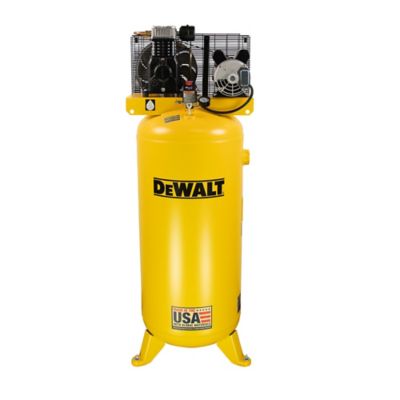
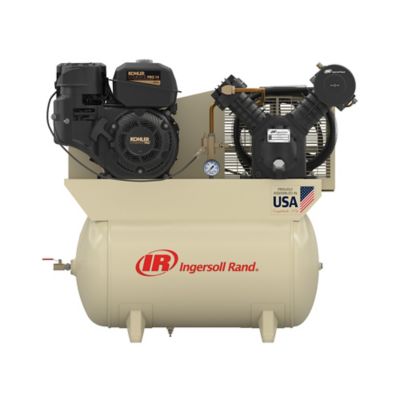
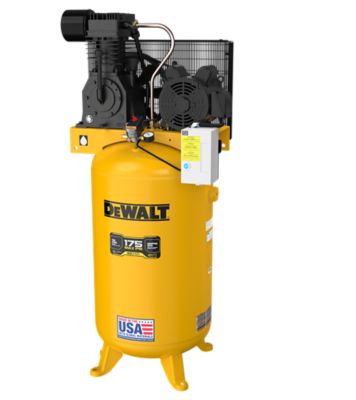
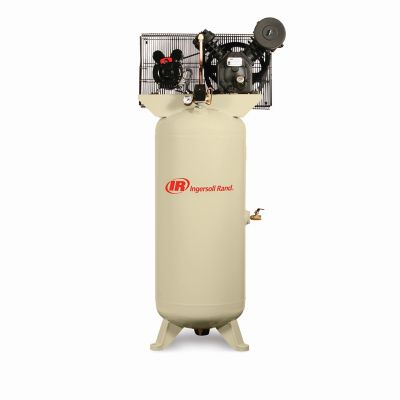
High-CFM air compressors deliver the airflow needed for demanding pneumatic tools and busy workspaces, from a farm repair shed to an automotive service bay. CFM stands for cubic feet per minute, a measure of air volume, while PSI measures air pressure in pounds per square inch. Both matter: a tool needs enough pressure to operate and enough airflow to keep working under load. Abrasive blasting equipment, air sanders, grinders and spray guns can draw substantial air, especially during longer stretches of work. An impact wrench may run in short bursts while removing wheel nuts, but a sander smoothing a truck panel can keep drawing air for much longer. That difference helps explain why two shops with similar tools may need different compressor capacities. There is no single CFM number that makes a compressor high output for every application; the right match depends on the tools and workload. The most useful comparison is delivered airflow at the tool’s required operating pressure, rather than horsepower, tank size or pump displacement alone. A rating at 90 PSI, for example, should be compared with a tool’s air requirement at that same pressure. When specifications list SCFM, or standard cubic feet per minute, consistent rating conditions matter for a fair comparison. For a single tool requiring 10 CFM at 90 PSI, a compressor delivering roughly 12 to 13 CFM at that pressure offers a common starting margin of 20% to 30%. That margin is not a substitute for checking the tool’s actual consumption, the compressor’s duty cycle and the demands of the job. Some tool ratings reflect intermittent operation rather than sustained use. A shop running several tools together needs to account for their combined airflow, not just the largest individual tool. Duty cycle matters just as much as output: high airflow does not automatically mean a compressor can run without rest. A larger receiver tank stores more compressed air and can buffer brief demand spikes, but it cannot make up for a pump that falls short during extended work.
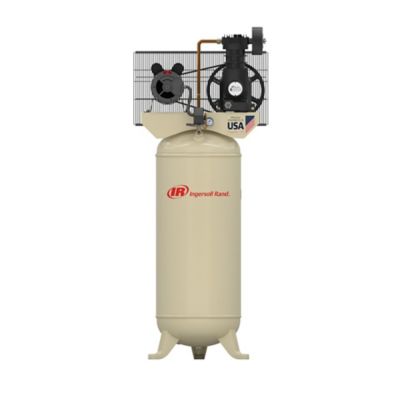
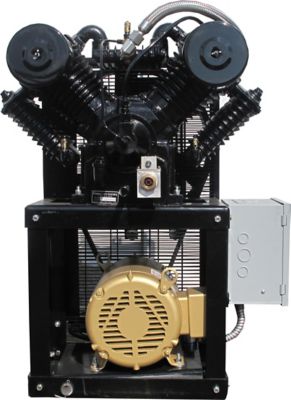
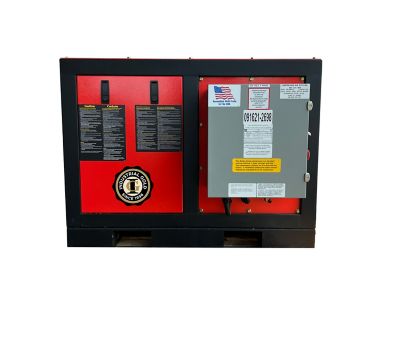
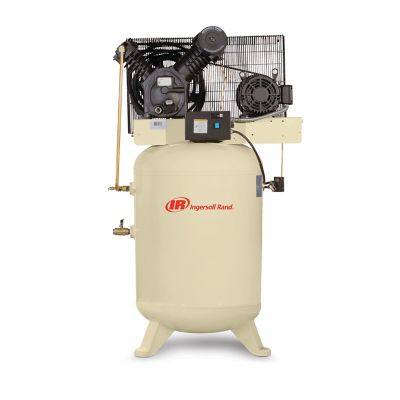
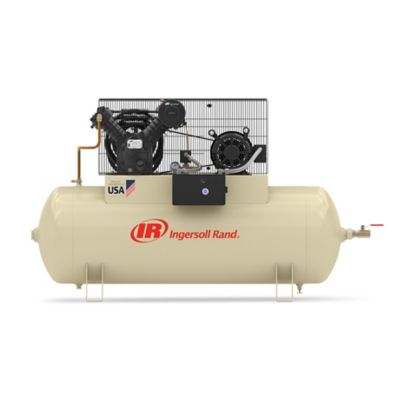
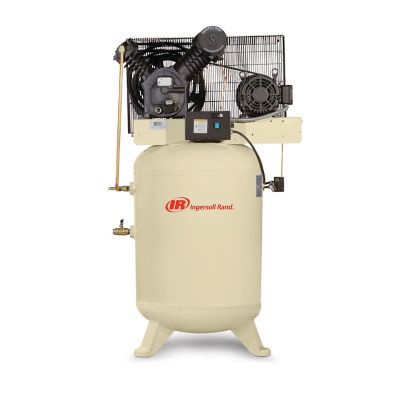
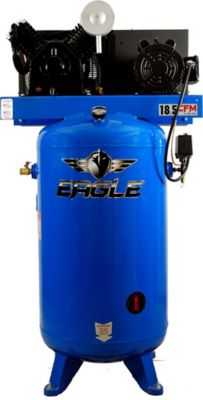
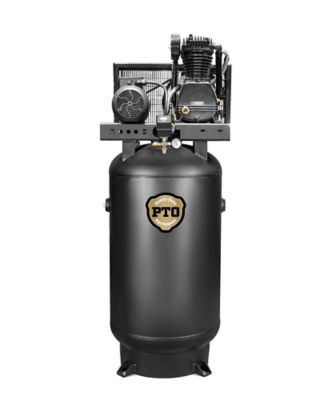
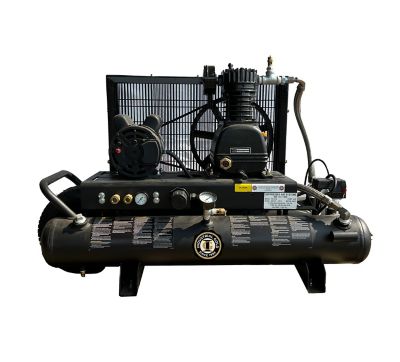
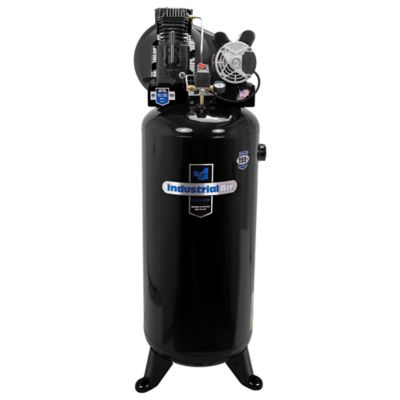
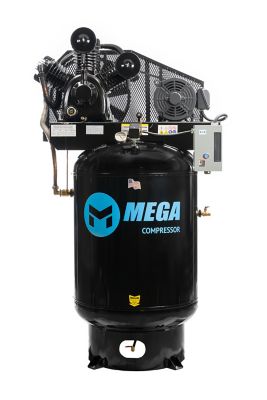
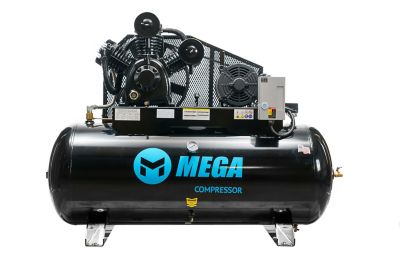
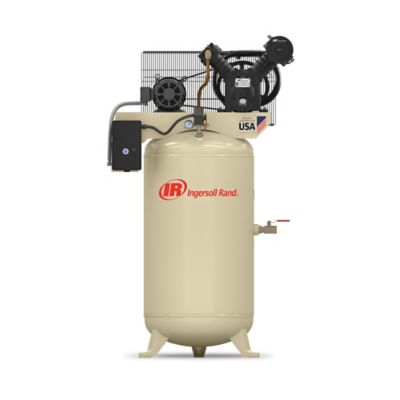
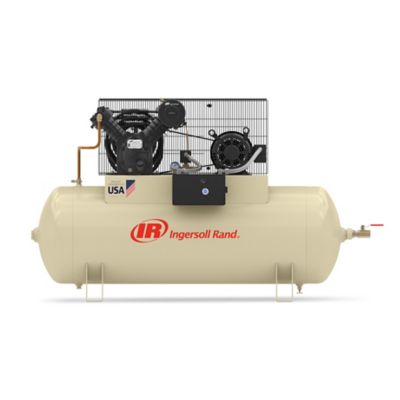
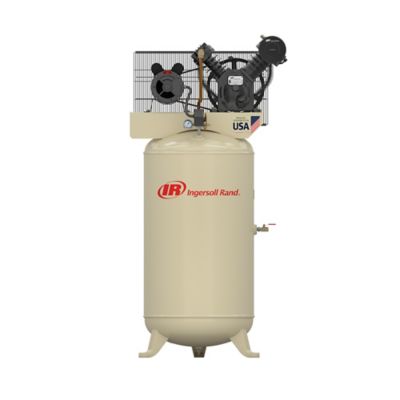
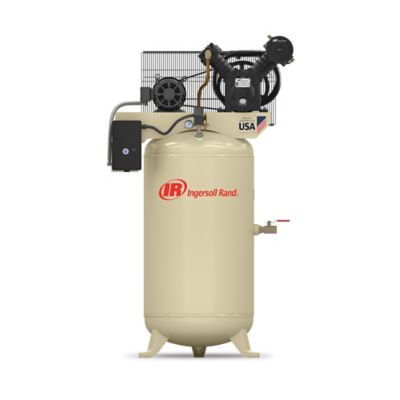
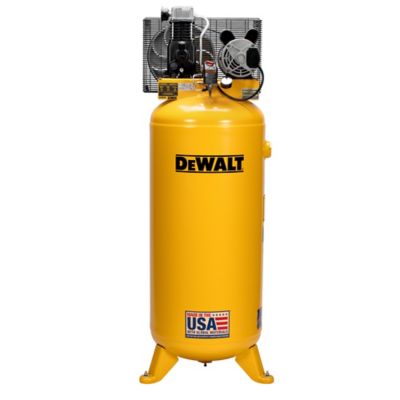
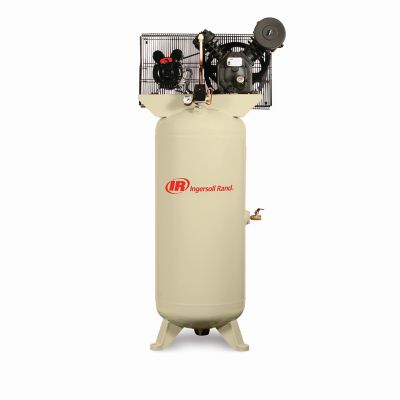
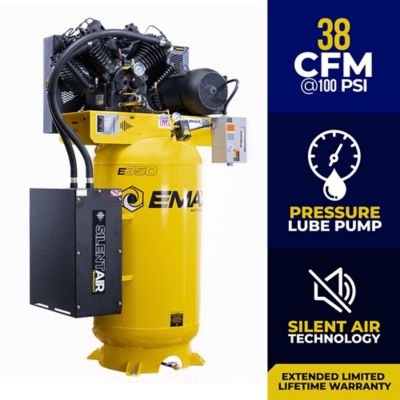
The way a compressor fits the property matters almost as much as its airflow rating. Stationary electric air compressors suit repair shops, equipment buildings and garages where air tools work within reach of a permanent air system. Vertical tanks can leave more floor space around a workbench, while horizontal layouts may fit better beneath certain shop arrangements or on purpose-built mounting platforms. The full footprint includes room for ventilation, belt guards, drain access and service work, not simply the tank’s dimensions. When comparing options in the
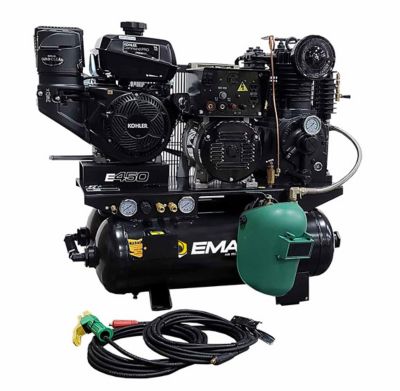
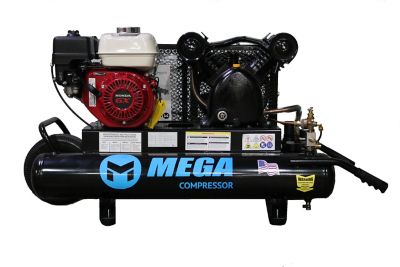
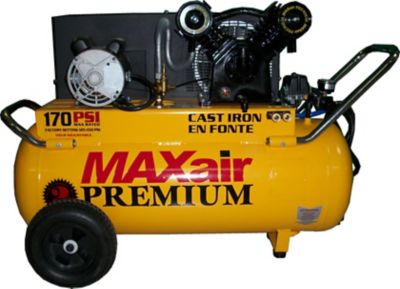
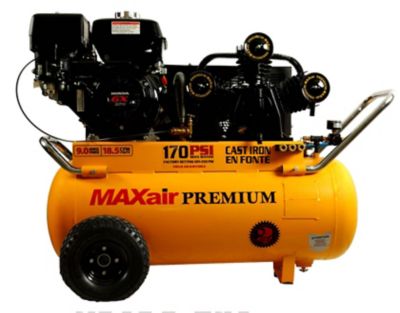
Large Air Compressor category, tank capacity and physical size are worth weighing alongside delivered CFM, electrical requirements and duty cycle. Many higher-output electric compressors need a dedicated circuit, and voltage and phase requirements vary by machine. Single-phase and three-phase equipment are not interchangeable without an appropriate electrical setup. A qualified electrician can confirm the wiring, disconnect and circuit protection required by the manufacturer. Engine-driven compressors serve a different setting, bringing air power to fence repairs, equipment service and jobs beyond an electrical connection. Their size, lifting points, transport restraints and mounting requirements deserve attention before they become part of a service-truck setup. Fuel-powered equipment belongs outdoors, well away from doors, windows and air intakes, because exhaust can create a deadly carbon monoxide hazard. Construction details also help explain how a compressor fits its workload. Steel receiver tanks, cast-iron pump cylinders on some reciprocating designs, guarded belt drives and accessible service points each play a part in day-to-day ownership. Oil-lubricated pumps require lubricant checks and scheduled changes, while oil-free designs have their own maintenance requirements. Neither description alone establishes airflow capacity or suitability for a particular task. Two-stage reciprocating designs compress air in successive steps and often suit higher-pressure shop applications. The deciding details remain the published output, operating limits and maintenance needs, along with enough space to reach the components that need attention.
Getting useful airflow to the tool takes more than a capable compressor. Hose diameter, hose length, fittings, filters and regulators can all restrict flow between the receiver and the work area. A high-output machine feeding a long, narrow hose may leave a grinder struggling even when the tank gauge shows plenty of pressure. Larger shop systems often benefit from properly sized compressed-air piping and outlets positioned near workbenches, vehicle bays or equipment service areas. Piping must be rated for compressed-air service; ordinary PVC water pipe is not an appropriate substitute because a failure can send fragments flying. Connections, hoses and accessories also need pressure ratings that match the system’s requirements. Moisture management matters wherever compressed air meets tools or finished surfaces. Water can collect in the receiver and travel through air lines, contributing to internal corrosion, tool wear or flaws in a painted finish. Receiver drains, water separators and, where the application calls for them, air dryers help address different parts of that problem. Spray work may need additional filtration to control oil and moisture, while some pneumatic tools require lubrication according to their own instructions. Those needs are best handled at the appropriate point in the air system rather than treating every outlet alike. Routine care includes draining the receiver as directed, inspecting intake filters, checking hoses and fittings for leaks, and following the specified pump-service schedule. Even a small air leak can keep a compressor cycling when nobody is working, adding run time without getting another bolt loose. Belt condition, mounting hardware and vibration also deserve regular attention on equipment that sees steady shop duty. Before maintenance, electrical power must be isolated and stored air pressure released according to the manufacturer’s directions. Safety valves and guards need to remain in place, and the receiver should never be welded or altered. For farmers maintaining machinery, mechanics handling repeated repairs and fabricators preparing metal surfaces, a well-matched high-CFM air compressor supports the work without making airflow the bottleneck. Enough delivered air, a suitable duty cycle and a thoughtfully arranged air system make the difference between finishing a long pass and stopping repeatedly for the tank to recover.