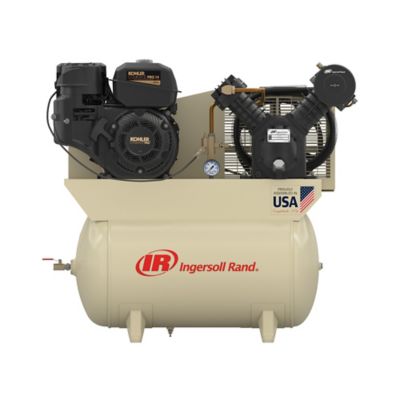
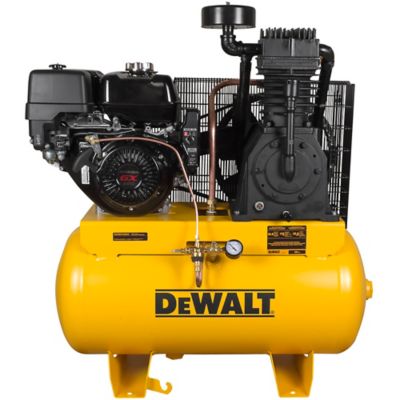
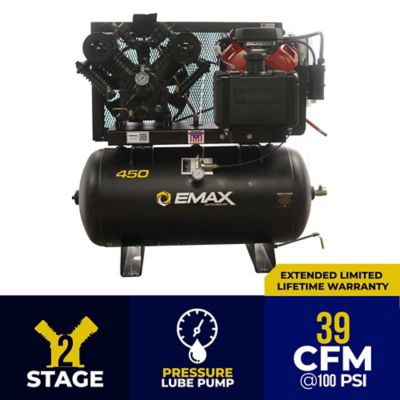
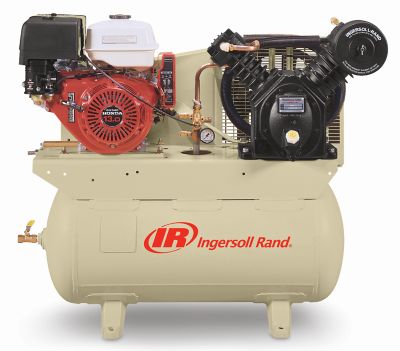
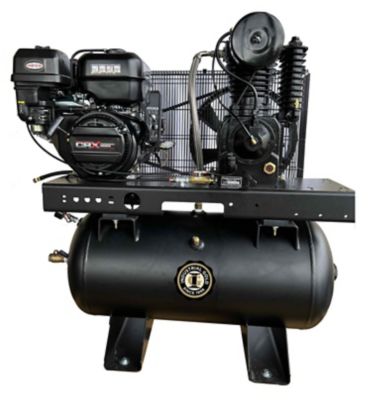
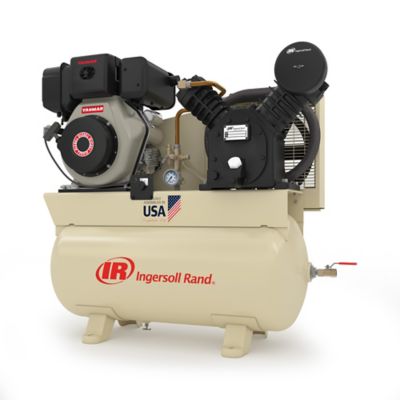
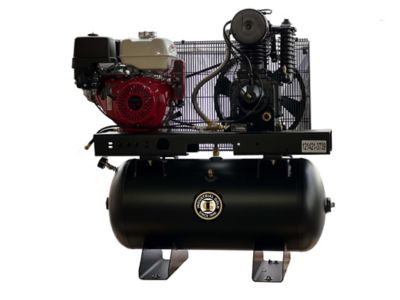
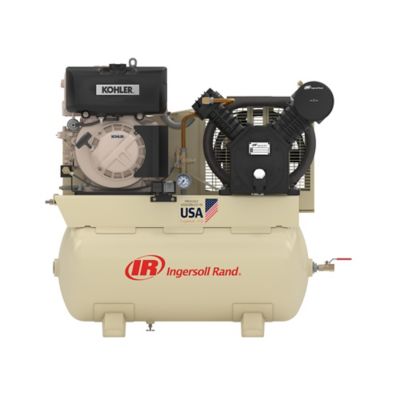
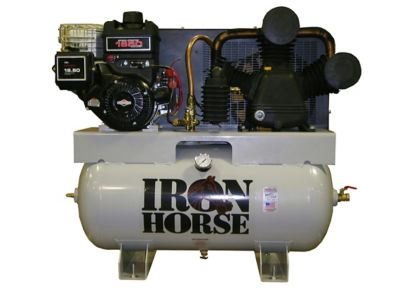
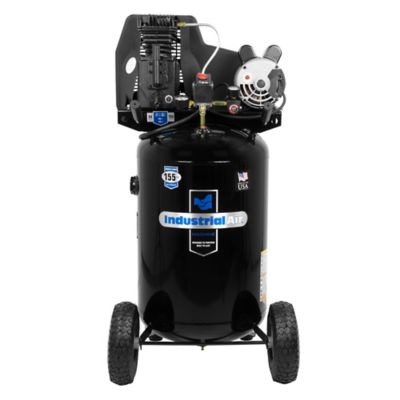
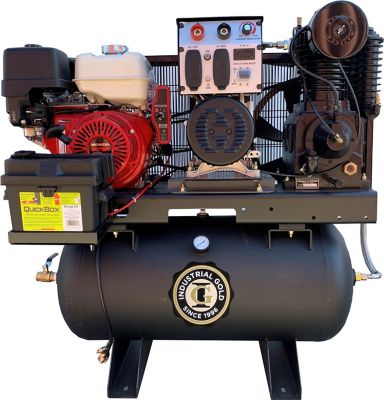
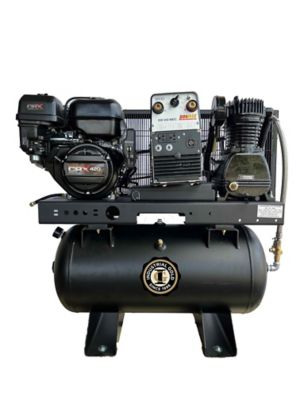
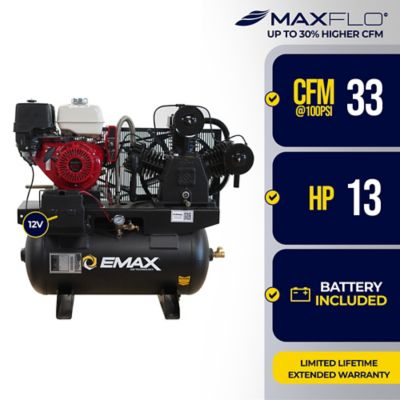
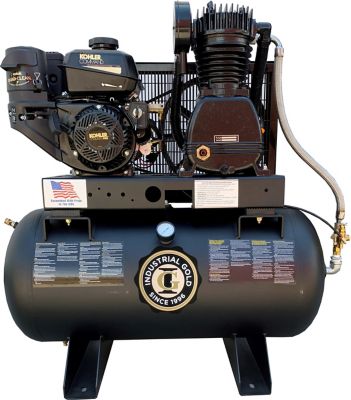
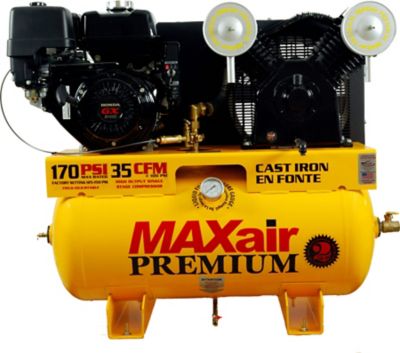
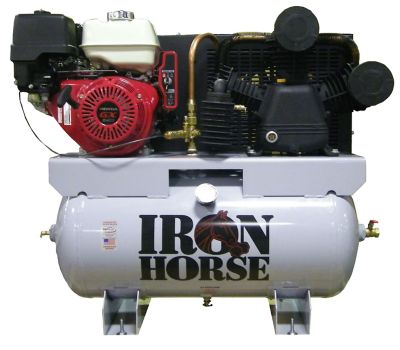
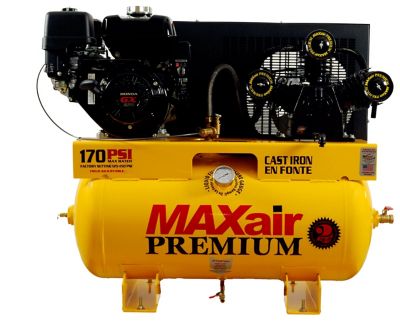
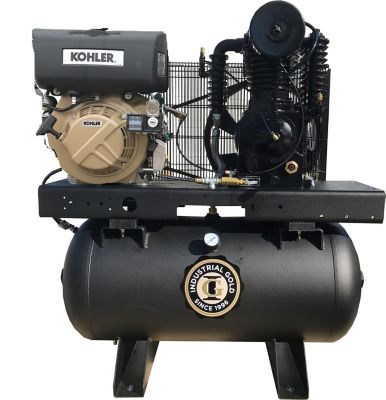
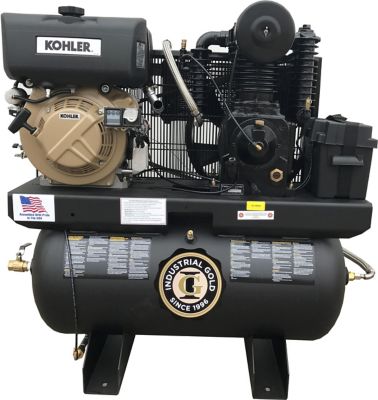
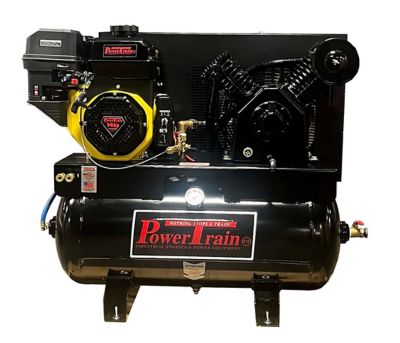
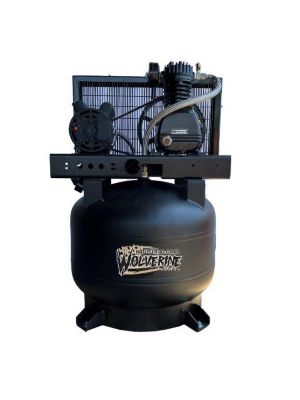
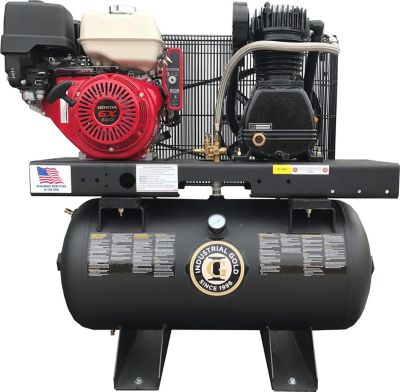
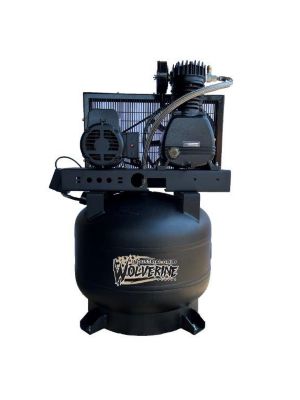
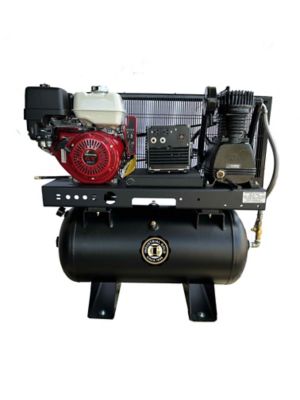
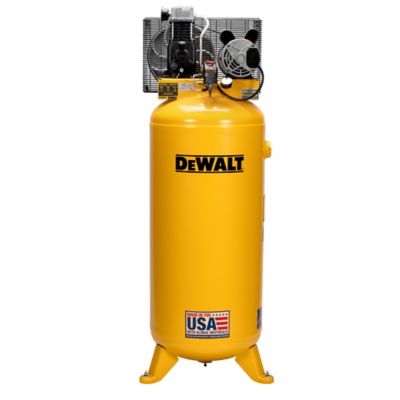
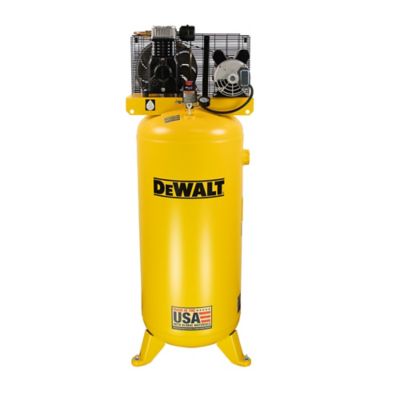
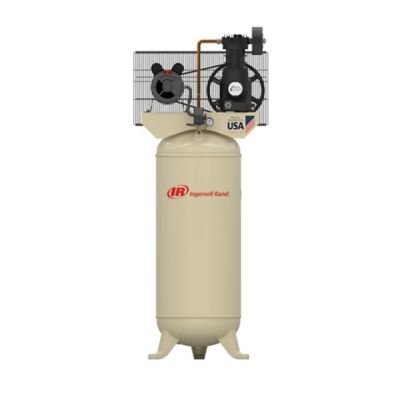
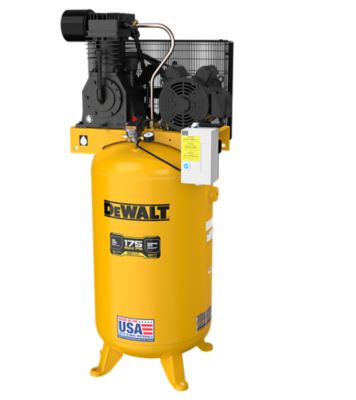
A 30-gallon gas air compressor pairs a gasoline engine with a compressed-air pump and a 30-gallon storage tank, bringing air power to places beyond the reach of an electrical outlet. That makes this size a practical fit for farm repairs, mobile tire work, construction sites and service trucks headed down gravel roads. The engine drives the pump, while the tank holds a reserve of compressed air for tools and inflation equipment. On a working property, that can mean powering an impact wrench beside a disabled implement or supplying air for repairs near an equipment shed without electrical service. Tank capacity alone, though, does not tell the whole story. Air delivery, measured in cubic feet per minute, or CFM, determines how much air the compressor can supply at a stated pressure. Pounds per square inch, or PSI, describes that pressure. Comparing CFM ratings at the same PSI gives a clearer picture of how different compressors match the demands of a particular tool. A high maximum tank pressure does not automatically mean enough airflow for a grinder, sander or another tool that draws air steadily. Likewise, a 30-gallon tank provides stored air but cannot make up for a pump that falls short of the workload over time. For mechanics, fencing crews and property owners handling repairs away from the shop, the best fit comes from matching output to the tools, the length of each task and the number of people drawing air at once. An impact wrench running in short bursts puts a different demand on the system than a tool held open for several minutes. Gas-powered operation also comes with an important boundary: the engine belongs outdoors, well away from doors, windows and air intakes. An open barn door does not make indoor operation safe. Carbon monoxide from engine exhaust can build up in enclosed or partly enclosed spaces, so the compressor’s placement matters just as much as its working capacity.
Construction and layout help determine how a 30-gallon gas air compressor fits into the workday. Steel air receivers are common, and many compressors in this category pair them with oil-lubricated pumps, cast-iron pump components and belt-driven assemblies. Those details deserve attention alongside the engine specifications because the pump, drive system and cooling arrangement all play a part in service life. Two-stage pumps compress air in successive stages and often support higher working pressures, but stage count alone does not establish airflow or allowable run time. The listed duty cycle tells more about how long a compressor can operate within its rated limits. Engine horsepower is another useful specification, though it is not a substitute for the pump’s delivered CFM. Depending on the configuration, features may include electric starting, recoil starting, low-oil shutdown or an idle-control system that lowers engine speed when air demand drops. Each serves a different purpose, and none removes the need for routine checks. Physical fit is especially important for truck-mounted air compressors. A horizontal tank may sit neatly across a service body or along a truck bed, but overall dimensions, operating weight, vehicle payload and the manufacturer’s mounting requirements still need to line up. Room around the engine and pump supports cooling and access to oil fills, filters, belts and tank drains. A frame with lifting points or a protective cage can help with handling when those features are provided, while wheeled layouts suit some ground-level jobs. Even with wheels, this is substantial equipment rather than something to carry casually across a pasture. Gravel, ruts and soft ground can make moving it harder. Hose length, inside diameter, pressure rating and coupler fit round out the setup: an undersized hose or restrictive fitting can leave a tool short of air even when the compressor itself has sufficient output. Keeping the compressor safely positioned outdoors and routing a properly sized hose to the task can make the workspace easier to manage without crowding the equipment.
Day-to-day care has a direct effect on how well a gas-powered air compressor holds up through dusty field repairs and cooler-weather chores. Engine oil and pump oil may have separate reservoirs and different requirements, so each needs attention according to the equipment manual. The specified oil type matters when temperatures drop, as do the engine’s starting procedure and any cold-weather operating limits. Dust from a dry lane or a busy worksite can load up intake filters, while chaff and dirt around cooling surfaces can interfere with heat removal. Belts, guards, mounting hardware and hose connections also deserve regular inspection, particularly on a service truck that spends plenty of time bouncing between jobs. Moisture collects inside an air tank as compressed air cools, making tank drainage part of routine upkeep. The drain procedure should follow the manufacturer’s directions, including the required pressure reduction and safe handling of discharge. Moisture management matters beyond the tank, too. Air treatment suited to the task helps protect tools, and painting or other moisture-sensitive work may call for more filtration and drying than general repair work. Fuel handling adds another layer of responsibility: the engine should be shut down and allowed to cool before refueling, with gasoline kept away from sparks and hot surfaces. Hearing protection, eye protection and hoses rated for the system’s pressure belong in the working setup as well. For a mobile mechanic or a farm crew, the appeal of a 30-gallon gas compressor is the balance between stored air, engine-driven independence and a footprint that can fit an appropriate service vehicle. A fixed shop with steady air demand has different needs;
120 Gallon Air Compressors offer a larger storage category to consider, though pump output and power requirements still determine suitability. Whether the day involves equipment maintenance at the field edge or repair work outside the barn, a well-matched compressor brings useful air power where the job is, with enough attention to airflow, placement and upkeep to keep the setup working as intended.