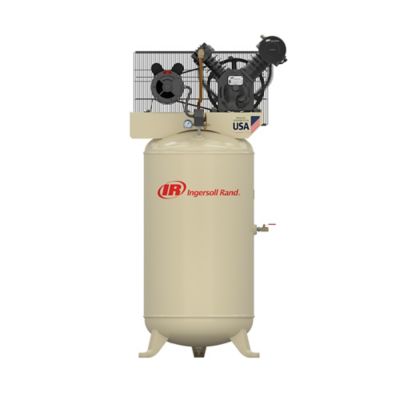
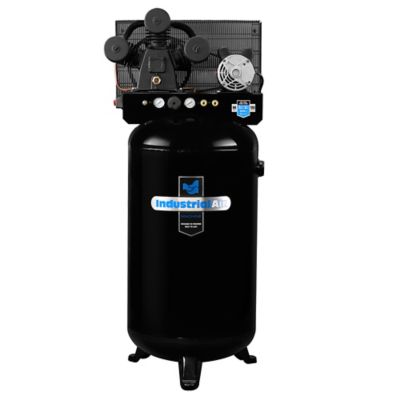
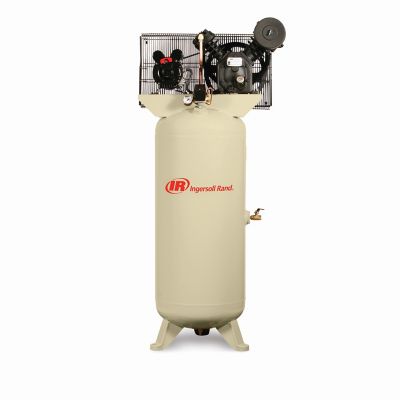
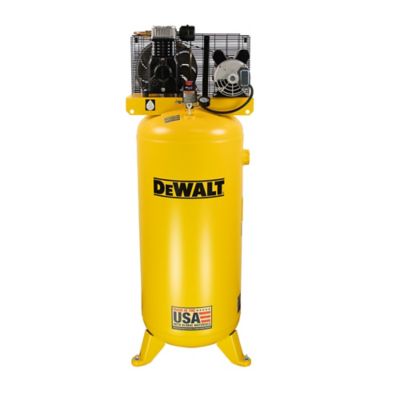
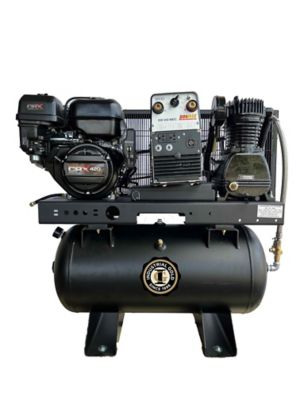
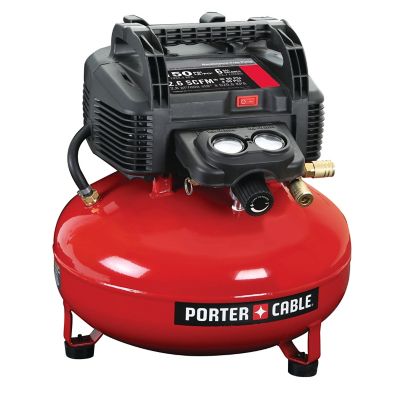
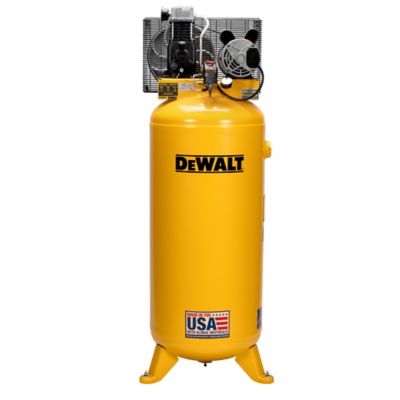
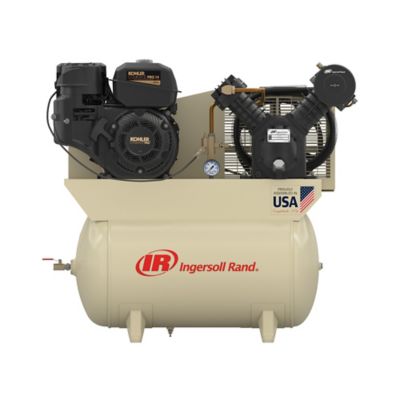
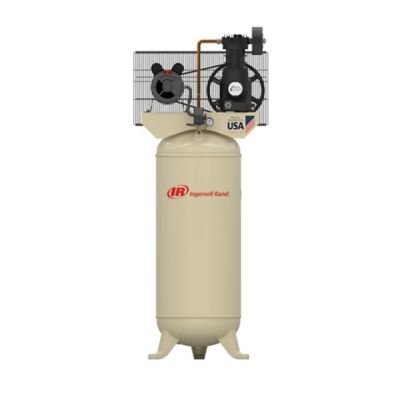
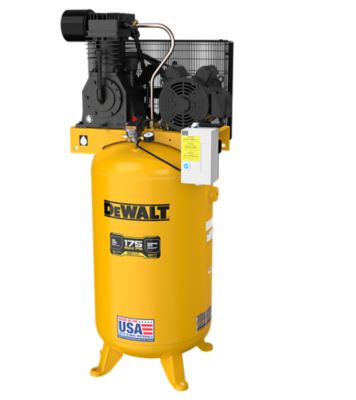
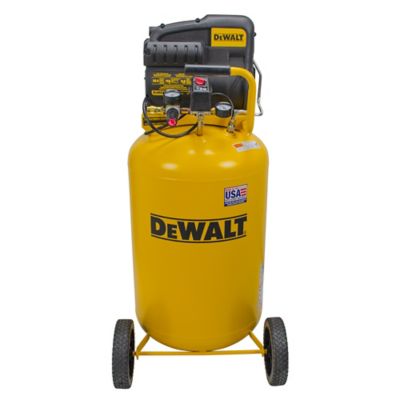
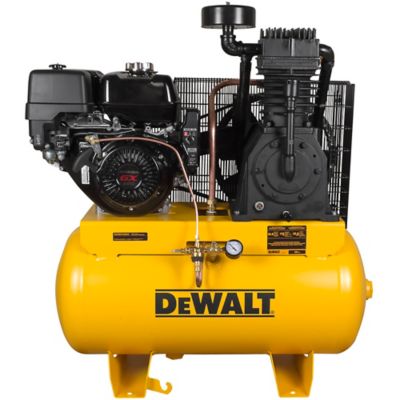
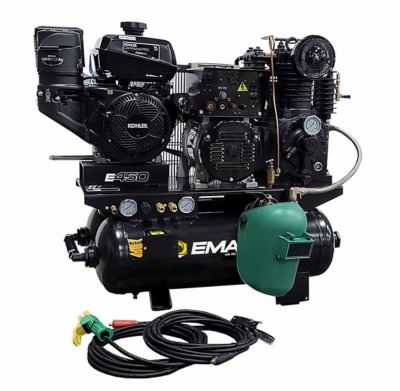
A 14 CFM air compressor supplies compressed air for jobs that call for more airflow than a small compressor can comfortably deliver. CFM stands for cubic feet per minute, a measure of air volume, while PSI stands for pounds per square inch, a measure of pressure. Those numbers work together: a compressor rated to deliver 14 CFM at 90 PSI offers a different operating point than one rated for 14 CFM at 125 PSI. The most helpful comparison is delivered airflow at the pressure your tools require, not a pump displacement figure or horsepower rating alone. For farm shops, home garages, equipment sheds, and repair businesses, this airflow range can support a variety of pneumatic jobs, depending on the tool’s requirements and how long it runs. An impact wrench breaking loose implement hardware draws air in short bursts, while a sander smoothing a panel may demand steady airflow for much longer. Grinders, spray guns, and blasting equipment vary widely in consumption, so a 14 CFM rating does not mean every attachment can run without interruption. Tool specifications sometimes list average air consumption based on intermittent operation; continuous consumption can be considerably higher. Allowing room between the tool’s demand and the compressor’s output helps account for pressure losses and gives the pump a chance to recover. Running two tools at once also means adding their air requirements rather than sizing the compressor for just one. A mechanic handling mower repairs, a landowner maintaining attachments, or a fabricator cleaning up metalwork may all find this category worth considering. The right fit depends on the actual workload: a few wheel changes between other chores put different demands on the system than an afternoon of steady sanding. With that distinction in mind, 14 CFM air compressors sit in a practical range for substantial shop work without automatically stepping into the airflow needs of a larger production operation.
Tank capacity, pump construction, and power source shape how a 14 CFM air compressor fits into the workday. The tank holds a reserve of compressed air that helps cover short bursts of demand and influences how often the pump cycles. A larger tank does not increase the pump’s CFM output, though, and it cannot make up for an ongoing air demand that exceeds the compressor’s delivery. Once that reserve drops, recovery depends on the pump’s output and the air still flowing to the tools. Duty cycle matters just as much: it describes the permitted running time over a stated interval under specified conditions. A compressor intended for intermittent operation needs its prescribed rest periods, even if the tank has enough air to keep a tool turning for a while. Stationary electric configurations often suit a dedicated work area, while portable or engine-driven configurations can make sense for work farther from an electrical hookup. Many stationary machines in this airflow range require a dedicated 230-volt circuit, but voltage, phase, amperage, and wiring requirements must come from the individual equipment specifications. A qualified electrician can confirm that the shop’s electrical service matches the motor and installation requirements. Gas-powered equipment belongs outdoors, away from doors, windows, and vents, because engine exhaust contains carbon monoxide. Physical fit also deserves attention. Upright tanks generally take less floor space, while horizontal layouts may fit better beneath certain work areas if all required clearances remain open. Wheels and handles help with movement, but overall weight, balance, and the path across the property still count. For a comparison centered on tank capacity,
30 Gal Air Compressors offer another way to narrow the search; gallon capacity alone does not establish airflow or tool compatibility. Cast-iron pump components, aluminum components, steel tanks, belt-drive arrangements, and direct-drive layouts each affect weight, service access, and operating characteristics. Single-stage and two-stage designs also differ in how they compress air, so stage count is best considered alongside delivered CFM, operating pressure, and duty cycle rather than treated as a performance guarantee.
A compressor earns its place in the shop when the whole air system supports the work at hand. Hose inside diameter, hose length, coupler design, and fittings can all restrict airflow, especially when a tool draws air continuously. A long, narrow hose stretched from the far corner of a barn may leave an impact wrench feeling weak even when the tank gauge shows plenty of pressure. Matching the air line to the flow requirement helps reduce that loss, while a regulator sets the downstream pressure within the tool manufacturer’s limits. Hoses, fittings, filters, and other accessories need pressure ratings appropriate for their position in the system. Moisture control matters, too. Compressing air produces condensation, and water carried downstream can interfere with finishes and contribute to corrosion inside tools. Tank draining, filters, and suitable air treatment help manage that moisture; painting applications may need more treatment than general mechanical work. Tools that require lubrication should receive it according to their instructions, while a paint line needs protection from oil contamination. Long service life also depends on everyday care that is easy to overlook during a busy repair: checking oil on lubricated pumps, keeping intake filters clean, inspecting hoses for wear, and maintaining belt tension where applicable. Access to the drain valve, oil fill, gauges, and service points makes those chores easier, particularly when the compressor sits beside a crowded workbench. Before maintenance, the equipment should be shut down, isolated from its power source, and depressurized as its manual directs; a damaged or corroded pressure tank calls for professional evaluation, not a welded patch. Sound levels, vibration, ventilation clearances, and secure mounting deserve consideration wherever people work nearby. Eye and hearing protection remain part of the job, and compressed air should never be directed at skin or clothing. For a working garage or farm repair space, the best match is a 14 CFM air compressor with the right output at working pressure, a suitable duty cycle, and a layout that leaves room to operate and service it safely.