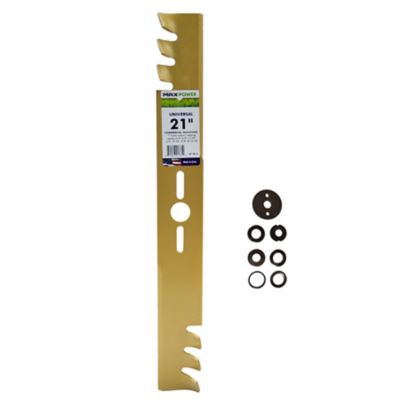
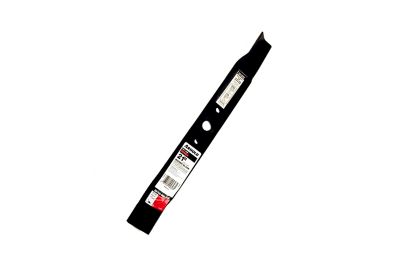
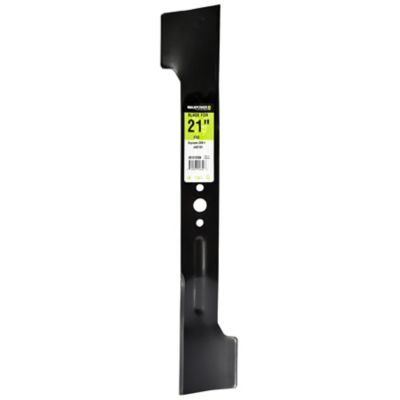
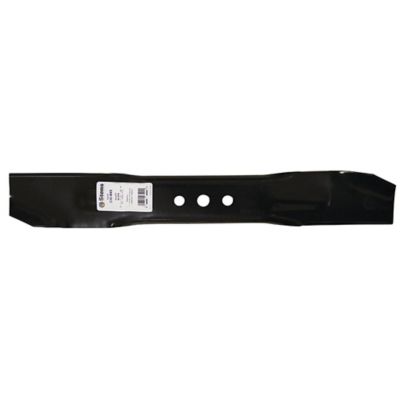
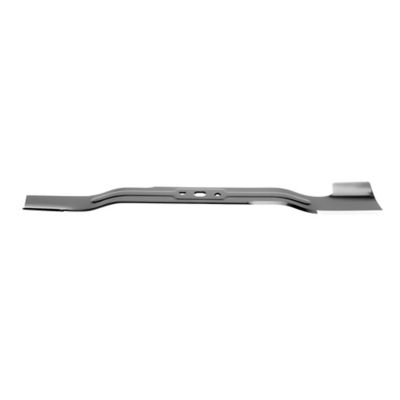
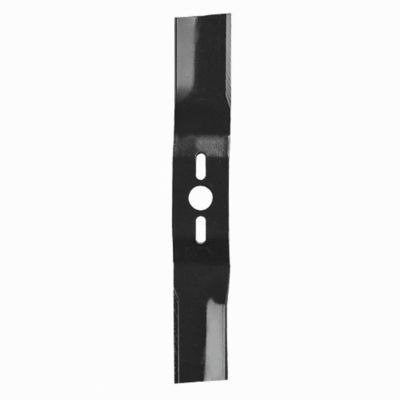
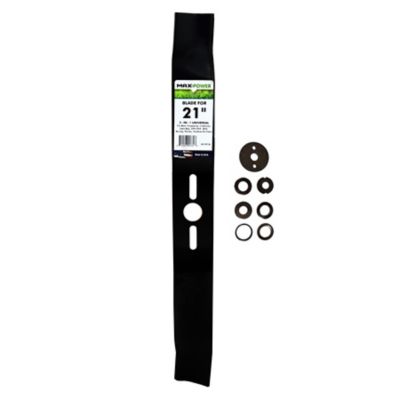
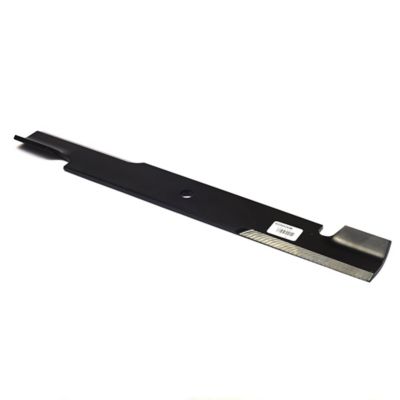
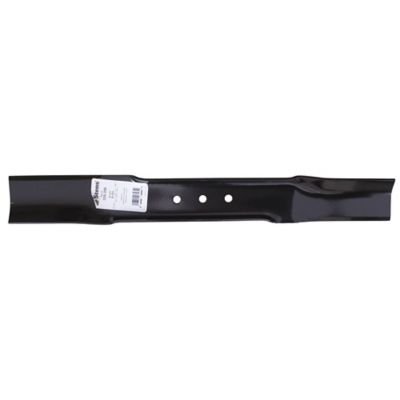
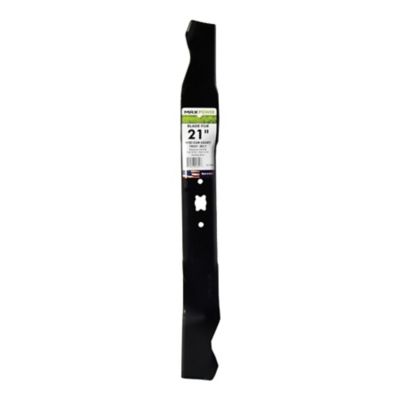
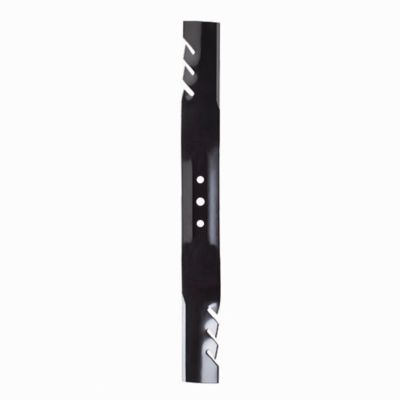
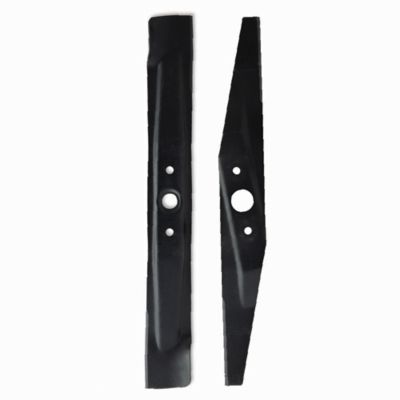
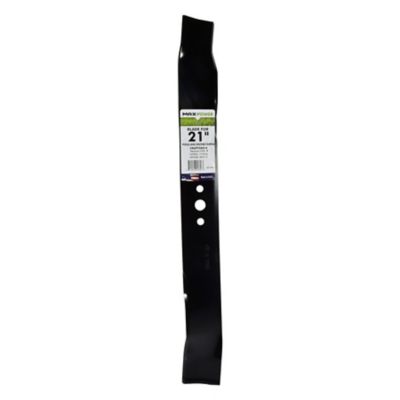
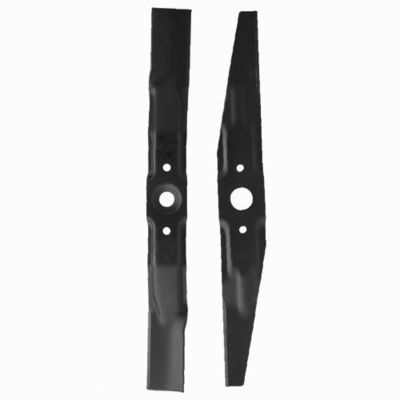
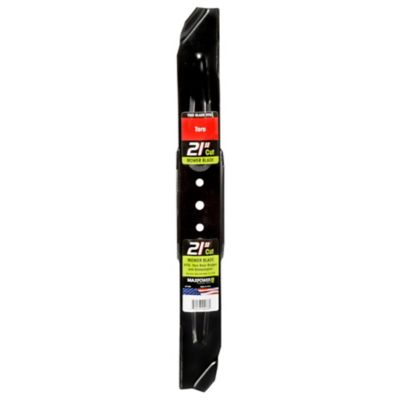
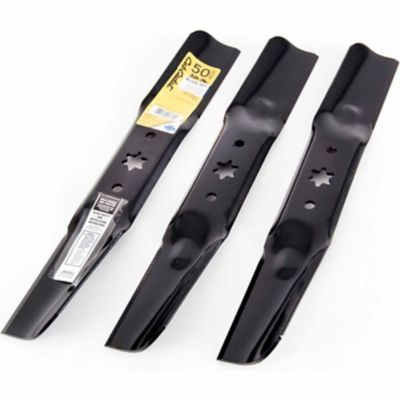
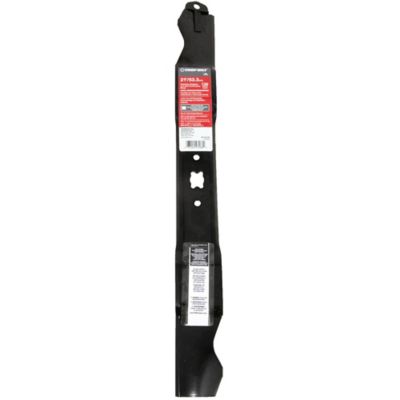
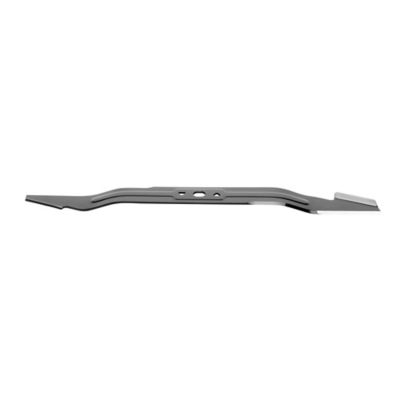
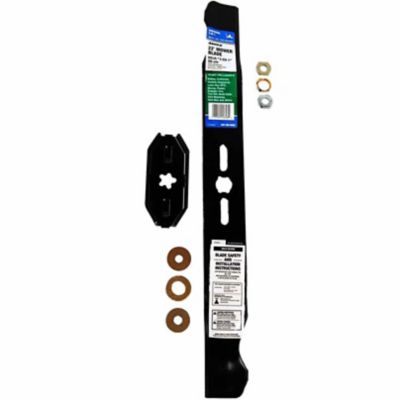
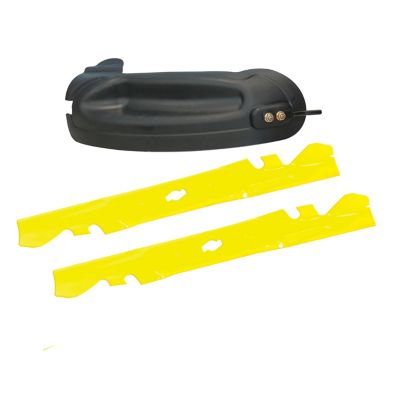
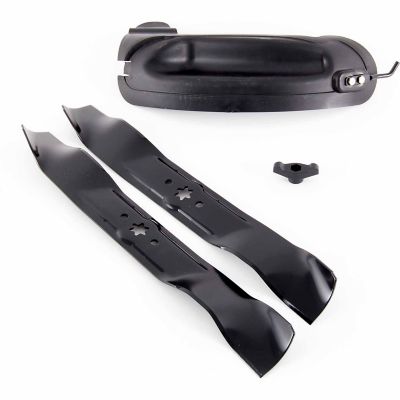
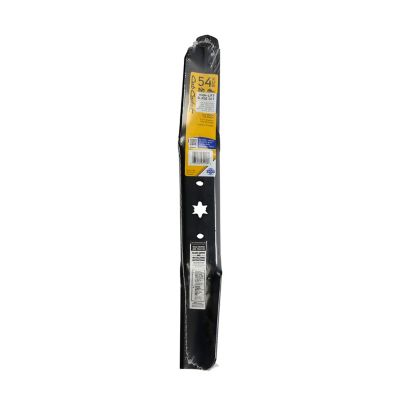
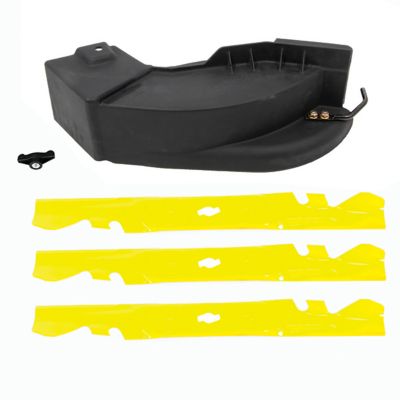
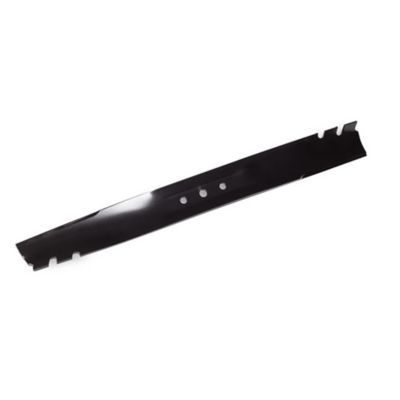
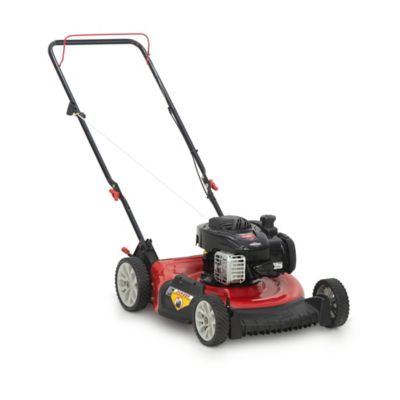
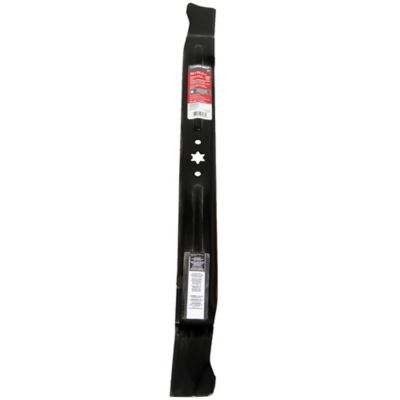
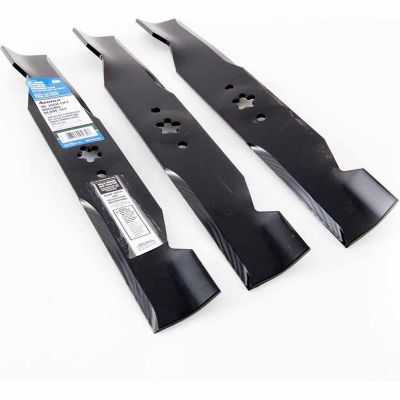
A sharp, properly fitted blade helps a walk-behind mower do its best work, and a 21-inch lawnmower blade is a common replacement size for many residential mowers. Blades wear down from ordinary mowing, hidden rocks, sticks, sandy soil and the steady work of cutting through thick grass. Even a blade that looks usable at a glance may have a rounded cutting edge, small bends or nicks that leave the lawn looking ragged. Dull blades tend to tear grass instead of making a clean cut, which can give the lawn a pale, frayed appearance and put extra strain on the mower. Keeping a spare on hand is a practical move for anyone who takes care of a home lot, rental property, acreage, church grounds or a small business lawn. It also makes a useful gift for a homeowner, first-time mower owner or hands-on family member who prefers to handle routine maintenance without waiting on a repair shop. Before choosing a replacement, start with the mower’s brand, model number and deck size, then compare those details with the blade listing. A 21-inch blade describes the cutting width, but it does not guarantee that every 21-inch blade will fit every mower. The center hole shape and diameter, outside hole pattern, blade length, width, thickness and overall design all matter. Some replacement blades are made for a particular mower, while universal-style options may include more than one center-hole adapter to accommodate different mower setups. An adapter should fit snugly and sit flat; never force a blade onto the spindle or rely on a loose-fitting opening. The original blade, owner’s manual or mower parts diagram can help confirm the correct specifications. It is also smart to inspect the blade bolt, washer and blade adapter while the old blade is removed, since worn hardware can affect how securely the replacement turns.
The right blade style depends on how grass is handled after it is cut. A standard-lift blade has a more moderate curve and is a dependable choice for everyday mowing, especially when clippings are discharged from the side or left in a manageable layer across the lawn. A high-lift blade has deeper upturned fins that move more air beneath the deck, helping carry clippings into a bagging system. This style can be useful for lawns that are frequently collected and cleared, though it may require more power from the mower when grass is tall, damp or especially thick. A mulching, sometimes called 3-in-1, blade is shaped to keep clippings circulating under the deck so they are cut into smaller pieces before returning to the lawn. Fine clippings can settle between grass blades and add organic material back to the soil, reducing the amount of loose material to rake or haul away. Mulching works best when the mower deck is clean, the grass is not overly tall and only a reasonable amount is removed at each pass. If the lawn has grown up during a stretch of wet weather, raising the deck and cutting gradually can be easier on both the mower and the blade. Look closely at the product description for terms such as mulching, high lift, standard lift, side discharge and bagging compatibility. A blade’s finish may help resist surface corrosion, but it will still need care after working through wet clippings or damp ground. For routine maintenance, disconnect the spark plug wire on a gas mower or remove the battery on a battery-powered model, place the mower securely before reaching beneath the deck and follow the manufacturer’s instructions for removal. Wear sturdy gloves when handling the blade, and use a proper blade-balancing method after sharpening. A replacement blade should be balanced before installation, tightened to the mower maker’s recommended specification and checked for free, even movement before starting the engine. Never work beneath a mower supported only by a temporary jack or an unstable object.
A 21-inch mower is often a comfortable fit for suburban yards, small acreages, narrow side runs and properties with landscaping that calls for careful maneuvering. Owners of these mowers may keep one blade for regular mowing and another style for a different job, such as bagging leaves and clippings during cooler weather or mulching grass when the lawn is growing strongly. Having a replacement ready can also be handy when a blade hits an unexpected stone along a driveway edge or fence line. Walk the area before mowing and pick up toys, wire, branches and other debris, but remember that even a well-kept yard can hide a rock beneath tall grass. During the warmer part of the growing season, frequent mowing with a sharp blade helps maintain a clean, even look without removing too much leaf at once. As conditions shift toward cooler weather, many homeowners use their mower less often but still need a dependable blade for the final rounds of grass cutting, leaf mulching or general cleanup. Storage matters, too: brush clippings from the deck, dry the blade and keep the mower in a covered area where moisture will not sit on metal parts. When comparing options, balance fit, blade style, construction and mower use rather than choosing by size alone. The most expensive option is not automatically the best match, and a low-cost blade is not a bargain if its hole pattern or lift profile is wrong for the mower. For anyone still deciding on the mower itself, browsing
21 Inch Lawn Mowers can help put replacement blade choices into context. With the correct specifications and a little regular care, a 21-inch lawnmower blade can keep a familiar walk-behind mower cutting cleanly through changing grass conditions and the ordinary bumps of yard work.