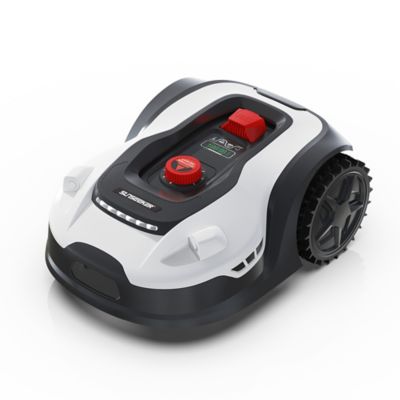
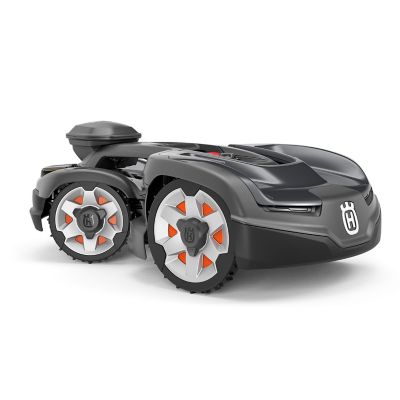
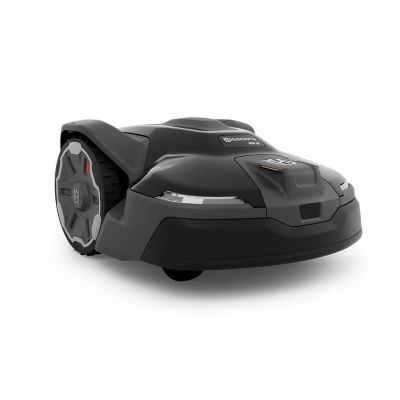
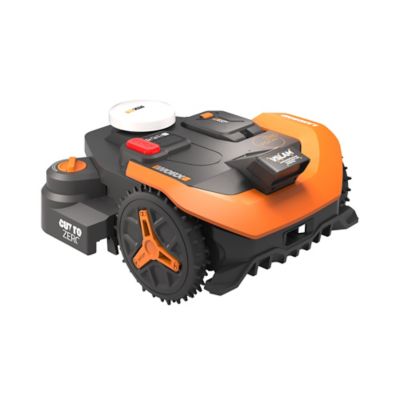
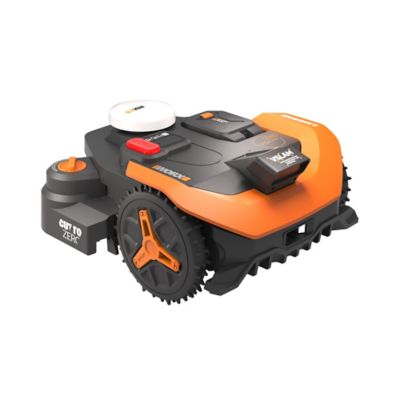
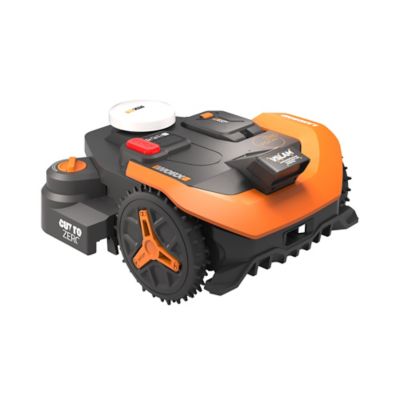
Robotic lawn mowers can take a regular chore off your plate while helping the yard stay neat through the growing season. These battery-powered machines travel across the lawn on their own, trimming a little at a time instead of taking down a tall crop of grass all at once. That light, frequent mowing can leave the yard looking evenly cut, and the fine clippings may settle back into the turf as natural mulch. They can be a handy fit for homeowners with busy work schedules, large properties, vacation homes, rental properties, or several separate areas that need regular attention. They are also useful for folks who would rather spend a Saturday tending a garden, fixing fence, checking livestock, or sitting on the porch than walking behind a mower. Before choosing one, take a good look at the ground it will cover. Measure the total mowing area, note any narrow passages between buildings, and pay attention to slopes, soft spots, tree roots, drainage swales, garden borders, and places where the mower may need to cross from one section to another. Capacity matters, but so does the layout of the property. A compact lawn with tight corners may call for different features than a broad, open stretch around a farmhouse or outbuilding. Think about the shape of the yard, too, since a simple rectangle is easier to manage than a lawn broken up by landscaping beds, gravel drives, play areas, or livestock fencing.
Boundary setup is one of the most important parts of a robotic lawn mower purchase. Depending on the model and property, the mower may use perimeter wire, wireless boundaries, GPS-based mapping, or another guidance system to identify where it should travel. Read the installation requirements closely and make sure the chosen setup works with your yard, nearby structures, and any areas that should remain off-limits. A mower needs a dependable place to charge, generally on level ground with a clear approach and access to suitable outdoor power. Consider where the charging station will sit during heavy rain, snow, irrigation cycles, and routine yard work. It should be easy to reach for cleaning and seasonal storage without becoming a trip hazard or getting in the way of the tractor, wheelbarrow, or garden hose. Features such as app controls, mowing schedules, automatic return-to-charge, rain detection, adjustable cutting heights, obstacle sensing, and theft alerts can add convenience, but the most useful feature is the one that matches how your property is actually used. A homeowner with a fenced, open lawn may value simple scheduling, while someone with children, pets, flower beds, and several access points may place a higher priority on safety sensors, boundary control, and reliable navigation. Keep the grass within the recommended height range, clear away sticks and toys, and check the lawn for loose wire, stones, and other objects before setting a mowing routine. Most robotic mowers are designed to trim rather than reclaim an overgrown field, so the lawn may need to be cut down to a manageable height before the mower takes over.
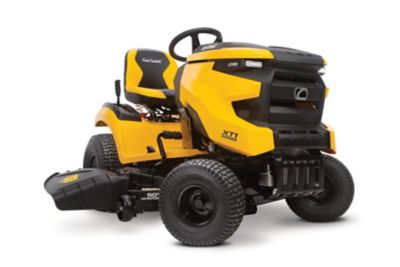
These machines can make a thoughtful gift for a new homeowner, a retiree who wants to reduce physical yard work, or a family member who spends long hours working outdoors but still wants a cared-for lawn. They may also suit someone recovering from an injury or anyone who finds pushing a mower across a sloped yard tiring. A robotic mower is not a completely hands-off replacement for all lawn care, though. Edges along fences, sidewalks, stone walls, and planting beds may still need a trimmer, and the mower will perform best when the yard is kept free of clutter. Check the cutting deck and wheels from time to time, brush away packed grass, and replace blades according to the manufacturer’s maintenance schedule. Keep charging contacts clean and watch for signs of worn tires, damaged boundary wire, or a battery that no longer holds a charge as expected. During cooler months, damp leaves can collect under the deck and make travel less reliable, so rake heavy leaf fall and avoid sending the mower across saturated ground. When freezing weather settles in, clean and dry the unit, remove or care for the battery as directed, and store the mower and charging equipment in a protected space. As the weather warms and the grass begins growing again, inspect the boundary, test the charging station, and start with a conservative schedule while the lawn comes out of dormancy. For shoppers comparing related options, a
Programmable Lawn Mower can offer another way to plan routine mowing around work, chores, watering, and quiet hours. With the right size, navigation setup, cutting range, safety features, and maintenance plan, a robotic lawn mower can help keep everyday grass under control while giving you more time for the jobs and simple pleasures that come with caring for a piece of land.