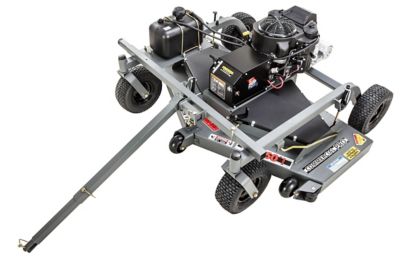
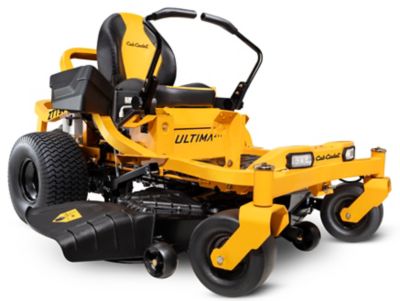
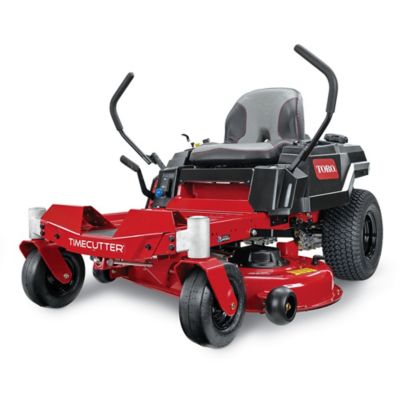
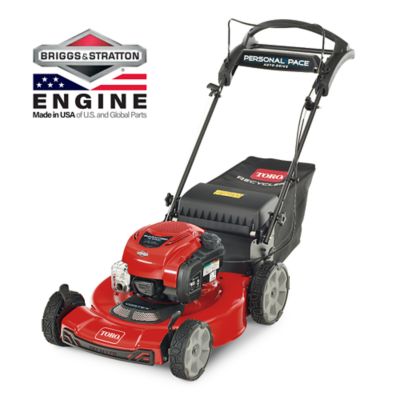
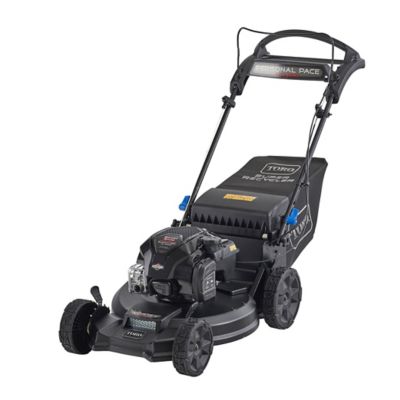
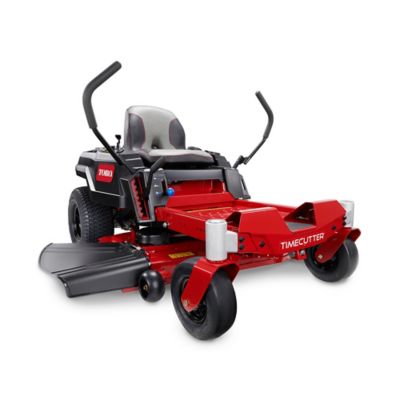
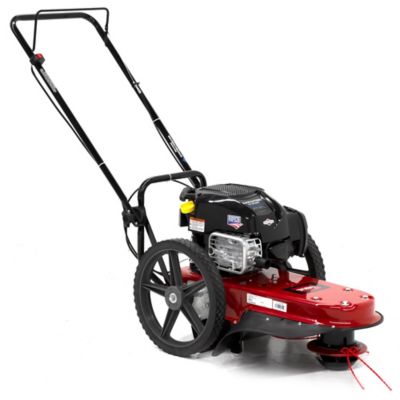
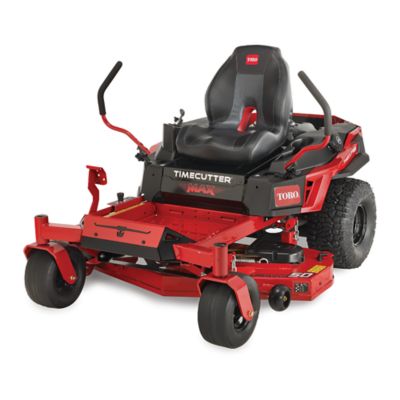
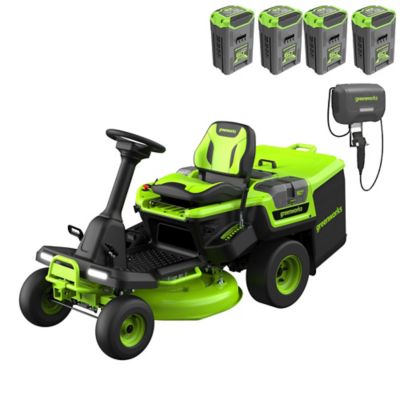
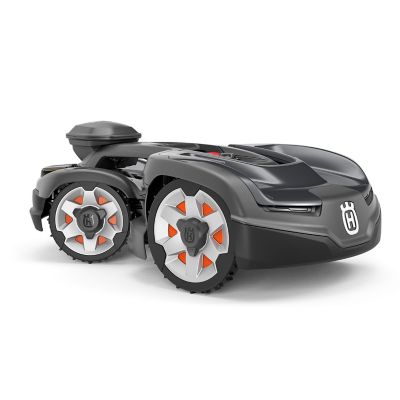
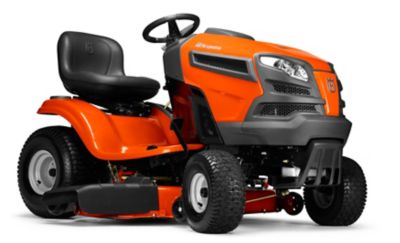
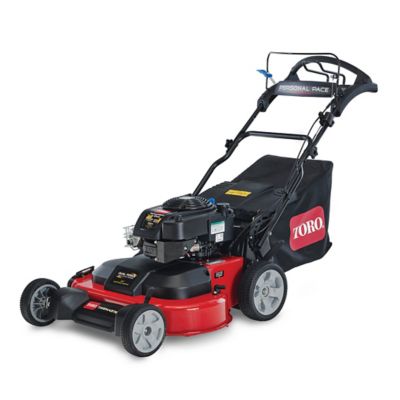
Commercial mowers are built for the kind of work that fills a day, not just a Saturday afternoon. Grounds crews, lawn care contractors, property managers, golf course staff, municipalities, schools, farms and large-acreage homeowners all rely on this equipment to keep broad stretches of grass looking clean and even. Compared with typical residential machines, commercial mowers are designed for frequent operation, longer run times and the steady bumps, turns and loading that come with professional work. Heavy-duty steel decks, reinforced frames, dependable engines, serviceable components and comfortable operator stations all matter when a mower may be used across several properties in one day. A wide cutting deck can cover more ground with every pass, which helps crews finish large open lawns efficiently, while a narrower deck may be the better fit for fenced yards, landscaped areas and gates. Think about the properties you maintain from the seat: a wide, flat sports field calls for a different setup than a sloped pasture edge, a tree-filled estate or a tight backyard with garden beds close to the turf. Commercial mower options commonly include zero-turn riders, stand-on mowers, walk-behind mowers and front-mount or traditional riding mowers. Zero-turn designs are valued for their quick steering and tight turning radius, making it easier to work around trees, buildings, flower beds and other obstacles without leaving large uncut patches. Stand-on models give operators a clear view of the cutting area and make it easy to step off when opening a gate, moving a branch or checking a tricky corner. Walk-behind equipment offers close control on hills, narrow access points and smaller sections of turf, including properties where a riding mower simply cannot go. Front-mount and other riding configurations can be a practical choice for expansive grounds, especially when attachments or extra versatility are part of the job.
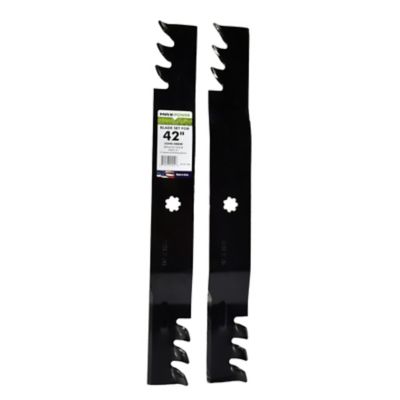
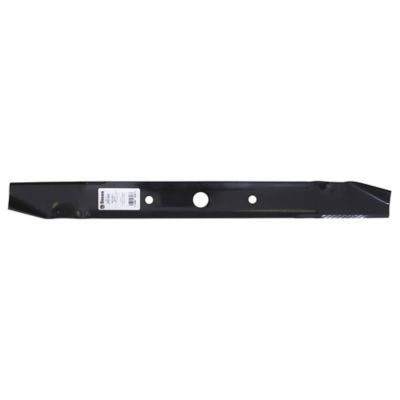
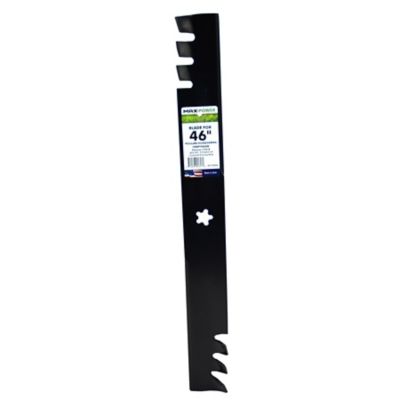
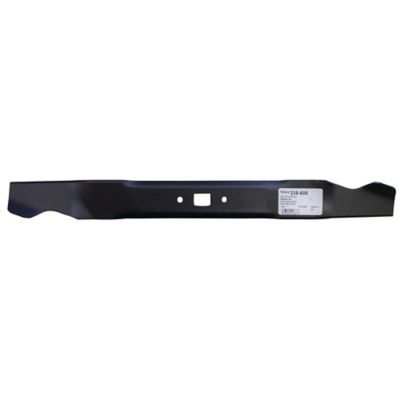
Choosing the right commercial mower starts with matching the machine to the land and the workload. Measure the narrowest gates and storage openings before settling on deck width, and take note of slopes, wet areas, rough ground, landscaping and low branches. A larger deck can improve productivity on open acreage, but a compact deck often handles irregular properties more smoothly and leaves less trimming around obstacles. For hills and uneven terrain, traction, steering response, operator position and overall balance deserve close attention. On flat, open ground, speed and cutting width may carry more weight. Consider how frequently the mower will run, too. A homeowner caring for several acres may need commercial-grade durability without the same daily demands as a contractor mowing lawns from sunrise through the cooler months. Contractors should look at fuel capacity, vibration control, seat or platform comfort, controls that are easy to reach and service access that does not turn routine maintenance into an all-day chore. Check the engine specifications, deck construction, cutting-height range and discharge or mulching options against the grass and conditions in your area. Thick, fast-growing turf, damp grass and leaves can place extra demands on the mower, while dry rural lots may call for excellent dust management and a deck that can handle occasional rough patches. Storage also deserves a practical look. A clean, dry, covered space helps protect the machine between jobs, and keeping a clear path for loading or unloading can save time every time the equipment heads to another property. During the cooler months, inspect belts, blades, tires, filters and fluid levels, clear packed grass from the deck and follow the manufacturer’s maintenance schedule so the mower is ready when growing conditions return. A sharp blade generally leaves a cleaner cut, while neglected blades can tear grass and make a well-maintained lawn look ragged.
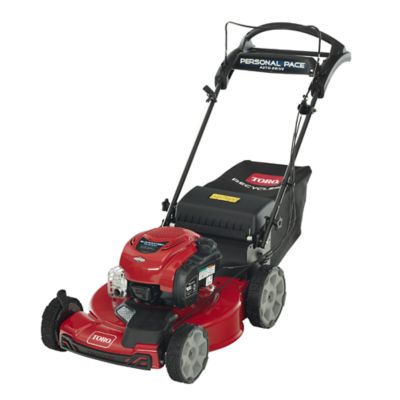
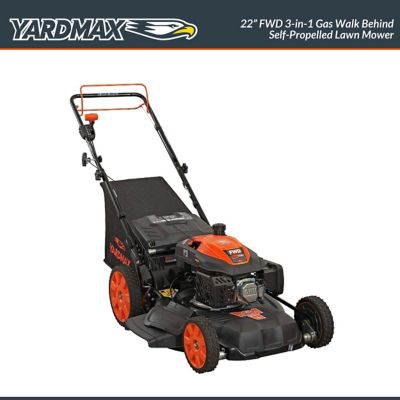
Commercial mowers are an investment in production, consistency and less time spent fighting the job. The right machine helps an operator make clean passes, reduce trimming, handle changing terrain and finish work with less backtracking. For smaller properties, enclosed yards or areas where a rider cannot safely fit,
Commercial Push Mowers provide a focused, maneuverable option while still offering the durability expected from equipment intended for demanding use. When comparing choices, look beyond the purchase price and consider the cost per hour over the mower’s working life, including fuel, blades, belts, tires, service and downtime. A mower that holds up through repeated use may prove more economical than a lower-cost machine that needs frequent repairs or slows down a crew. Comfort has a direct effect on the finished job as well: an operator who can see the deck, reach the controls and stay steady through a long shift is better able to keep rows straight and avoid missed strips. Match the mower to the people using it, whether that means a landscaping team sharing equipment, a caretaker maintaining a church or school property, a farm owner keeping lanes and open areas trimmed, or a rural homeowner managing a large homestead. Before bringing any commercial mower home, confirm that its width, weight, turning space and maintenance needs fit your trailer, shed and daily routine. With the right combination of deck size, maneuverability, power, traction and operator comfort, commercial mowing equipment can turn a sprawling, time-consuming chore into a more orderly job, leaving broad lawns, roadside edges and working grounds looking neat through changing weather and busy seasons.