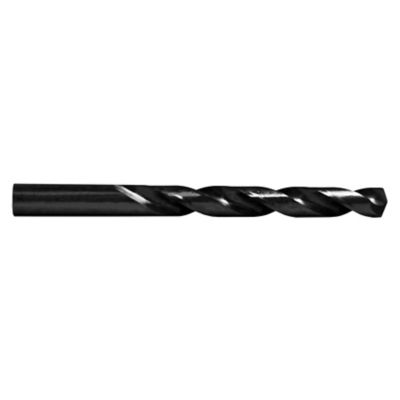
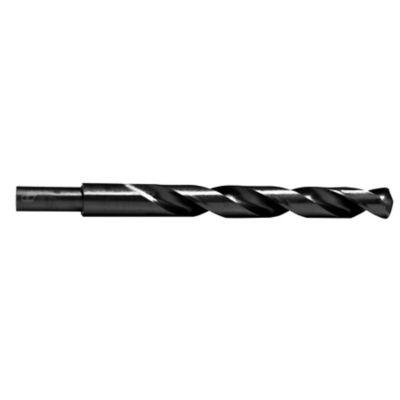
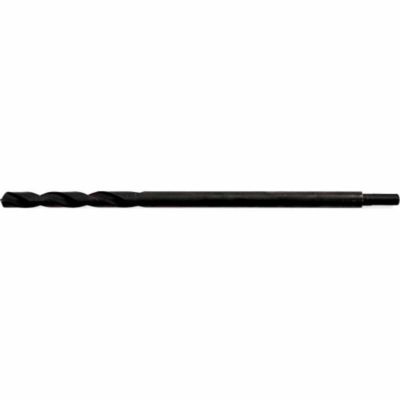
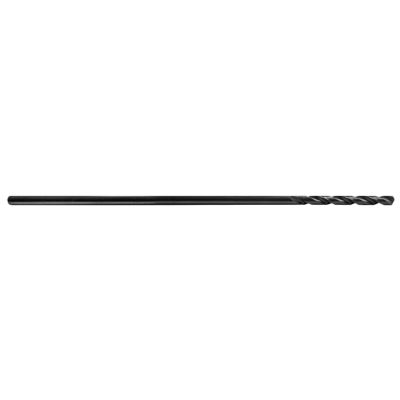
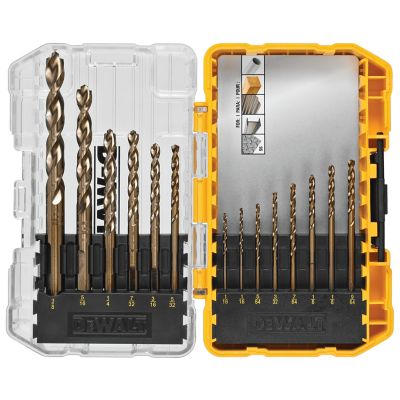
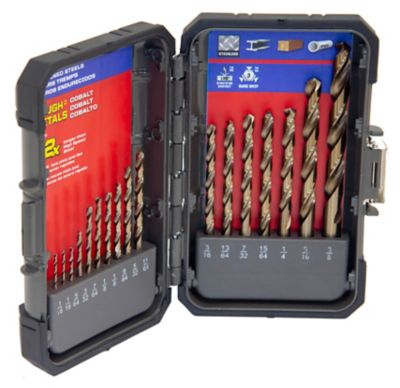
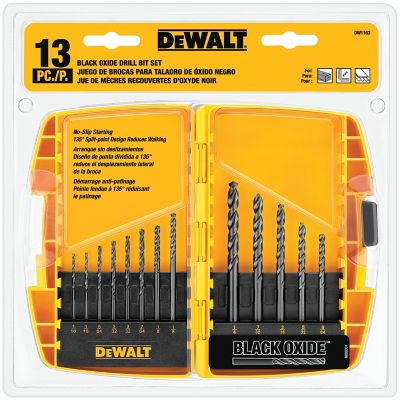
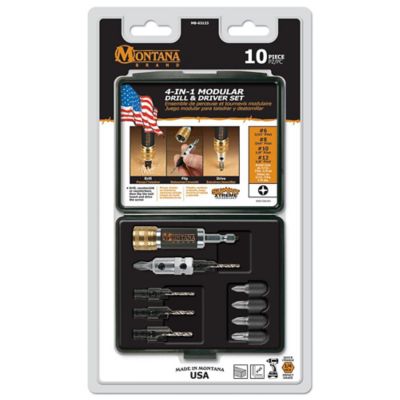
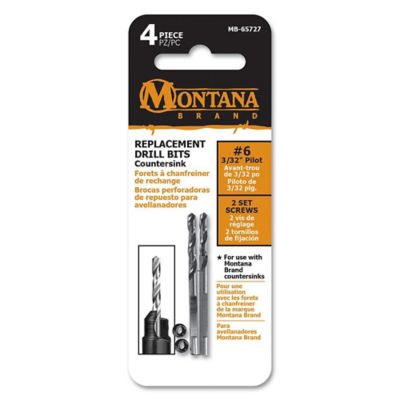
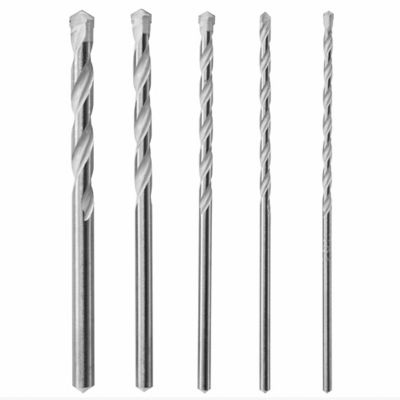
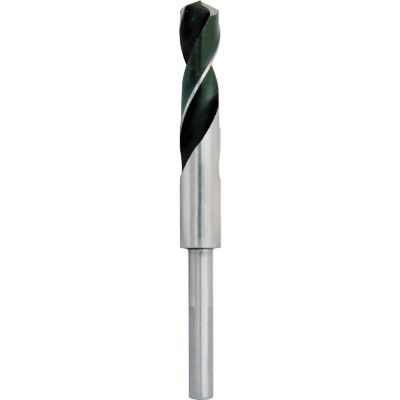
A 1/2-inch drill bit has a nominal cutting diameter of one-half inch, or 12.7 millimeters, and makes larger holes in wood, metal, plastic, or masonry when its design matches the material. It’s a practical size for plenty of work around a farm, garage, or shop, from drilling mounting holes in steel brackets to boring through lumber for hardware. The size describes the cutting end, not necessarily the part that fits into the drill. That distinction matters when a project calls for a half-inch hole but the drill has a smaller chuck. Reduced-shank bits can have a cutting diameter larger than their shank, while straight-shank designs may require a chuck that accepts the full half-inch diameter. Chuck capacity, the drill manufacturer’s limits, and the material being drilled all belong in the selection. A bit that fits the chuck still needs enough clearance to reach the work without putting the drill body against a fence rail, bracket, or nearby framing. For a gate repair, the right reach can make the difference between working comfortably and struggling to line up the drill. For a bench project, a shorter bit may offer better control where there’s no need for extra reach. Hole size also deserves a closer look when hardware is involved. A half-inch bolt may need a clearance hole larger than its nominal diameter, depending on the connection and project requirements. A 1/2-inch drill bit is therefore best matched to the required hole size rather than chosen solely from the number stamped on a fastener. Farmers, mechanics, woodworkers, and folks keeping up a place can all find work for this size, but the cutting style and material compatibility are what make it suited to a particular job.
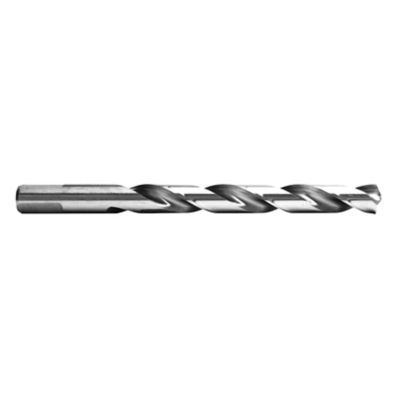
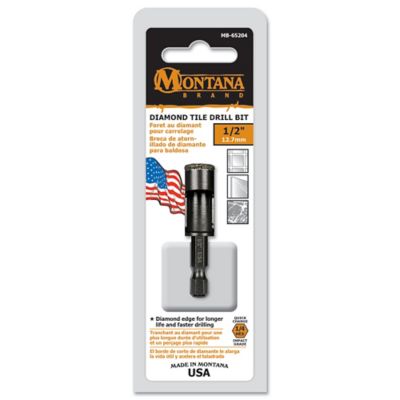
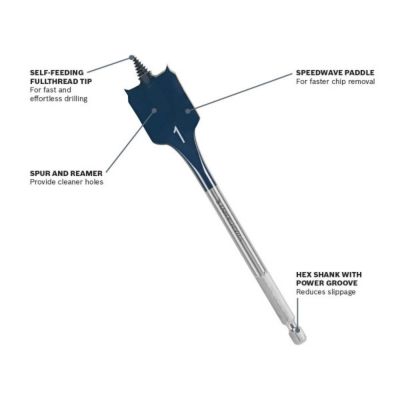
The differences between 1/2-inch drill bits become clearer when comparing the jobs they’re built to handle. High-speed steel twist bits are a common choice for general drilling, with suitability depending on the workpiece and the manufacturer’s recommendations. Cobalt-alloy high-speed steel offers greater heat resistance for demanding metal drilling, including suitable applications in stainless steel. Coatings can help manage friction and wear, but a coating alone doesn’t make every bit suitable for every metal. Solid carbide cutting tools bring another set of requirements and generally benefit from rigid equipment and a steady setup. Carbide-tipped masonry bits are a separate category, with cutting tips shaped for materials such as brick and concrete. Their shanks and operating requirements must match the drill, including whether the application calls for rotary drilling or hammer action. In wood, brad-point bits help establish the starting location and produce clean-edged holes, while spade and auger styles suit different boring tasks. A hole through a rough fence rail has different finish requirements than a visible hole in a cabinet panel, even when both measure half an inch. Plastics also need a suitable cutting design and controlled heat to help limit cracking, grabbing, or melting. Flute shape, point geometry, and overall length affect how a bit cuts and carries material out of the hole. Deep flutes can provide room for chips, while longer reach can be helpful through thick lumber or recessed parts. Extra length also leaves more opportunity for flex, so the longest bit isn’t automatically the best fit. For drilling angle iron at a workbench, stiffness and secure clamping matter more than reach. For a thick timber connection, usable flute length and hole depth become bigger considerations. Comparing those details helps narrow the choice without treating every half-inch bit as interchangeable.
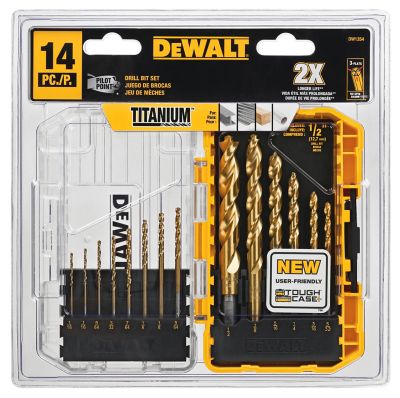
Fit and care have a lot to do with how a 1/2-inch drill bit performs over time. A round shank needs a firm grip in a compatible chuck, while a hex shank requires a holder or chuck intended to accept it. A hex shape doesn’t automatically mean the bit is rated for an impact driver, and an SDS shank belongs with the matching tool connection. Packaging and tool specifications help settle those compatibility questions before a job gets underway. Larger cutting diameters generally call for different speed and feed choices than small bits, with the workpiece material and bit design setting the limits. Metal drilling may call for a suitable cutting fluid, while masonry, wood, and plastic bring their own requirements for chip or dust control. These details matter whether the job is one hole in a repair bracket or several matching holes along a mounting plate. A workpiece secured against spinning, suitable eye protection, and room to keep hands clear of the cutting area are part of a sensible setup. After the work, clearing debris and storing bits dry helps protect cutting edges and limit rust. Loose bits knocking together in a toolbox can damage tips, so a fitted case or divided storage spot can help preserve their condition. Rounded cutting edges, chipped tips, or a bent shank can affect hole finish and control; sharpening is an option only for designs intended for it and with the proper equipment. Shop projects often involve more than drilling alone. Building a workbench or fitting lumber for a repair may also call for
12 Inch Saw Blades on a compatible saw before the mounting holes are drilled. Keeping each cutting tool matched to its machine and material helps the whole job move along. Whether the task involves lumber, steel, or masonry, the right half-inch drill bit brings together the required hole diameter, suitable cutting geometry, workable reach, and a shank that fits the equipment on hand.