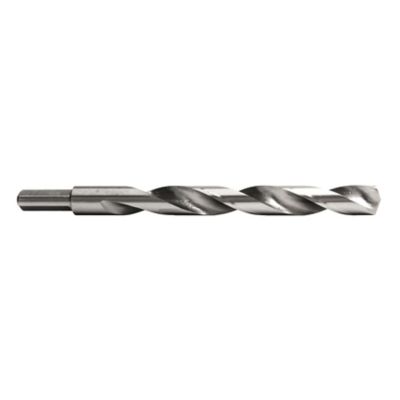
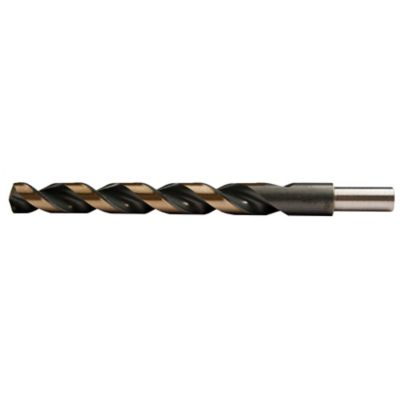
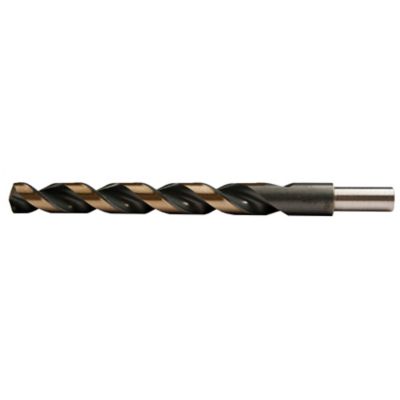
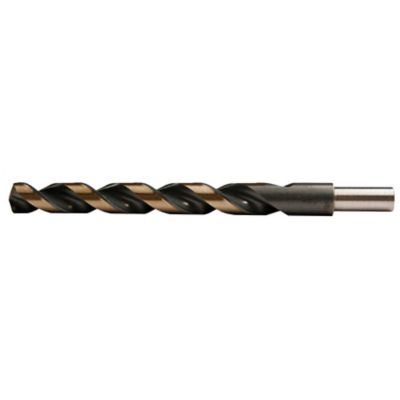
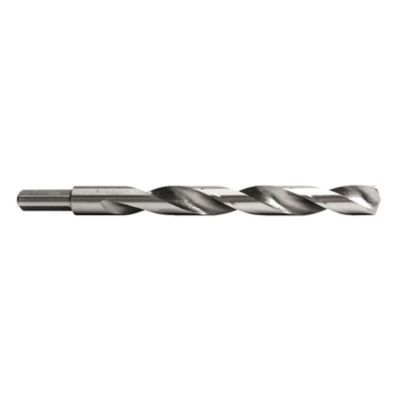
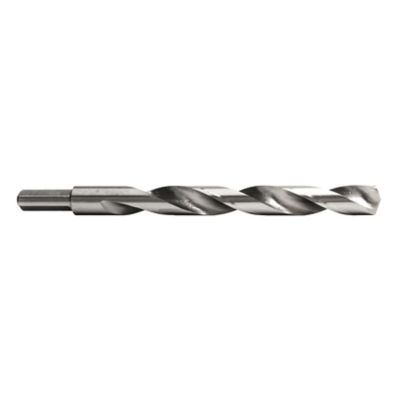
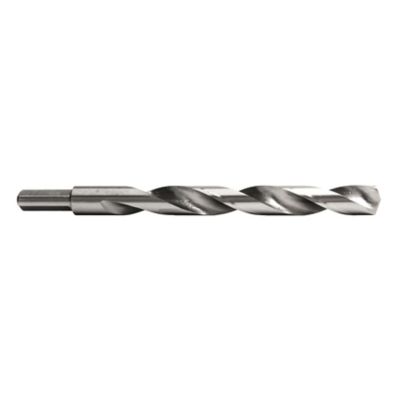
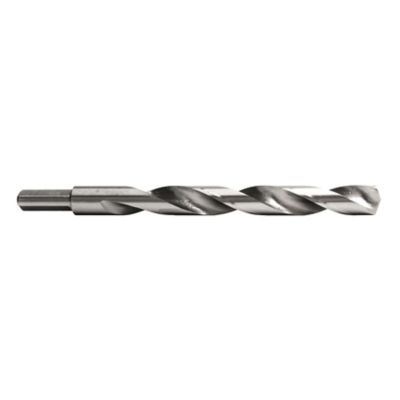
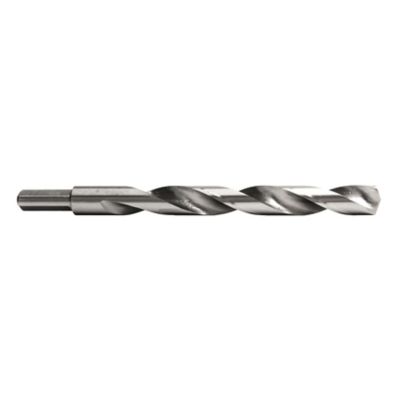
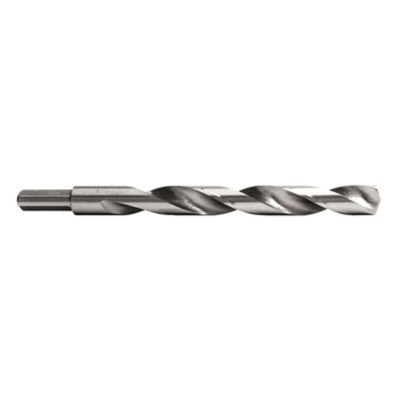
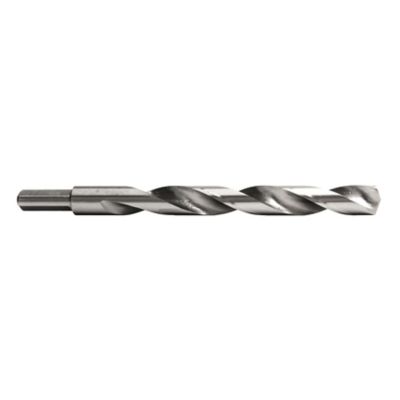
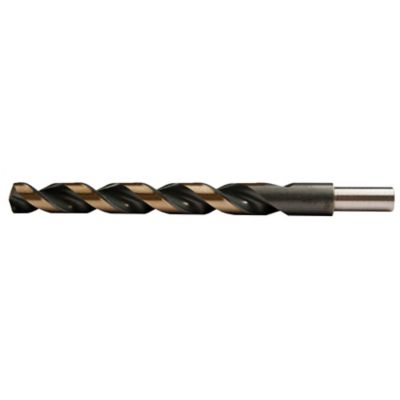
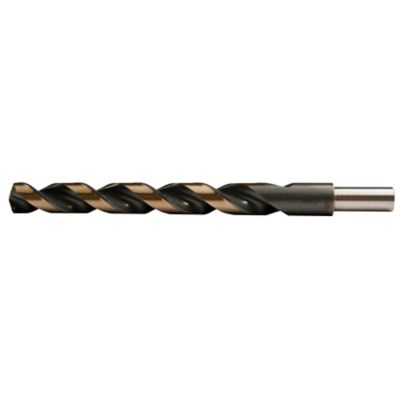
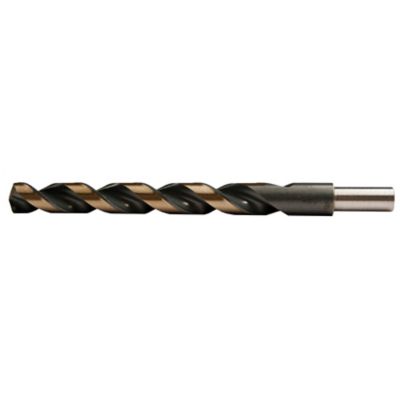
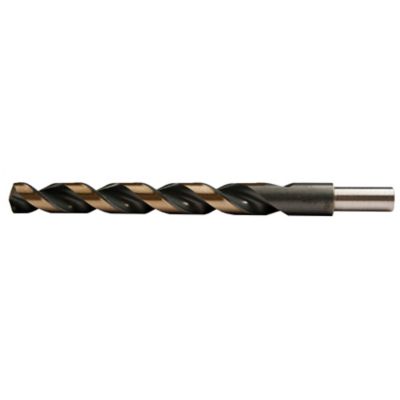
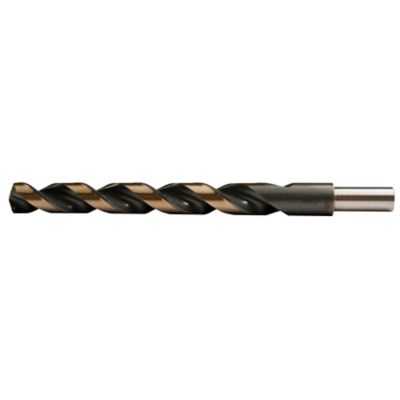
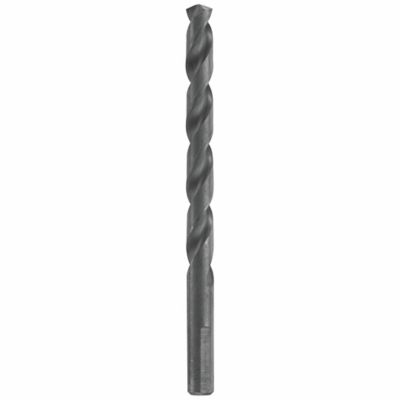
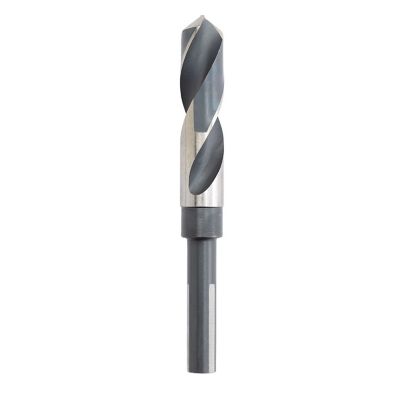
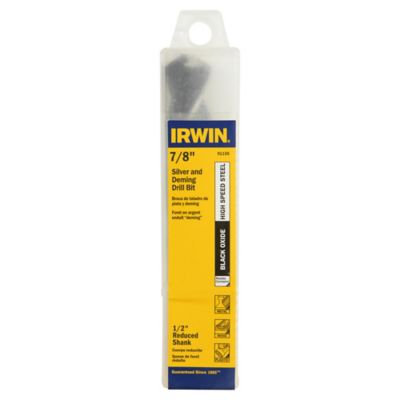
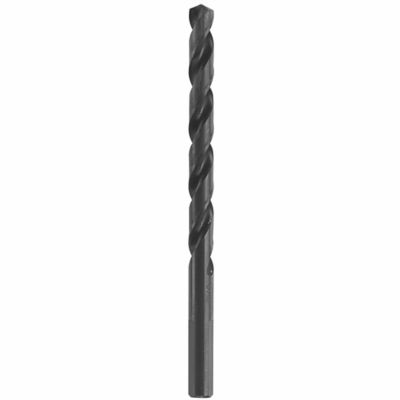
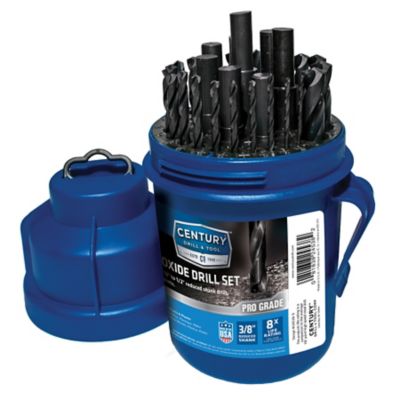
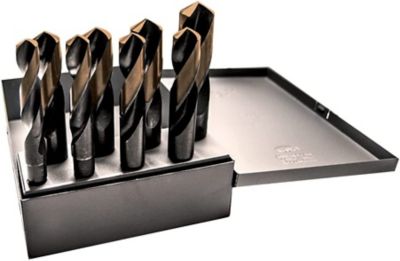
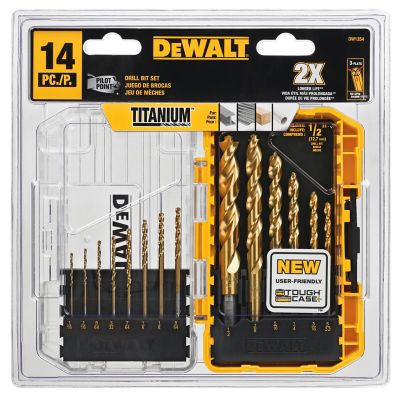
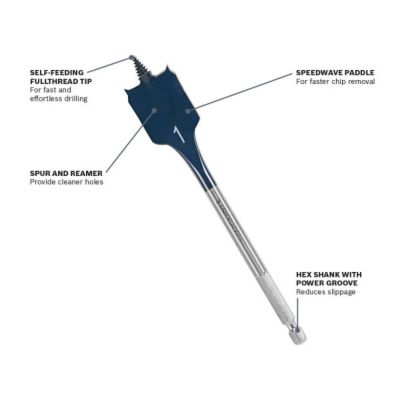
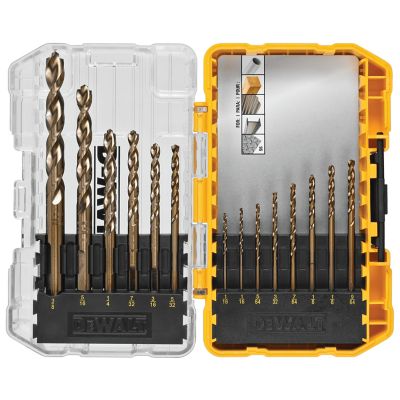
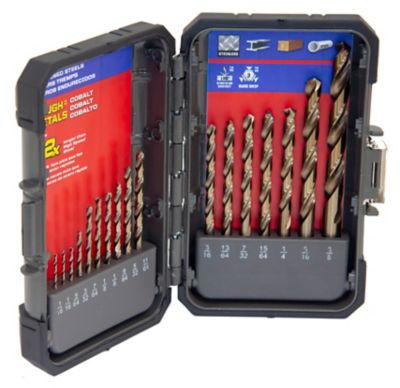
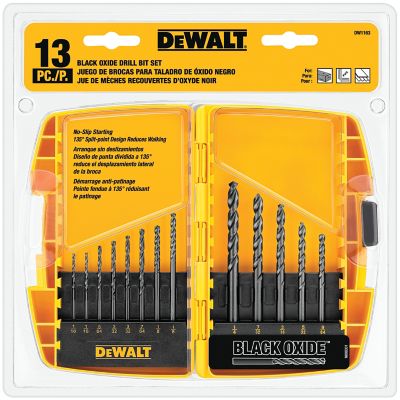
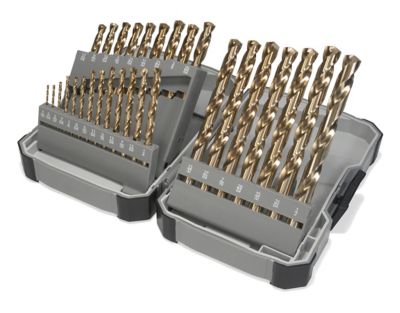
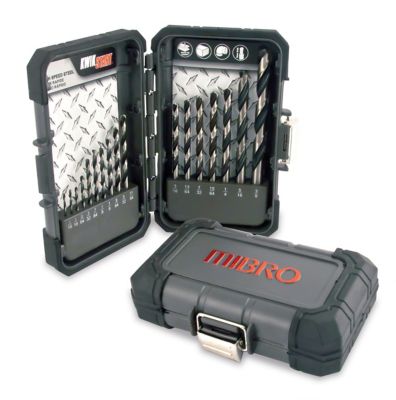
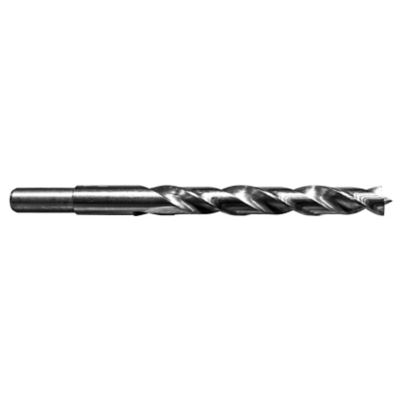
Reduced shank drill bits make it possible to bore larger holes without stepping up to a specialty chuck or oversized drilling machine. The cutting head is wider than the shank, while the attachment end is sized to fit a standard 3/8-inch or 1/2-inch drill chuck. That arrangement gives farm shops, garages, maintenance areas, and metalworking benches more flexibility when a regular twist bit is too small for the job. Many reduced shank styles cover hole sizes from roughly 9/16 inch through 2 inches, with the exact range depending on the bit set or individual bit. A common format has a 1/2-inch shank and an overall length near 6 inches, making it a practical fit for portable drills and drill presses alike. Three-flat shanks are also common, with flat sections that help keep the bit from spinning inside the chuck when the drill is working under heavy torque. Before picking a bit, look at the hole diameter, the thickness and type of material, the chuck capacity on your drill, and the clearance around the workpiece. A bit that fits the hole but exceeds the chuck size will not serve the job, and a bit that is too short may not reach through a thick plate, pipe wall, bracket, or timber. For metalworking tasks, take a look at the selection of
Metal Drill Bits to compare styles made for different drilling needs.
Material choice matters just as much as diameter. High-speed steel is a common choice for general drilling in mild steel, sheet metal, iron, aluminum, and other workshop materials. Black oxide or black-and-gold surface treatments may help with heat handling and chip flow, while cobalt blends are suited to more demanding work in tough alloys and heavier steel. These bits can also make clean openings in wood or plastic when the cutting edge and speed are appropriate, although a bit selected for metal may not leave the same finish as a bit designed specifically for woodworking. For a clean hole, mark the center carefully and consider starting with a smaller pilot hole, especially when drilling through thick stock. Keep the workpiece clamped firmly to a bench or drill-press table rather than holding it in your hand. Large cutting diameters remove more material with each turn, so they place a greater load on the drill than a small bit does. A portable drill calls for a steady two-handed grip, solid footing, and room for the tool to react if the bit catches. A drill press offers better control for repeated holes or heavy plate, provided the material is secured and the machine is set up according to its instructions. Slow the drill speed as the bit diameter grows, and go slower still when cutting thick steel. Light cutting fluid or oil can help manage heat on metal, while clearing chips from the hole keeps the flutes from packing and binding. Never force a dull or overheated bit through the work; back it out, let the bit cool, and inspect the edge before continuing.
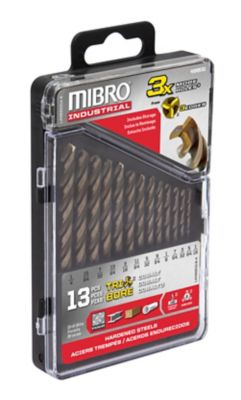
Reduced shank bits are a handy addition for people who maintain tractors, trailers, gates, livestock equipment, implements, utility shelving, and farm buildings. They can also help a homeowner tackle occasional repairs where a large hole is needed for a bolt, conduit, pipe fitting, wiring pass-through, or mounting hardware. In a small shop, one set can cover a wide range of tasks without requiring a separate heavy-duty drill for every larger opening. They make a thoughtful present for a mechanic, welder, farmer, carpenter, or hands-on neighbor who spends time keeping equipment in shape, especially when the set includes sizes that match the person’s regular projects. Look for clear size markings, a secure case or holder, and a shank that matches the drill or press on hand. A well-organized set saves time when the workbench is crowded and the light is fading during the cooler months. Store the bits dry and clean, brush away chips after each job, and keep cutting edges from knocking against one another in a tool drawer. When drilling outdoors or in an open-sided shed, protect the work from rain and condensation, since moisture can lead to surface rust on steel bits. Match the bit to the material rather than relying on one size for every task, and keep spare cutting fluid, clamps, eye protection, and hearing protection nearby. With the right diameter, chuck fit, speed, and steady handling, reduced shank drill bits bring large-hole capability to everyday drills and make repair work around the farm, garage, or home shop more manageable.